Search
Results for “Apollo”
- Entries
- 50
- People
- 4
Entries 50
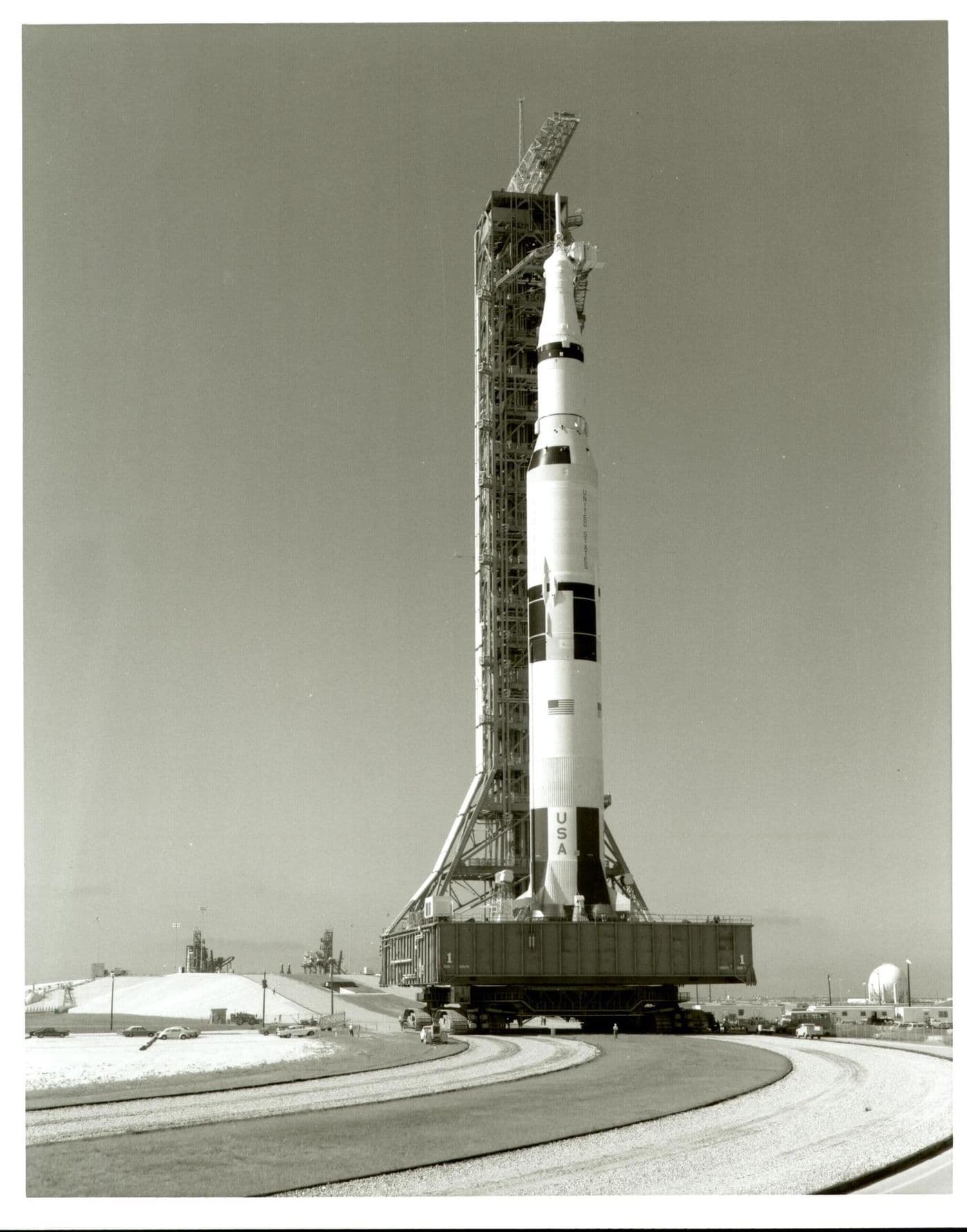
Apollo
The Apollo program (1961–1972) was the American crewed Moon-landing program led by NASA. It comprised 11 crewed missions and culminated in the first human Moon landing with Apollo 11, followed by five more successful landings.
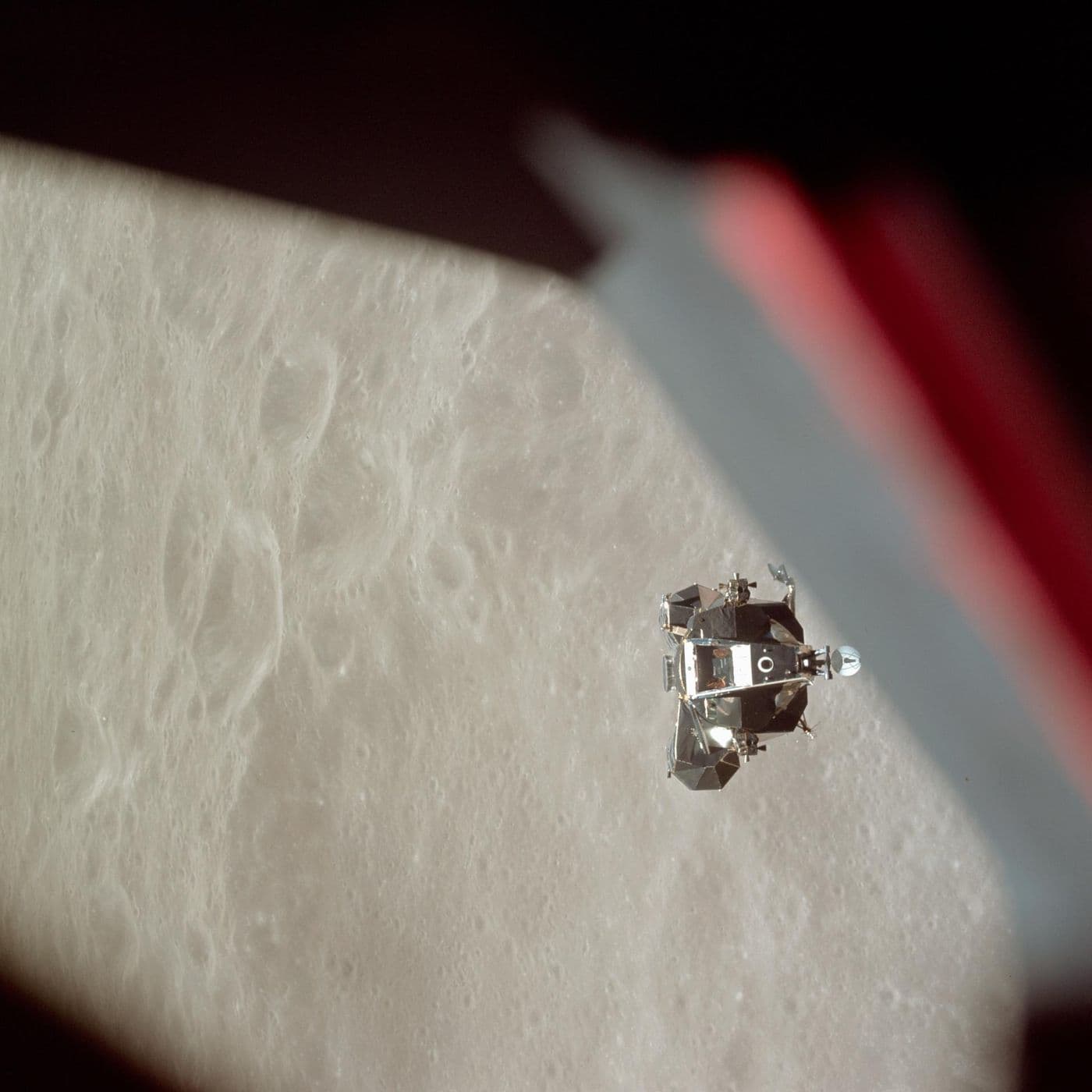
Apollo 10
Apollo 10 was the dress rehearsal for the Moon landing in May 1969. Stafford and Cernan descended in the Lunar Module to about 15 km above the surface, while Young remained in the Command Module in lunar orbit.
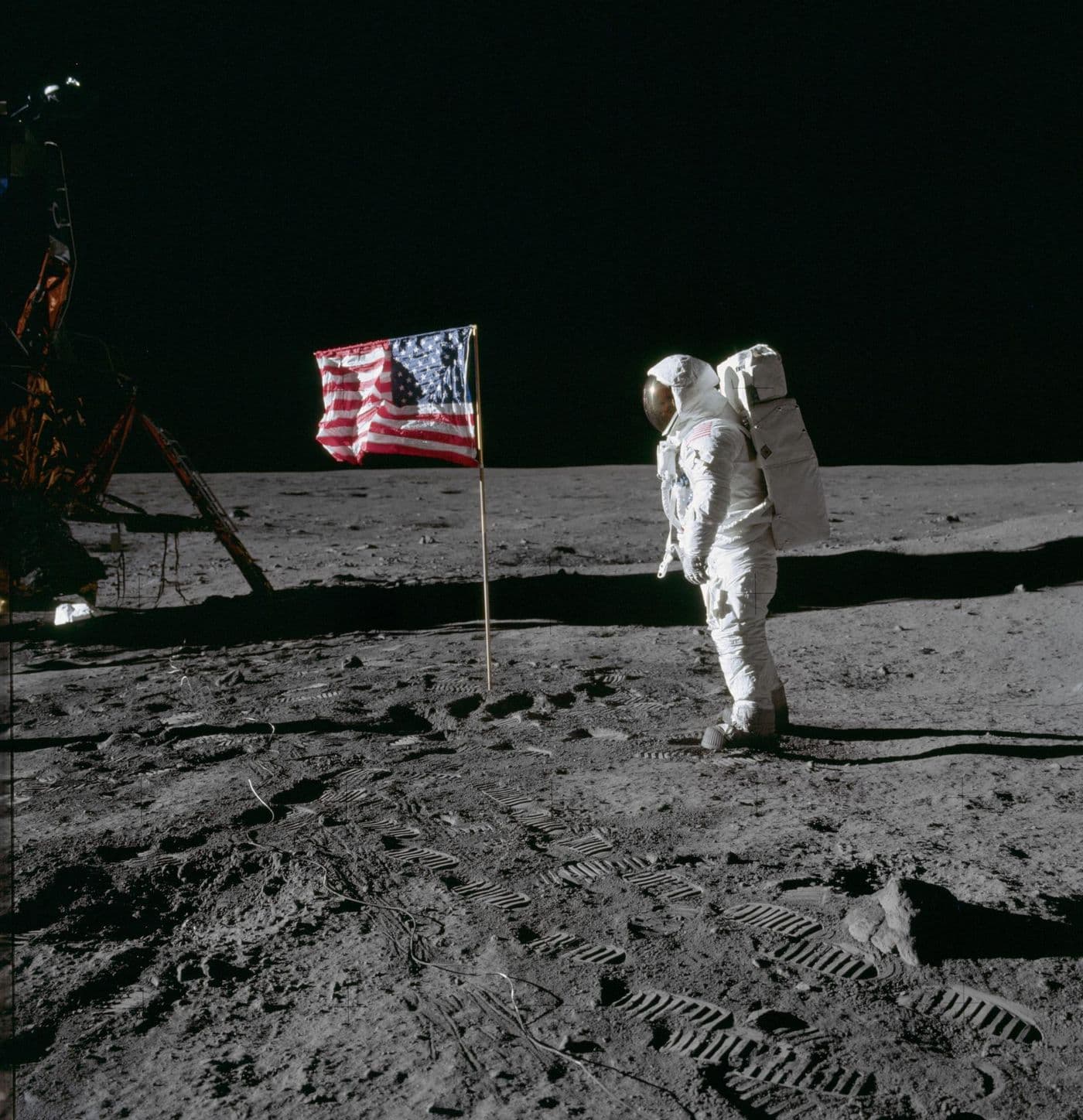
Apollo 11
Apollo 11 fulfilled President Kennedy’s commitment to land a human on the Moon before the end of the 1960s. Eagle landed on 20 July 1969; Armstrong’s first step followed at 02:56 UTC on 21 July, still 20 July in the United States.
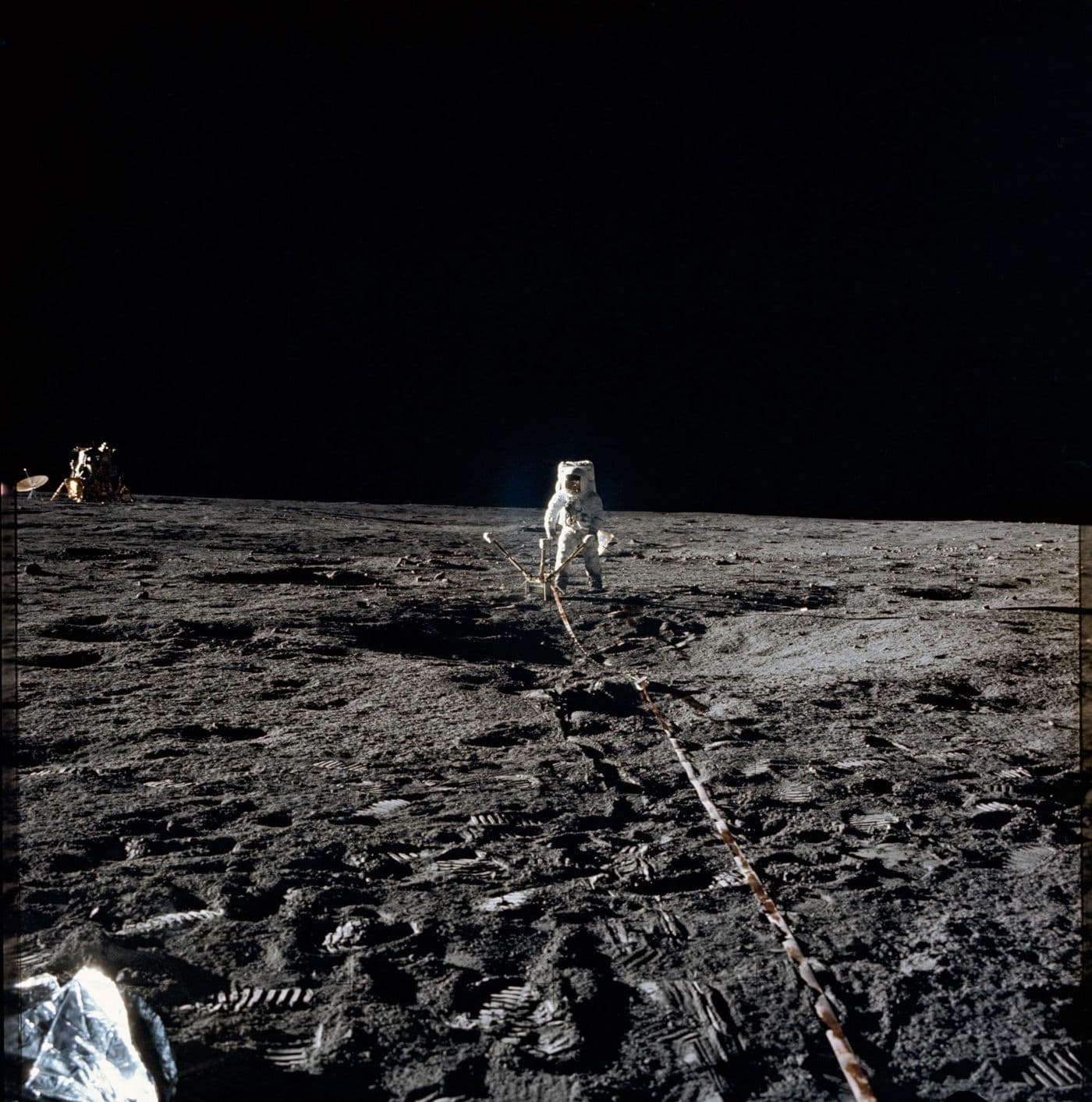
Apollo 12
Apollo 12 was the second crewed Moon landing, in November 1969. Conrad, Gordon and Bean landed within walking distance of the Surveyor 3 probe and returned parts of it to Earth.
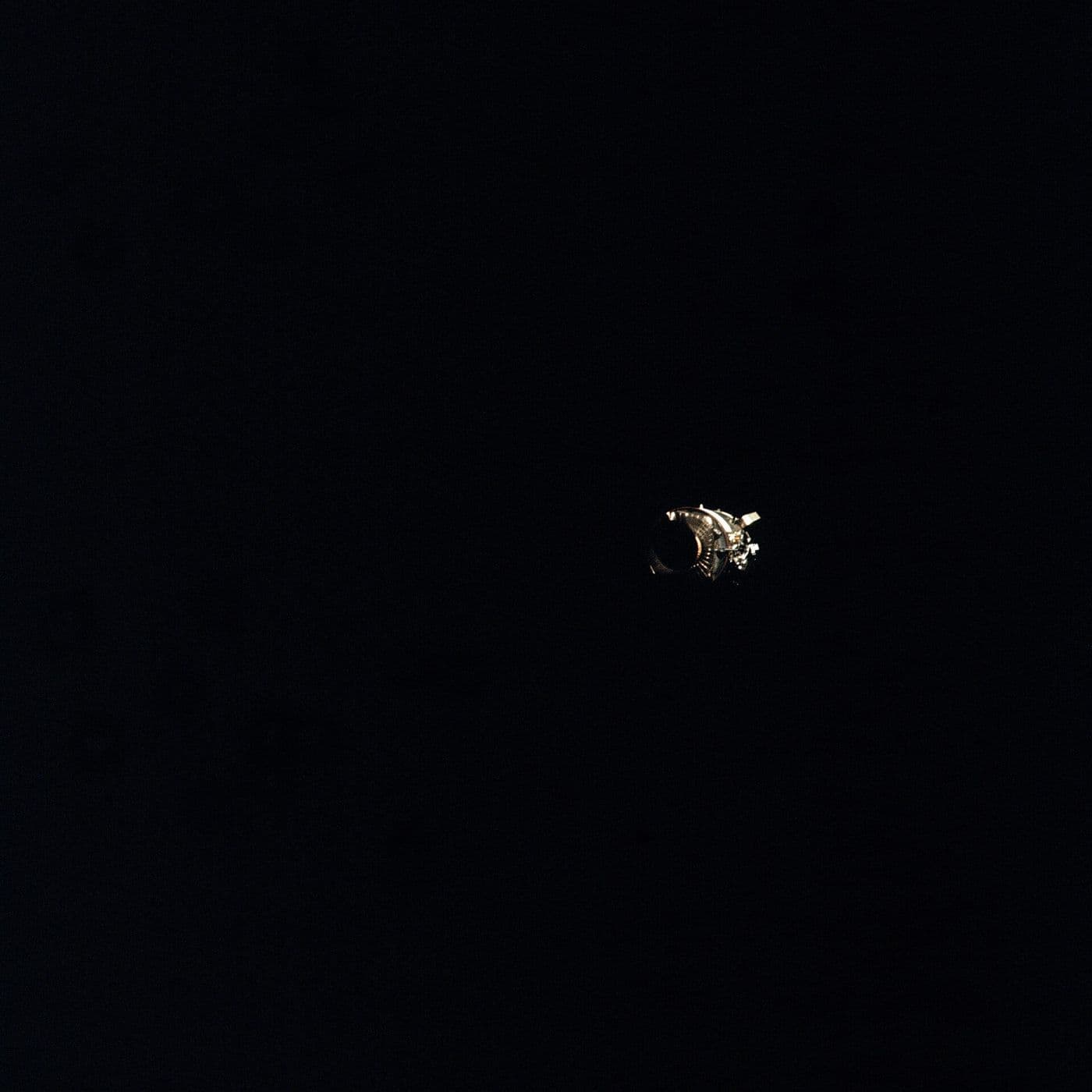
Apollo 13
Apollo 13, launched in April 1970, was NASA's third crewed Moon-landing attempt. An oxygen tank explosion crippled the spacecraft en route to the Moon, and the crew survived by turning the lunar module into a lifeboat for the journey back to Earth.
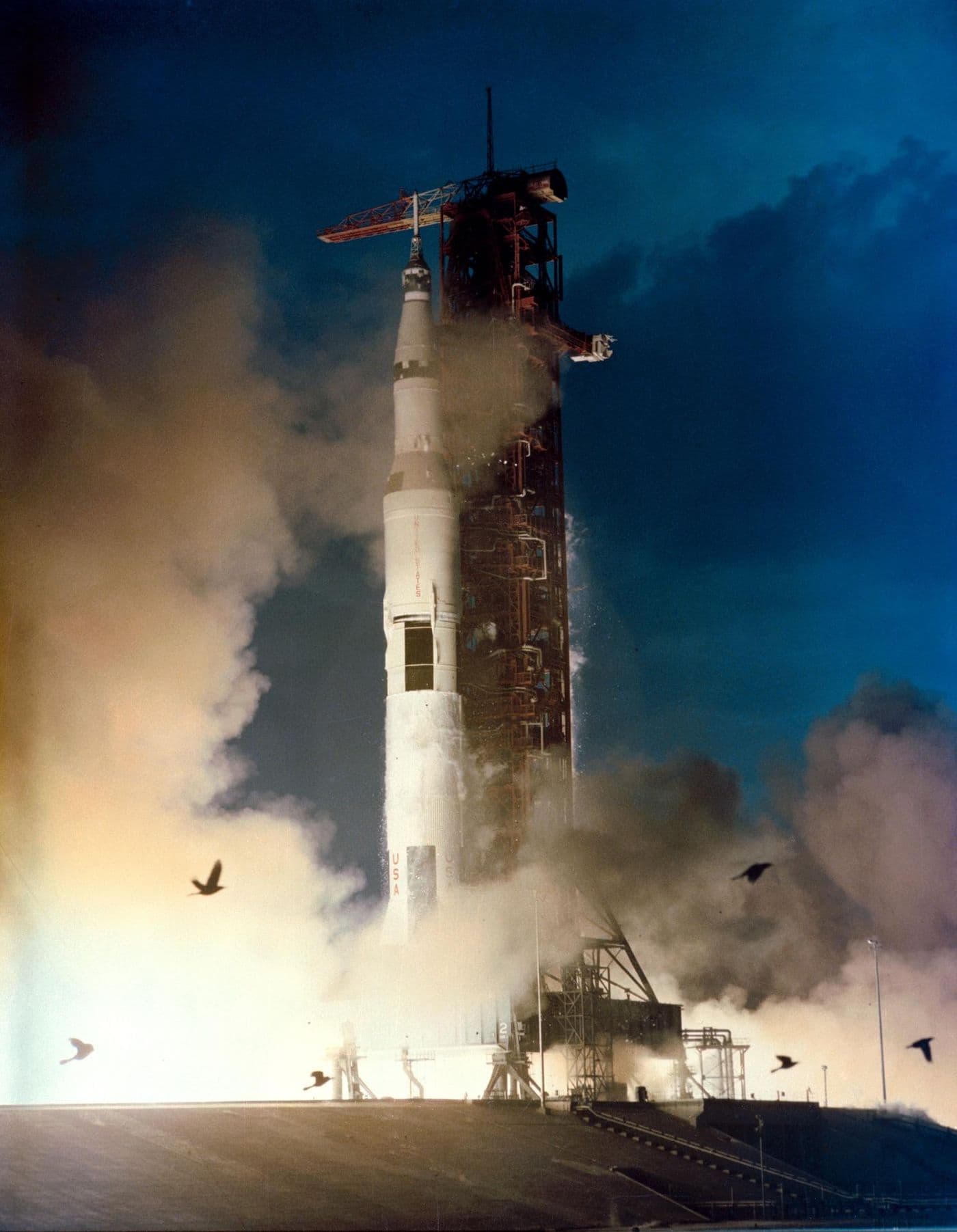
Apollo 14
Apollo 14, in January–February 1971, resumed crewed Moon landings after the Apollo 13 accident. Commander Alan Shepard, the first American in space, became at 47 the oldest person to walk on the Moon — and famously hit golf balls there.
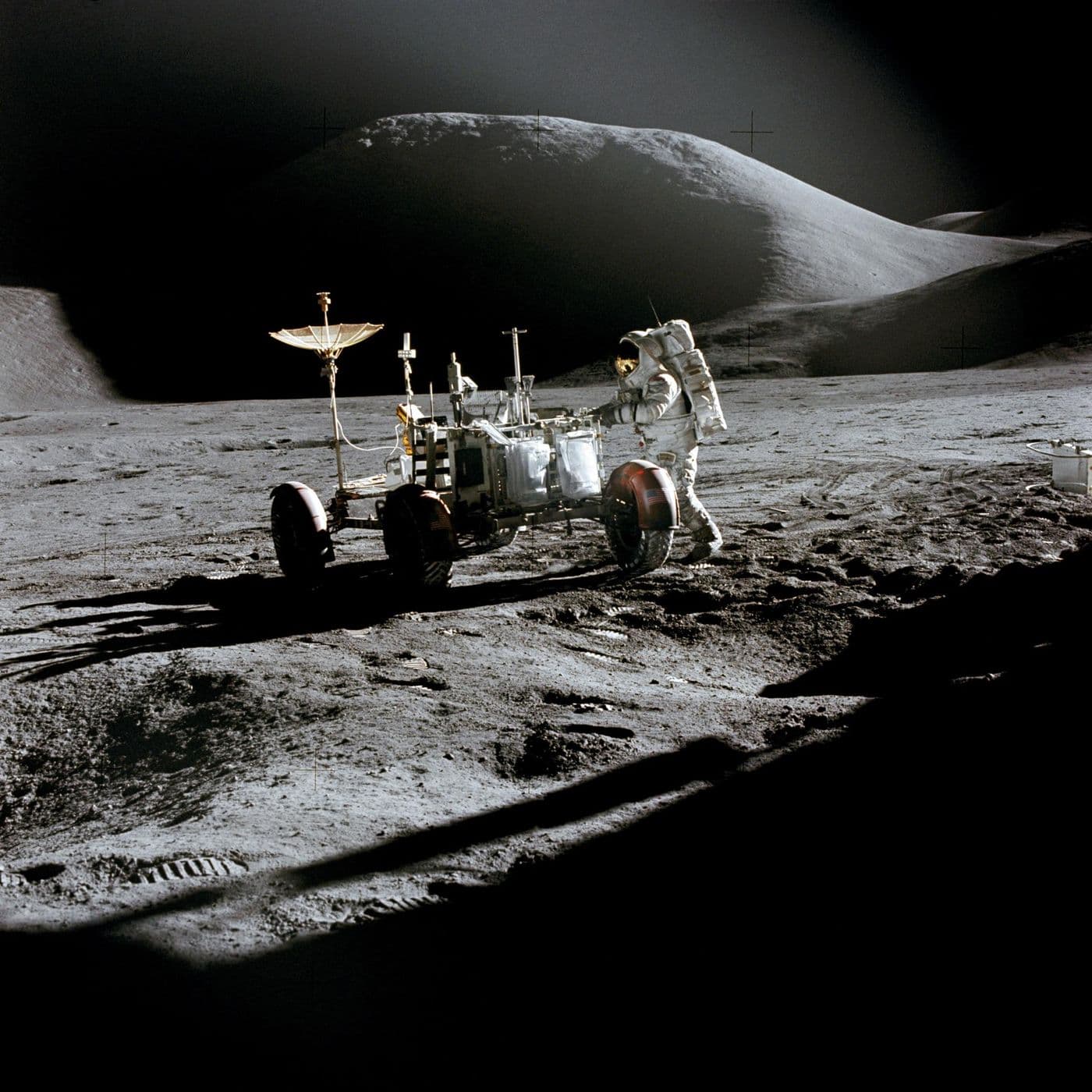
Apollo 15
Apollo 15, in July 1971, was the first mission with a lunar rover. Scott, Worden and Irwin spent three days at the foot of the lunar Apennines and returned over 77 kg of rock, including the famous “Genesis Rock”.
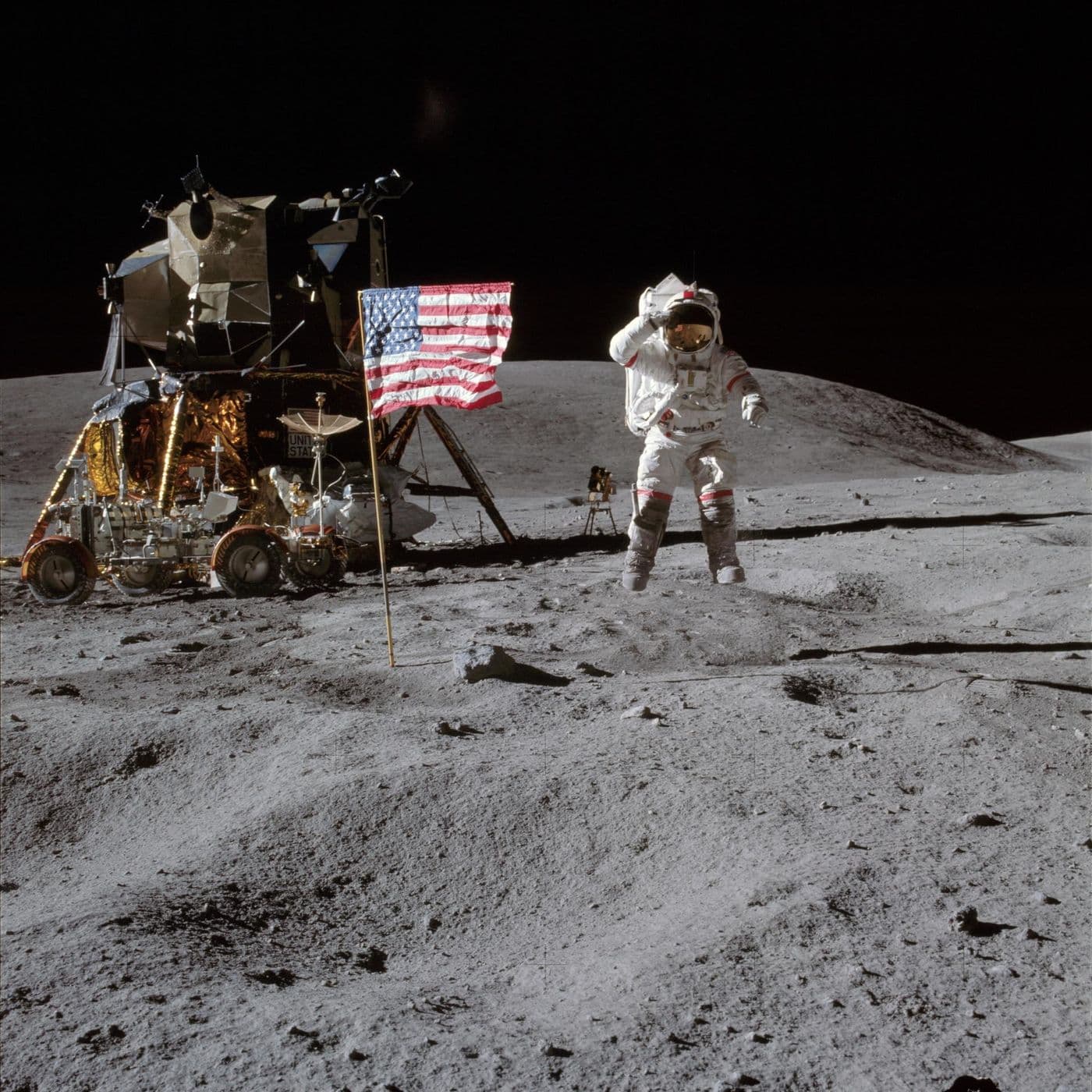
Apollo 16
Apollo 16 landed in April 1972 in the lunar highlands — the Descartes region. Young, Mattingly and Duke explored the plateau by rover, a region scientists had wrongly believed to be volcanic.
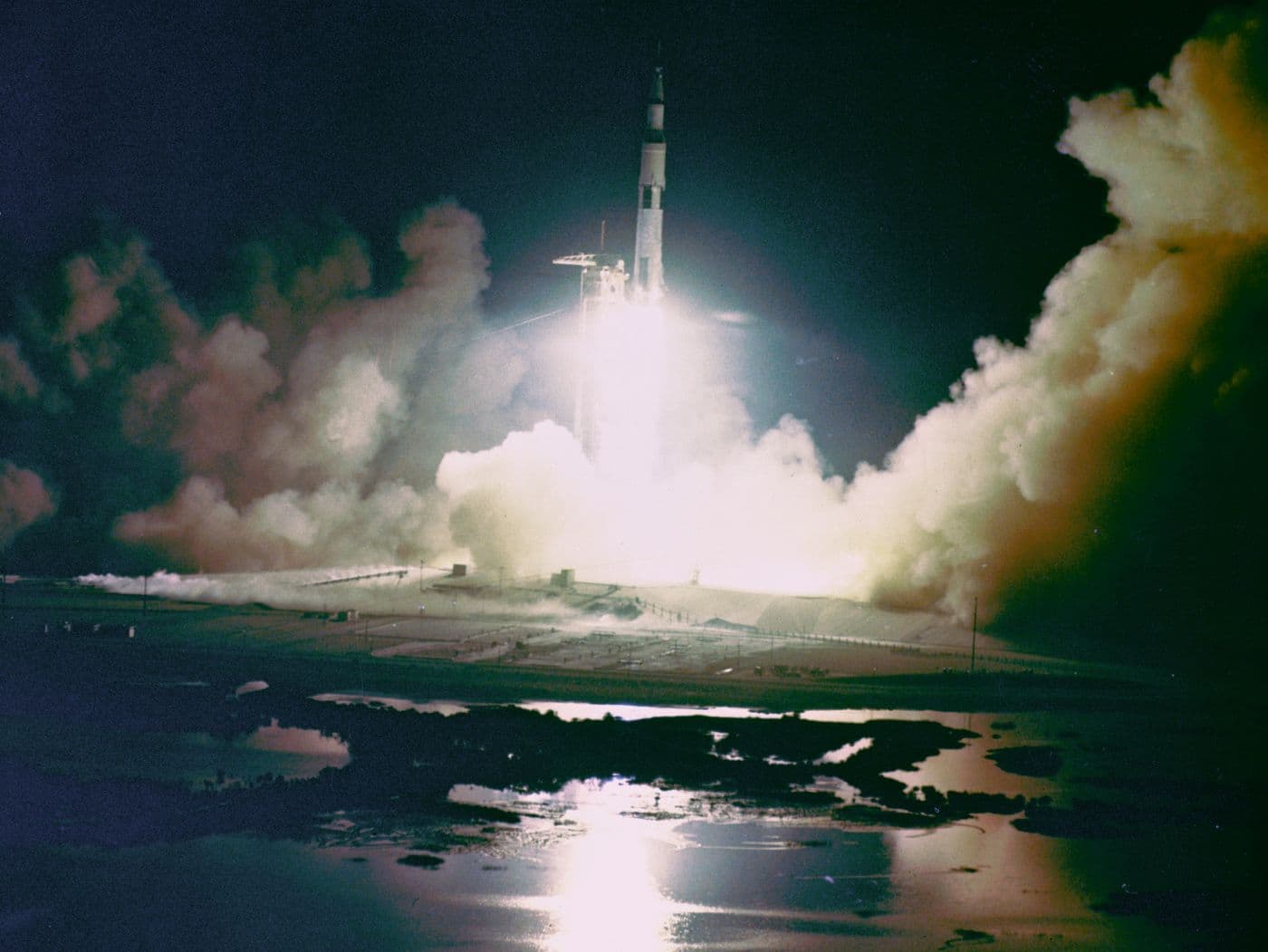
Apollo 17
Apollo 17 (December 1972) was NASA's final crewed Moon landing and remains, to date, humanity's most recent visit to the lunar surface. Commander Eugene Cernan and geologist Harrison Schmitt spent three days at Taurus-Littrow, while Ronald Evans orbited above.
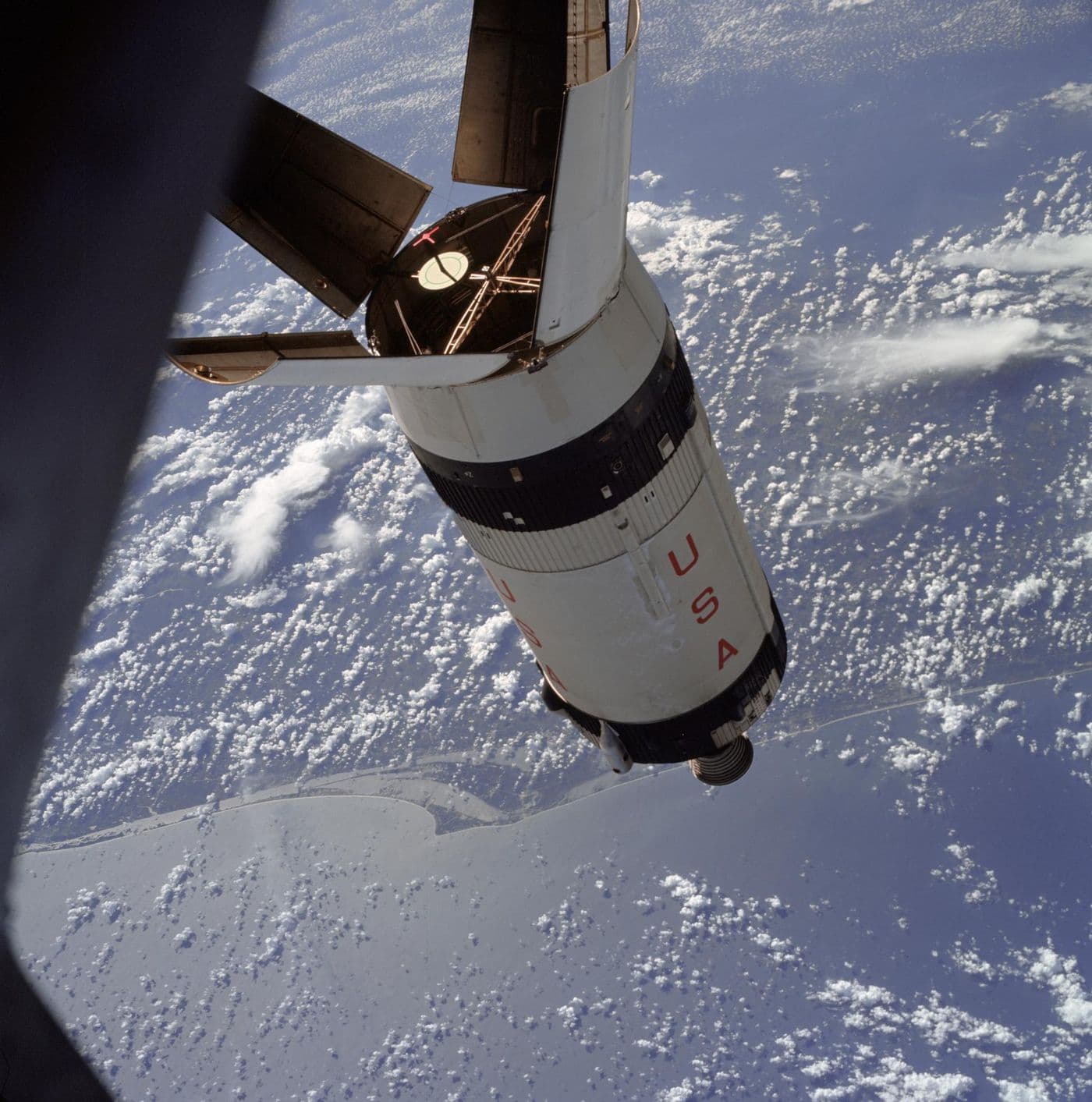
Apollo 7
Apollo 7, in October 1968, was the first crewed flight of the Apollo program. Schirra, Eisele and Cunningham tested the command and service module in Earth orbit and broadcast the first live television from a US spacecraft.
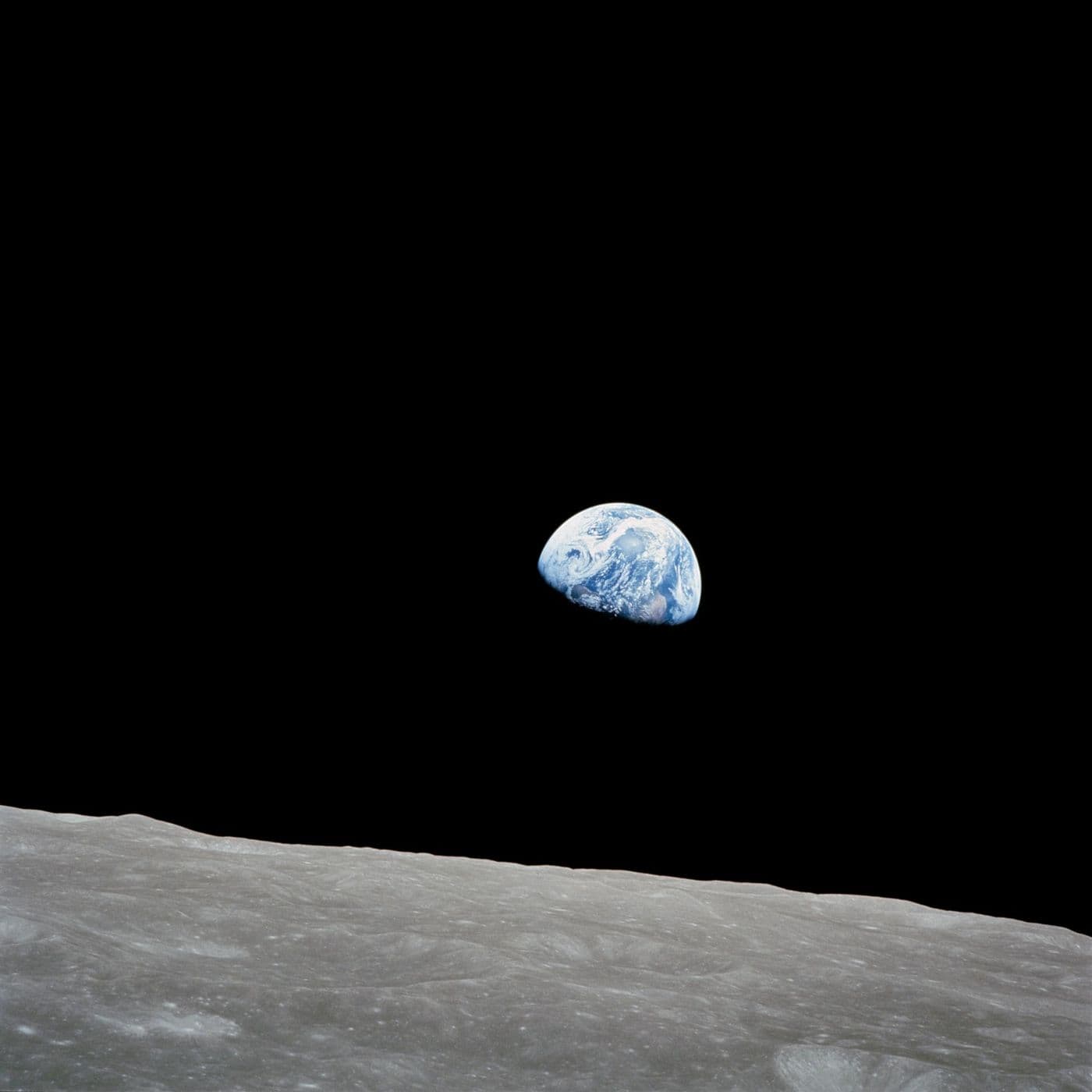
Apollo 8
Apollo 8 was the first crewed mission to leave Earth orbit and circle the Moon, in December 1968. The crew — Borman, Lovell and Anders — read from Genesis on Christmas Eve and took the famous Earthrise photograph.
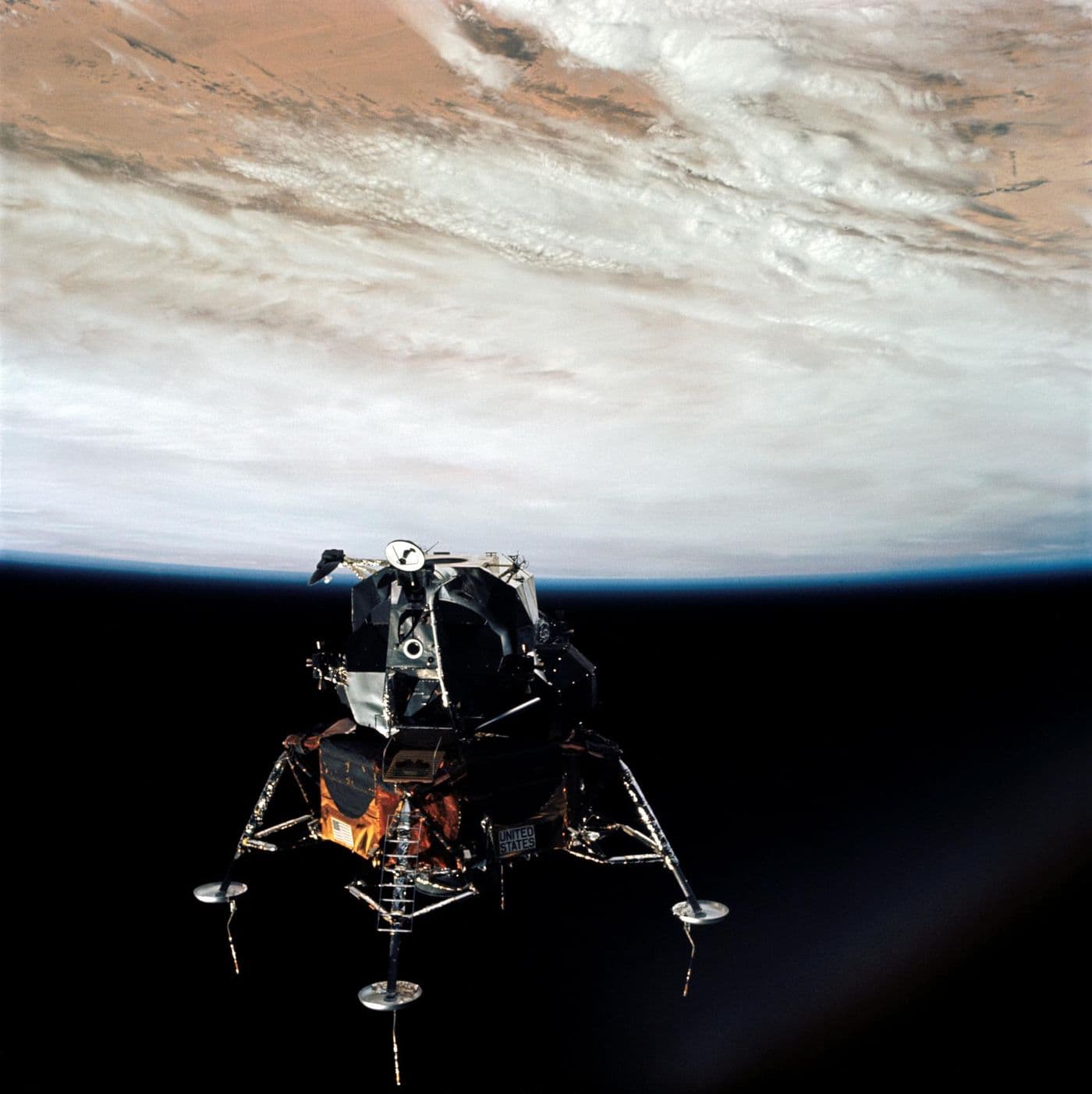
Apollo 9
Apollo 9, in March 1969, was the first crewed test of the lunar module — safely in Earth orbit. McDivitt, Scott and Schweickart rehearsed the rendezvous and docking of the two craft, essential for the later Moon landing.
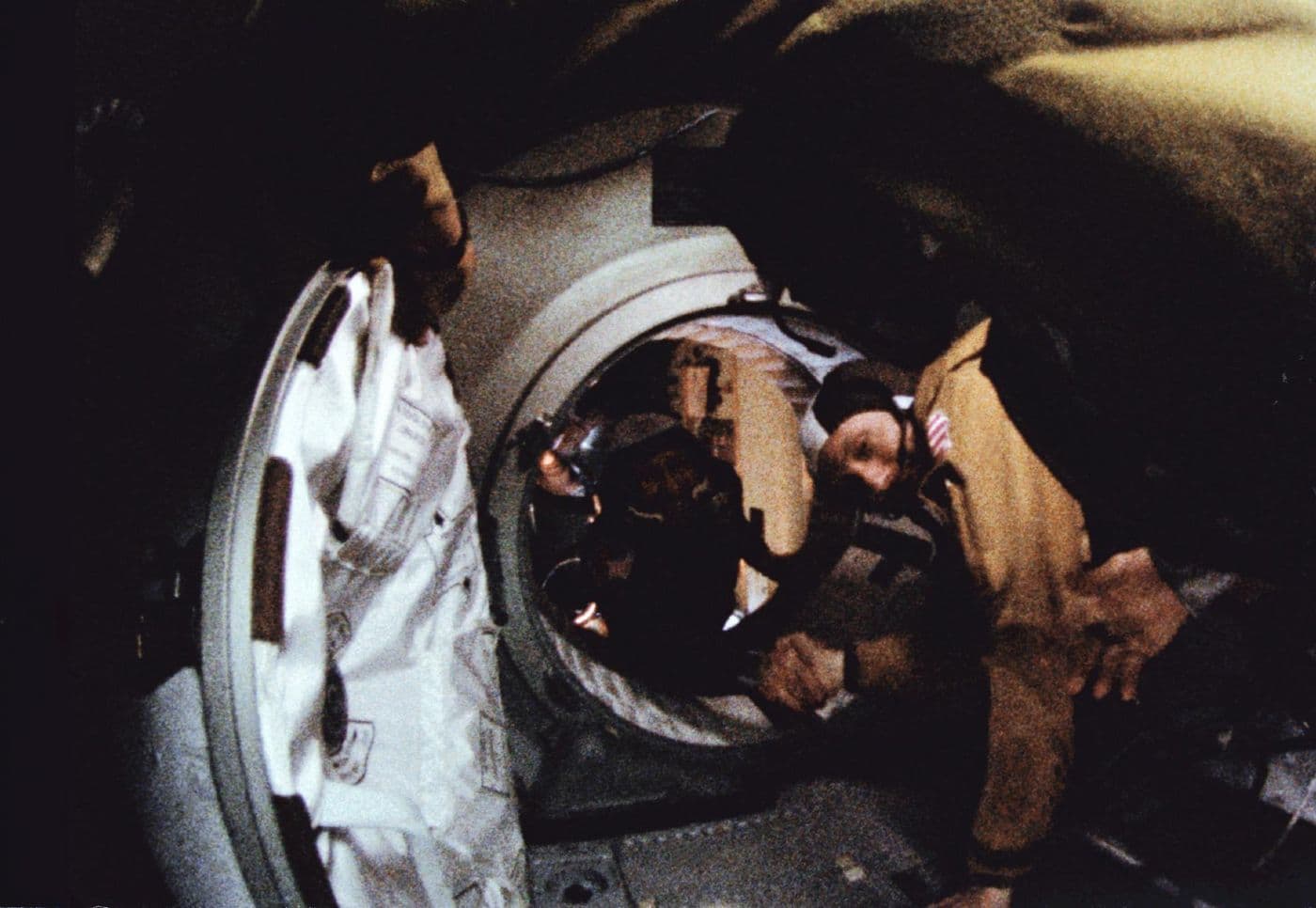
Apollo–Soyuz
Apollo–Soyuz (ASTP) was the first joint Soviet–American crewed flight, on 15–24 July 1975. The American Apollo docked with the Soviet Soyuz 19 and Tom Stafford shook hands with Alexei Leonov — the first international docking and a symbolic end to the space race.
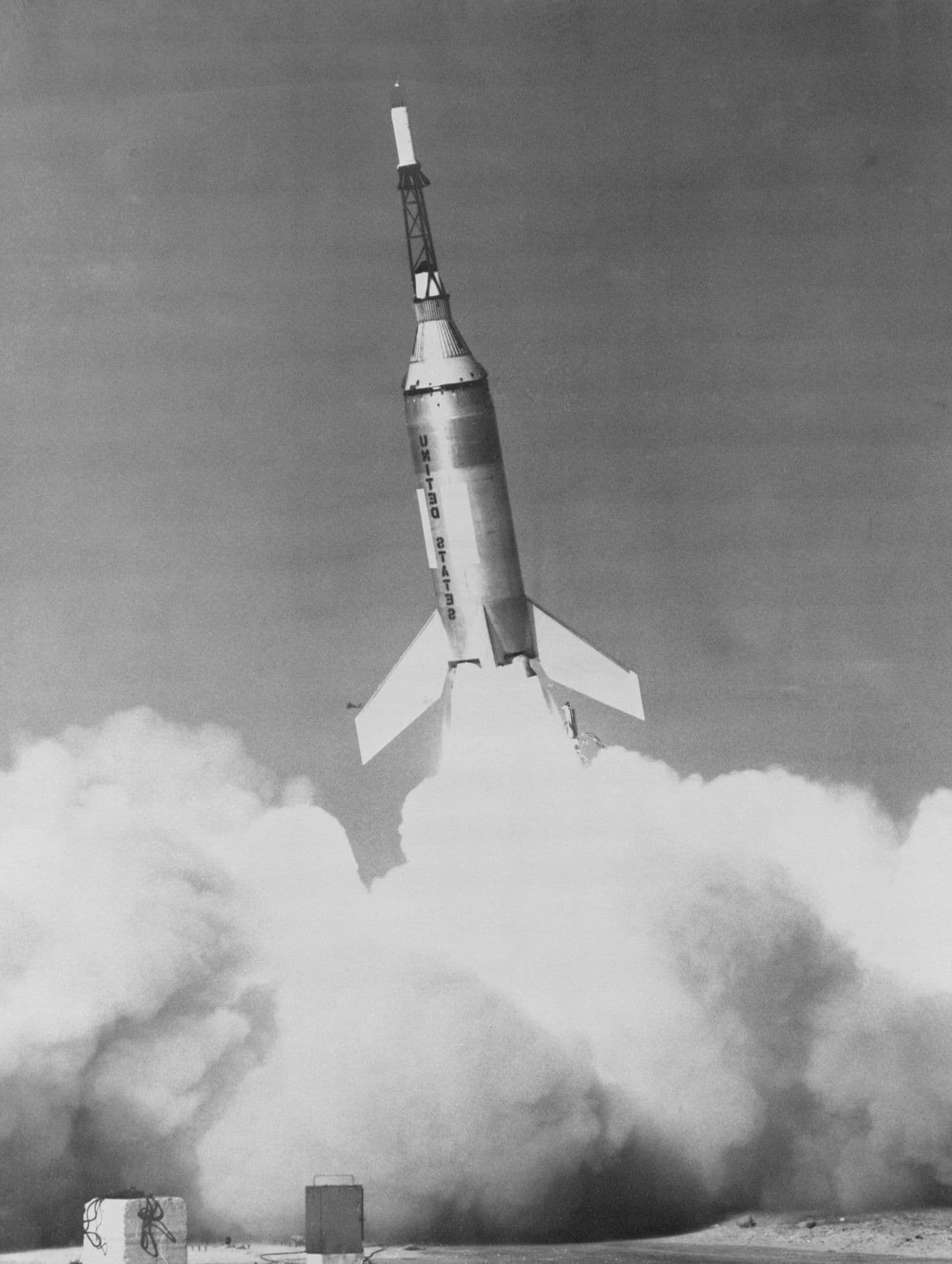
Escape and Backup Systems in Spaceflight
From the LES tower atop Apollo, through the Soviet SAS, to the entire Gemini program serving as a backup for Apollo — the space race was as much a race in redundancy as in technology.
Lunar Roving Vehicle (LRV)
An electric vehicle that expanded Apollo crews’ range on the Moon from Apollo 15 onward.
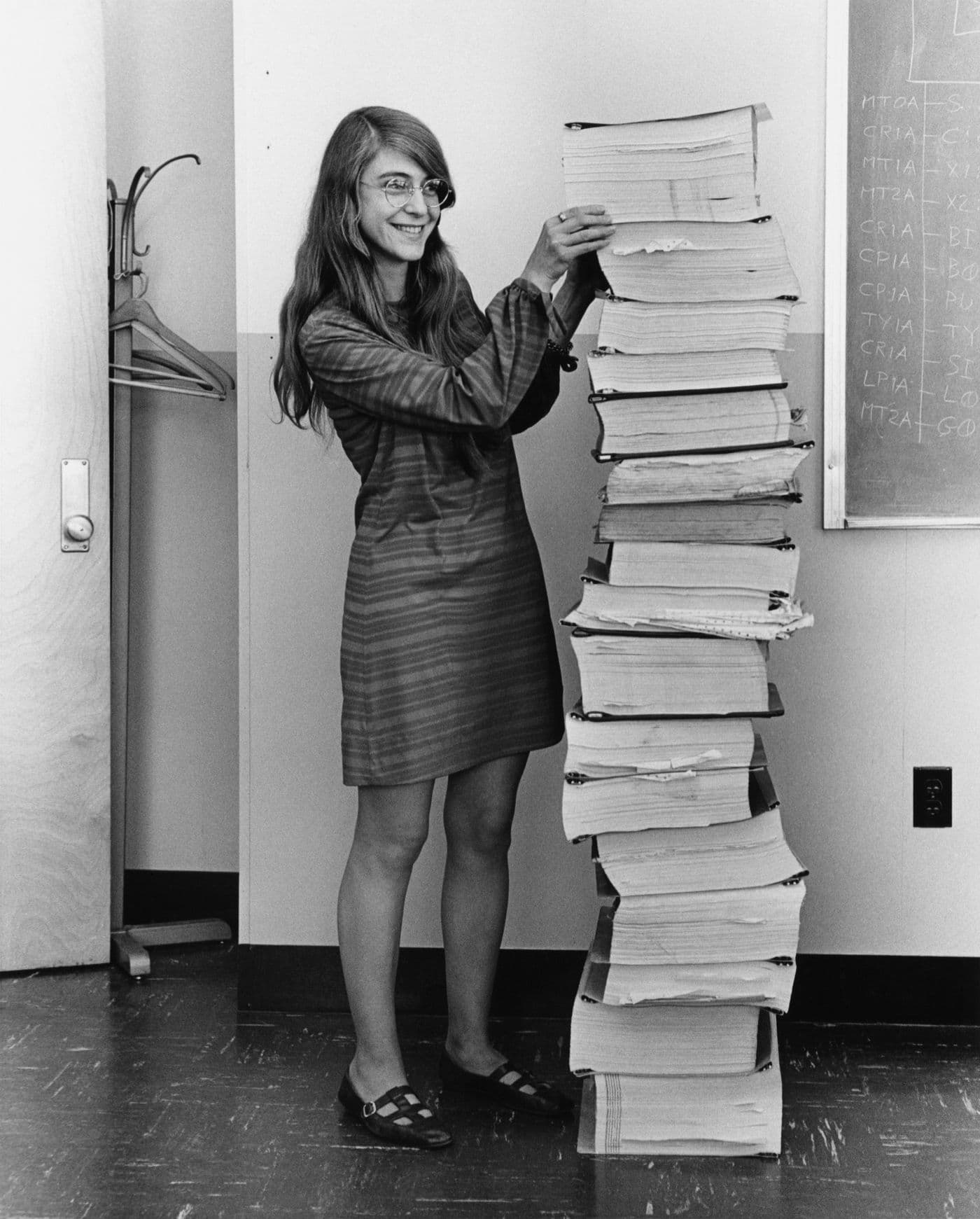
Margaret Hamilton
A pioneer of software engineering who led Apollo flight software development and helped establish software reliability as an engineering discipline.
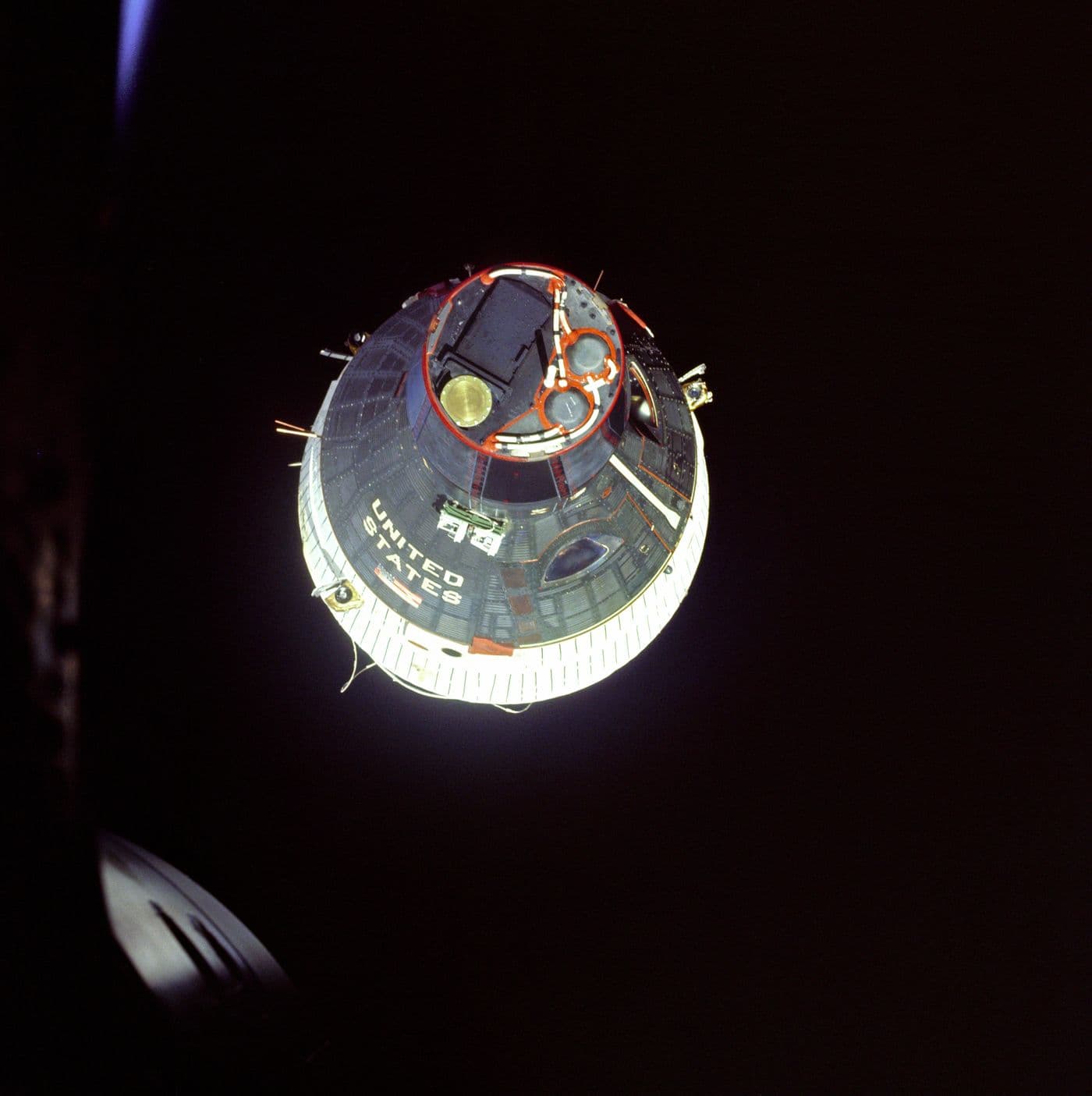
Project Gemini
Project Gemini (1965–1966) bridged Mercury and Apollo — ten crewed flights that trained orbital docking, spacewalks, and long-duration crew survival in space.
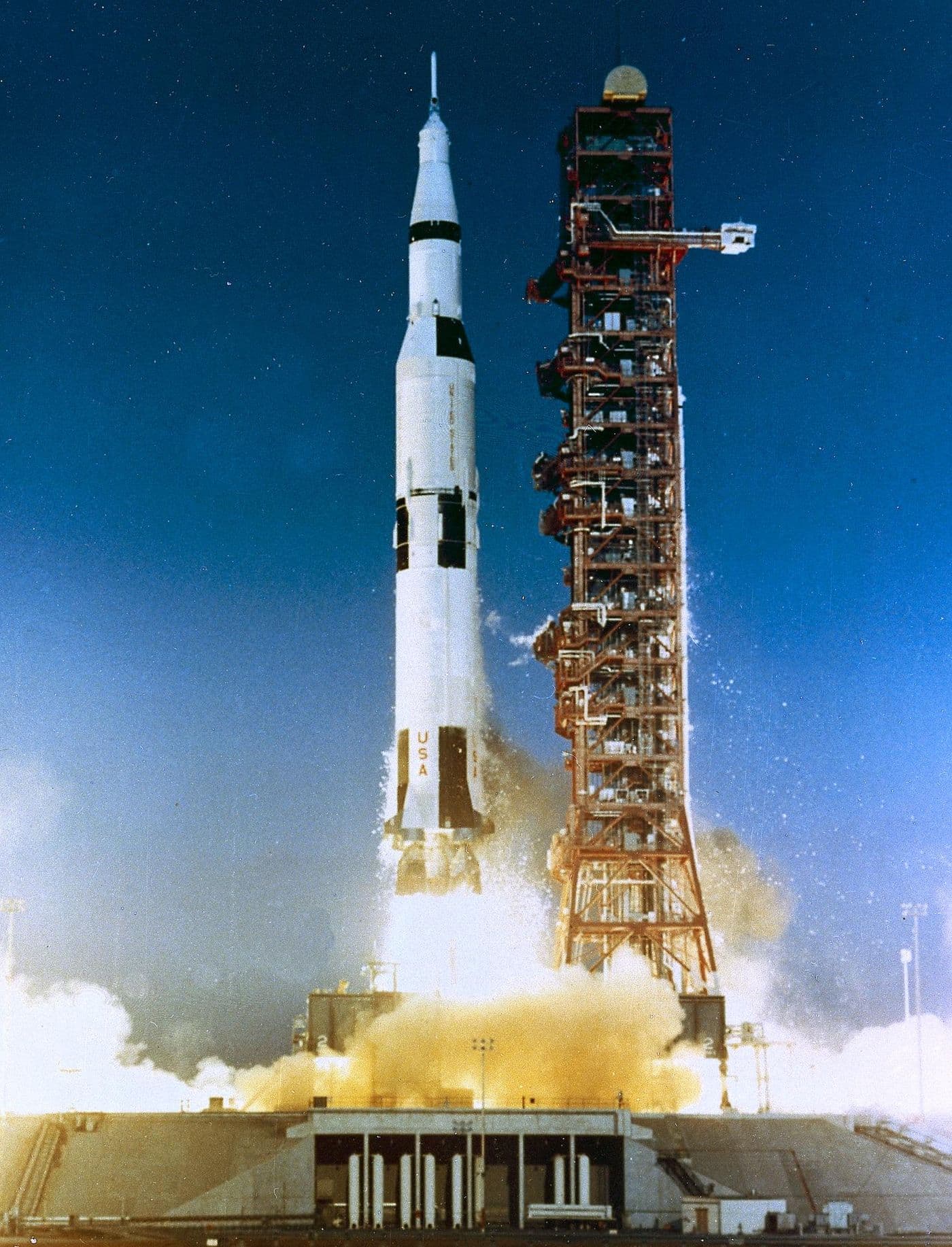
Saturn V
The super-heavy launch vehicle of the Apollo program — three stages, 110.6 meters tall, and nearly three thousand tons at liftoff.
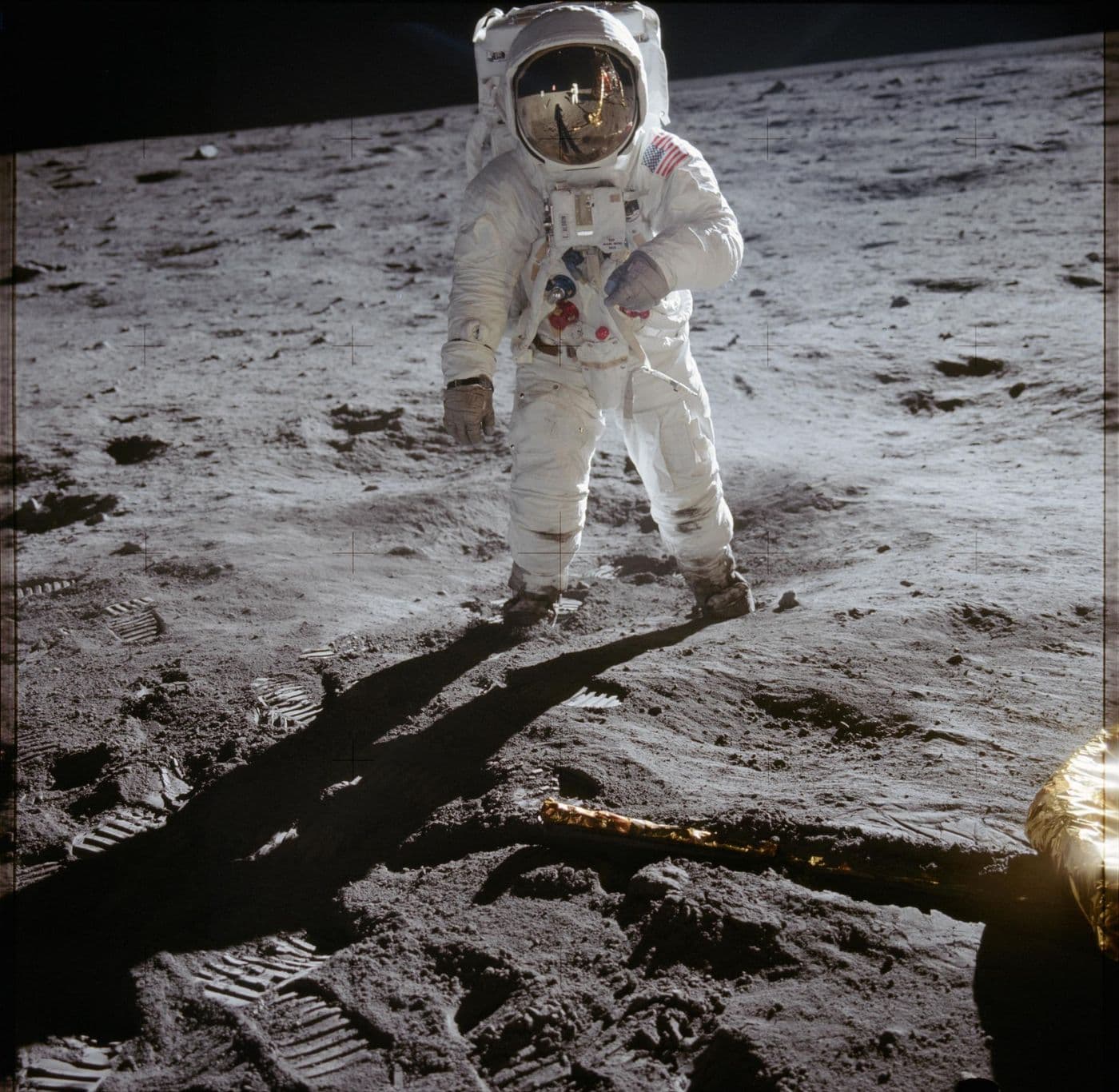
A7L Spacesuit
Twenty-one layers of fabric, rubber, and film, hand-sewn by seamstresses at ILC Dover — a manufacturer of Playtex undergarments. The A7L Spacesuit was a miniature spacecraft in its own right: it protected against vacuum, temperatures from −156 to +121 °C, and micrometeoroids.
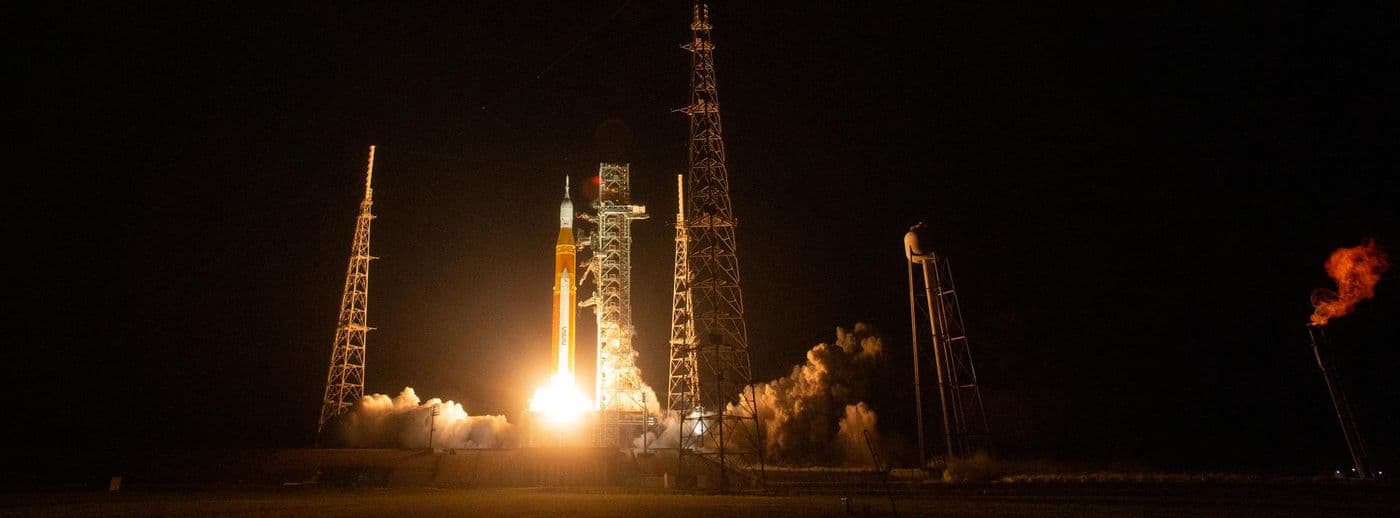
Artemis I: the test that returned Orion to the Moon
Artemis I was the uncrewed test of the SLS rocket and Orion spacecraft. In 25 days it looped around the Moon, travelled farther than any spacecraft designed for people, and exposed a heat-shield problem that changed later Artemis flights.
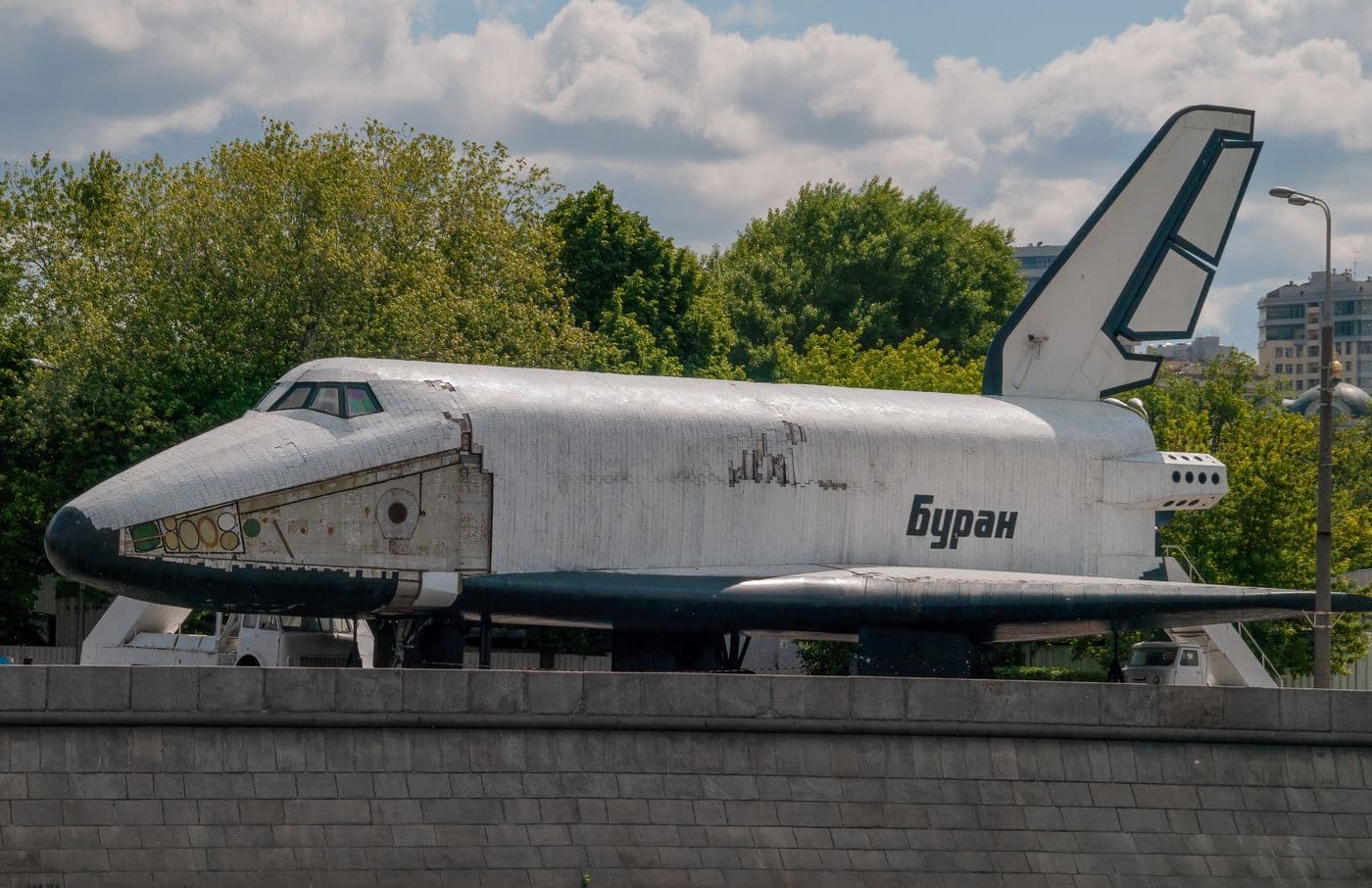
Buran
Buran was the Soviet shuttle programme whose only orbital flight took place in 1988, uncrewed and fully automated.
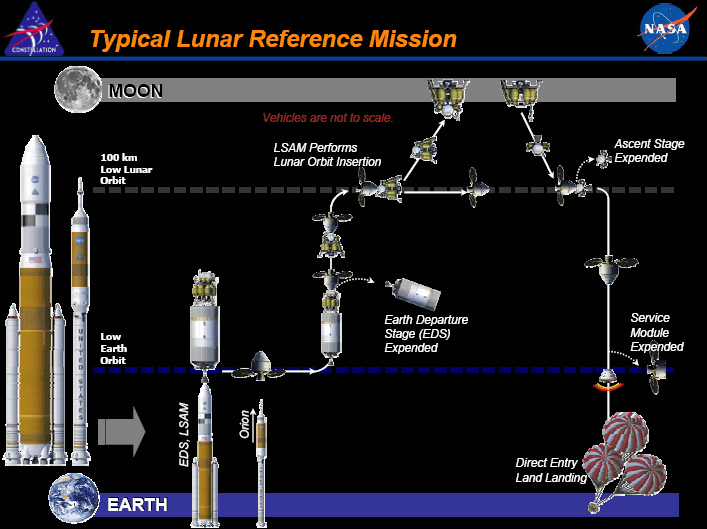
Constellation Program
Constellation was intended to restore U.S. lunar missions after the Space Shuttle through Orion, the Ares launchers, and the Altair lunar lander.
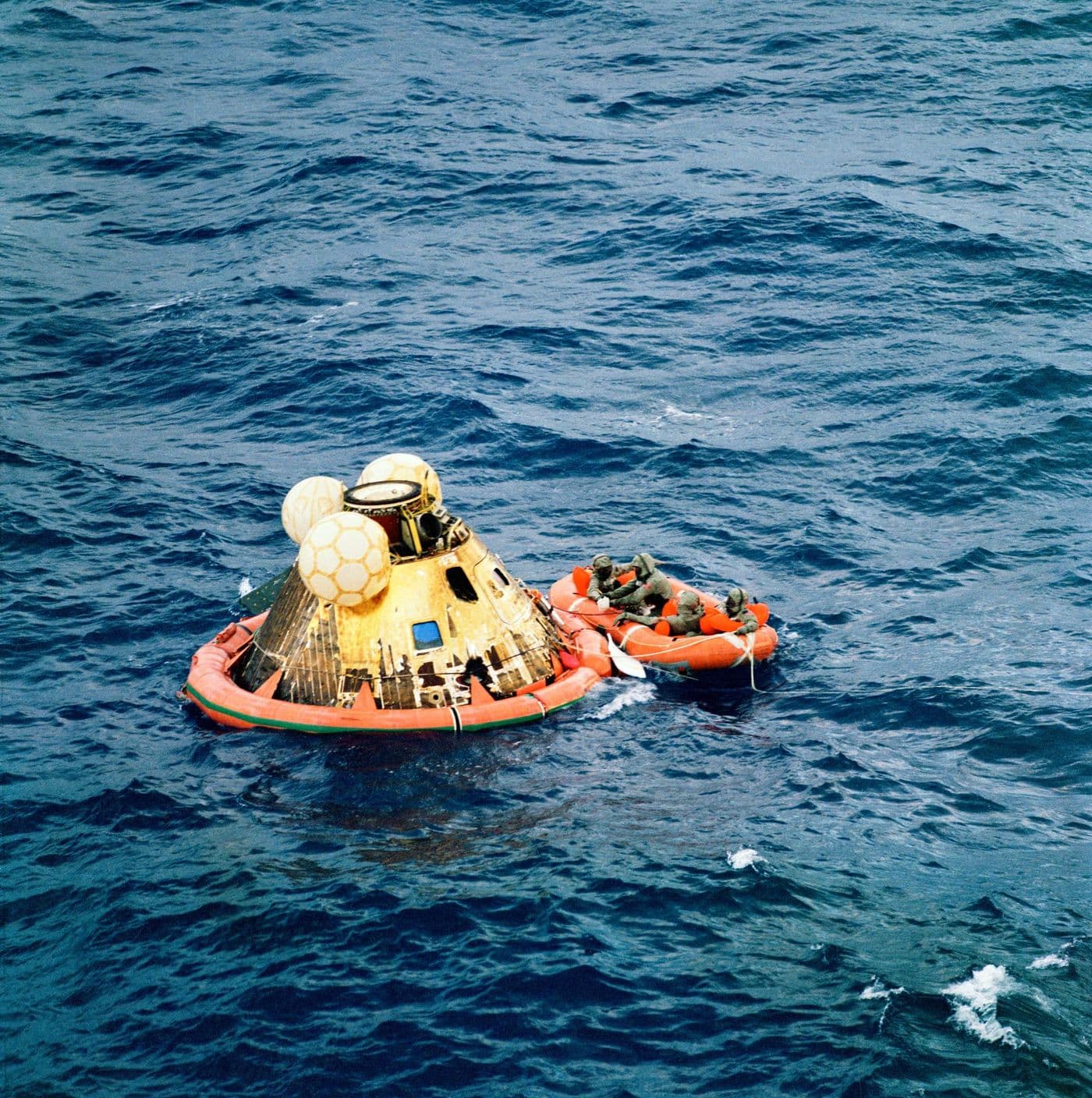
CSM Columbia
The Command/Service Module (CSM) built by North American Rockwell was home to three astronauts for the entire mission. The cone-shaped command module is the only part of the entire 110-meter stack that returned to Earth.
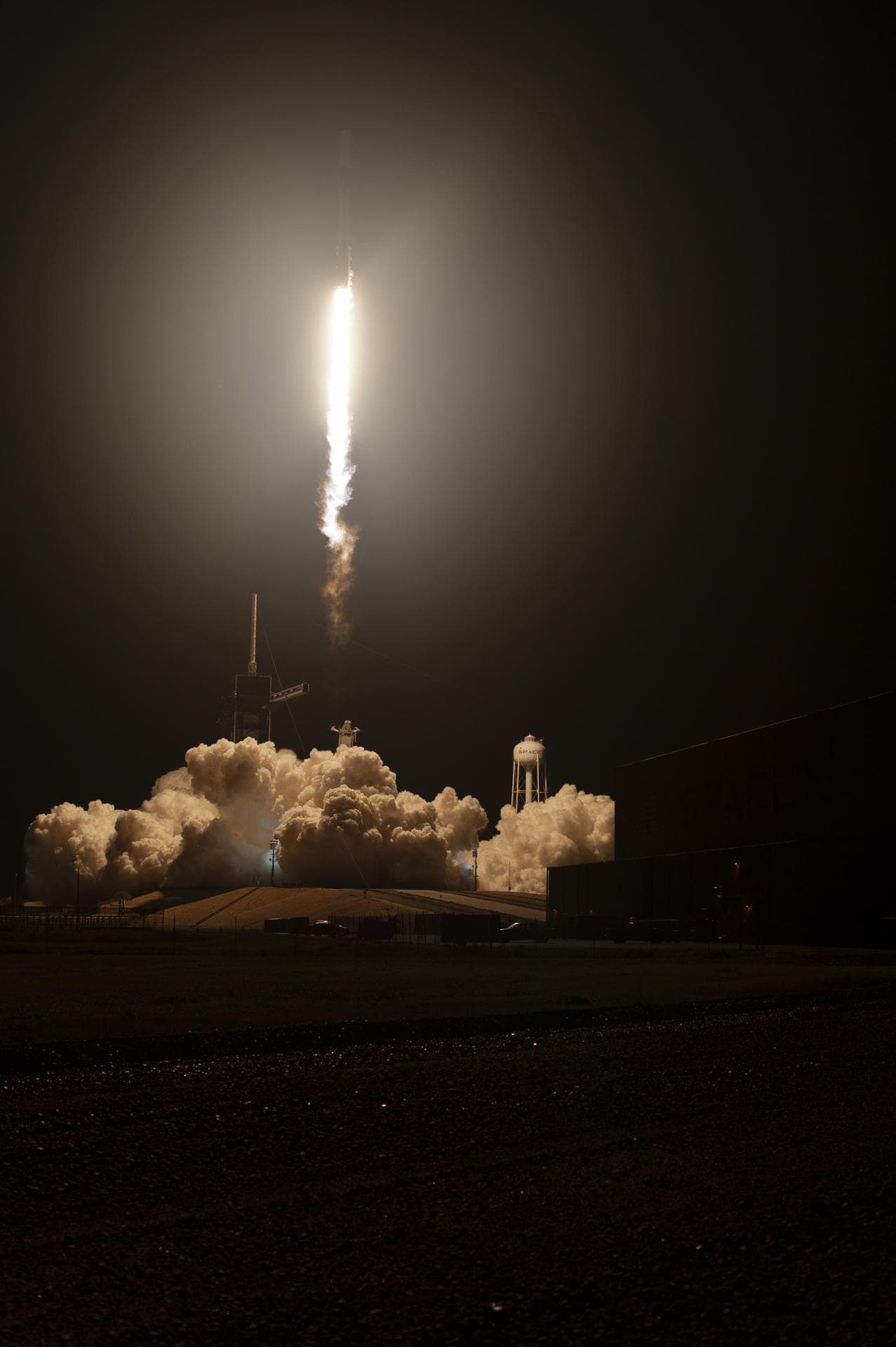
Falcon 9
Falcon 9 is a partially reusable launch vehicle built by the American company SpaceX that has transformed spaceflight since 2010. It was the first liquid-fuelled orbital rocket able to return its first stage to Earth and land it vertically after launch — and then fly that same stage again. This radically lowered the cost of reaching orbit and has made Falcon 9 the most frequently flown rocket of our time; it launches Starlink satellites and the Dragon spacecraft carrying crew and cargo to the International Space Station.
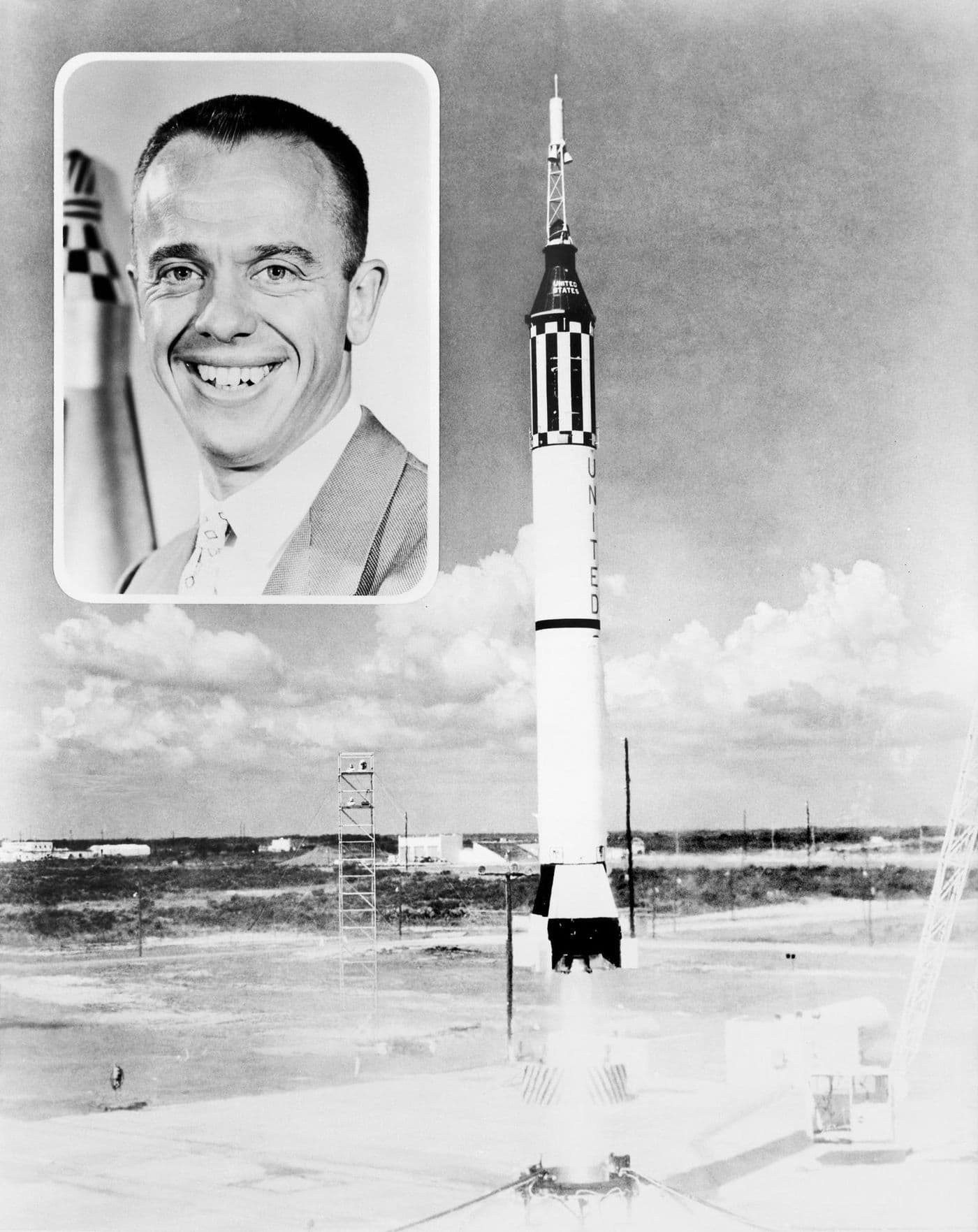
Freedom 7
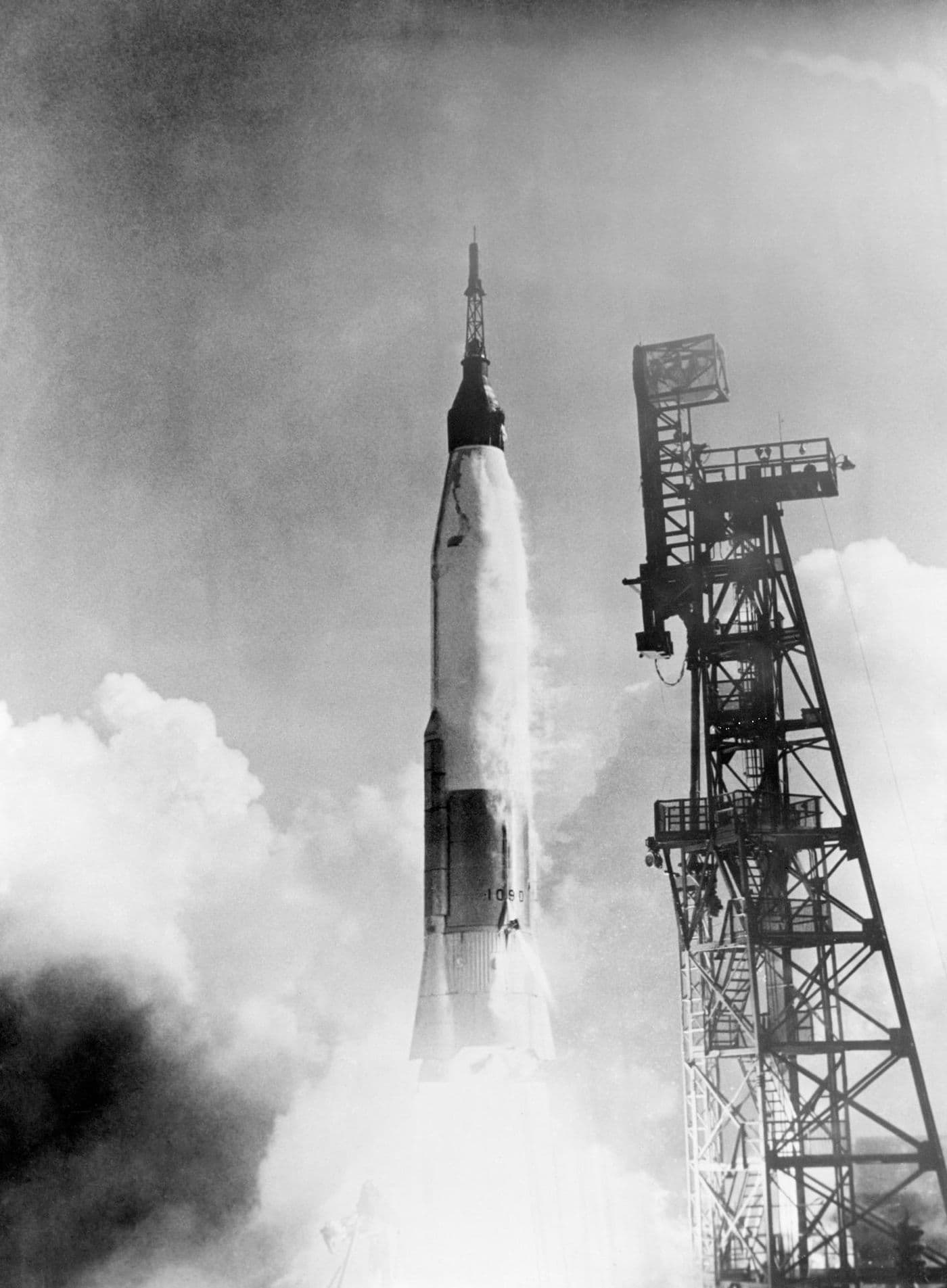
Freedom 7 sent Alan Shepard on a 15-minute suborbital flight on 5 May 1961 — the first American in space, 23 days after Gagarin. The Mercury capsule reached 187 km and splashed down in the Atlantic.
Friendship 7
Friendship 7 carried John Glenn around Earth three times on 20 February 1962 — the first American orbital spaceflight. The nearly five-hour mission made Glenn a national hero.
Gemini 4
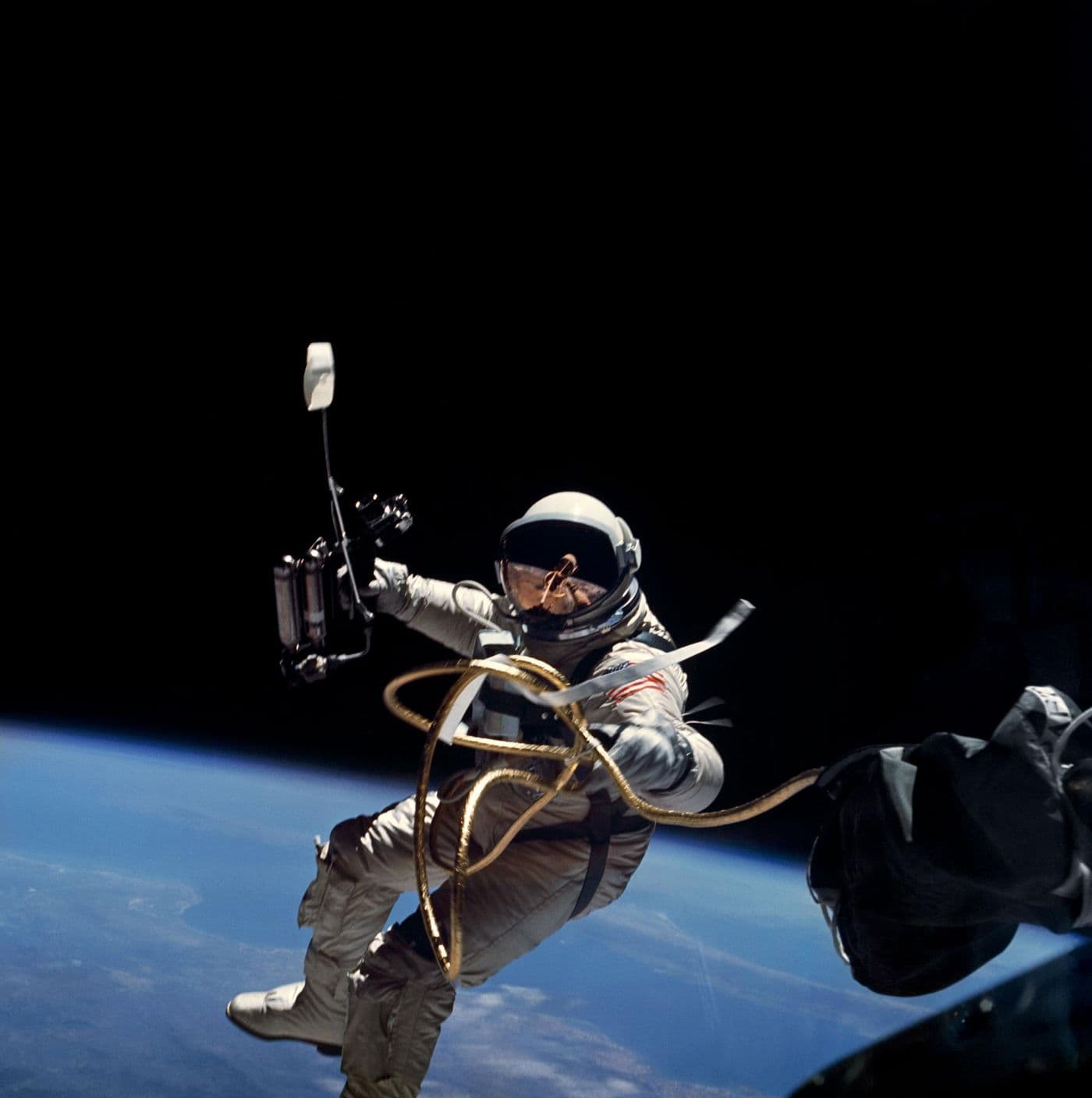
Gemini 4, in June 1965, brought the first American spacewalk — Ed White spent 23 minutes outside the spacecraft. The four-day flight with James McDivitt was also the longest American flight to date.
Gemini 5
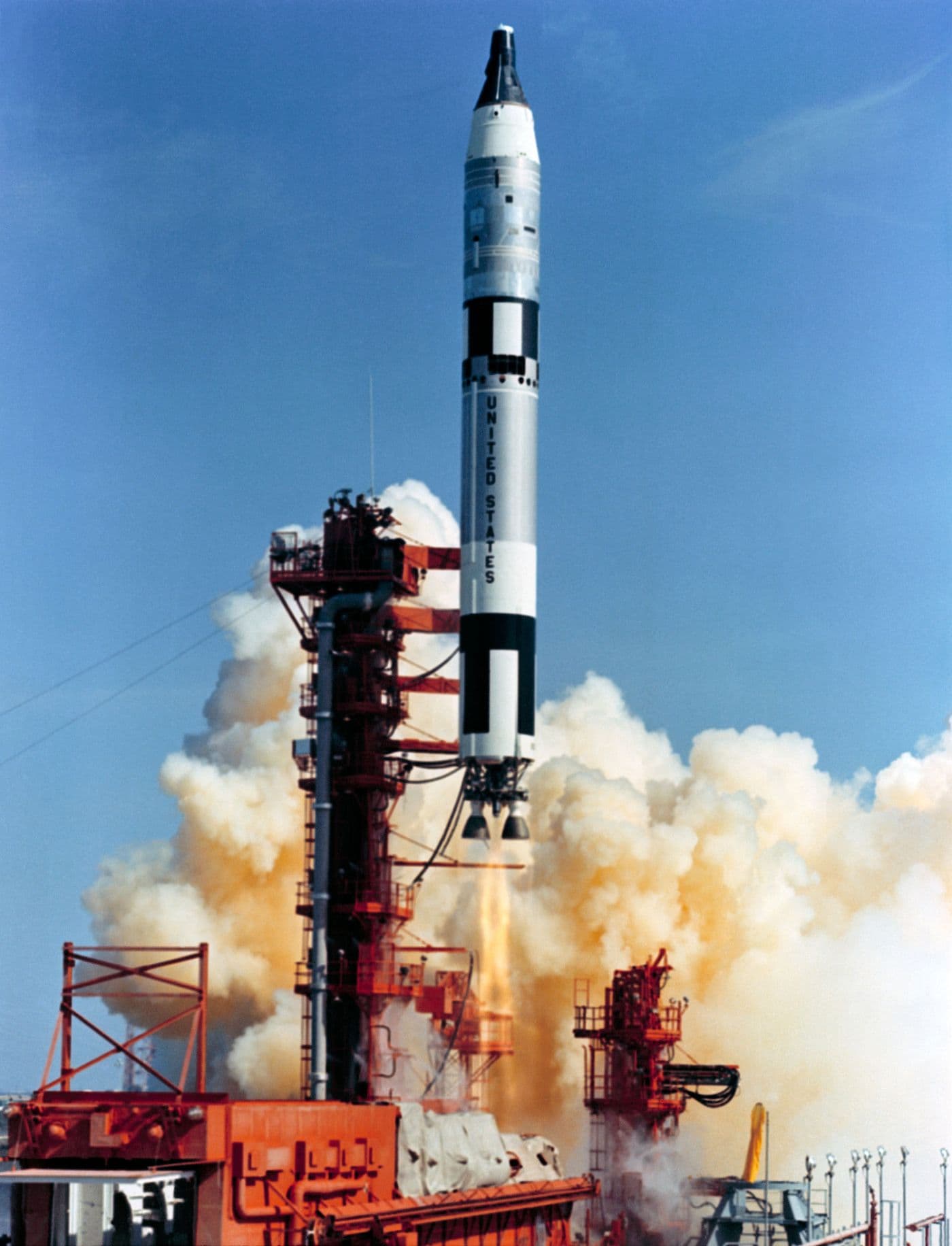
Gemini 5 was NASA’s first eight-day crewed mission, testing long-duration flight, rendezvous procedures and the systems that would support later lunar missions.
Gemini 8
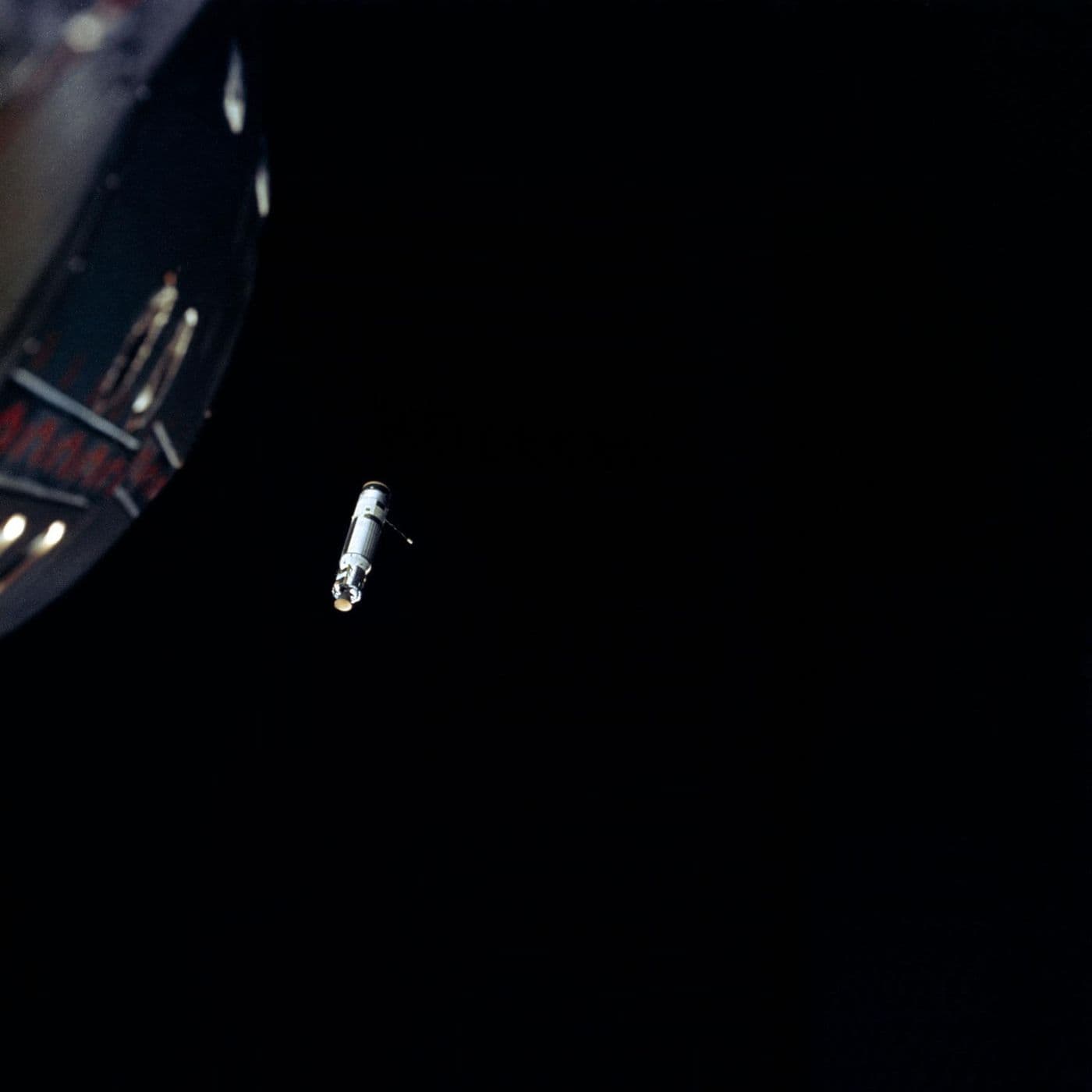
Gemini 8, in March 1966, achieved the first docking of two spacecraft in orbit. Moments later the craft carrying Neil Armstrong and David Scott began spinning out of control — the commander’s cool-headed emergency response saved the mission.
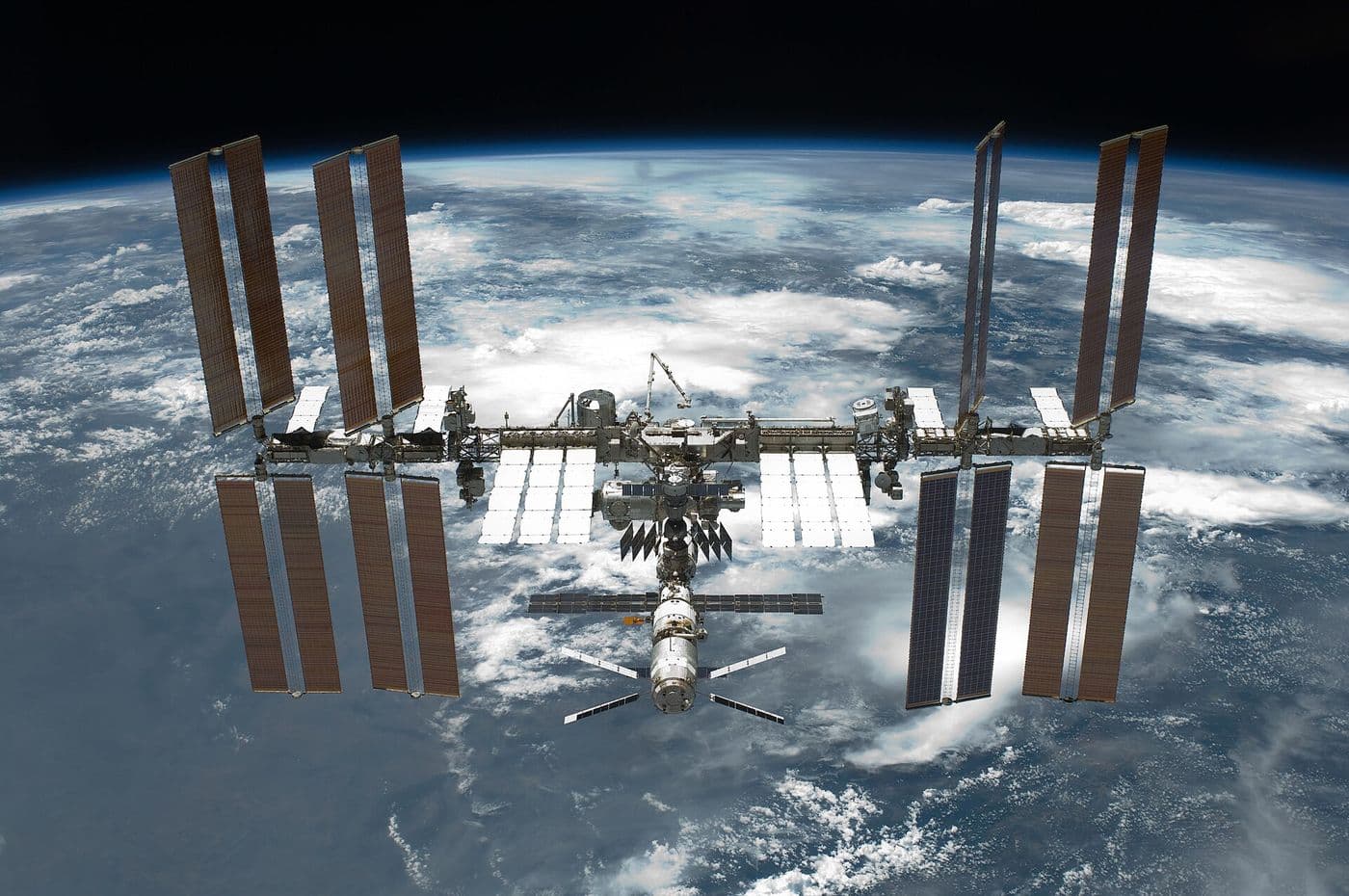
International Space Station (ISS)
Under construction in low Earth orbit since 1998 and continuously inhabited since November 2000, the station is a joint project of five space agencies and the record holder for continuous human habitation in space.

Long March
Long March (Chinese 长征, Chang Zheng; abbreviated CZ) is a family of Chinese launch vehicles built by the CASC corporation and flown under the auspices of China's space agency CNSA. The family has flown since 1970, when the Long March 1 rocket placed China's first satellite into orbit, and has since made more than 500 launches. Its key variants include the crew-rated Long March 2F, which has carried Shenzhou crewed spacecraft since 2003; the heavy-lift Long March 5 for large probes and modules of the Tiangong space station; and the reliable Long March 3B for telecommunications satellites. Today the Long March rockets are the backbone of the Chinese space programme.
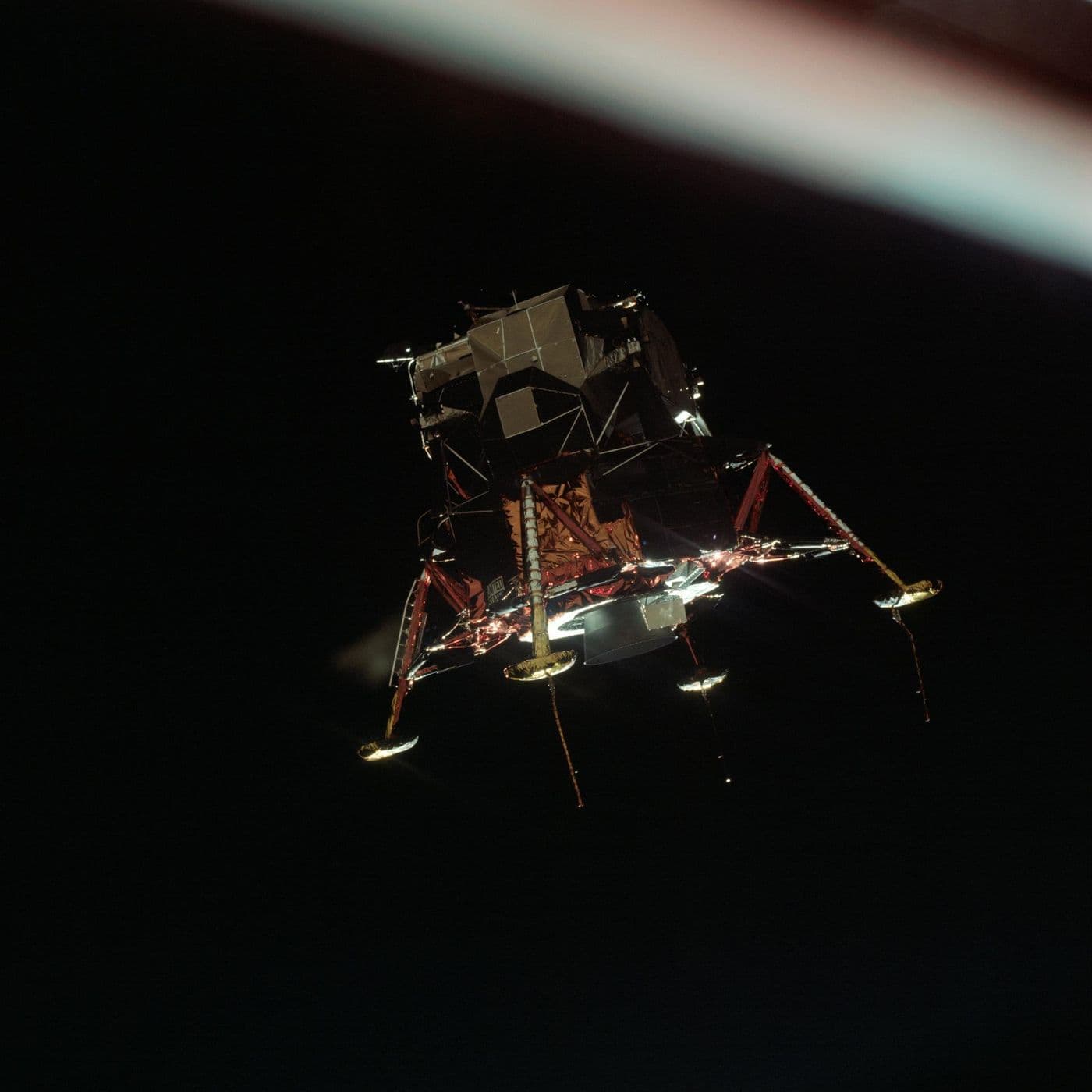
Lunar Module Eagle
Two-stage lunar module built by Grumman — the first crewed spacecraft designed exclusively for flight in vacuum. It had no need to be aerodynamic, hence its angular, spiderlike shape.
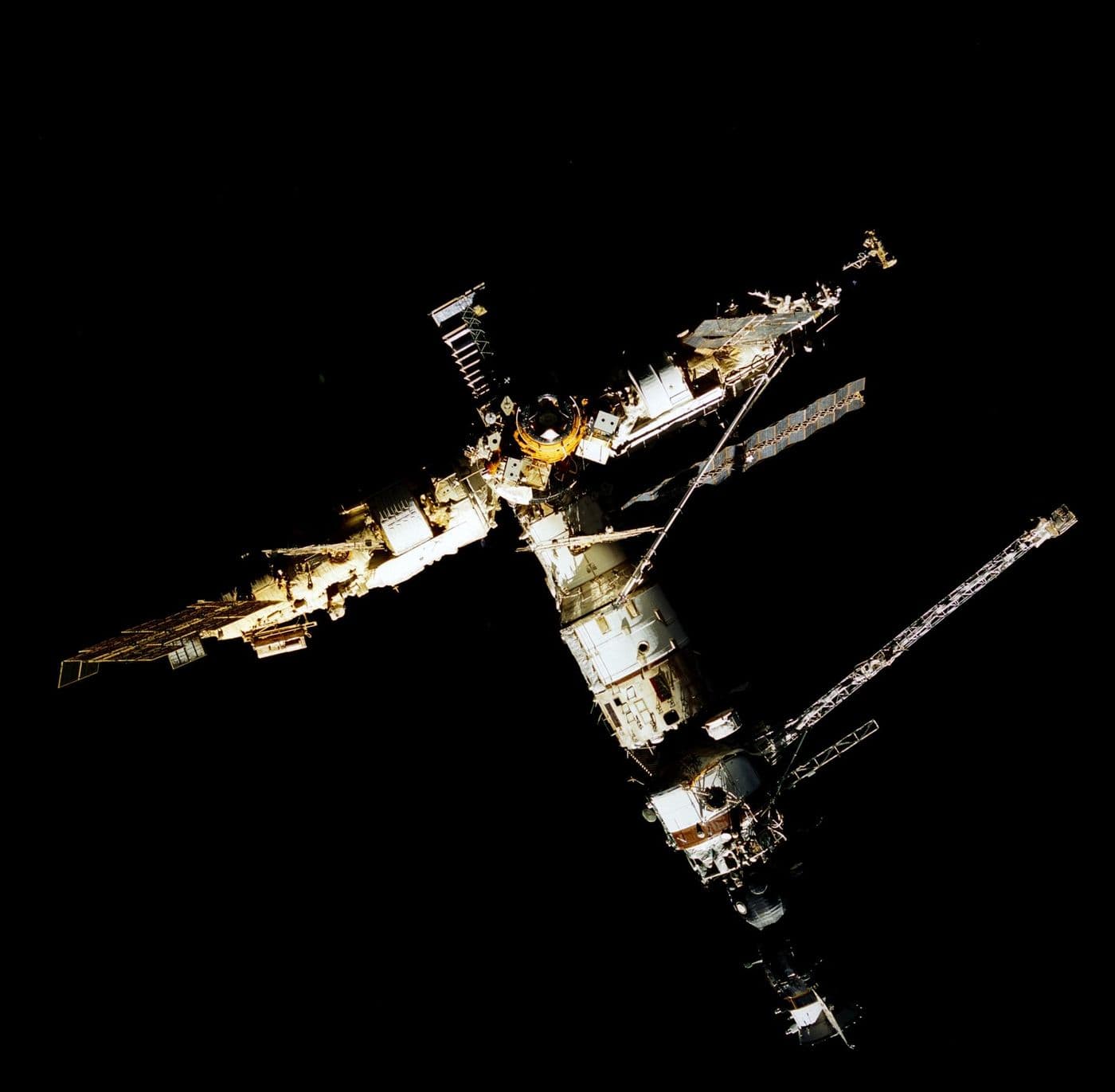
Mir
A modular Soviet and later Russian space station, inhabited from 1986 to 2000; it was deliberately deorbited in March 2001.
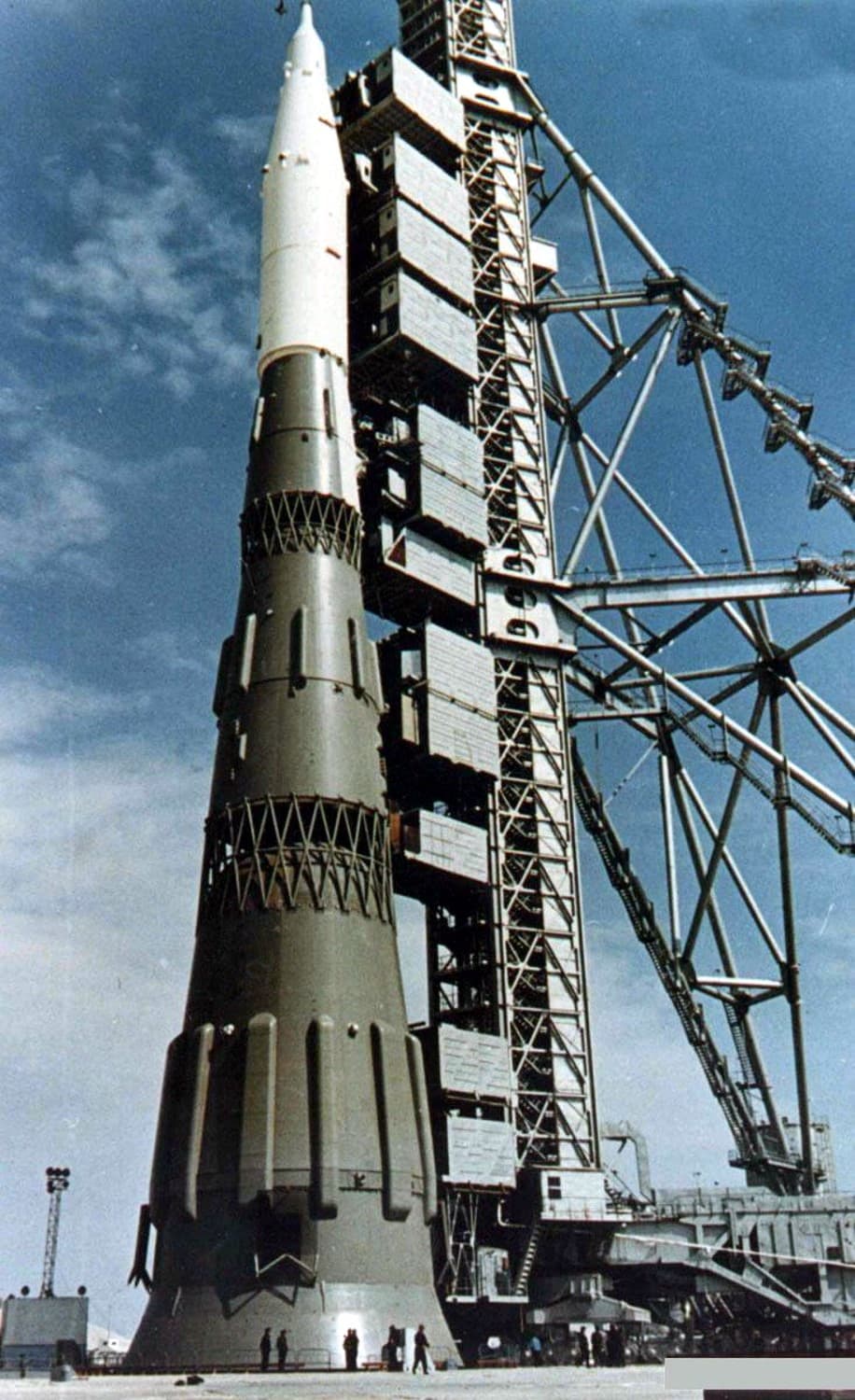
N1-L3
The Soviet N1-L3 lunar complex was intended to land one cosmonaut on the Moon, but all four N1 test launches failed.
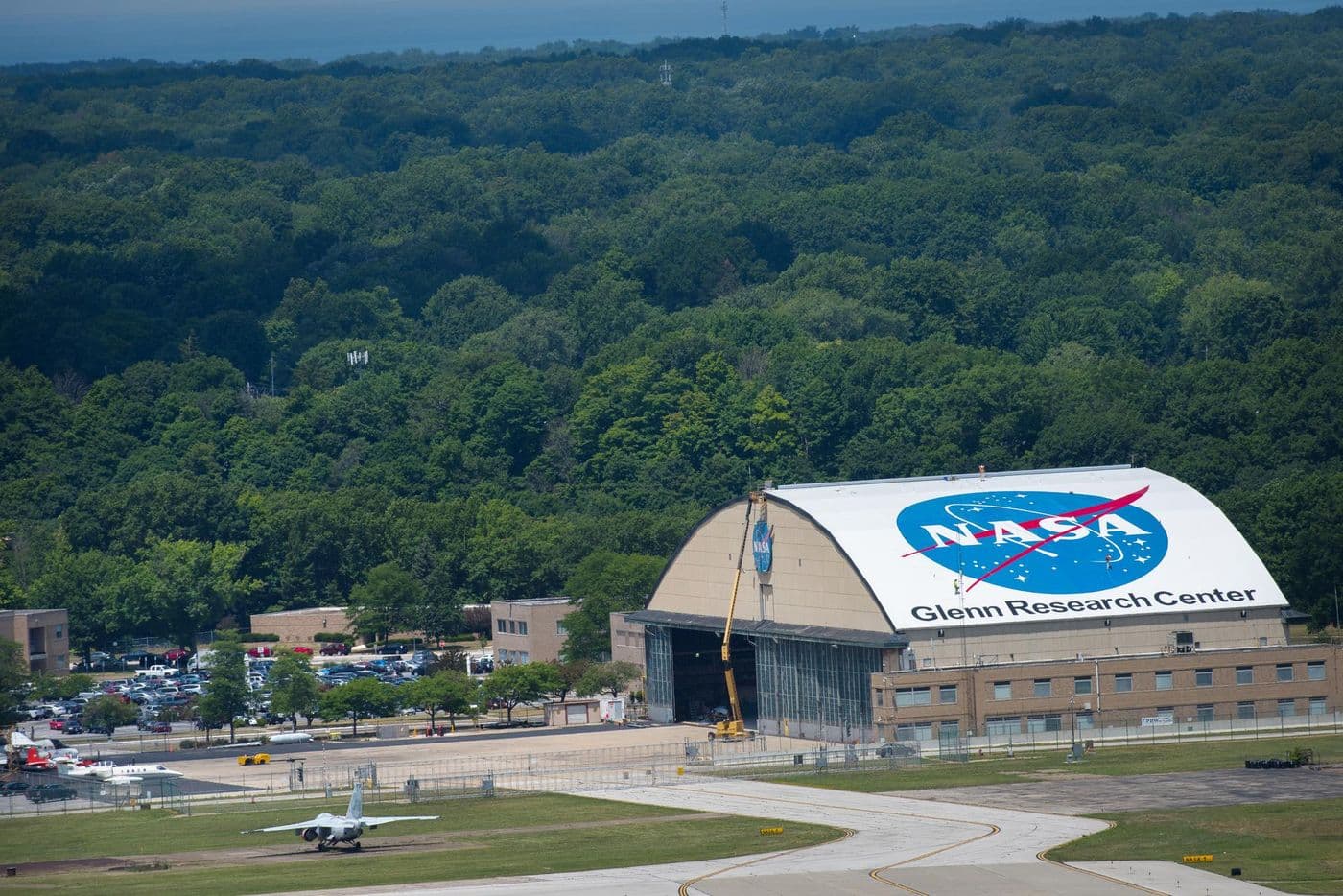
National Aeronautics and Space Administration (NASA)
The United States civil space agency, leading programmes from Earth and space science to crewed missions to the Moon.
OKB-1 / Soviet space program (today Roscosmos)
The Soviet and Russian branch of spaceflight: from Sergei Korolev’s design bureau through the first satellite and the first human in space to today’s Roscosmos state corporation.
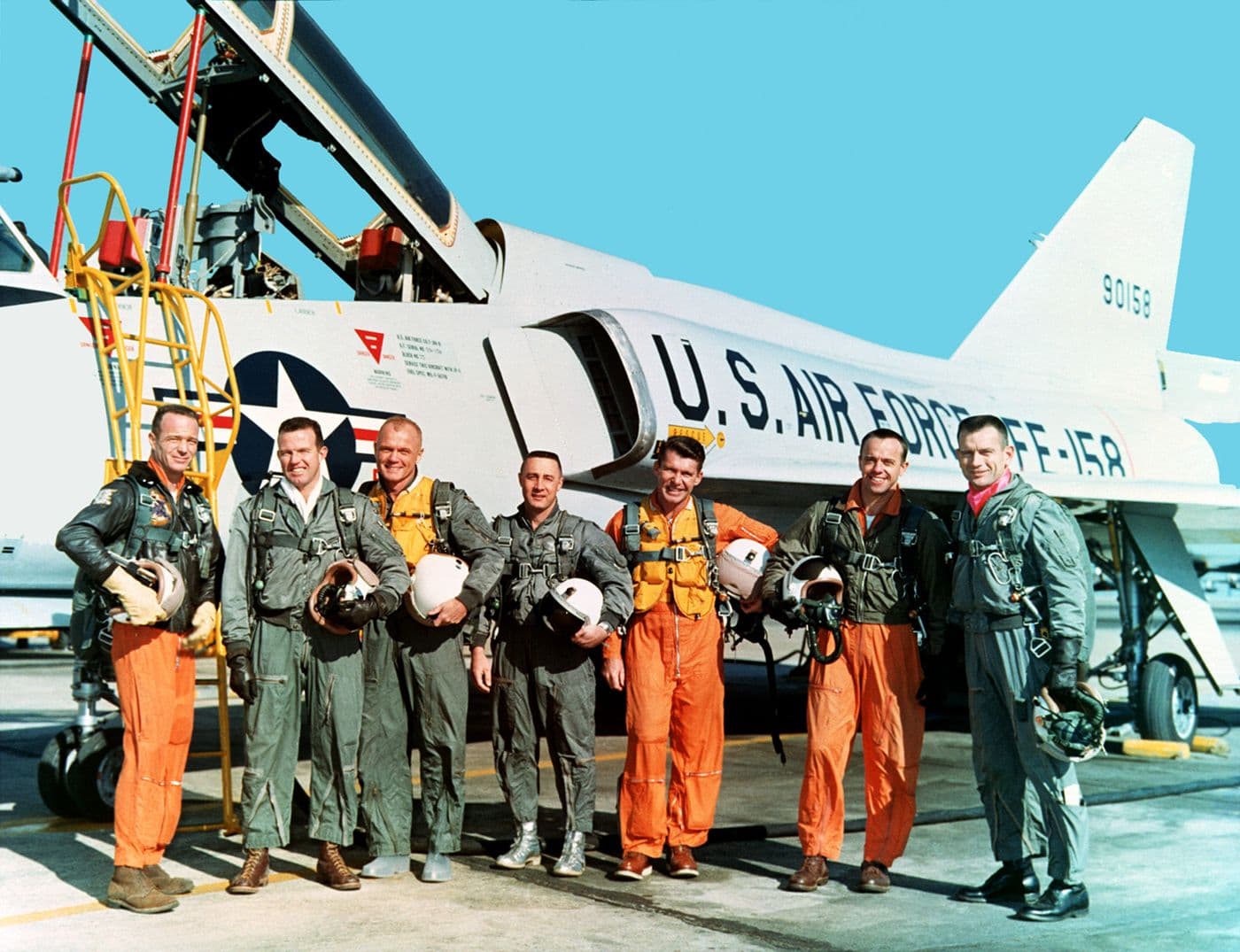
Project Mercury
Project Mercury (1958–1963) was America’s first crewed spaceflight program. Its goal was to safely put a human into orbit and bring him home — six of the seven selected astronauts, the “Mercury Seven”, flew six crewed missions: two suborbital and four orbital.
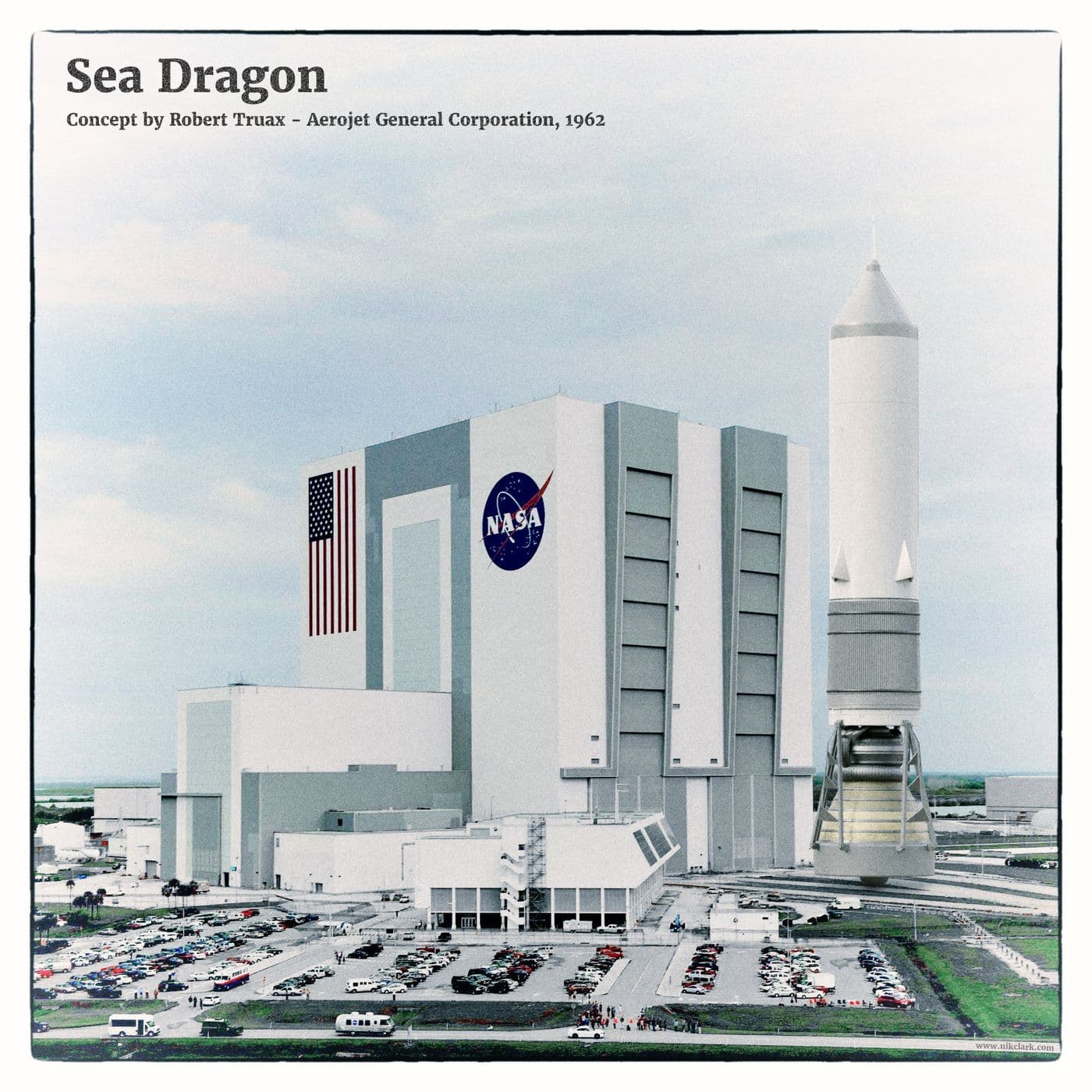
Sea Dragon
Sea Dragon was a proposal for an exceptionally large sea-launched rocket intended to cut production costs through deliberately simple construction.
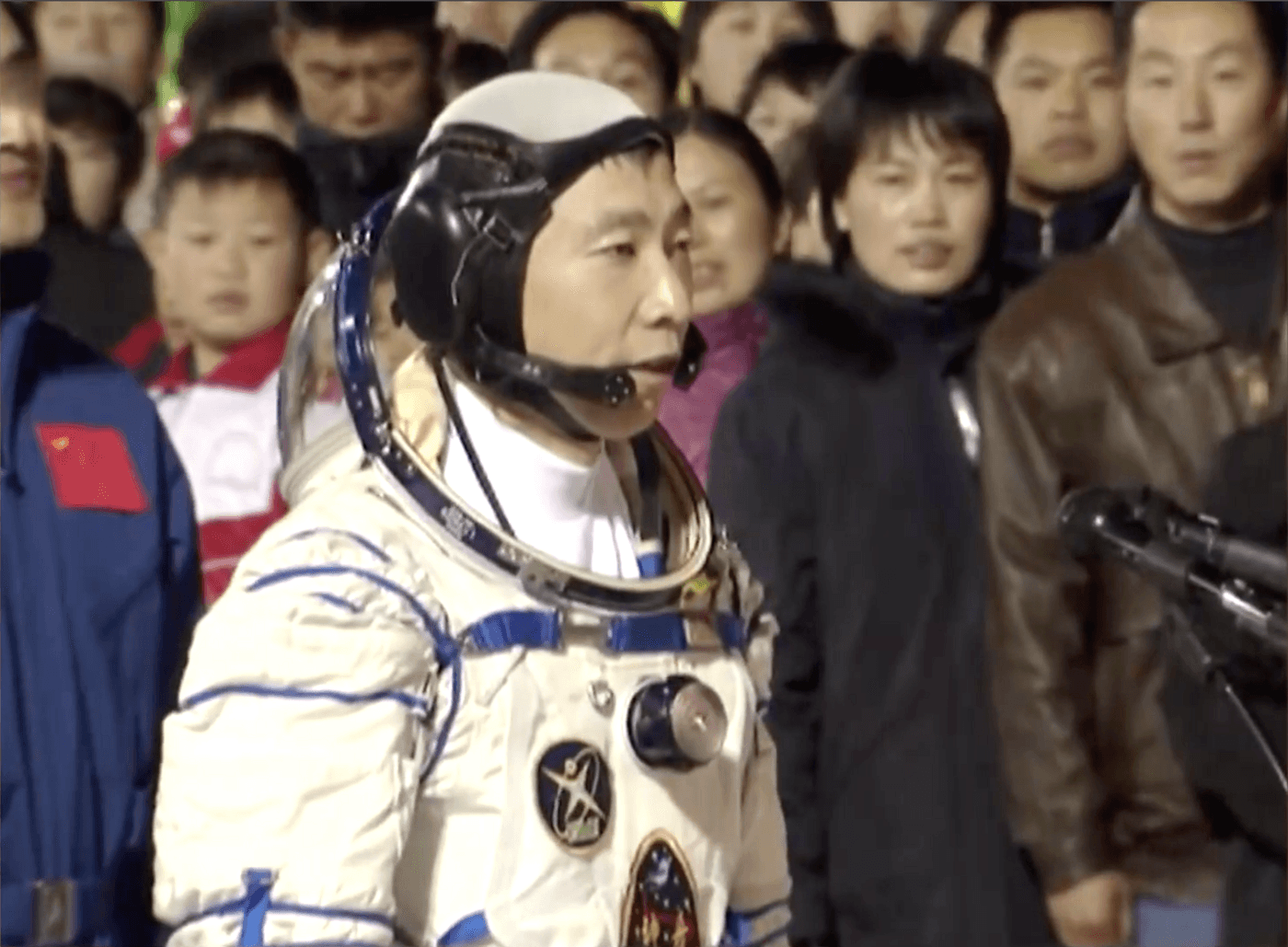
Shenzhou 5
On 15 October 2003, Shenzhou 5 made Yang Liwei the first Chinese national to reach orbit, making China the third country to independently launch a human into space.
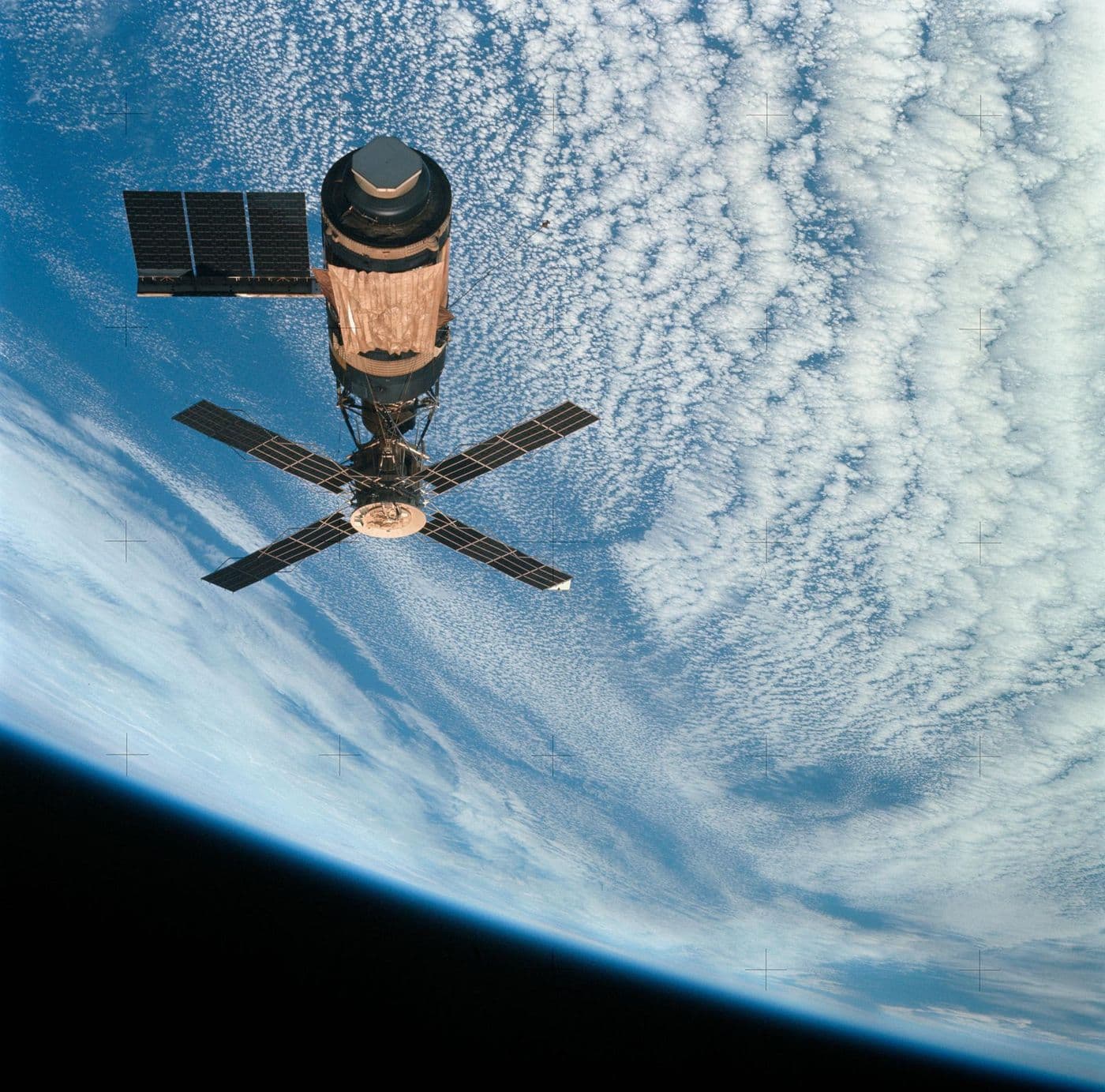
Skylab
The first U.S. space station, occupied by three crews in 1973 and 1974.
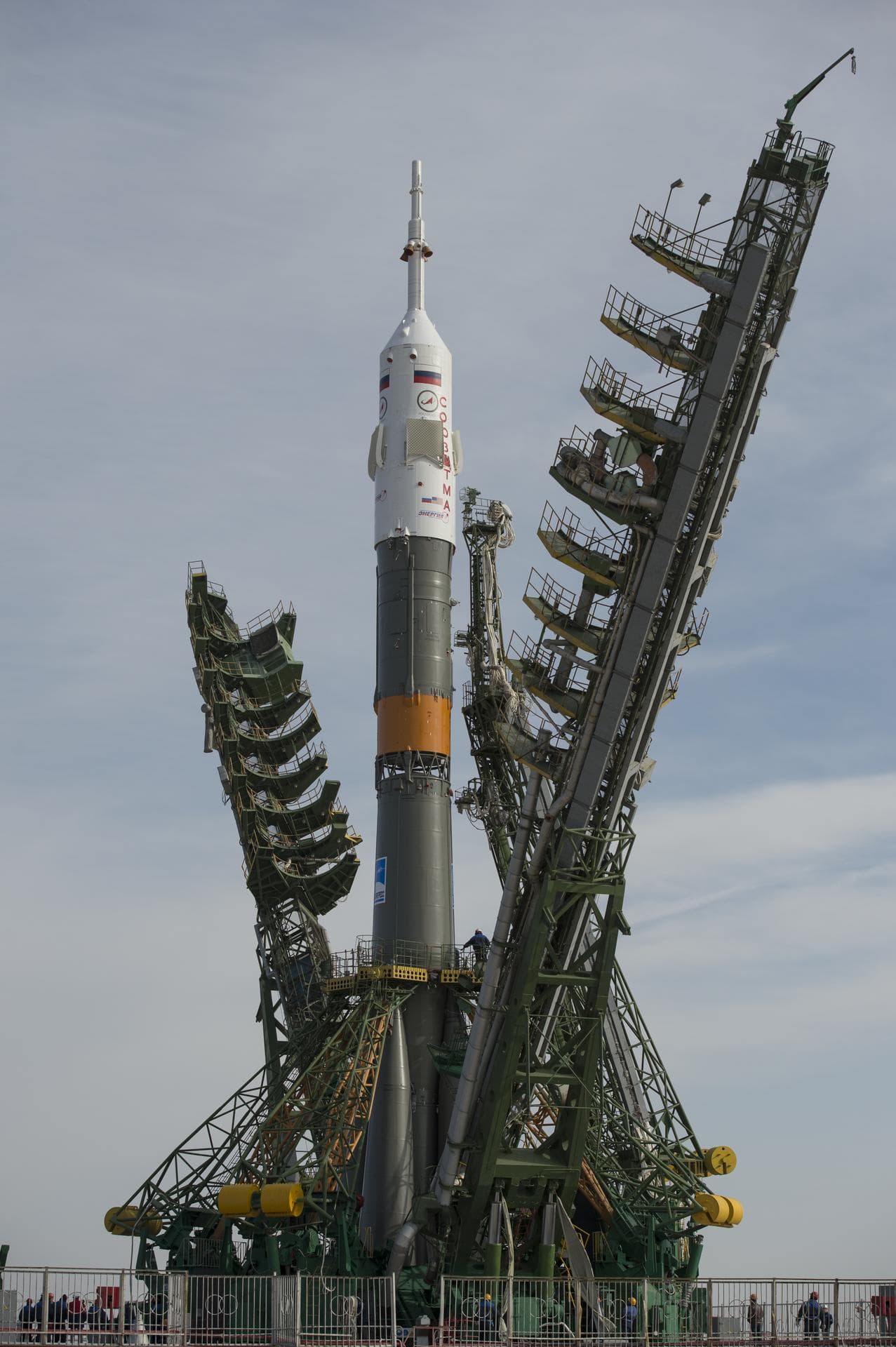
Soyuz
Soyuz is a family of Soviet and Russian launch vehicles and spacecraft that has flown from the 1960s to the present day. The Soyuz rocket descends from the legendary R-7, and the Soyuz spacecraft has carried crews into orbit for over half a century — today to the International Space Station. It ranks among the longest-serving and most reliable space systems in history.
Space Launch System (SLS)
NASA’s heavy-lift launcher for Artemis and missions beyond low Earth orbit.
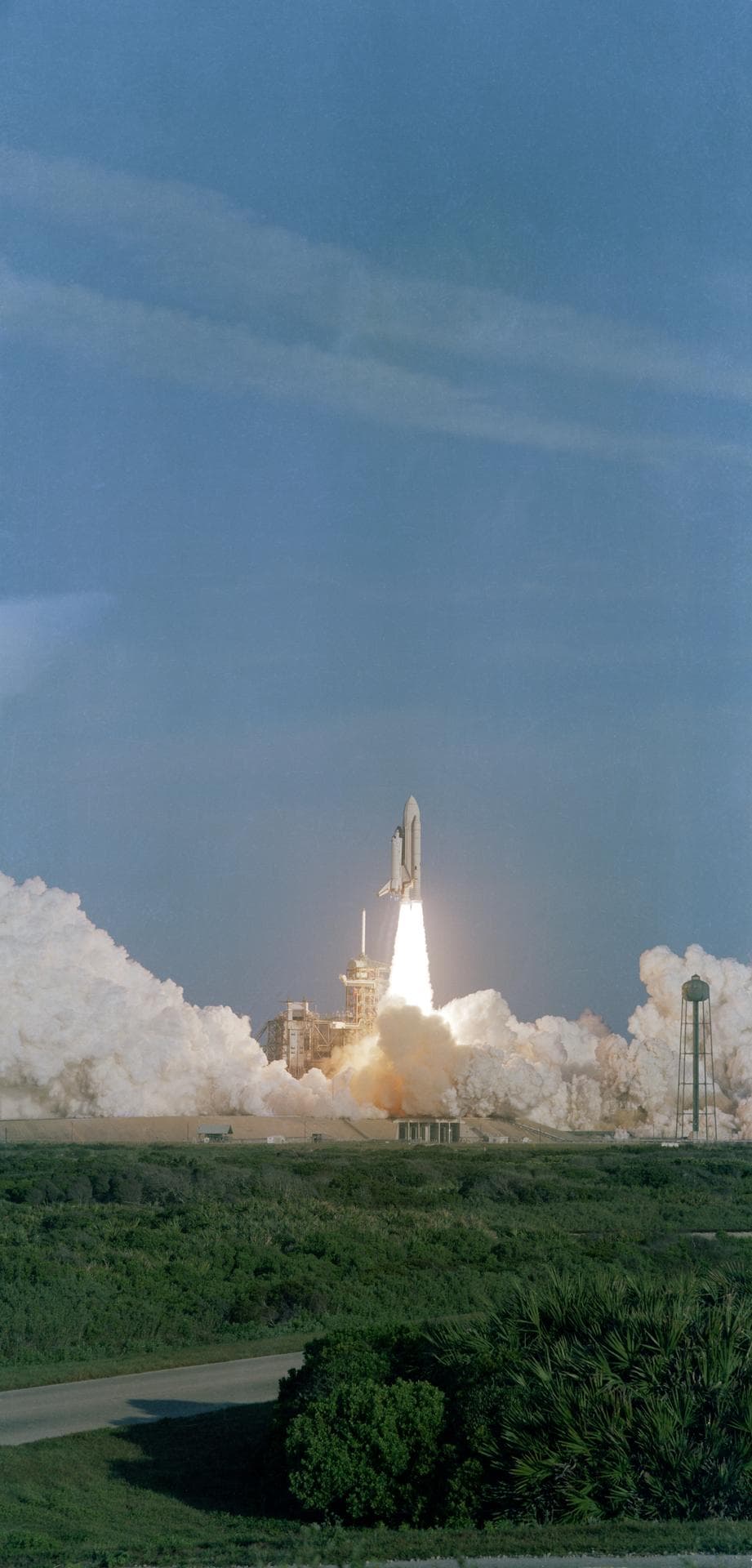
Space Shuttle
The Space Shuttle (Space Transportation System) was the American crewed reusable spaceplane program, which flew 135 missions between 1981 and 2011. As the first partly reusable spacecraft it deployed satellites and the Hubble telescope and built most of the International Space Station — at the cost of two tragedies, Challenger and Columbia.
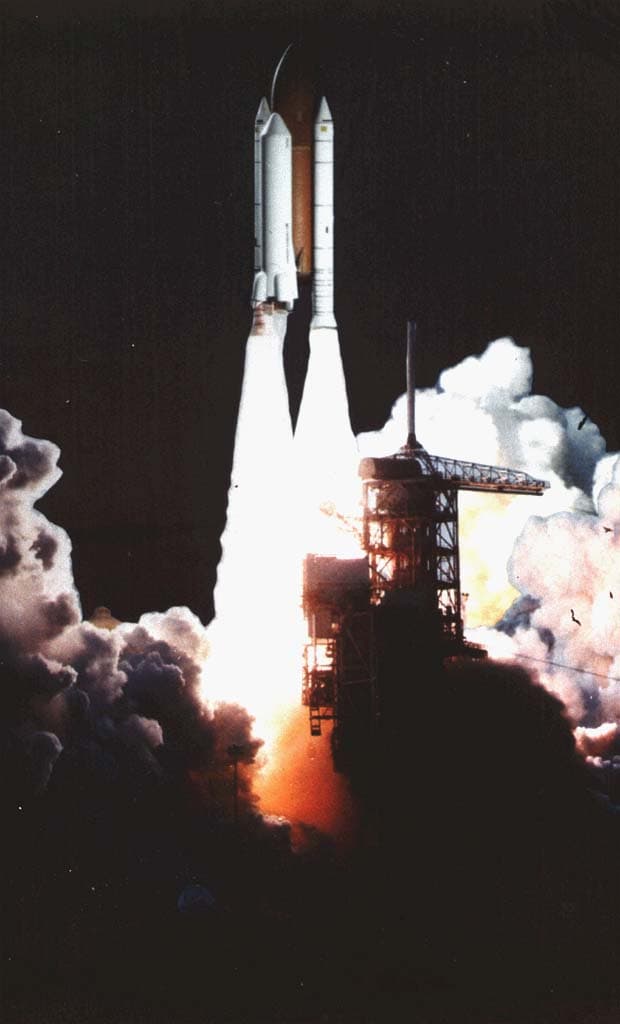
Space Shuttle-C
Shuttle-C was a proposed uncrewed heavy launcher derived from the Space Shuttle system, replacing the orbiter with a cargo module.
Spacecraft Rendezvous and Docking
The manoeuvres that allow two spacecraft to meet, dock, and work together in orbit.
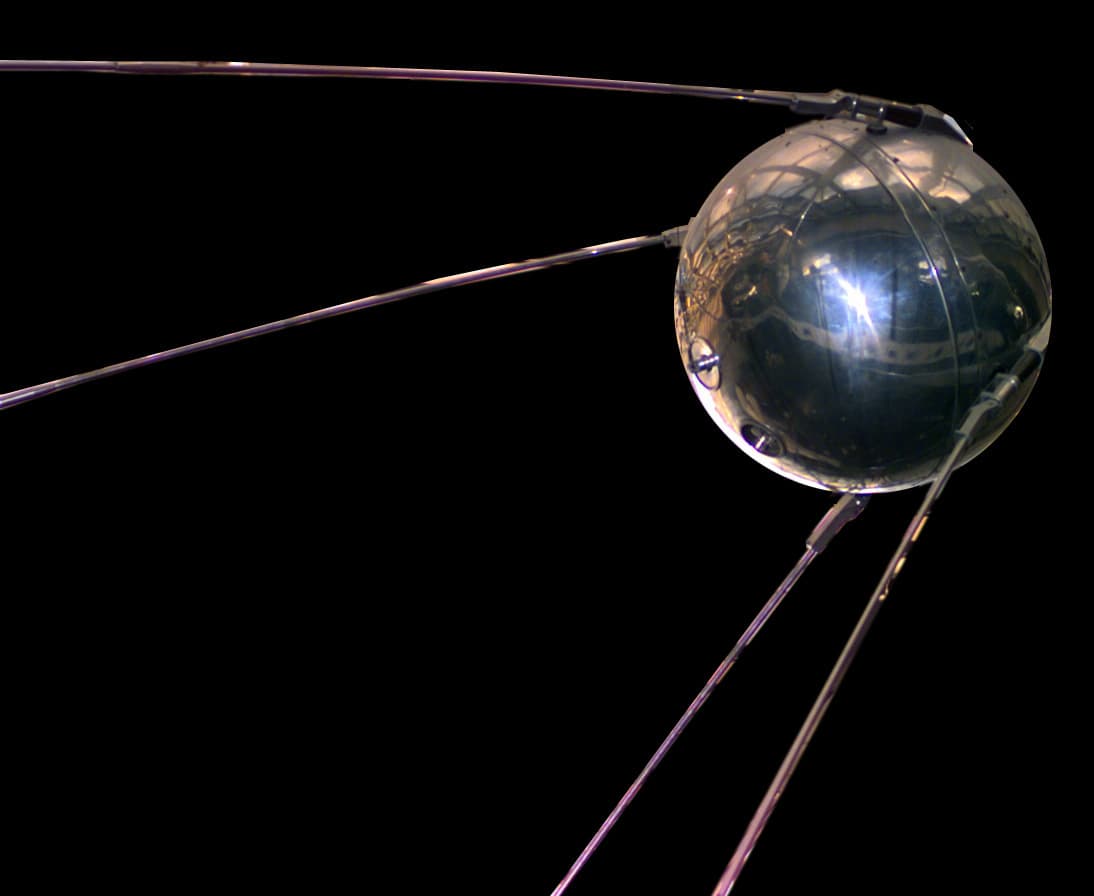
Sputnik 1 — the first artificial satellite
PS-1 launched on an R-7 on 4 October 1957 and opened the Space Age. Discover how the small satellite was built, what happened during ascent and why its radio signal changed the world.
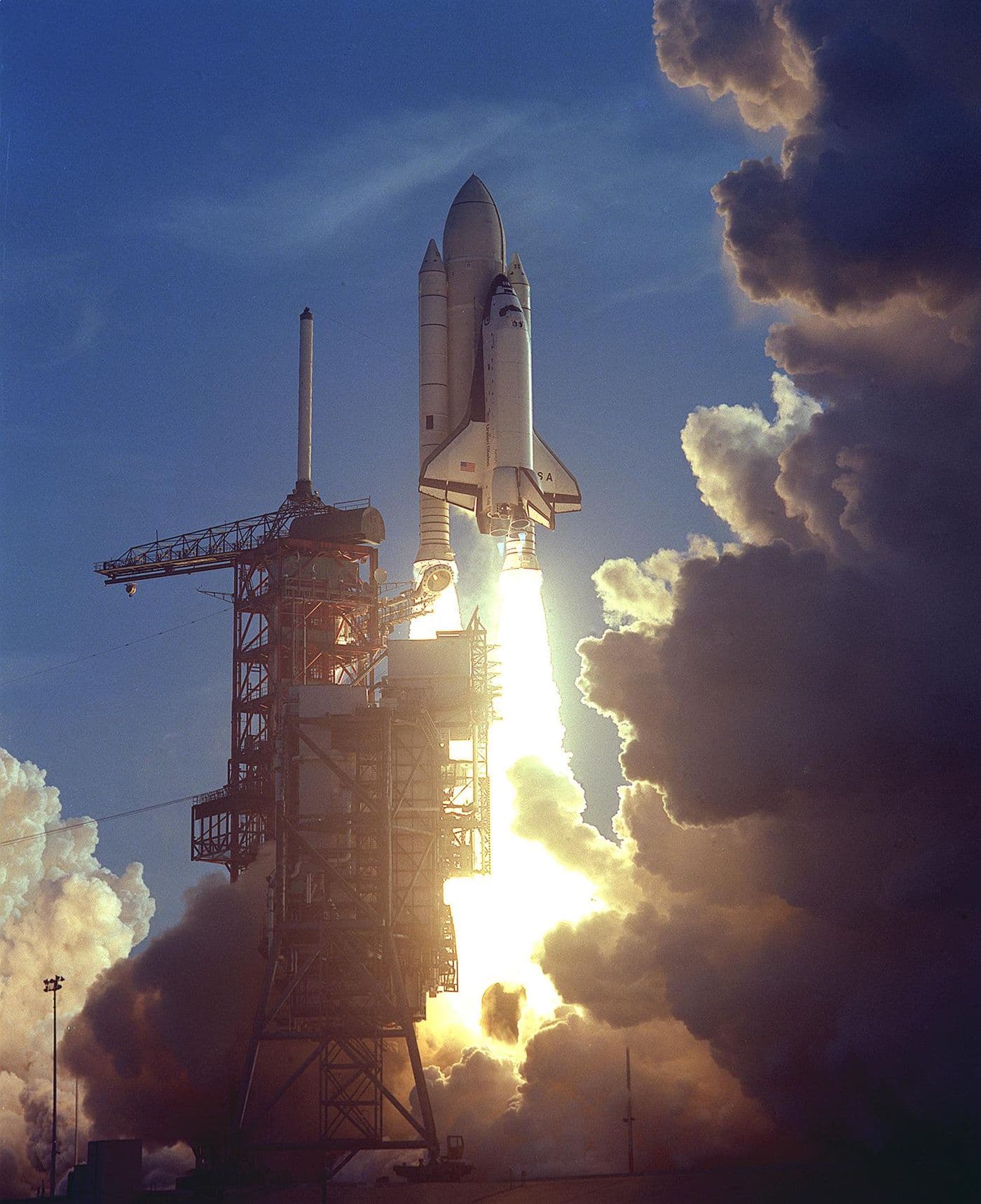
STS-1: Columbia’s first flight
The first Shuttle launched with a crew before any orbital rehearsal. Follow Columbia’s preparation, launch, 36 orbits and landing that opened the Shuttle era.
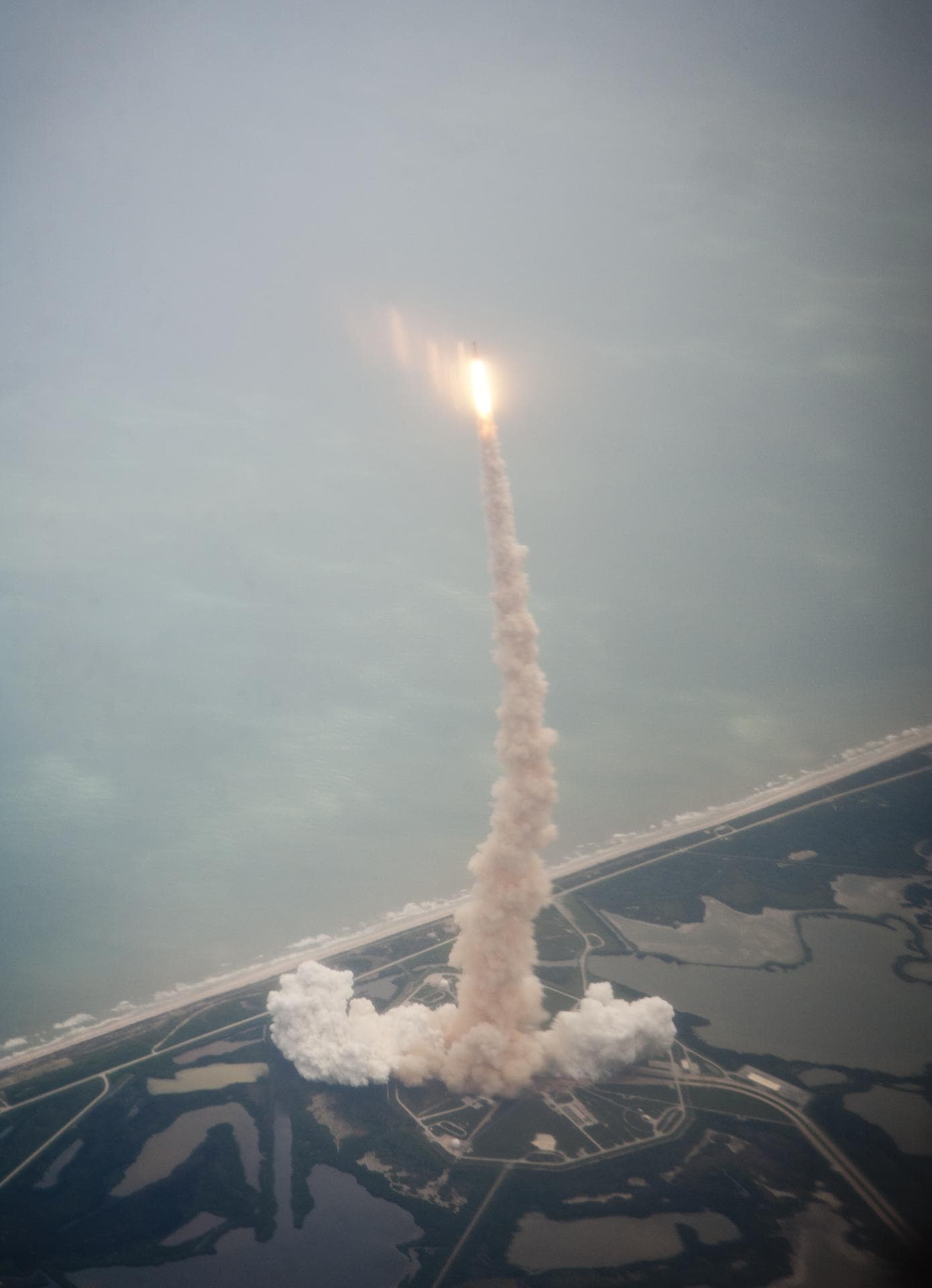
STS-135
The final Space Shuttle mission. In July 2011 Atlantis delivered supplies and spare parts to the ISS, closing the shuttle’s thirty-year era.
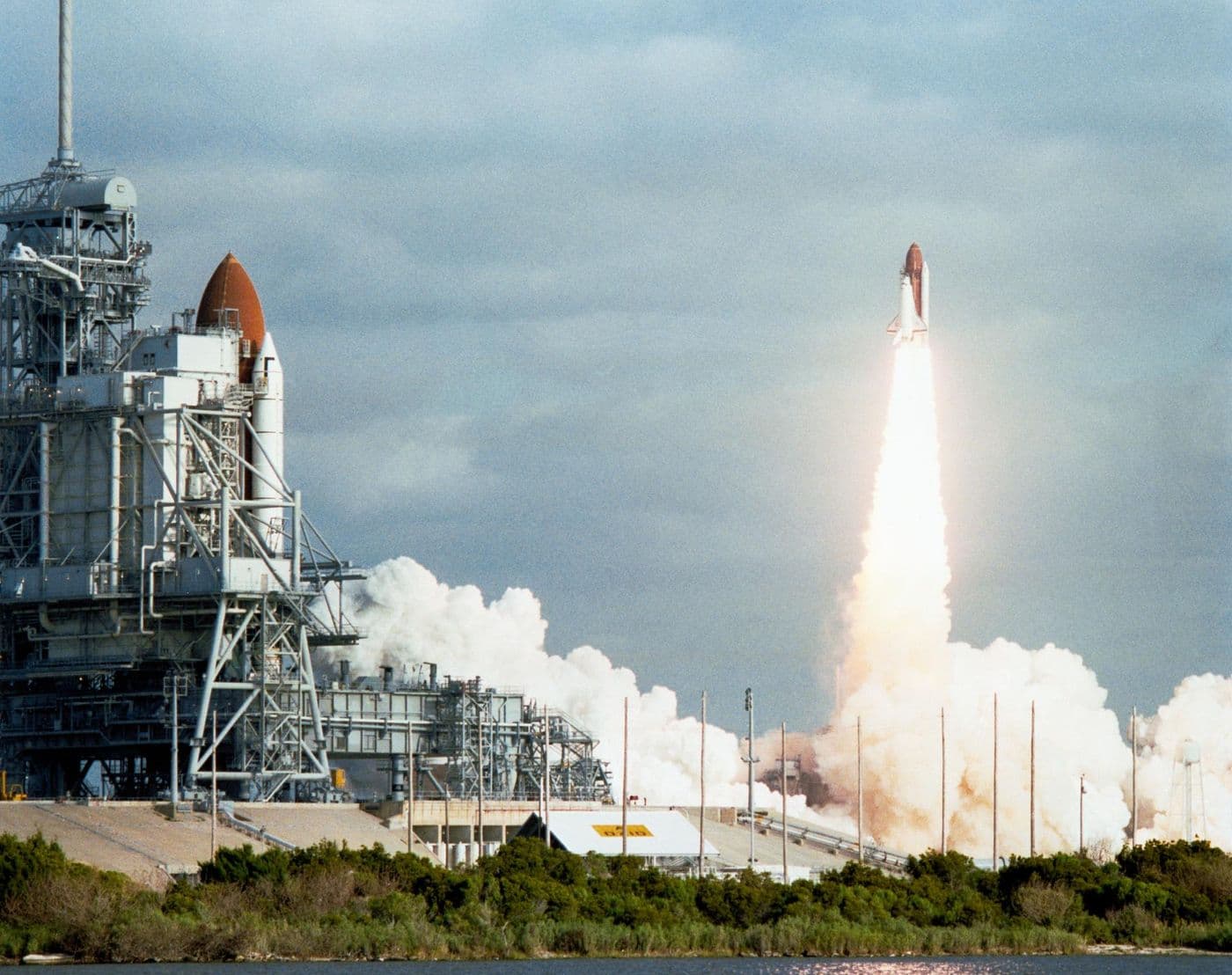
STS-31
The Space Shuttle Discovery mission that deployed the Hubble Space Telescope in April 1990.
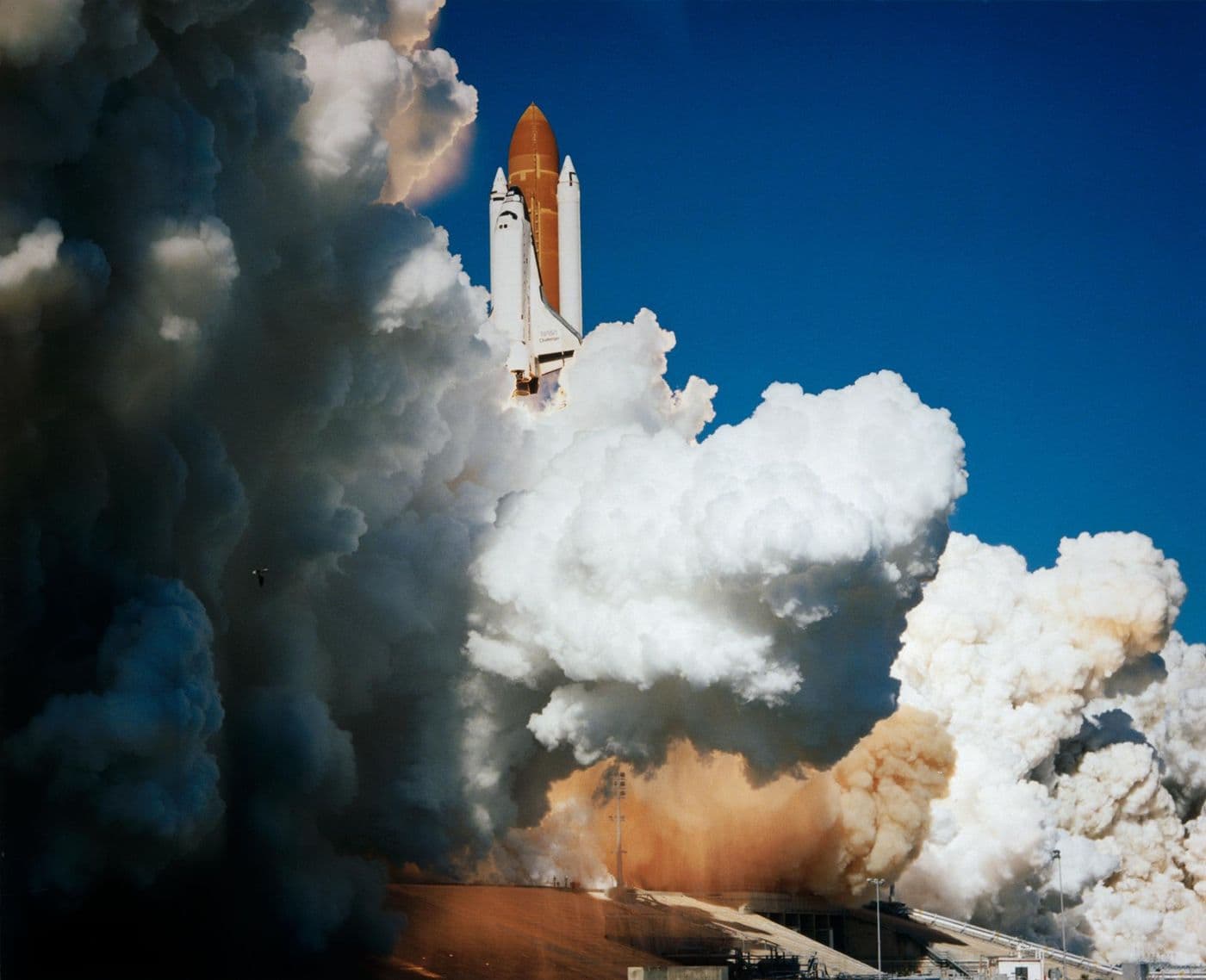
STS-51-L
STS-51-L was the 25th Space Shuttle mission. On 28 January 1986, 73 seconds after launch, the orbiter Challenger broke apart when a frost-stiffened O-ring failed in its right solid rocket booster — the entire crew of seven died, including teacher Christa McAuliffe.
People4
- Alexei Leonovoviet cosmonaut who on 18 March 1965 became the first human to step out of a spacecraft into open space. A decade later he commanded the Soviet side of the joint Apollo–Soyuz mission.
- Deke SlaytonOne of the original "Mercury Seven" astronauts (1959). An irregular heartbeat kept him grounded for years and he ran NASA's astronaut office; he first reached space only on Apollo–Soyuz in 1975, at the age of 51.
- Valeri KubasovSoviet cosmonaut and aerospace engineer, flight engineer of Soyuz 19 during the joint Apollo–Soyuz mission in 1975. He flew to space three times in total.
- Vance BrandAmerican astronaut and command module pilot on the 1975 Apollo–Soyuz mission — his first spaceflight. He later commanded three Space Shuttle flights.