- Date
- 3–13 March 1969
- Launcher
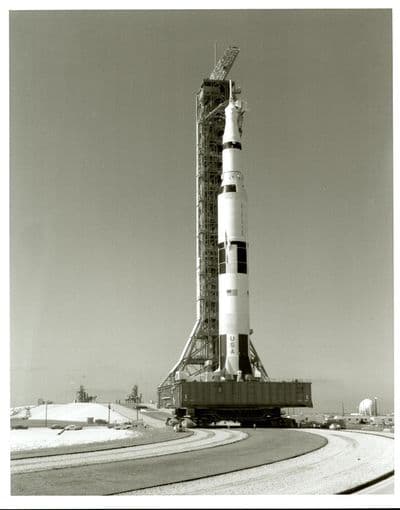
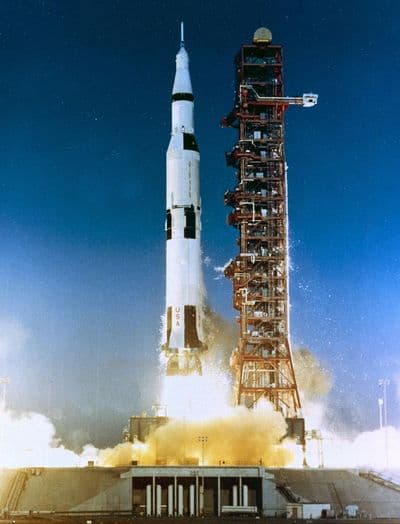
- Saturn V
- Mission
- Apollo 9
#NASA#Apollo
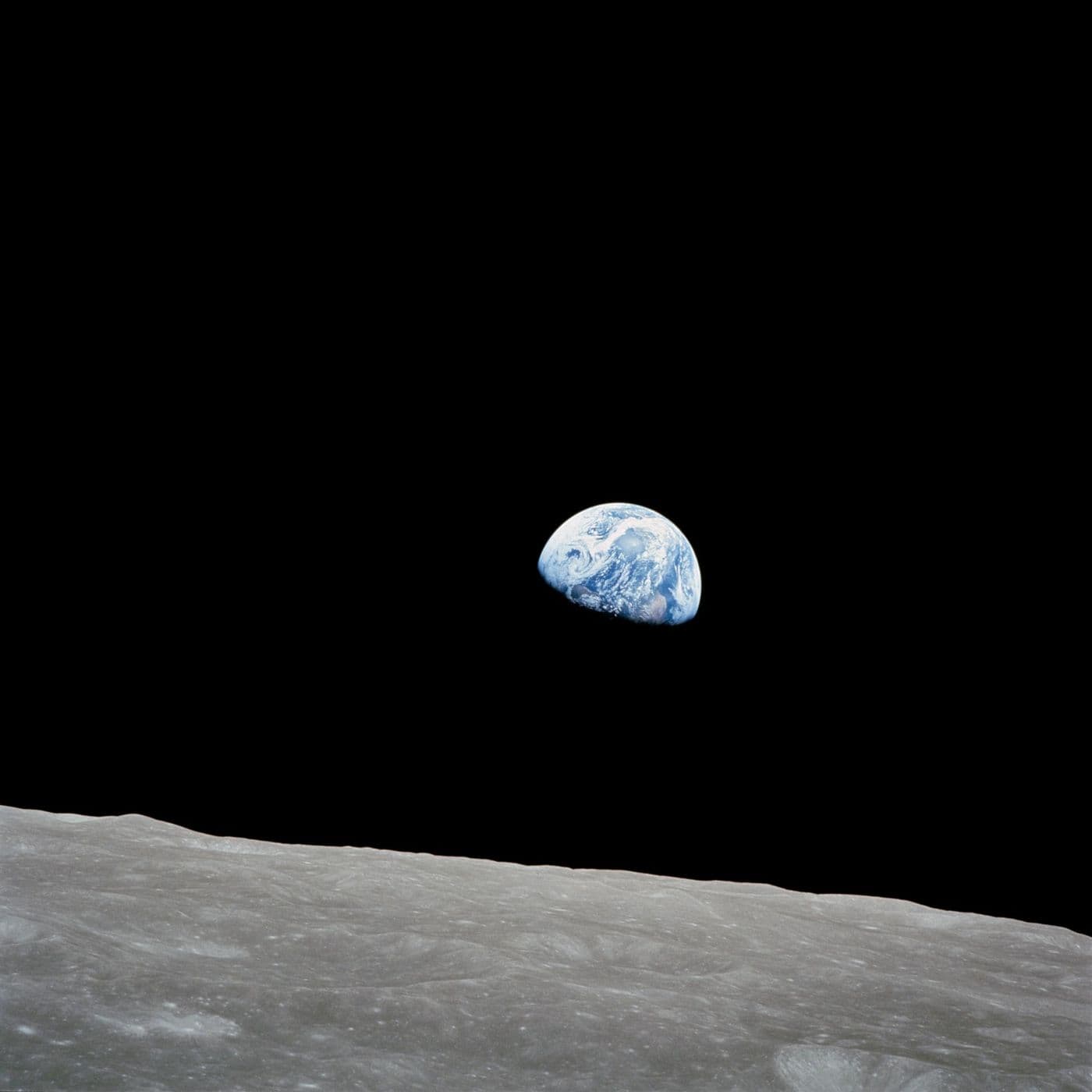
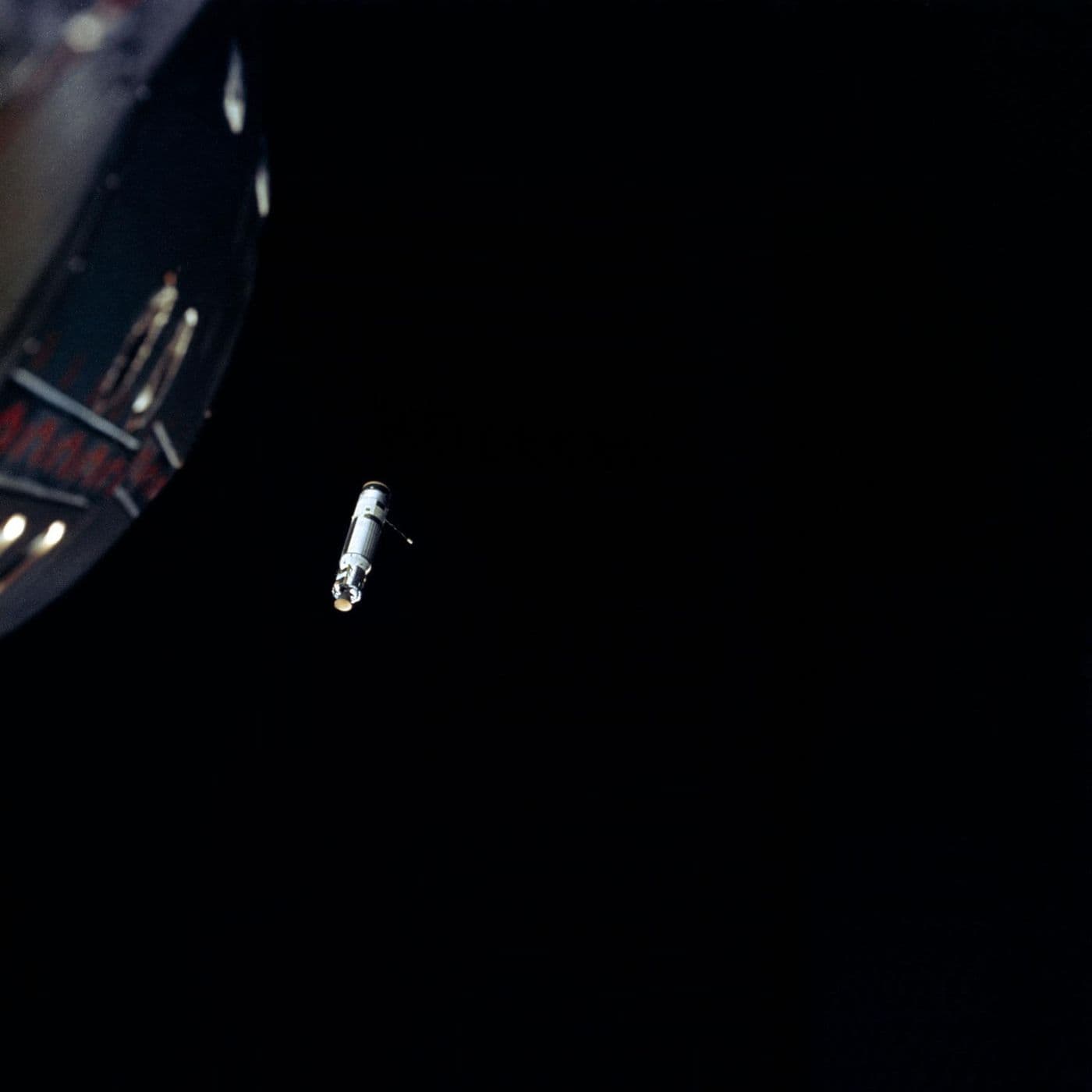
pollo 9 was a lunar-module dress rehearsal that could not be skipped: for the first time a crewed craft flew that could not re-enter Earth’s atmosphere. The crew had to undock it in orbit, fly away and dock again with the command module.
Apollo 9 Crew
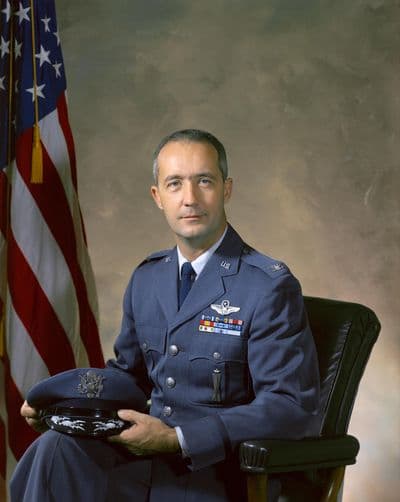 COMMANDERJames McDivittA veteran of Gemini 4 (1965), which he commanded as pilot on the first multi-day American mission to include a spacewalk. After Apollo 9 he might have been offered command of a Moon-landing mission, but instead left the astronaut corps to become manager of the entire Apollo program.
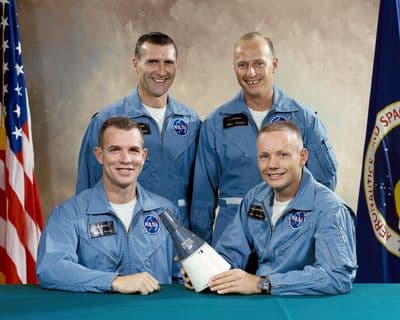 COMMAND MODULE PILOTDavid ScottA veteran of Gemini 8 (1966) alongside Neil Armstrong — the first docking of two spacecraft in orbit, dramatically cut short by a thruster malfunction. After Apollo 9 he commanded the Apollo 15 landing mission in 1971.
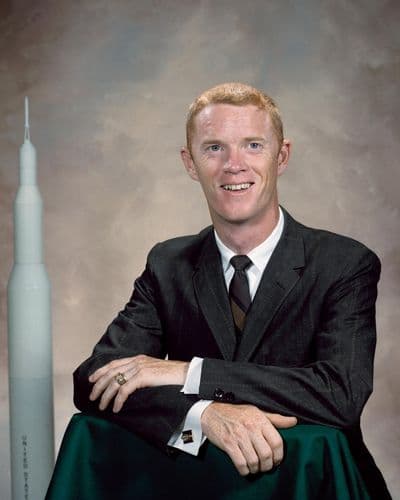 LUNAR MODULE PILOTRusty SchweickartA civilian test pilot with no prior spaceflight experience — Apollo 9 was his only spaceflight. Space sickness cut short his planned spacewalk, but he still became the first in the Apollo program to test the PLSS life-support backpack in open space.
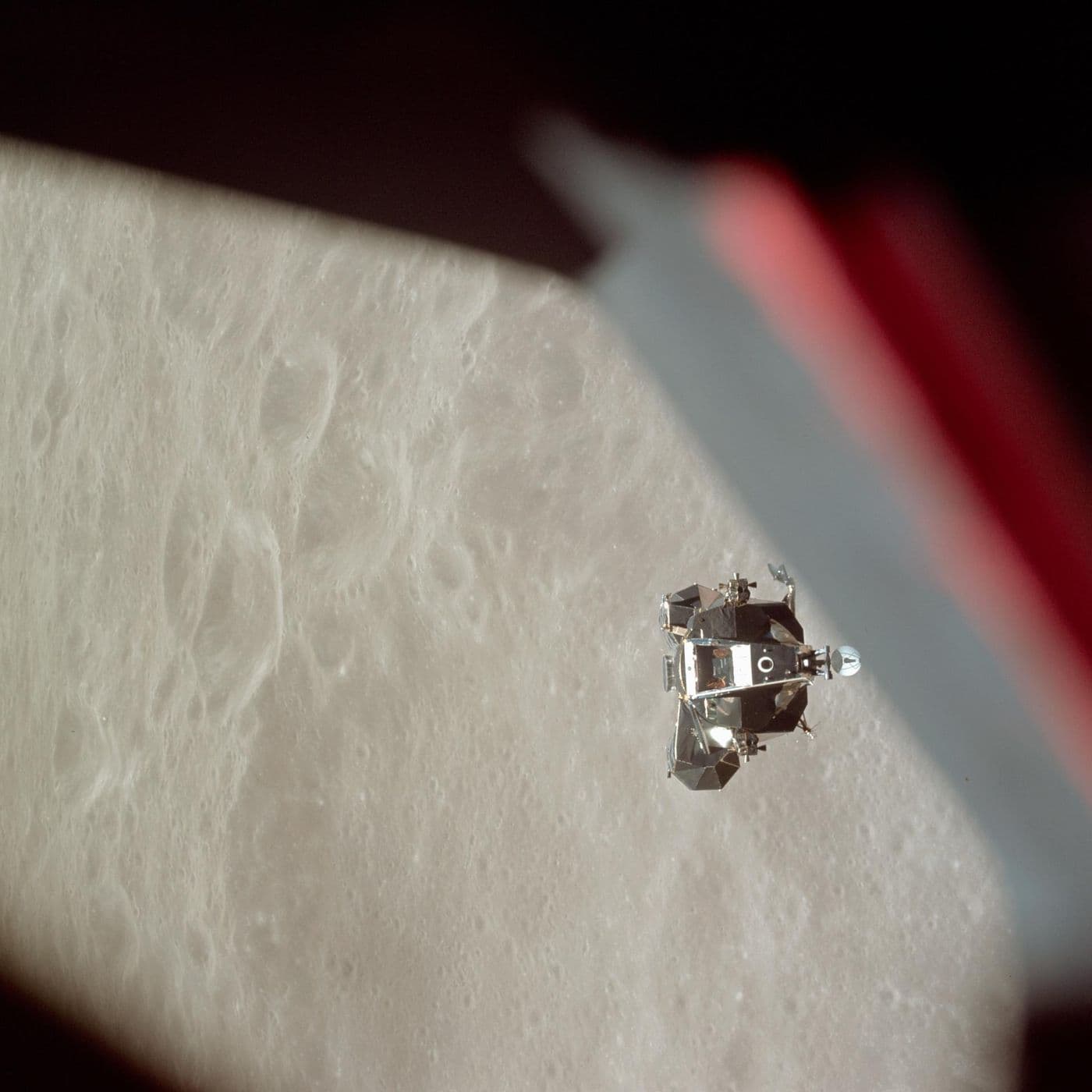
Russell Schweickart performed a spacewalk to test the lunar surface suit — the only one with its own life support independent of the spacecraft. The lunar module “Spider” and command module “Gumdrop” separated and, after six hours of flight, docked again.
Mission timeline
Select a phase to read what happened. Every chapter has its own detailed page.
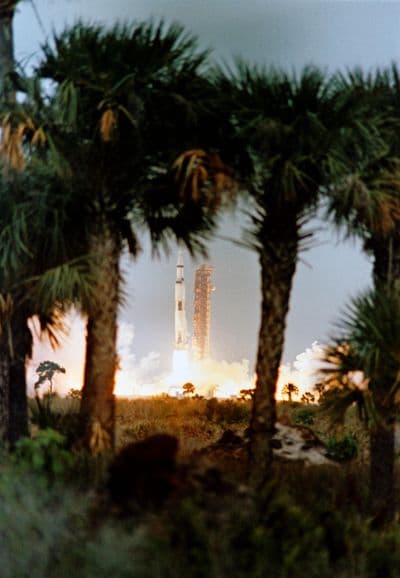
Gumdrop and Spider — the first complete Apollo spacecraft
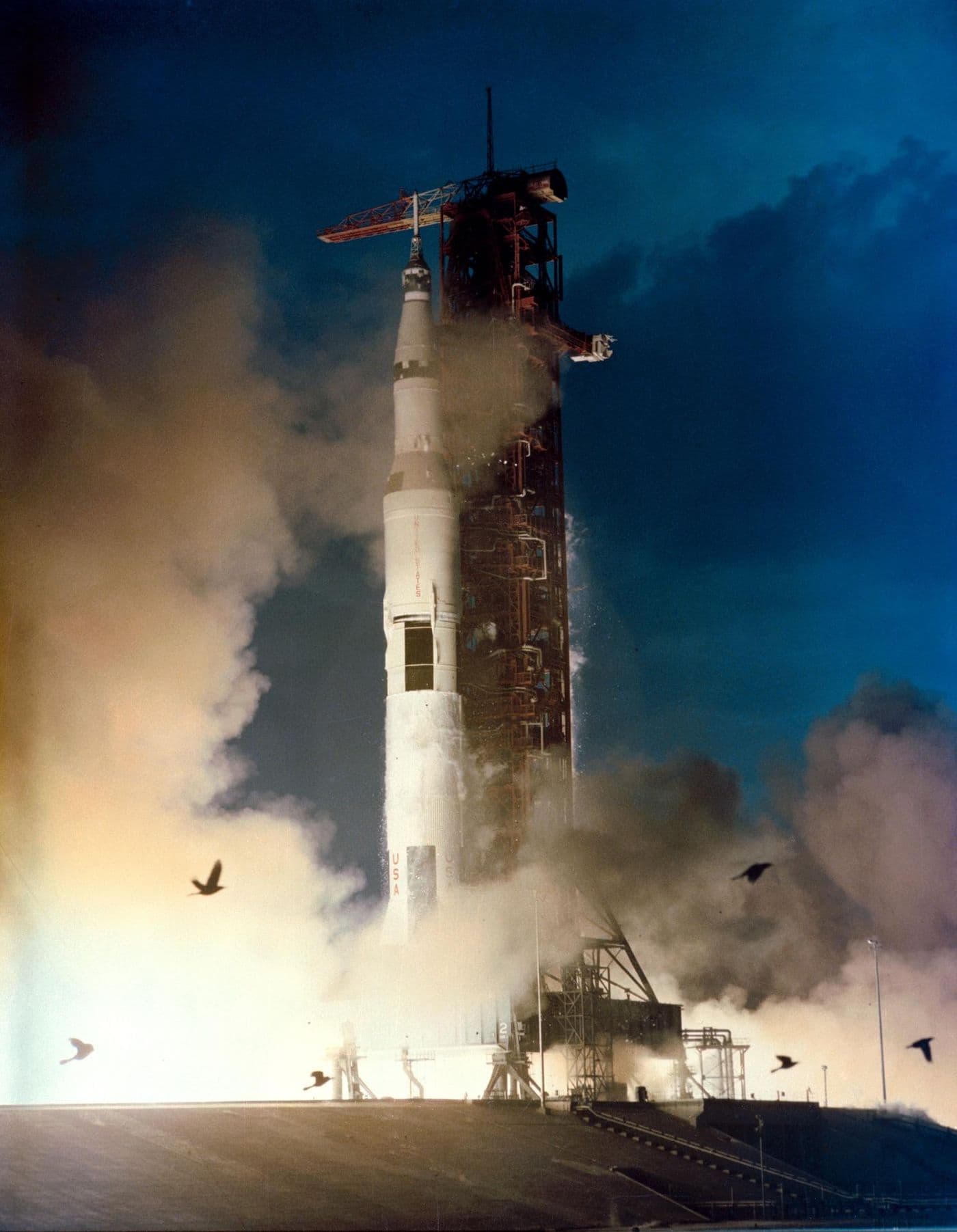
Apollo 9 was the first crewed flight of the complete Apollo spacecraft — the command and service module TOGETHER with the lunar module. Launch, originally set for 28 February, was pushed back five days by NASA because the entire crew had colds.
Read the chapter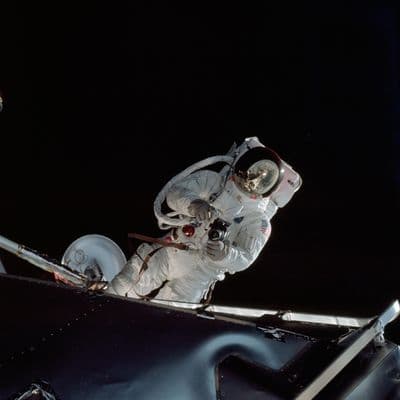
The “Red Rover” spacewalk and Spider flying alone
On the fourth day of the flight, Schweickart was to make his way along the spacecraft’s exterior from the lunar module to the command module — a rehearsal for a lunar emergency. The day before, however, he had vomited twice from space sickness, and McDivitt shortened the planned excursion to a safer version confined to Spider’s hatch.
Read the chapter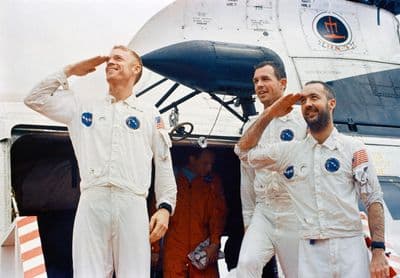
The last Atlantic splashdown for half a century
The remaining days of the flight served as a ten-day trial of the Gumdrop module under conditions matching the length of a lunar journey. Among other tasks, the crew captured multispectral images of Earth using four simultaneous Hasselblad cameras — a technique that later informed the development of the Landsat satellite series.
Read the chapterMission in numbers
- Crew
- 3
- Launch
- 3. 3. 1969
- Splashdown
- 13. 3. 1969
- Duration
- 10 d 1 h
- Launch vehicle
- Saturn V (AS-504)
- Call signs
- Gumdrop / Spider
- Orbit
- Země (LEO)
- EVA duration
- ~1 h
Follow us
Follow us on social media
New plates, trivia and behind-the-scenes updates as soon as they are ready.
Facts
- Apollo 9 was the first crewed mission with the complete Apollo stack — command, service AND lunar module together.
- The crew invented the call signs “Gumdrop” and “Spider” themselves; NASA initially rejected them as too informal.
- For the first time in history, humans flew in a craft (the lunar module Spider) that could not by itself return them to Earth.
- Schweickart’s space sickness cut short the planned spacewalk — he still became the first in the Apollo program to test the PLSS backpack outside the spacecraft.
- Apollo 9 splashed down in the Atlantic. In 2019, Crew Dragon Demo-1 concluded an uncrewed test of a crew-capable spacecraft with an Atlantic splashdown.
- Buzz Aldrin watched Gumdrop and Spider redock from Mission Control and later said he knew right then that Apollo 11 would fly to land on the Moon.
Related articles
Gallery
Sources & further reading
- NASA: Apollo 9 Mission Report, MSC-PA-R-69-2, 1969 — the primary source of mission data.
- Apollo Flight Journal (NASA) — communication transcripts and flight chronology.
- NASA Image and Video Library (images.nasa.gov) — mission photographs, public domain.
- Wikipedia: Apollo 9 — the starting structure of the article, CC-BY-SA 4.0.
- NSSDCA Master Catalog (NASA) — technical parameters of the spacecraft (COSPAR ID 1969-018A).
Spaceflightpedia. (n.d.). Apollo 9. Retrieved 9 October 2026, from https://spaceflightpedia.com/article/apollo-9
article text — CC-BY-SA · ◉ NASA photography — public domain · ✦ AI illustration — marked, generated from sources