Encyclopedia category
Missions
- Records in this category
- 61
- With their own entry
- 51
Apollo 10
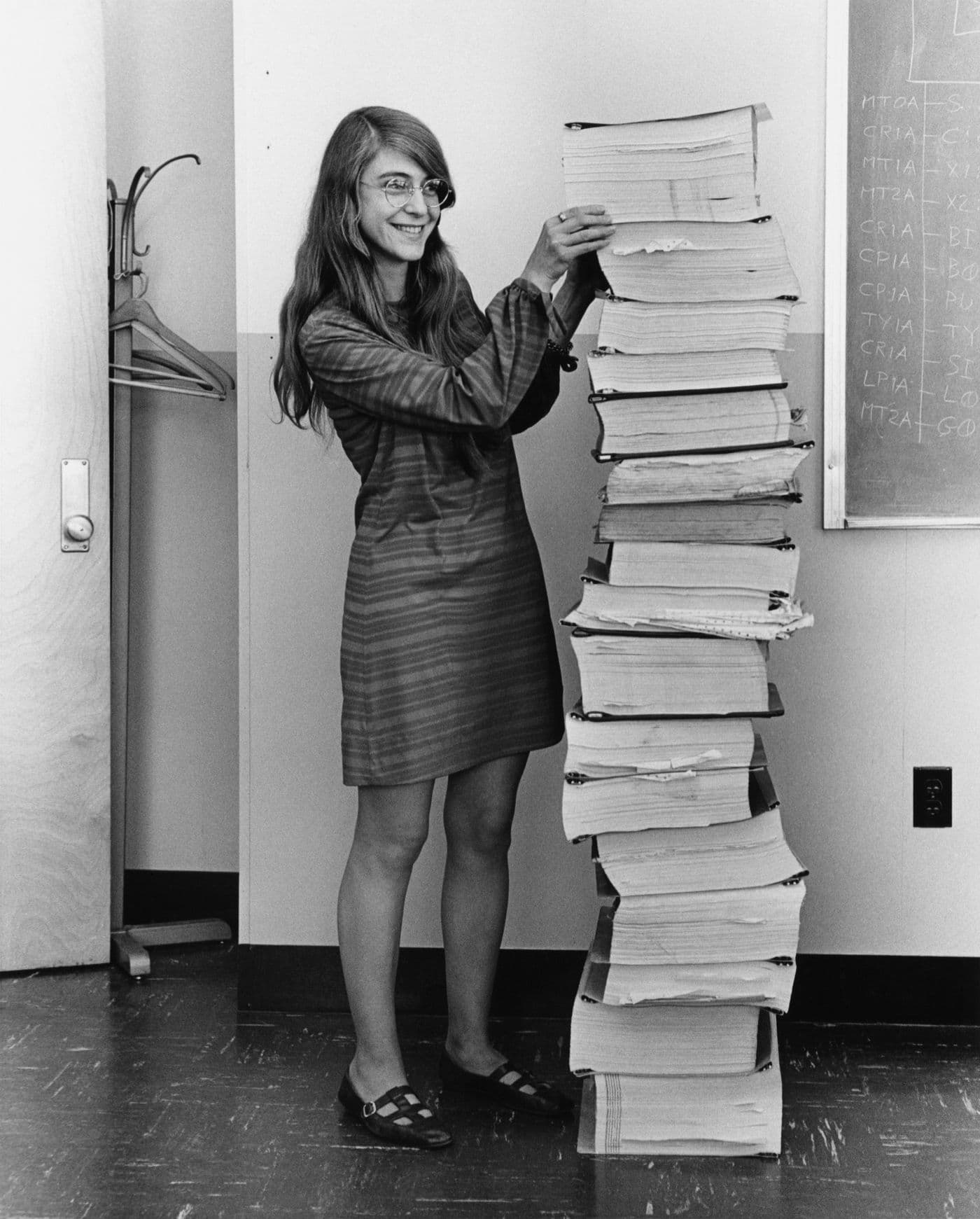
Apollo 10 was the dress rehearsal for the Moon landing in May 1969. Stafford and Cernan descended in the Lunar Module to about 15 km above the surface, while Young remained in the Command Module in lunar orbit.
Apollo 11
The first crewed landing on the Moon. Neil Armstrong and Buzz Aldrin landed in the Sea of Tranquility while Michael Collins waited in orbit.
Apollo 12
In November 1969, Apollo 12 was the second crewed landing on the Moon. The crew of Conrad, Gordon and Bean touched down within tens of metres of the Surveyor 3 probe and brought parts of it back to Earth.
Apollo 13
Third crewed Apollo Moon-landing attempt, aborted after an in-flight oxygen tank explosion; all three astronauts returned safely after a six-day mission.
Apollo 14
In January and February 1971, Apollo 14 resumed crewed Moon landings after the Apollo 13 accident. Commander Alan Shepard, the first American in space, became at the age of 47 the oldest person ever to stand on the Moon — and famously hit golf balls there.
Apollo 15
In July 1971, Apollo 15 was the first mission to carry a lunar rover. The crew of Scott, Worden and Irwin spent three days at the foot of the Apennine Mountains and brought back over 77 kg of rocks, including the famous “Genesis Rock”.
Apollo 16
Apollo 16 landed in the lunar highlands in the Descartes region in April 1972. Young and Duke explored the plateau by rover, while Mattingly worked in lunar orbit.
Apollo 17
NASA's final Apollo Moon landing. Cernan and Schmitt explored Taurus-Littrow for three days while Evans orbited alone; the mission returned the largest sample haul of the program.
Apollo 7
In October 1968, Apollo 7 was the first crewed flight of the Apollo program. The crew of Schirra, Eisele and Cunningham checked out the Command and Service Module in Earth orbit and made the first live television broadcasts from an American spacecraft.
Apollo 8
In December 1968, Apollo 8 became the first crewed mission to leave Earth orbit and fly around the Moon. On Christmas Eve the crew of Borman, Lovell and Anders read a passage from Genesis from lunar orbit and took the famous Earthrise photograph.
Apollo 9
In March 1969, Apollo 9 gave the Lunar Module its first crewed test — in the safety of Earth orbit. The crew of McDivitt, Scott and Schweickart rehearsed the rendezvous and docking of the two spacecraft, essential for the later landing on the Moon.
Apollo–Soyuz
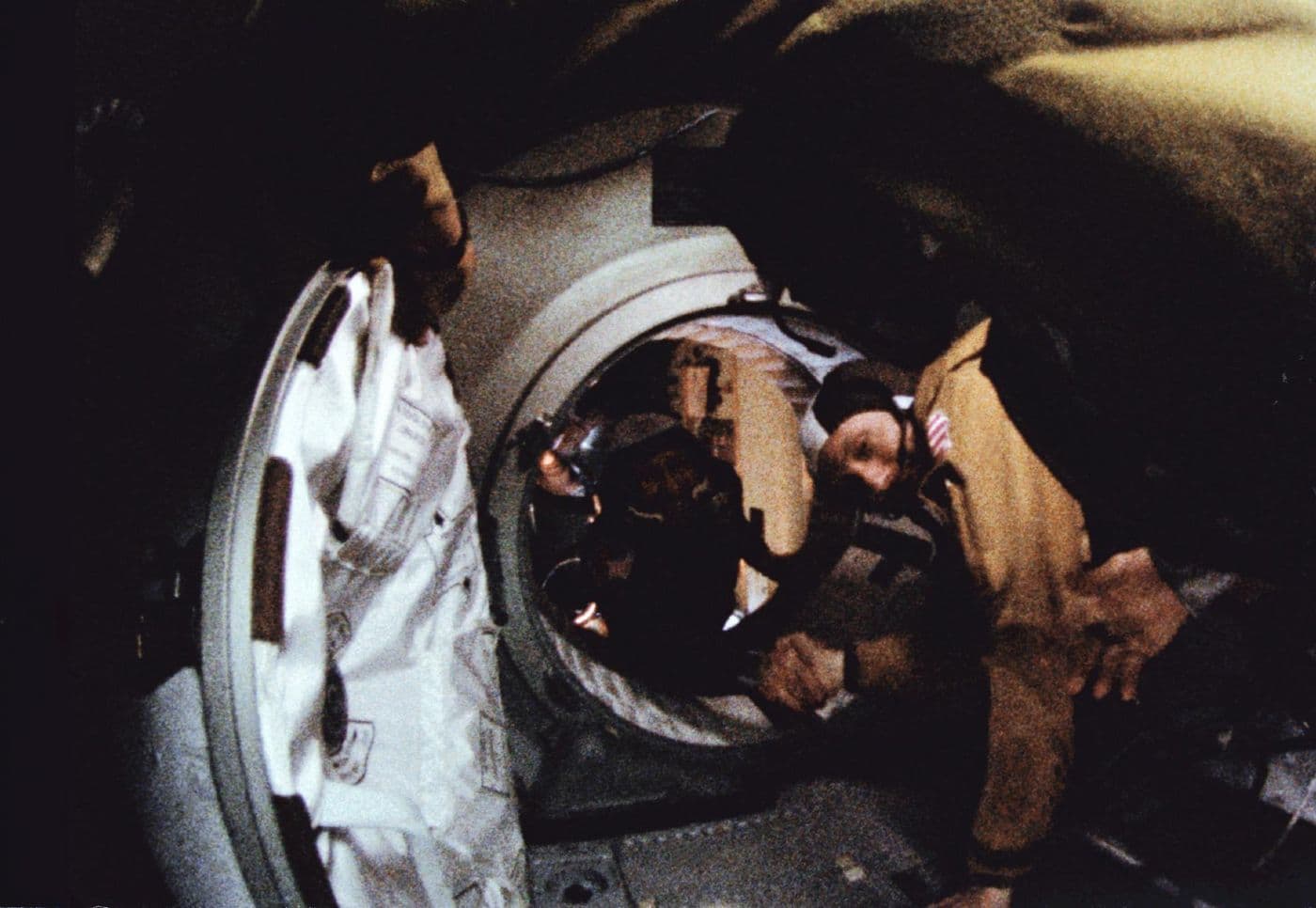
Apollo–Soyuz (ASTP) was the first joint Soviet–American crewed flight, on 15–24 July 1975. The American Apollo docked with the Soviet Soyuz 19 and Tom Stafford shook hands with Alexei Leonov — the first international docking and a symbolic end to the space race.
Artemis I
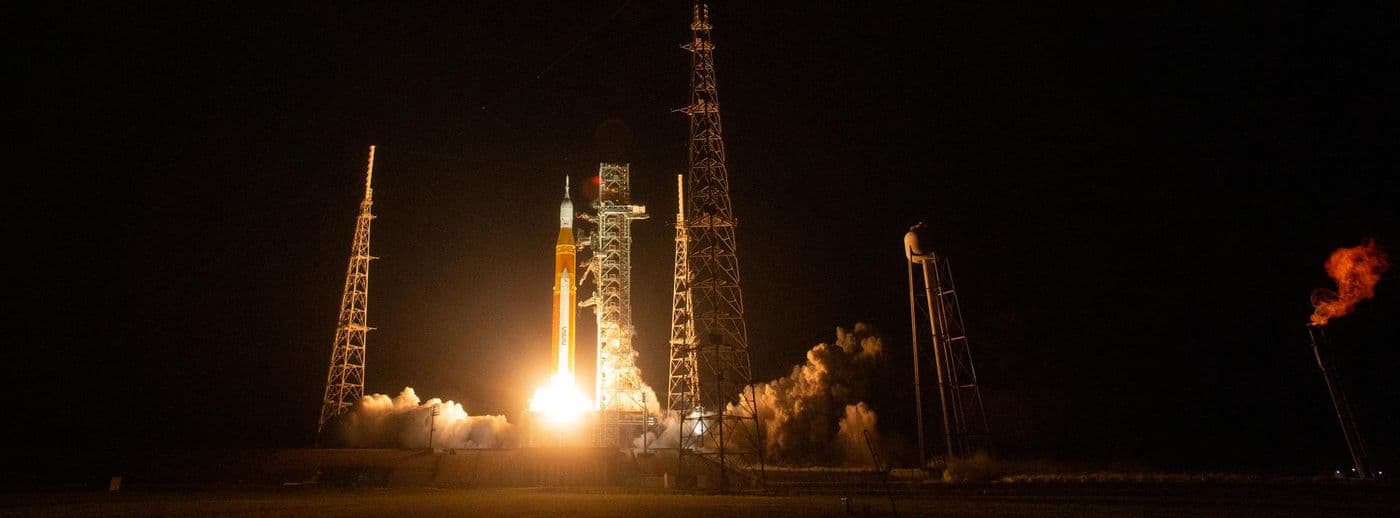
Artemis I was the first integrated test of the SLS rocket, Orion spacecraft and ground systems for returning humans to the Moon. Uncrewed, it looped around the Moon and safely returned to Earth.
Cassini–Huygens
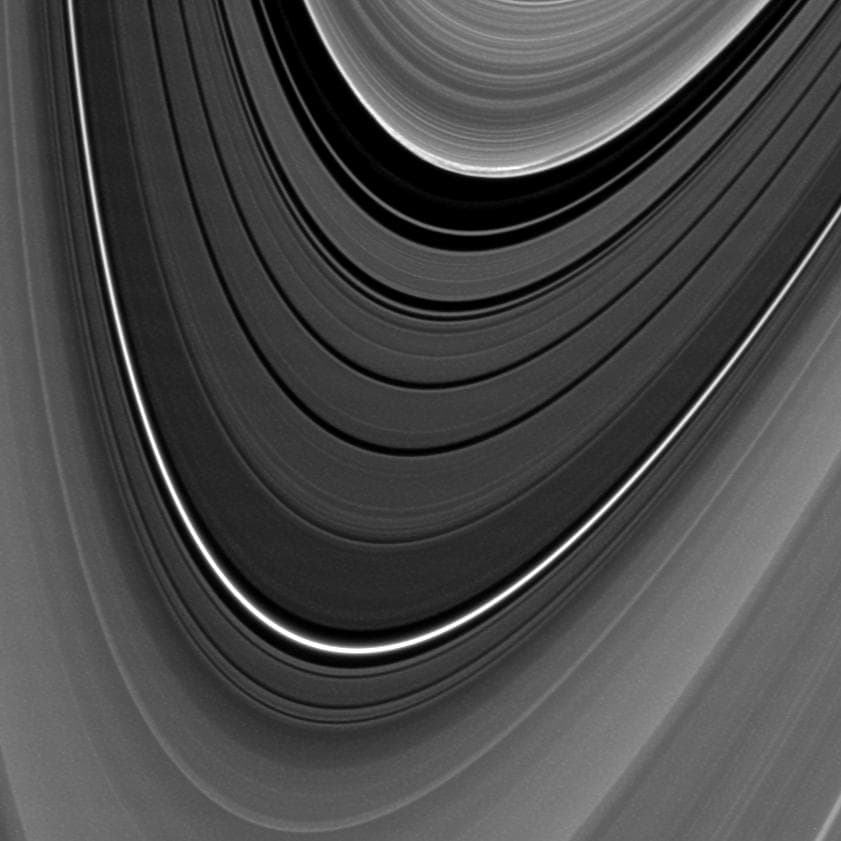
The Cassini–Huygens mission spent thirteen years at Saturn, revealing a dynamic ring system, methane lakes on Titan and active plumes from Enceladus.
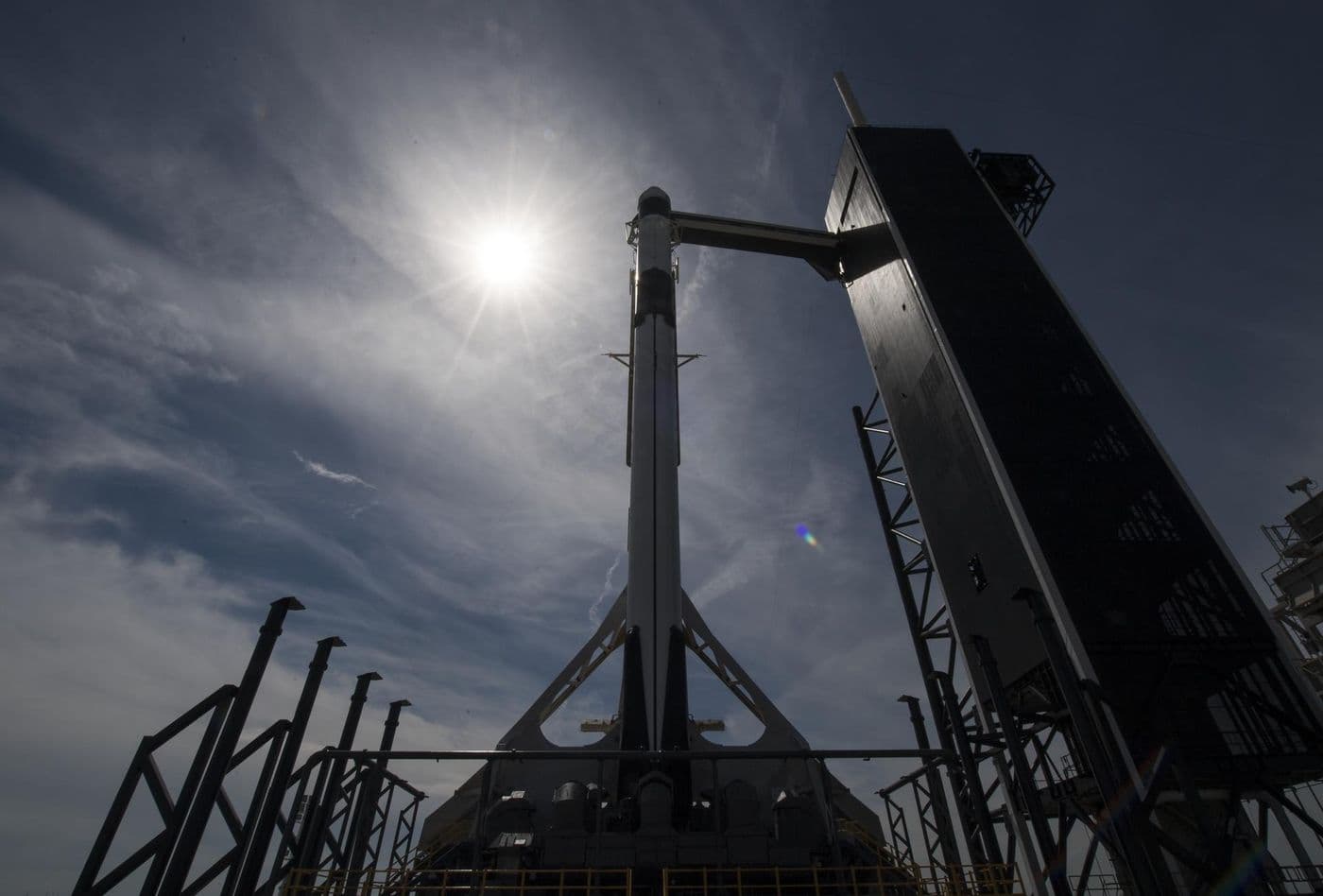
Crew Dragon Demo-1
Uncrewed end-to-end orbital demonstration of Crew Dragon, including autonomous docking with the International Space Station and recovery in the Atlantic Ocean.
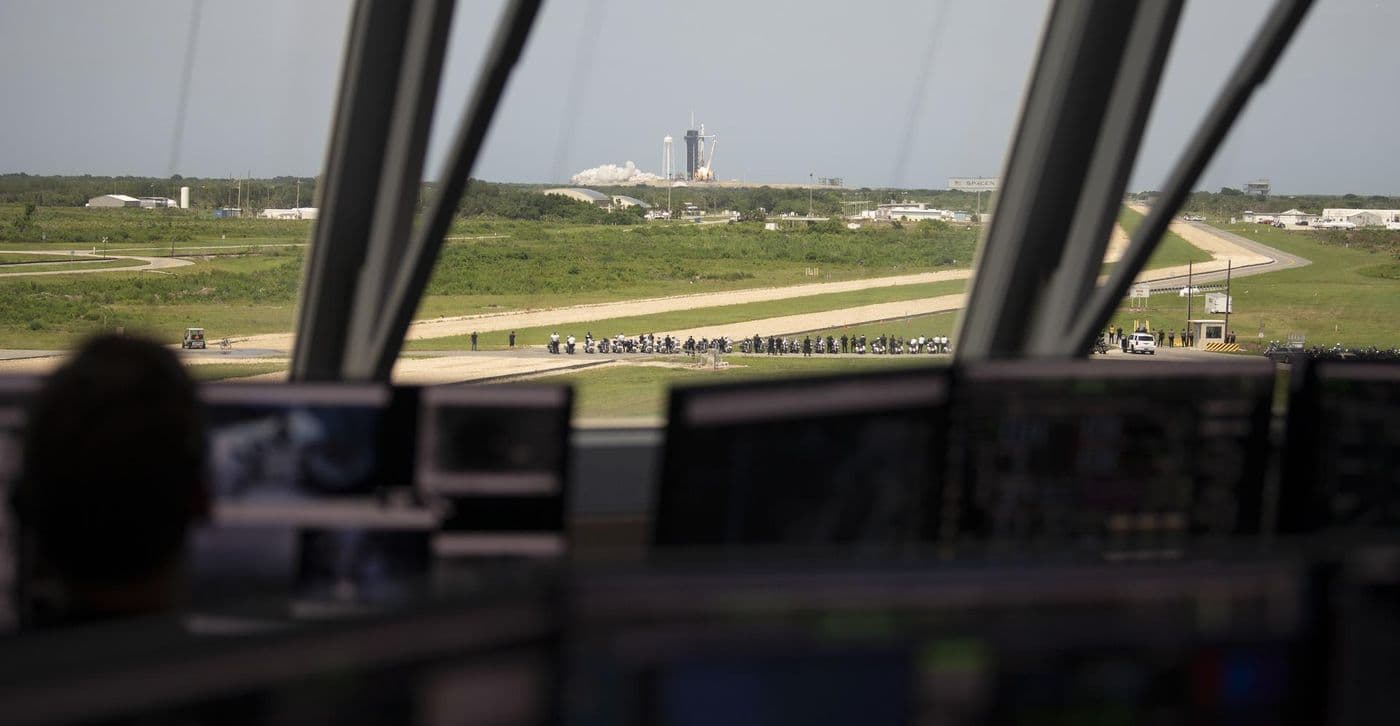
Crew Dragon Demo-2
První pilotovaný let Crew Dragonu k ISS a závěrečná end-to-end zkouška před certifikací systému.
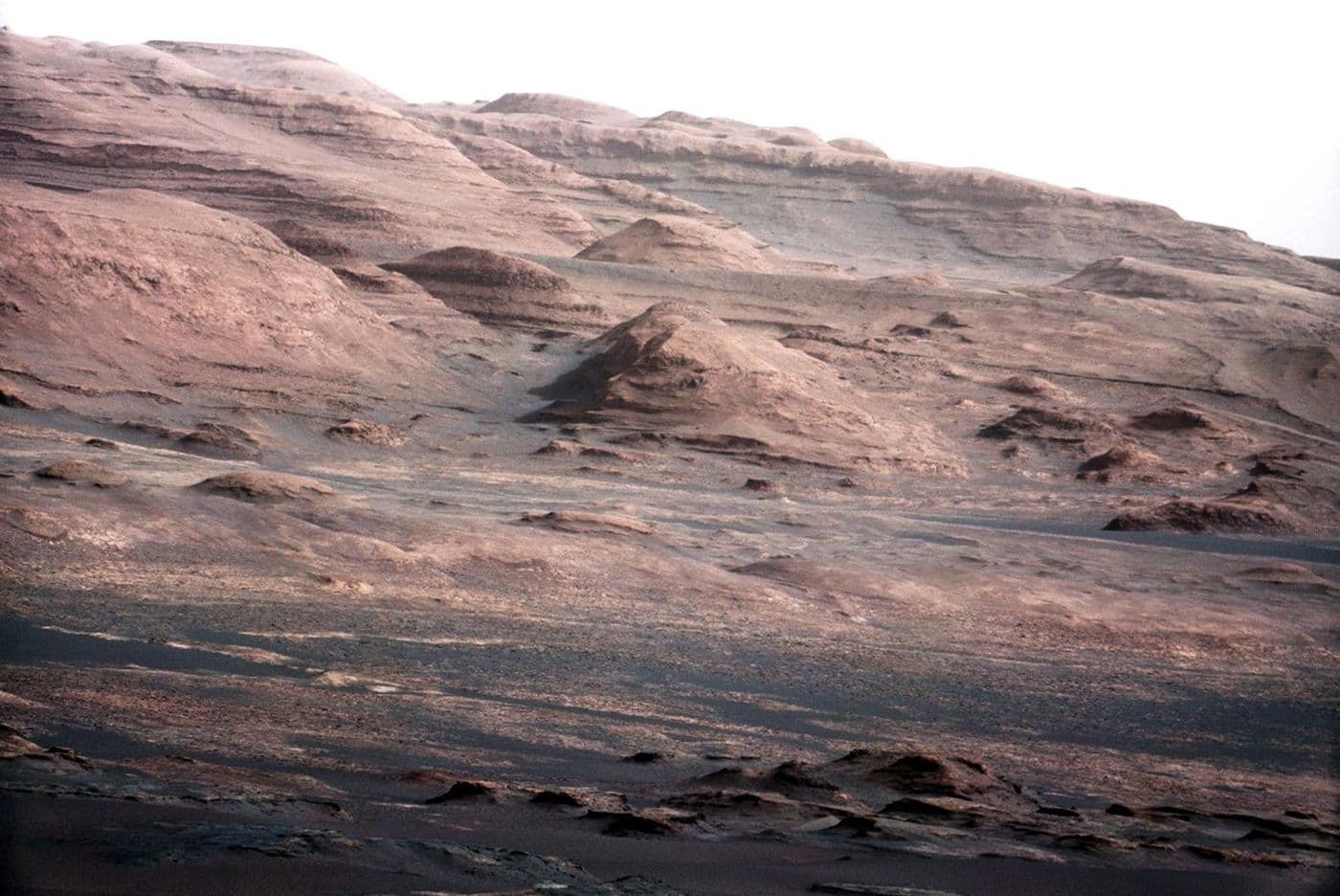
Curiosity
NASA’s Curiosity rover has been studying Gale Crater on Mars since 2012, reconstructing the planet’s ancient environments and habitability.
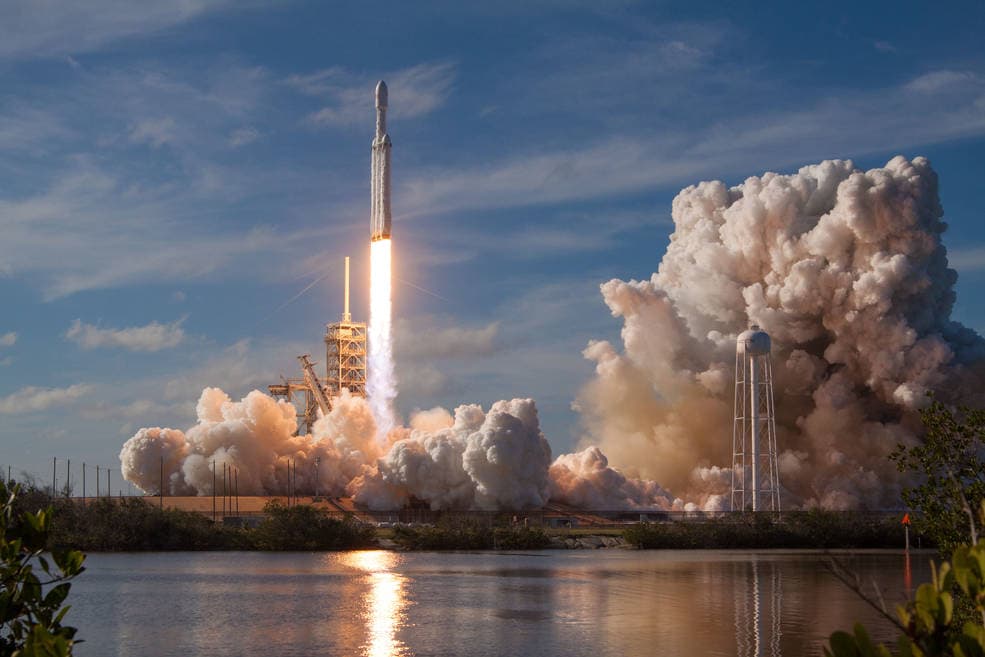
Falcon Heavy Demonstration Mission
První demonstrační let Falconu Heavy; oba postranní stupně úspěšně přistály, zatímco centrální stupeň se při přistávacím zážehu nepodařilo zachránit.
Freedom 7
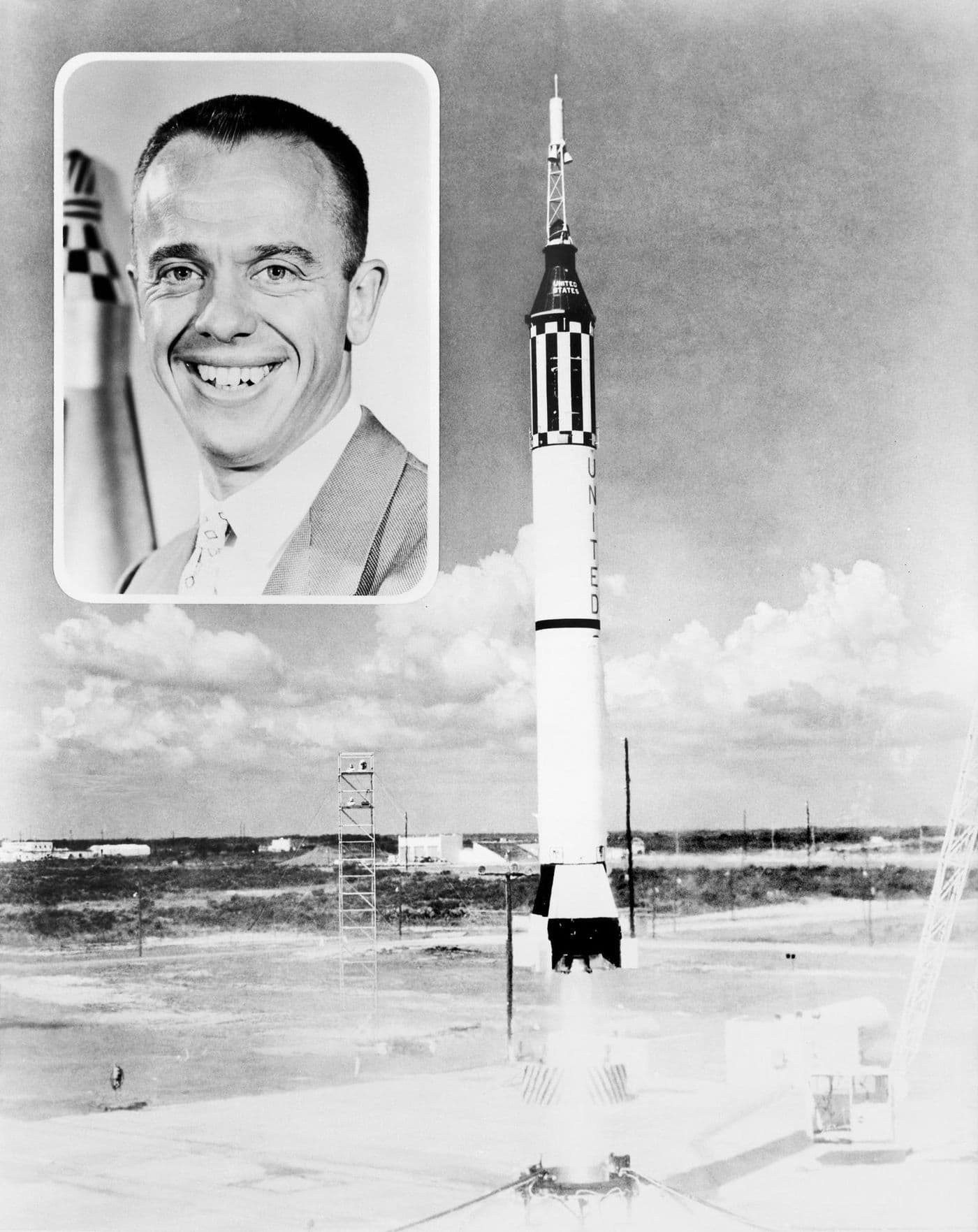
On 5 May 1961, Freedom 7 carried Alan Shepard on a fifteen-minute suborbital flight — the first spaceflight by an American, three weeks after Gagarin. The Mercury capsule reached an altitude of 187 km and splashed down in the Atlantic.
Friendship 7
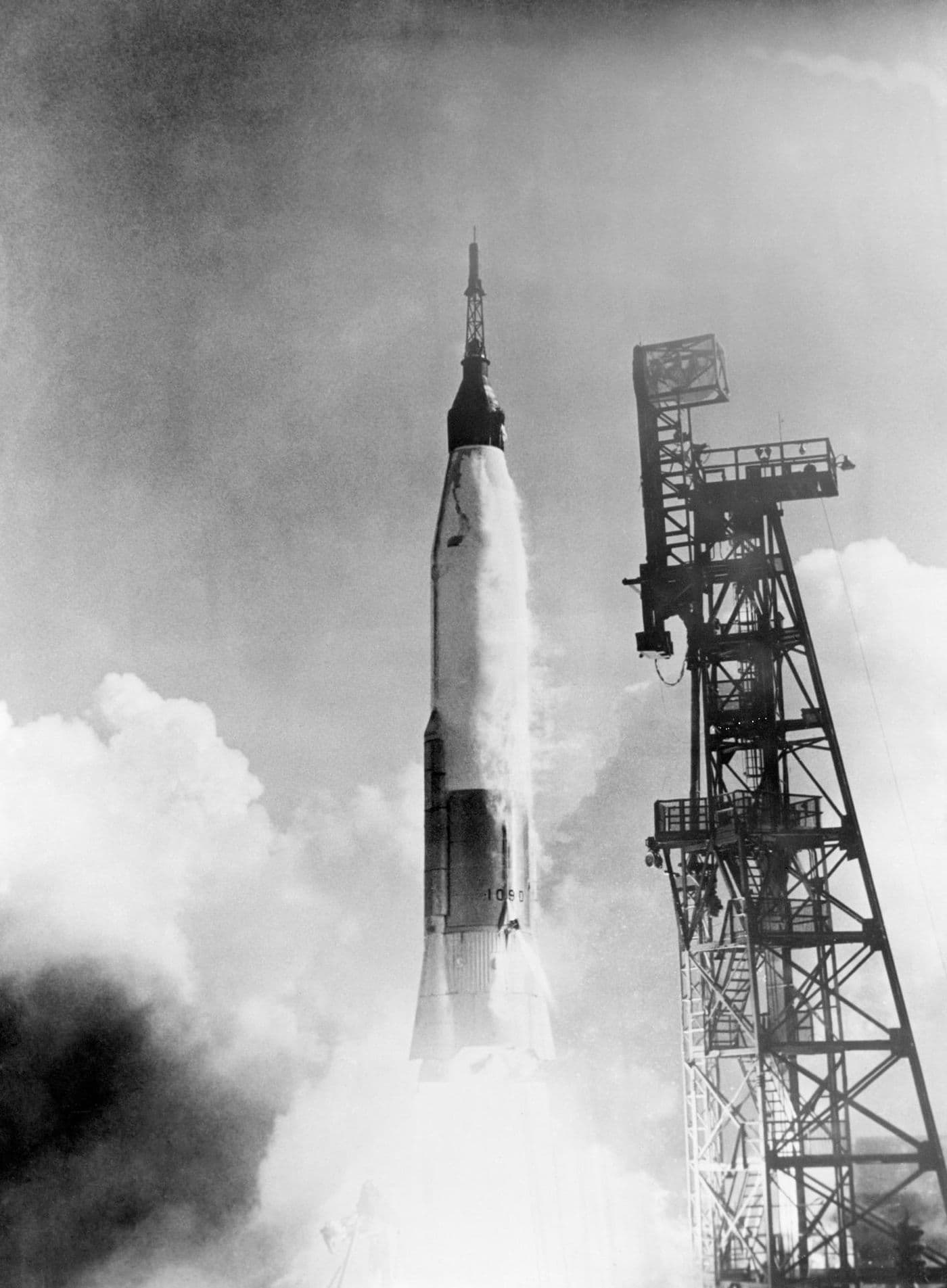
On 20 February 1962, Friendship 7 carried John Glenn around Earth three times — the first orbital flight by an American. The mission lasted just under five hours and made Glenn a national hero.
Gemini 4
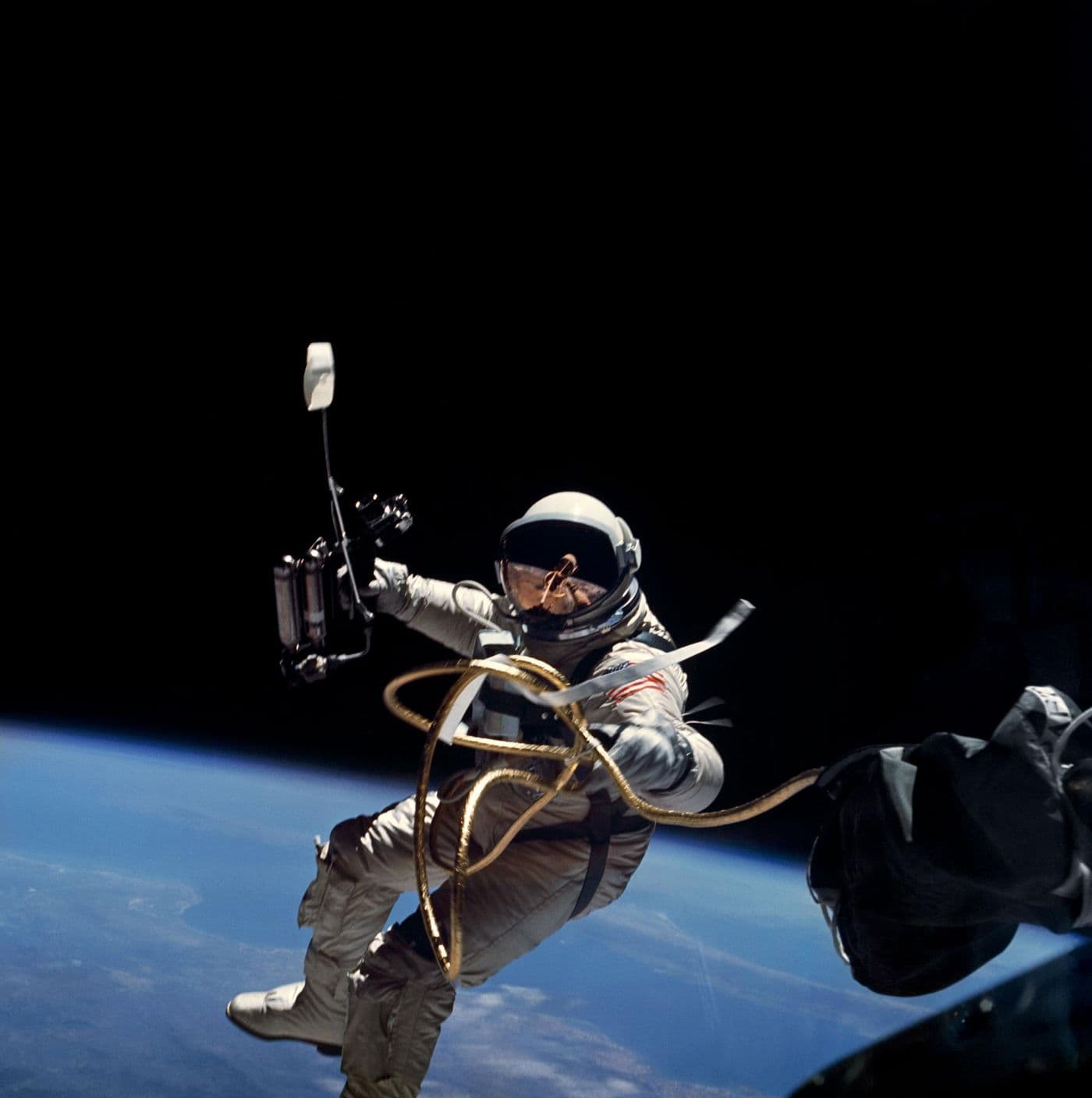
In June 1965, Gemini 4 brought the first American spacewalk — Ed White spent 23 minutes outside the spacecraft. The four-day flight with James McDivitt was also the longest American spaceflight up to that time.
Gemini 5
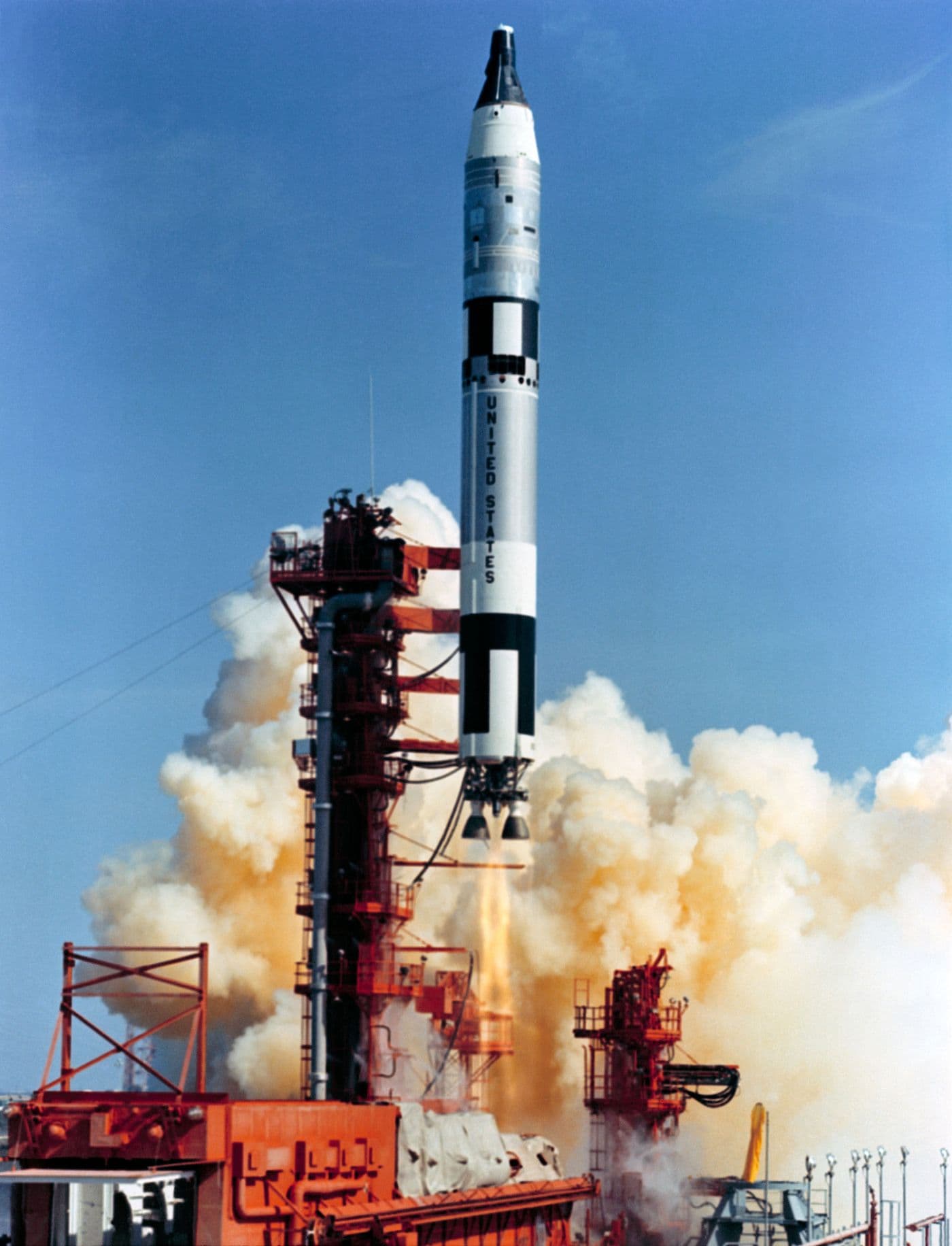
The third crewed Gemini flight tested eight-day endurance, rendezvous procedures and systems required for later lunar missions.
Gemini 8
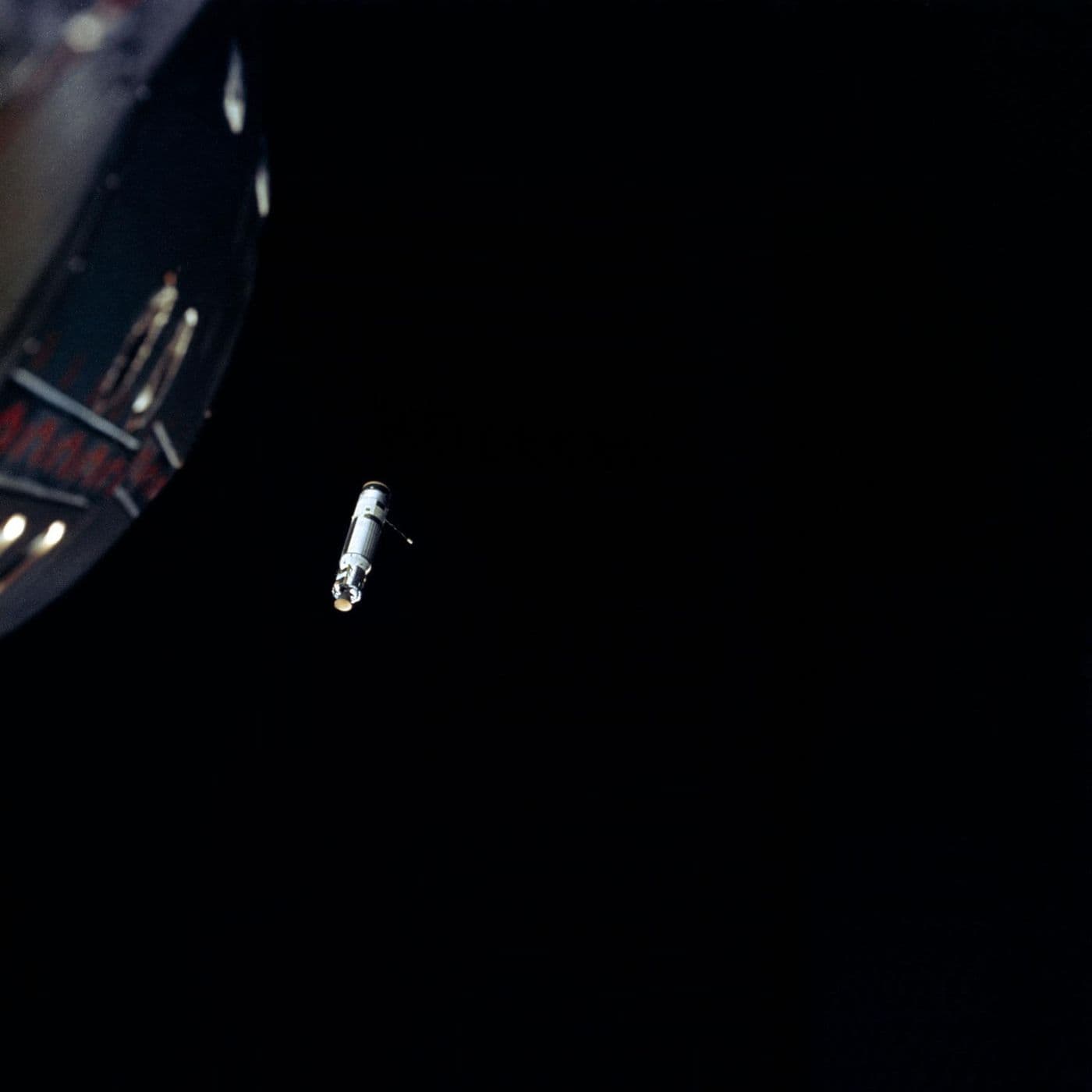
In March 1966, Gemini 8 achieved the first docking of two spacecraft in orbit. Moments after docking, however, the craft carrying Neil Armstrong and David Scott began to spin uncontrollably — the mission was saved by the commander’s cool-headed emergency response.
International Space Station (ISS)
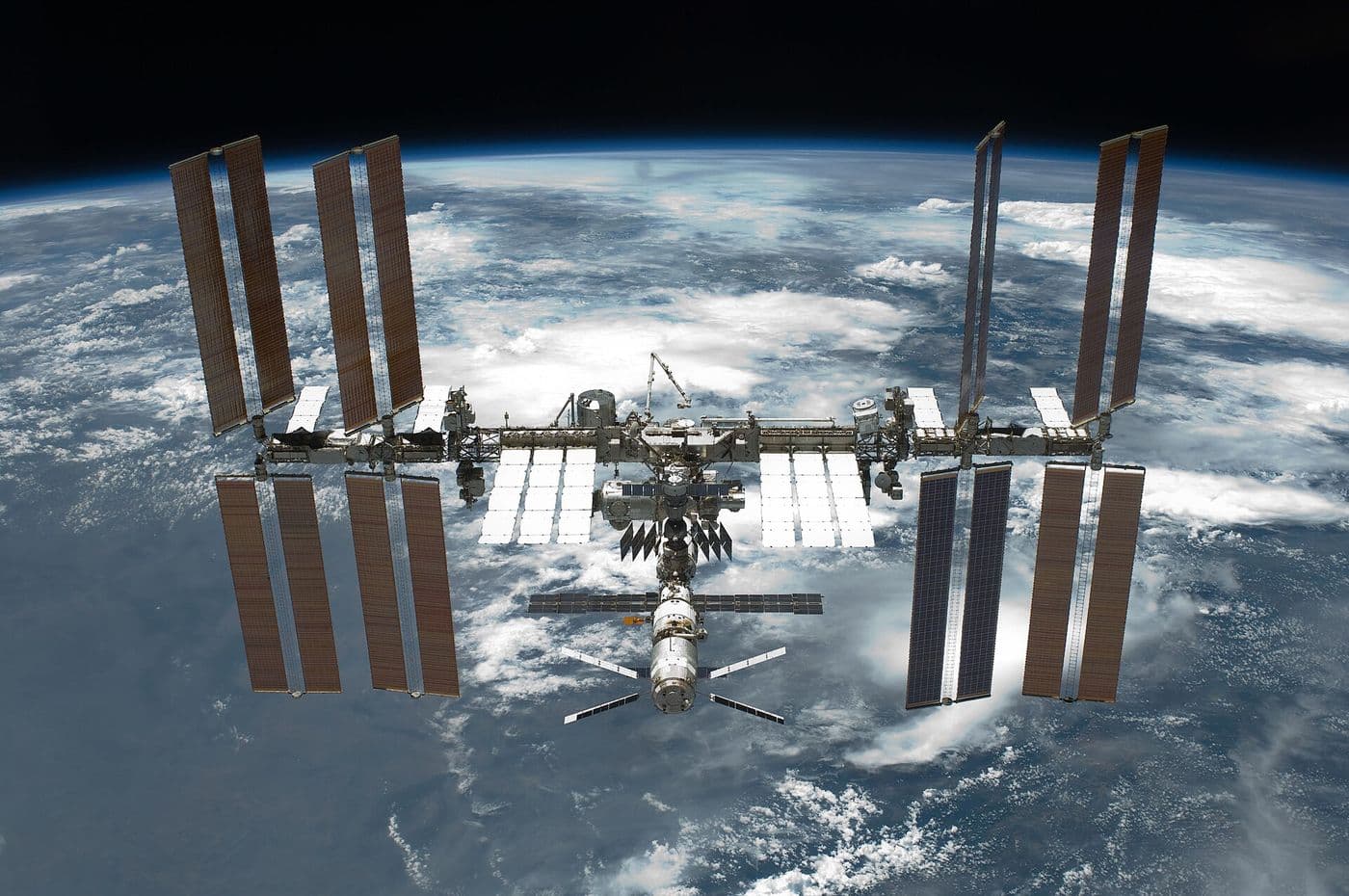
A continuously operated international station in low Earth orbit, under construction since 1998 and continuously inhabited since November 2000.
Mariner 9
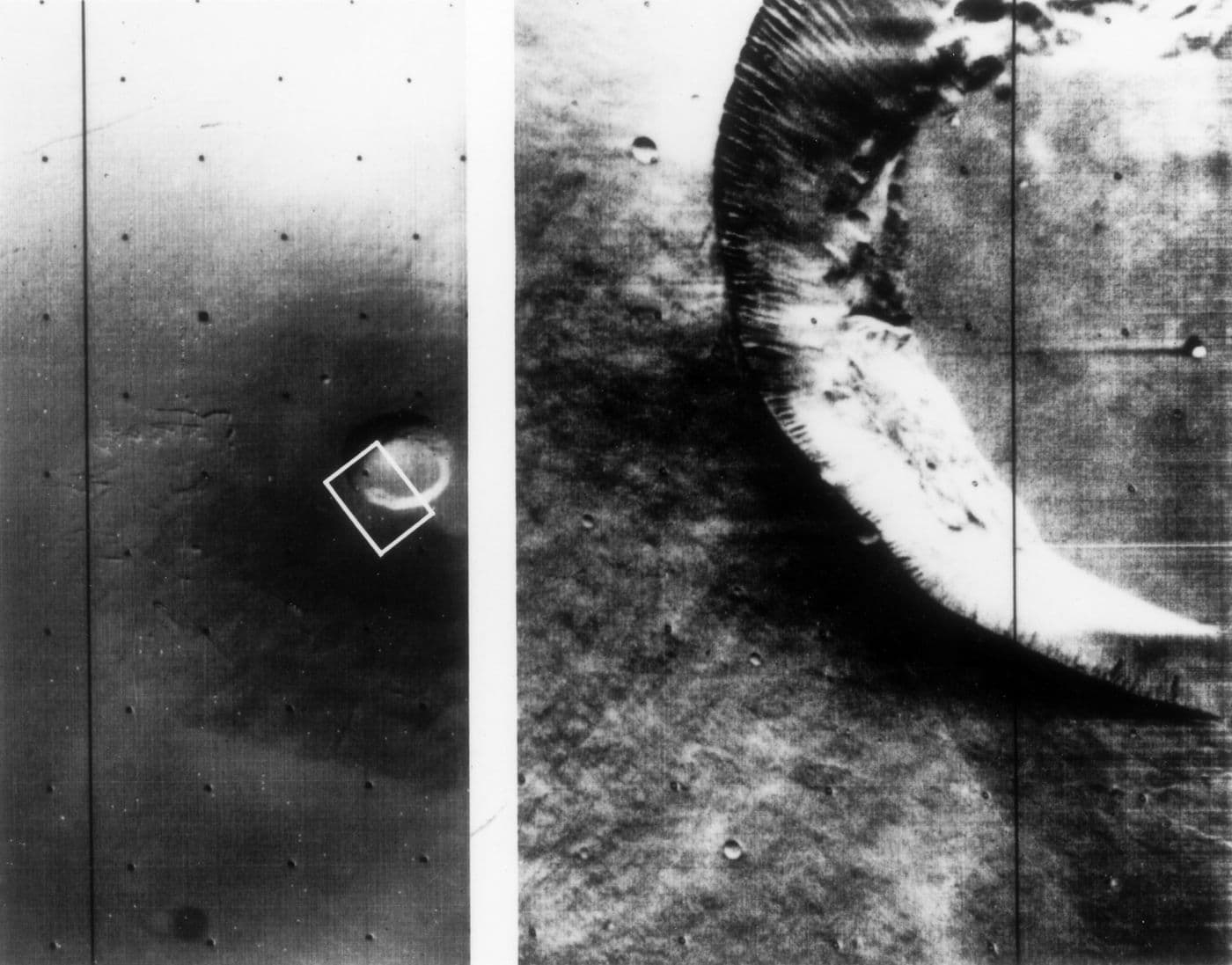
NASA’s Mariner 9 was the first spacecraft to orbit another planet, mapping Mars and transforming our view of its volcanic and canyon landscapes.
Nancy Grace Roman Space Telescope
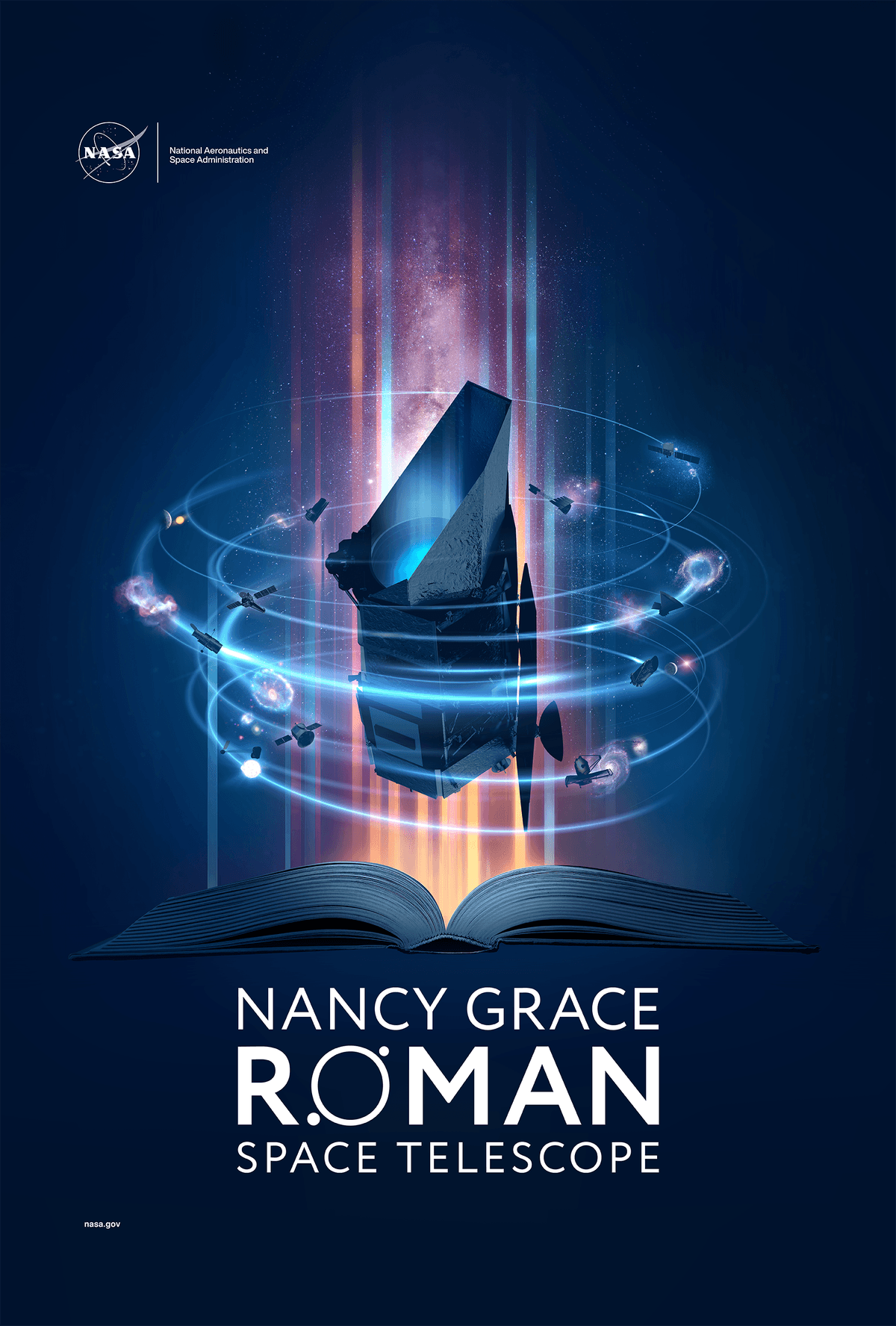
NASA’s flagship infrared observatory, launched on Falcon Heavy on Aug. 30, 2026 toward the Sun–Earth L2 region. Its wide surveys will investigate dark energy, exoplanets, and galaxy evolution.
Nancy Grace Roman Space Telescope
NASA’s flagship infrared observatory, launched on Falcon Heavy on Aug. 30, 2026 toward the Sun–Earth L2 region. Its wide surveys will investigate dark energy, exoplanets, and galaxy evolution.
Nancy Grace Roman Space Telescope
NASA’s flagship infrared observatory, launched on Falcon Heavy on Aug. 30, 2026 toward the Sun–Earth L2 region. Its wide surveys will investigate dark energy, exoplanets, and galaxy evolution.
Nancy Grace Roman Space Telescope
NASA’s flagship infrared observatory, launched on Falcon Heavy on Aug. 30, 2026 toward the Sun–Earth L2 region. Its wide surveys will investigate dark energy, exoplanets, and galaxy evolution.
Nancy Grace Roman Space Telescope
NASA’s flagship infrared observatory, launched on Falcon Heavy on Aug. 30, 2026 toward the Sun–Earth L2 region. Its wide surveys will investigate dark energy, exoplanets, and galaxy evolution.
Nancy Grace Roman Space Telescope
NASA’s flagship infrared observatory, launched on Falcon Heavy on Aug. 30, 2026 toward the Sun–Earth L2 region. Its wide surveys will investigate dark energy, exoplanets, and galaxy evolution.
Nancy Grace Roman Space Telescope
NASA’s flagship infrared observatory, launched on Falcon Heavy on Aug. 30, 2026 toward the Sun–Earth L2 region. Its wide surveys will investigate dark energy, exoplanets, and galaxy evolution.
Nancy Grace Roman Space Telescope
NASA’s flagship infrared observatory, launched on Falcon Heavy on Aug. 30, 2026 toward the Sun–Earth L2 region. Its wide surveys will investigate dark energy, exoplanets, and galaxy evolution.
Nancy Grace Roman Space Telescope
NASA’s flagship infrared observatory, launched on Falcon Heavy on Aug. 30, 2026 toward the Sun–Earth L2 region. Its wide surveys will investigate dark energy, exoplanets, and galaxy evolution.
Nancy Grace Roman Space Telescope
NASA’s flagship infrared observatory, launched on Falcon Heavy on Aug. 30, 2026 toward the Sun–Earth L2 region. Its wide surveys will investigate dark energy, exoplanets, and galaxy evolution.
Nancy Grace Roman Space Telescope
NASA’s flagship infrared observatory, launched on Falcon Heavy on Aug. 30, 2026 toward the Sun–Earth L2 region. Its wide surveys will investigate dark energy, exoplanets, and galaxy evolution.
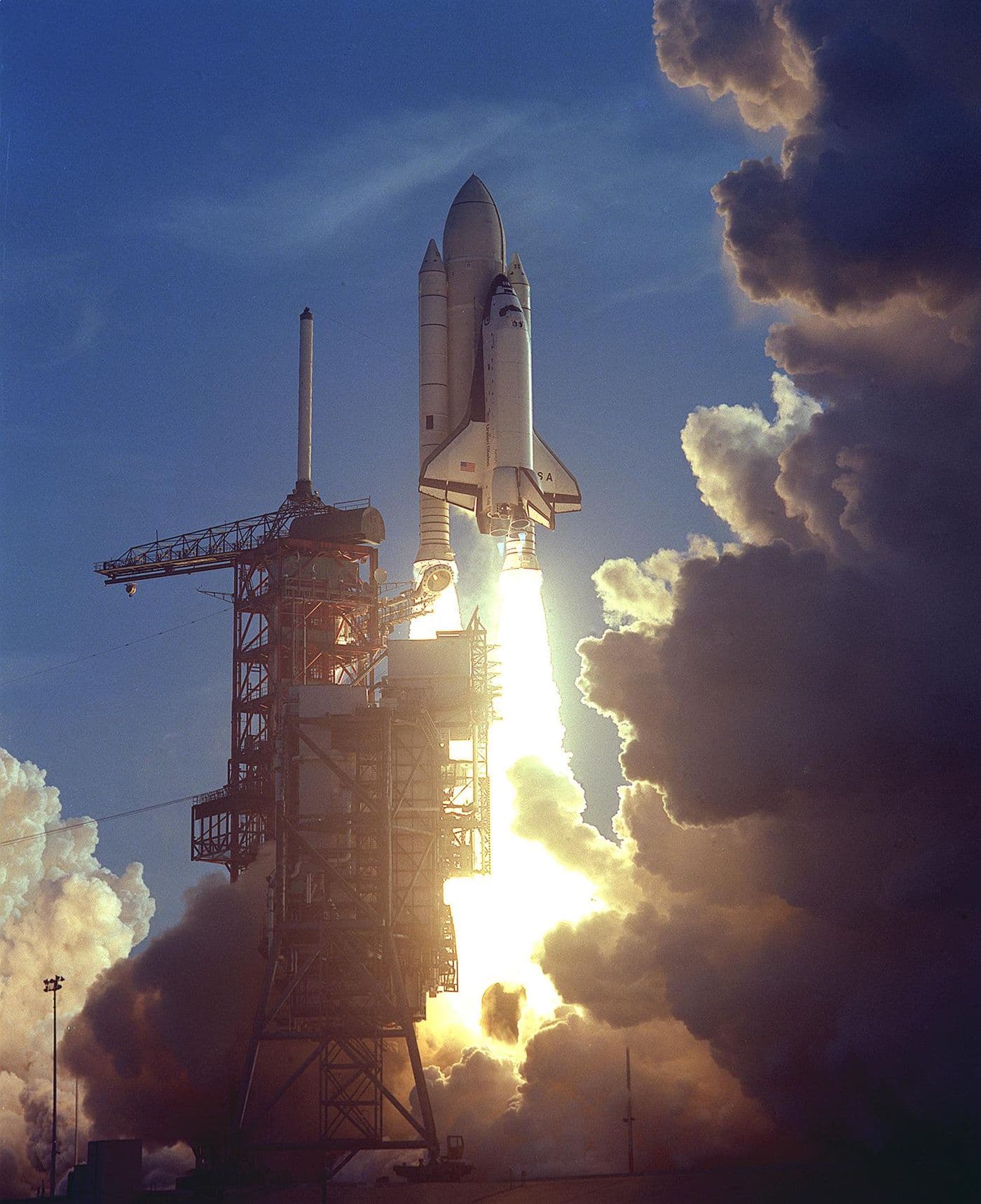
STS-1
The first orbital flight of the Space Shuttle system. In April 1981 Columbia, crewed by John Young and Robert Crippen, tested shuttle launch, orbital operations and runway landing for the first time.
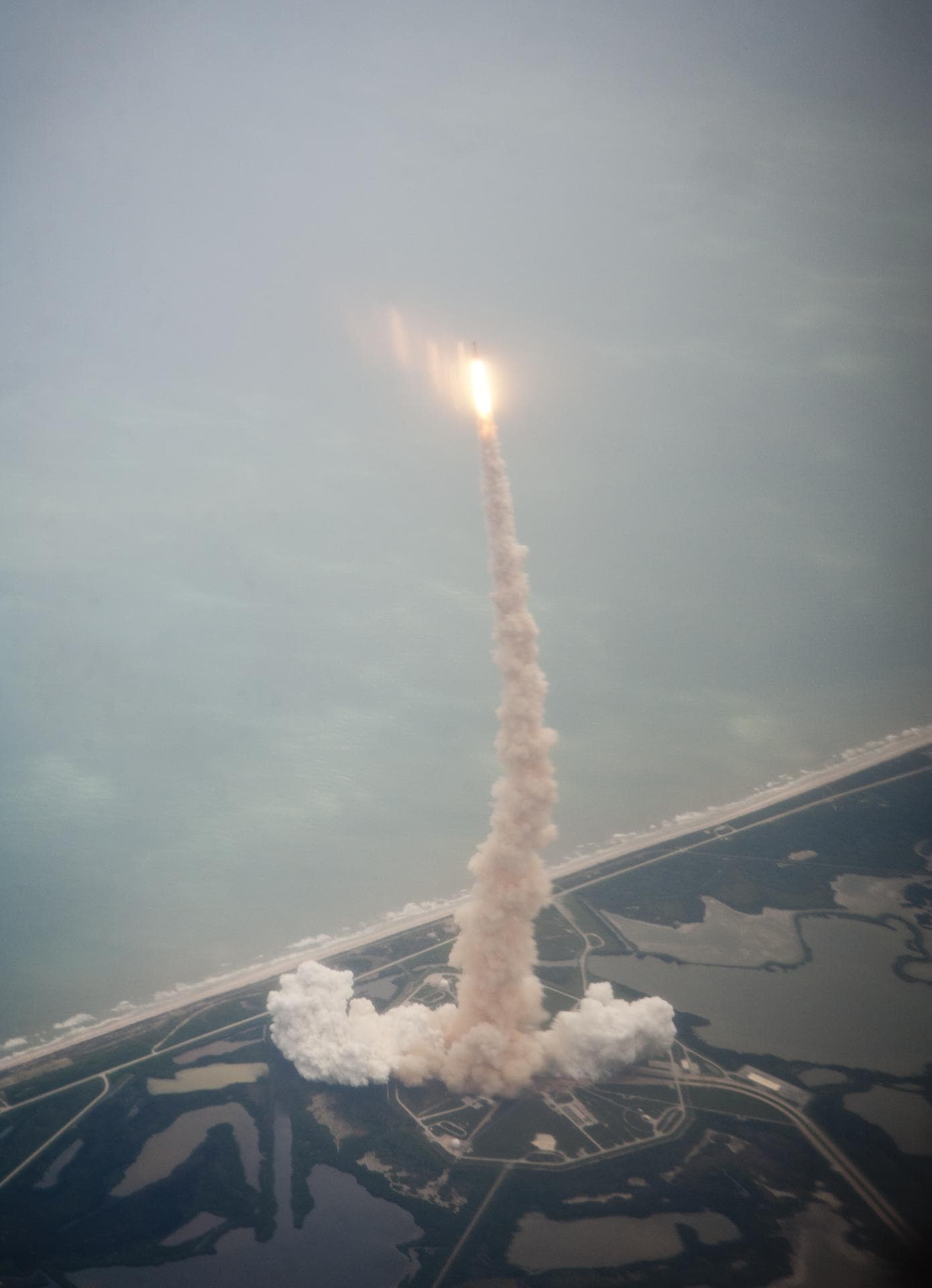
STS-135
The final Space Shuttle mission. In July 2011 Atlantis delivered supplies and spare parts to the ISS, closing the shuttle’s thirty-year era.
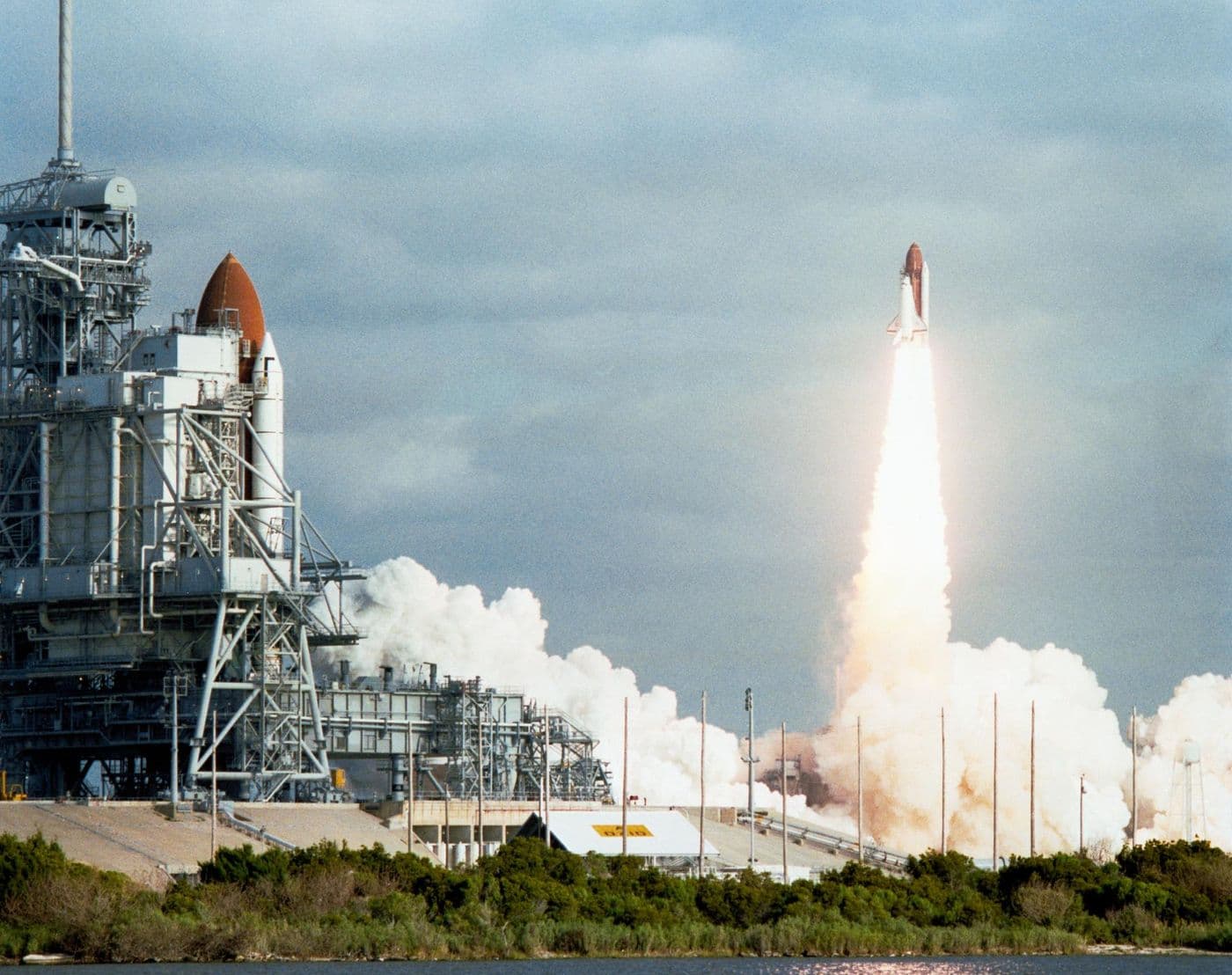
STS-31
The Space Shuttle Discovery mission that deployed the Hubble Space Telescope in April 1990.
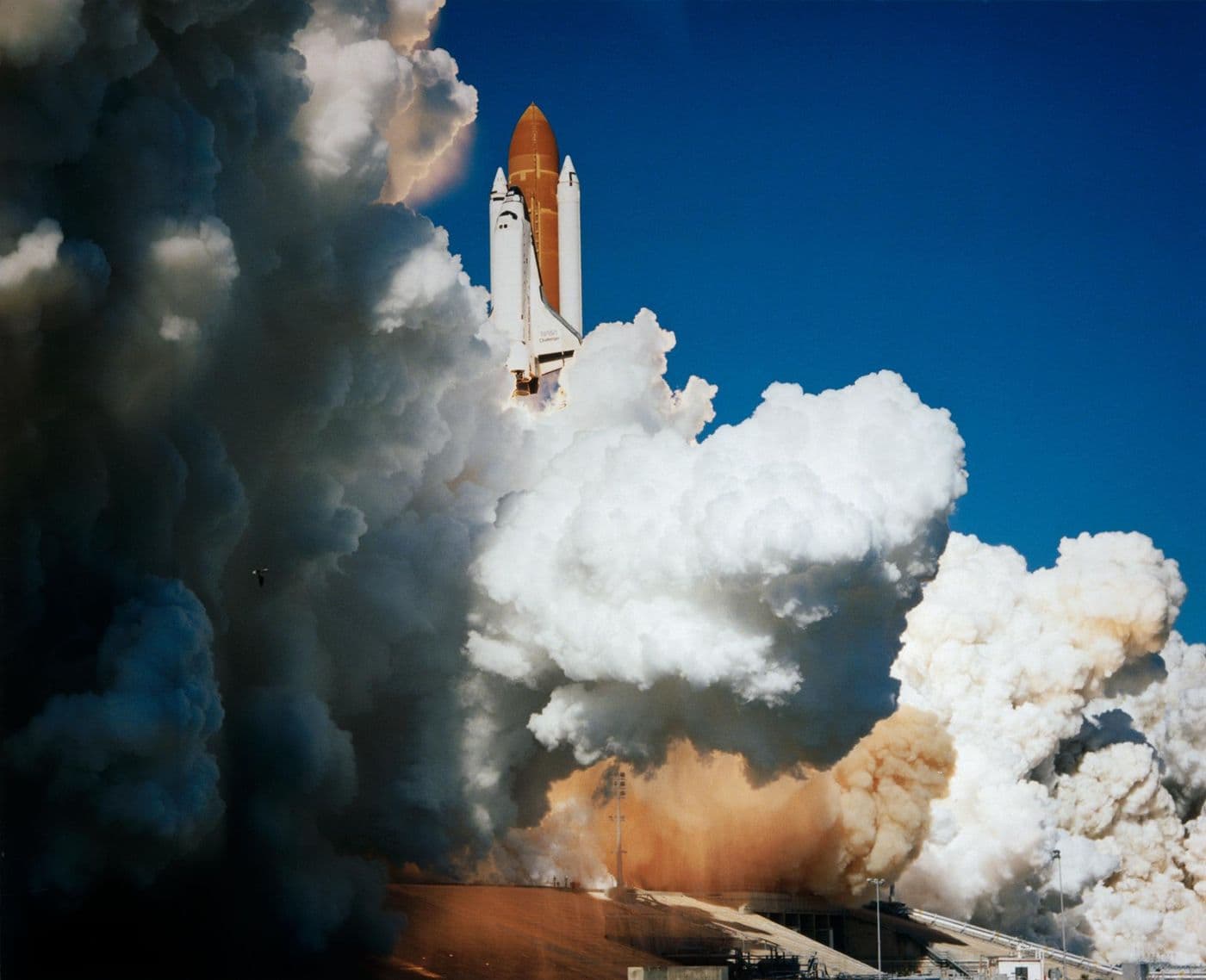
STS-51-L
STS-51-L was the twenty-fifth mission of the Space Shuttle program. On 28 January 1986, 73 seconds after launch, the orbiter Challenger broke apart when a frost-embrittled O-ring in its right solid rocket booster failed — the entire seven-member crew died, including teacher Christa McAuliffe.
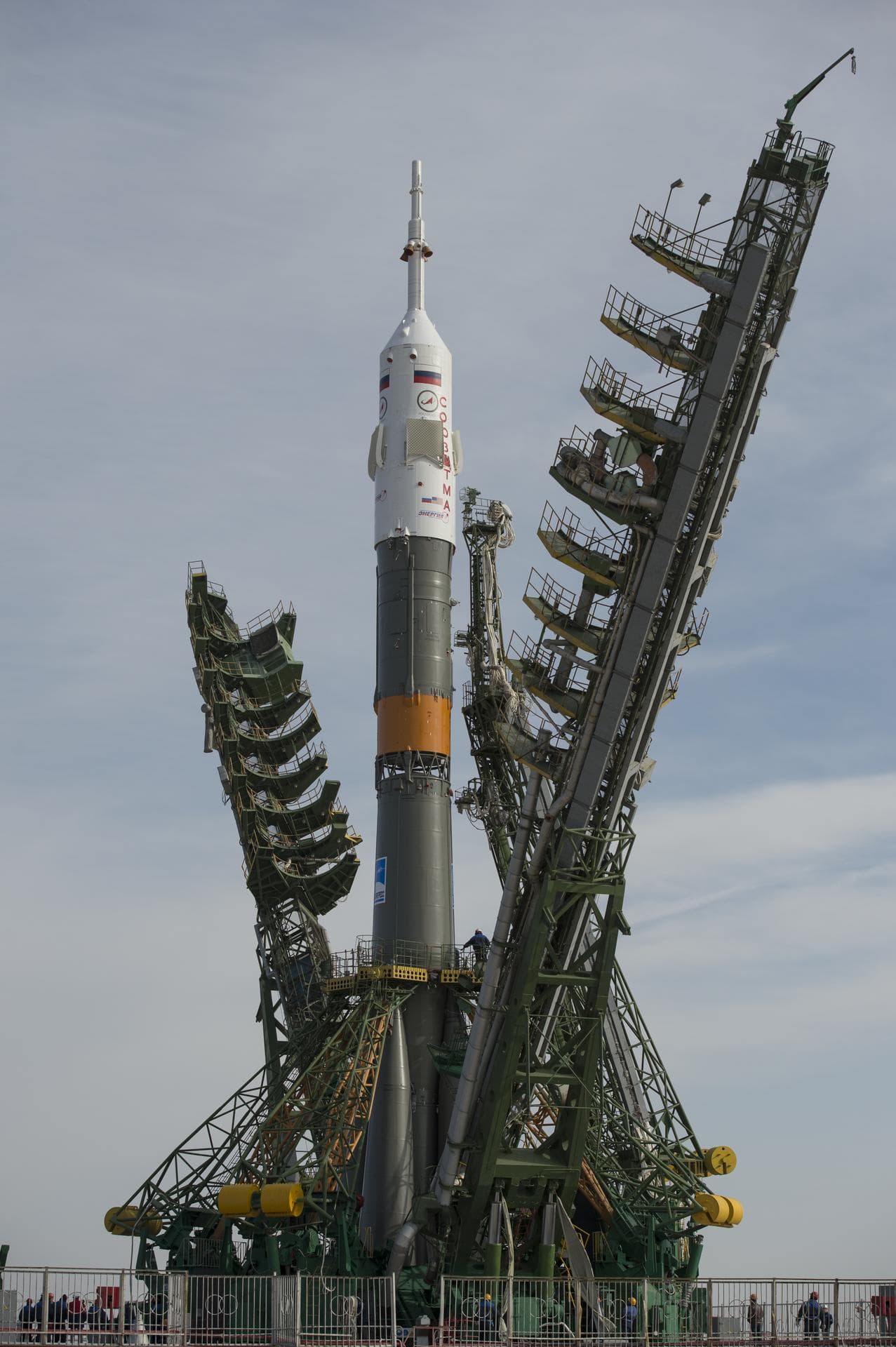
Soyuz T-10-1
A launch to the Salyut 7 station aborted by a fire on the pad less than two minutes before the planned liftoff. The crew was saved by the SAS escape system; the rocket was destroyed in the explosion.
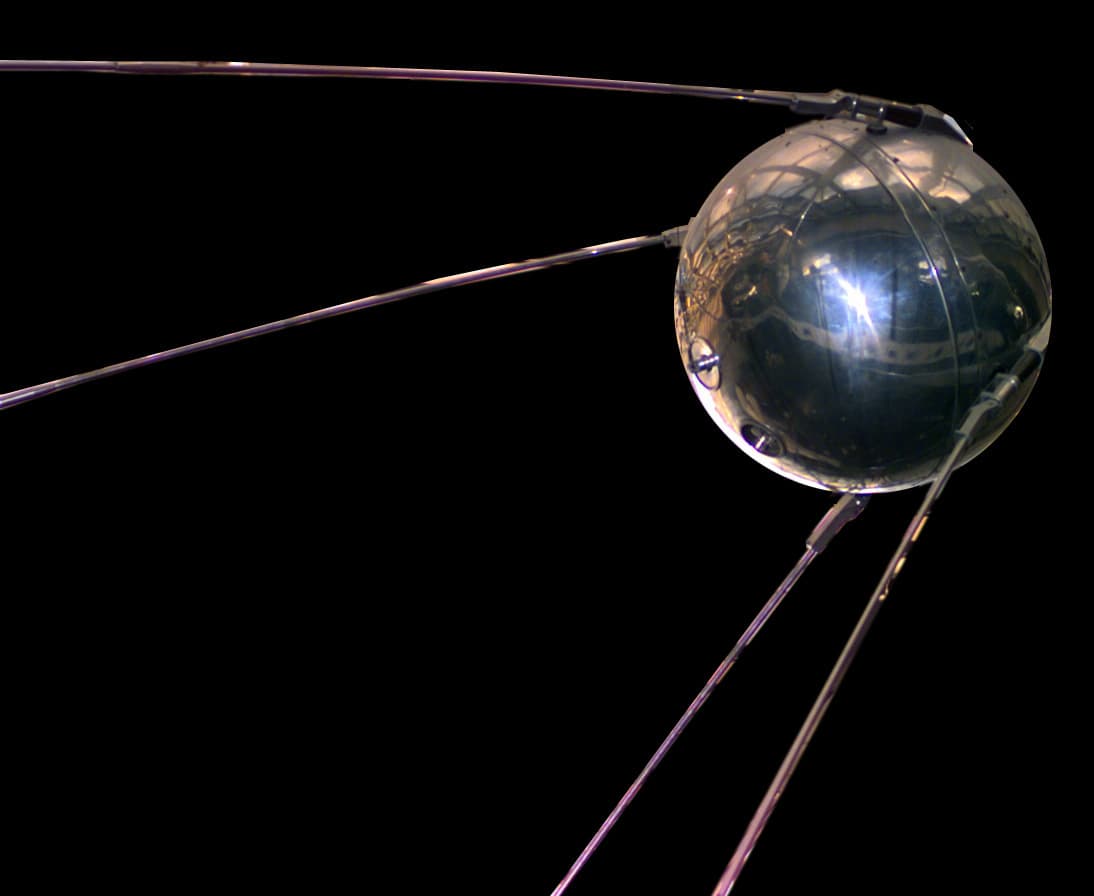
Sputnik 1
The first artificial satellite of Earth. Launched on 4 October 1957, it remained in orbit for 92 days.
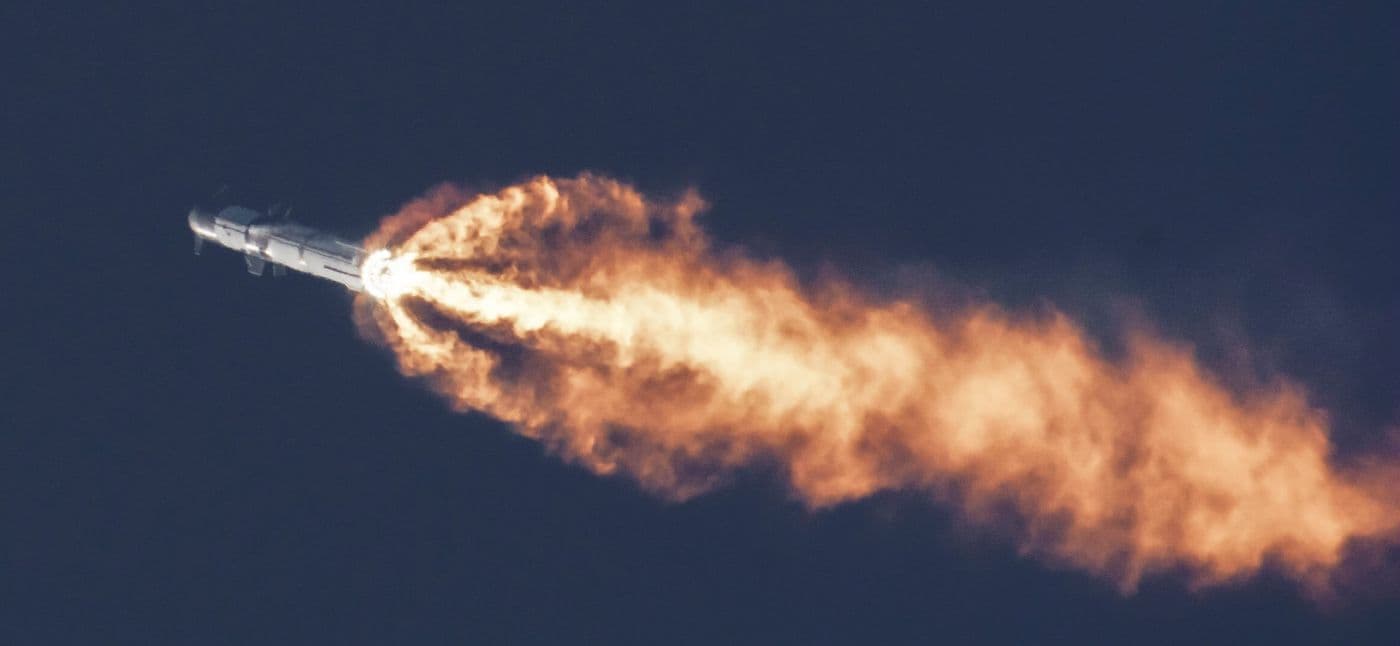
Starship Flight 1
First full-stack launch; engine and control losses ended the flight.
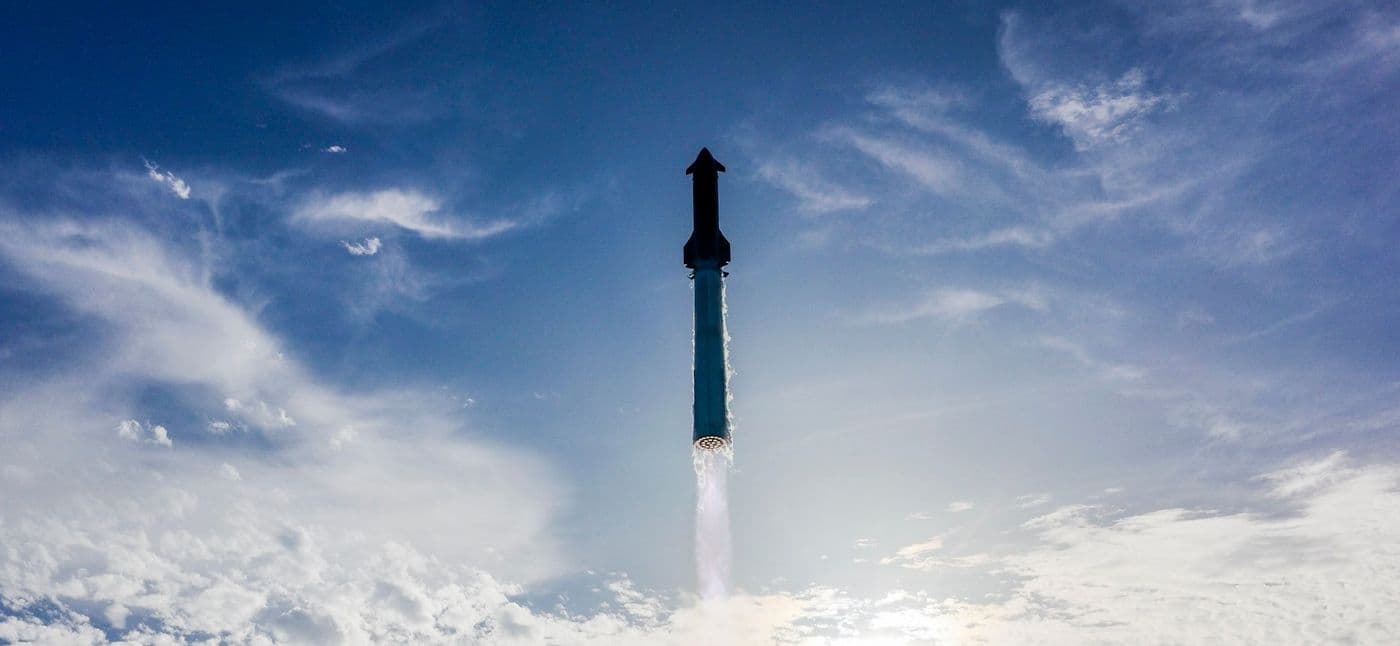
Starship Flight 10
Return to a successful flight profile: dummy Starlink deployment and controlled ship descent.
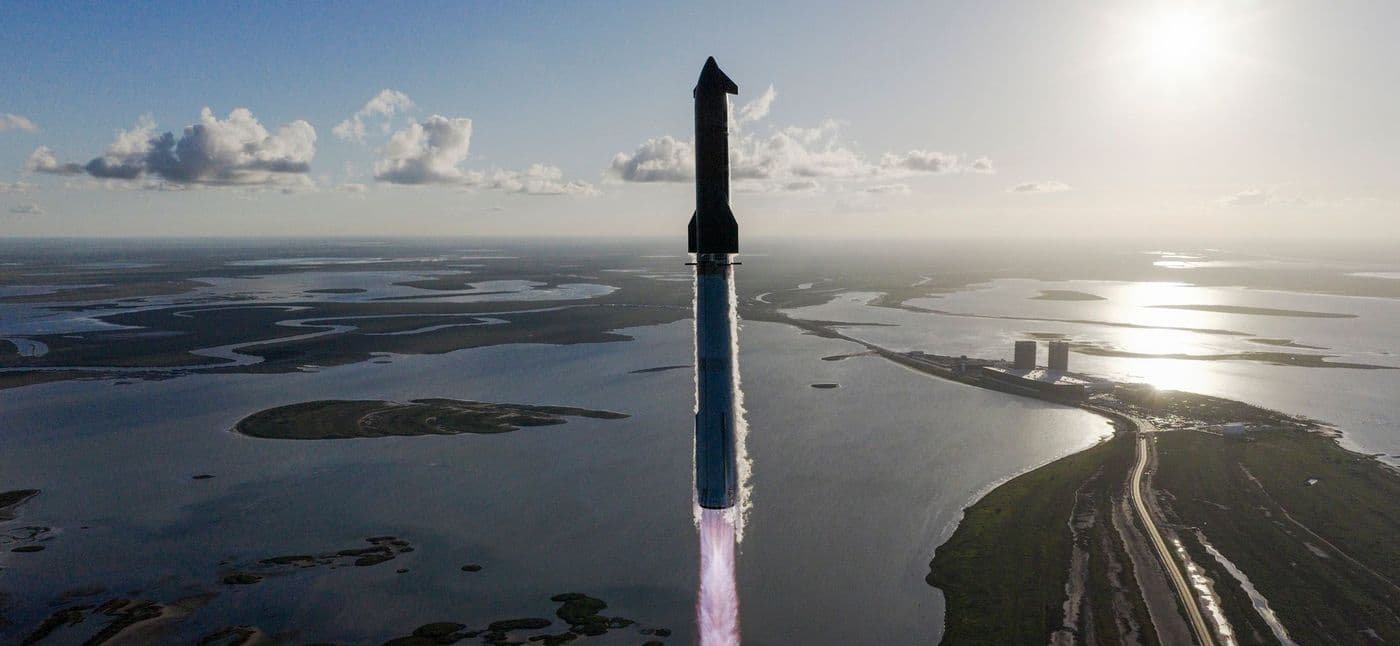
Starship Flight 11
Final V2 flight; more dummy deployments, an engine relight, and controlled return.
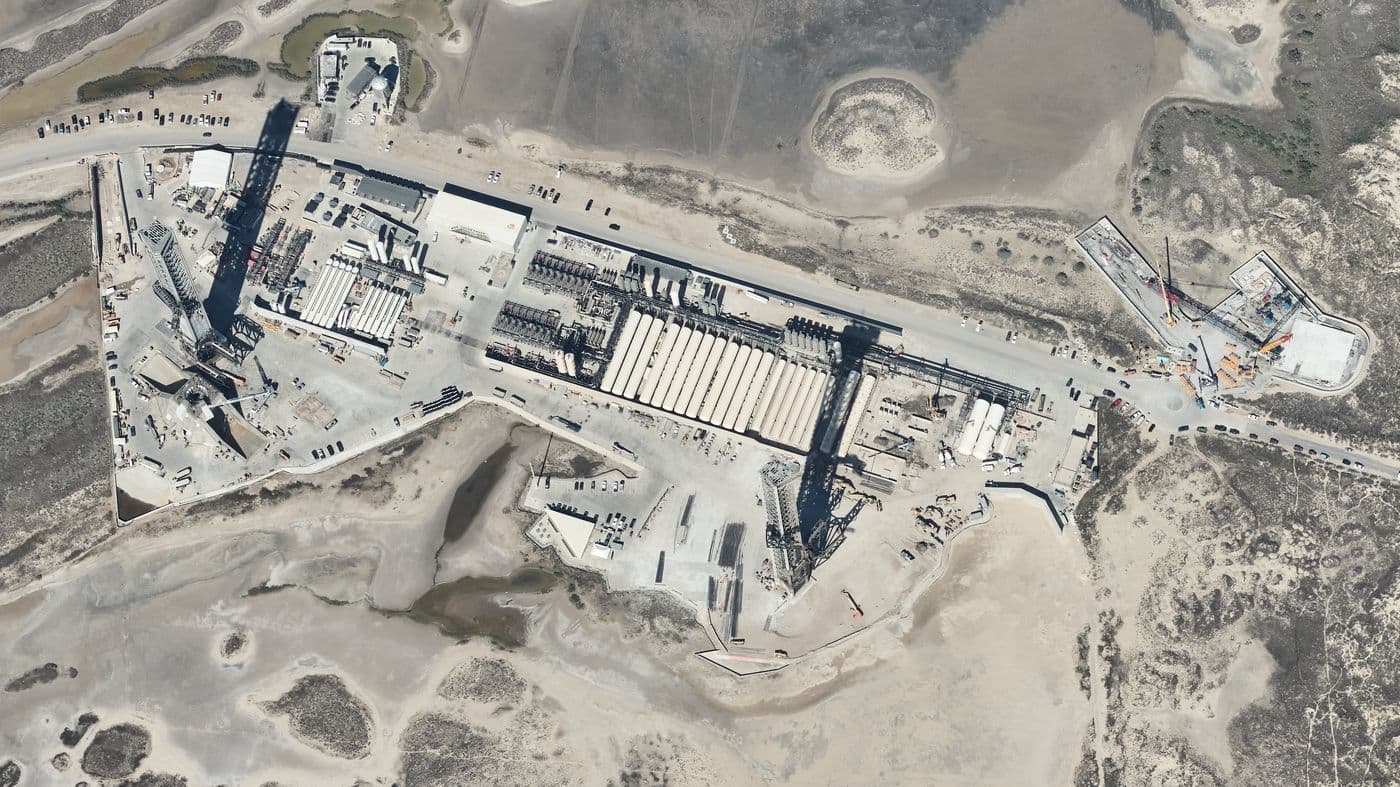
Starship Flight 12
V3 and Pad 2 debut; the ship flew and splashed down softly, while booster return failed.
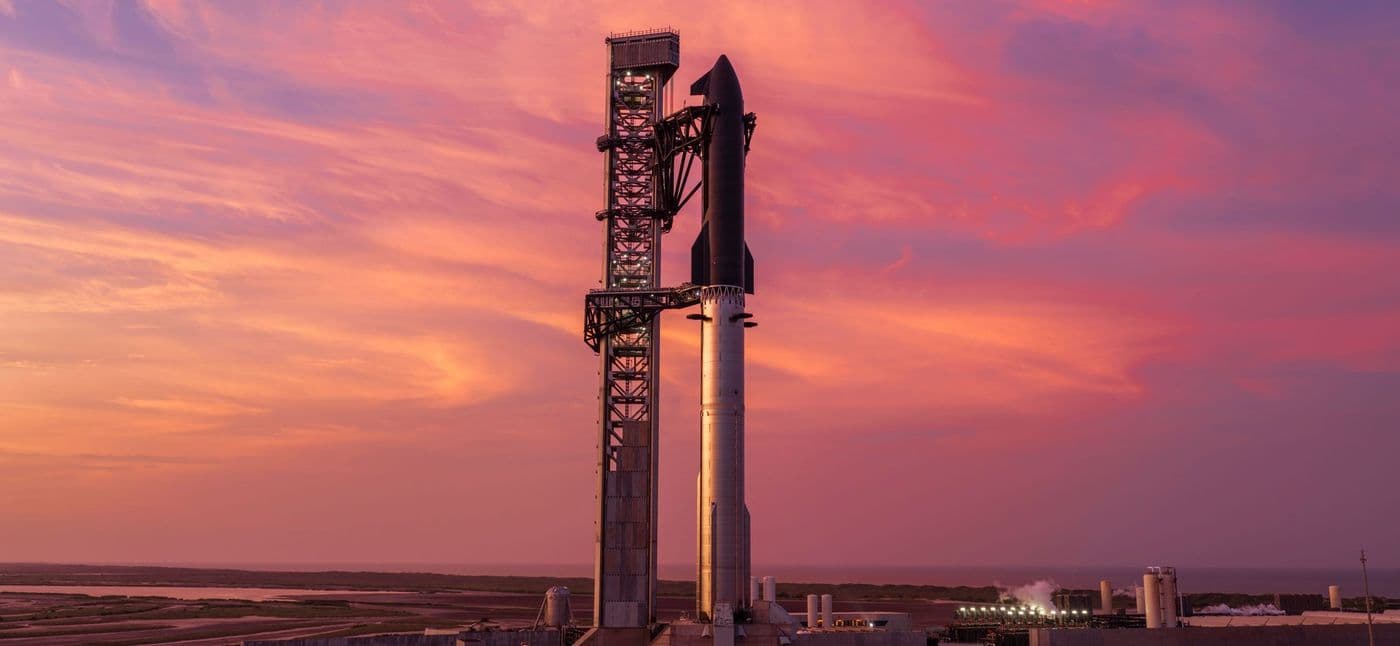
Starship Flight 13
Twenty Starlink V3 satellites released on a suborbital path; the ship survived splashdown and was recovered, while the booster hit hard.
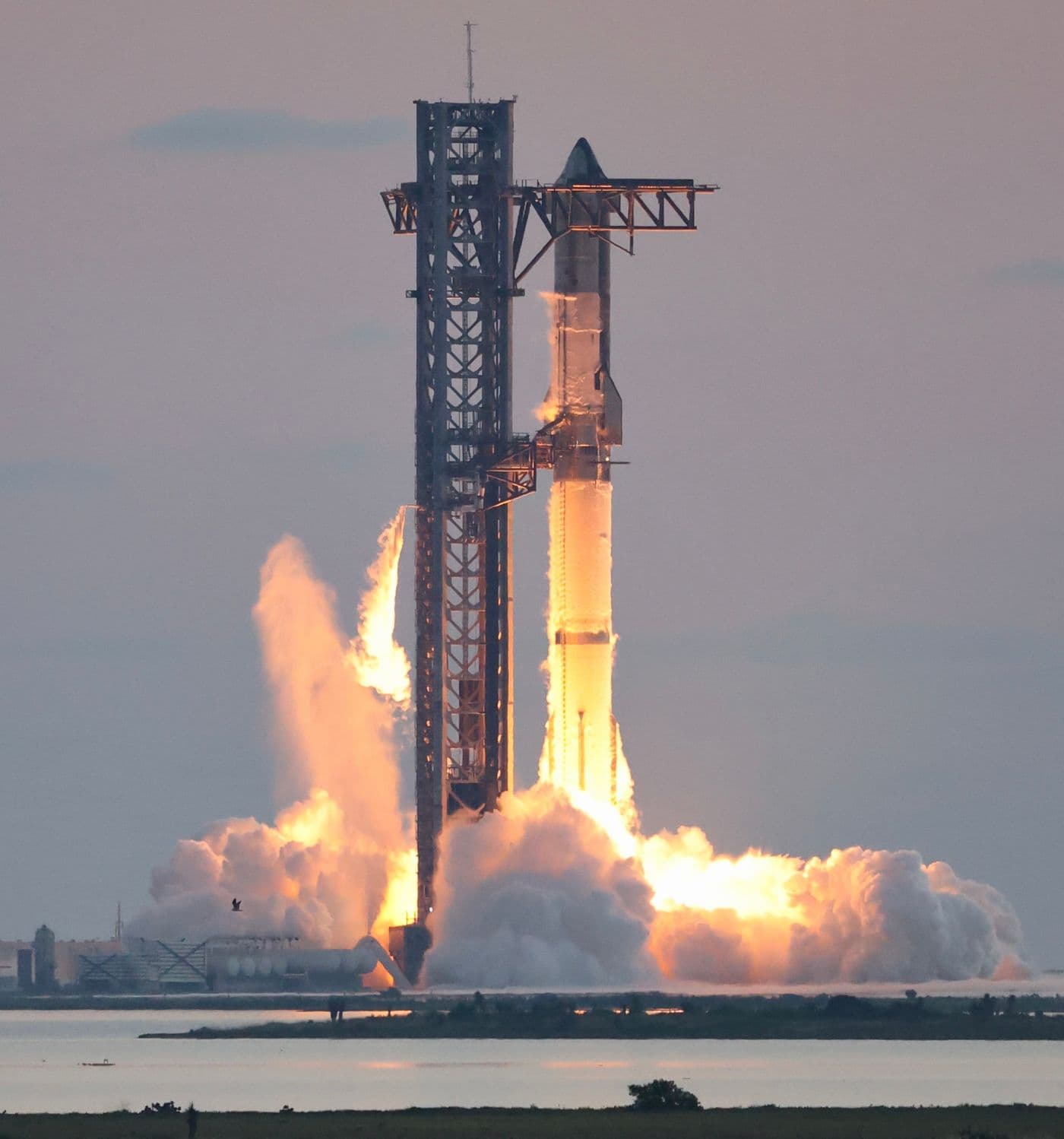
Starship Flight 14
First Earth orbit and 26 Starlink V3 satellites; an engine issue shortened the mission before Pacific return.
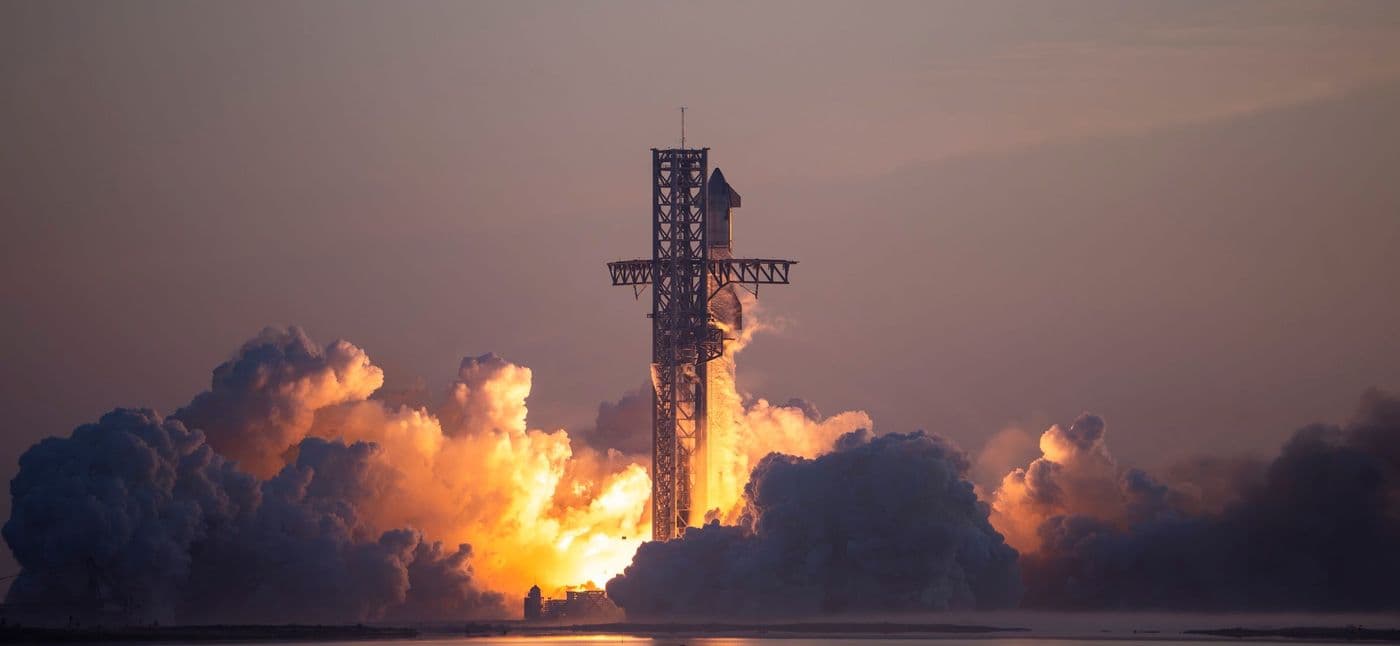
Starship Flight 2
First successful hot staging; both stages were later lost.
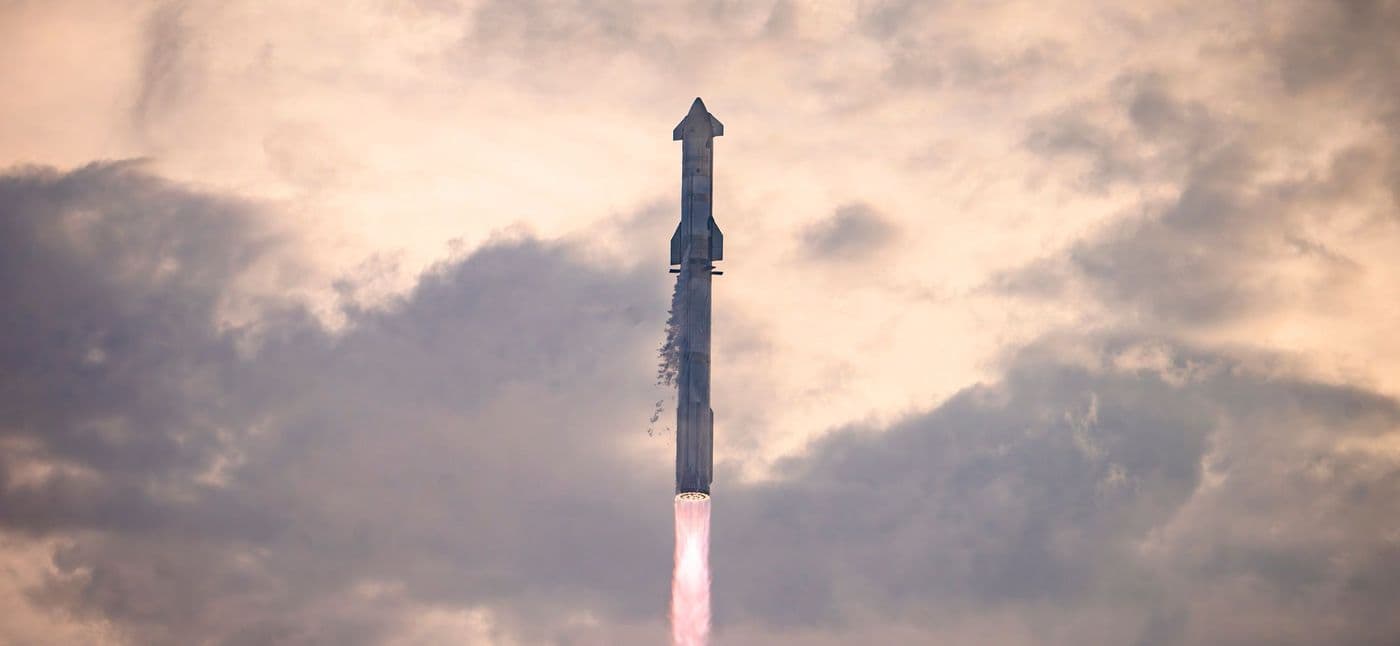
Starship Flight 3
The ship completed ascent; payload-door and internal propellant-transfer tests followed.
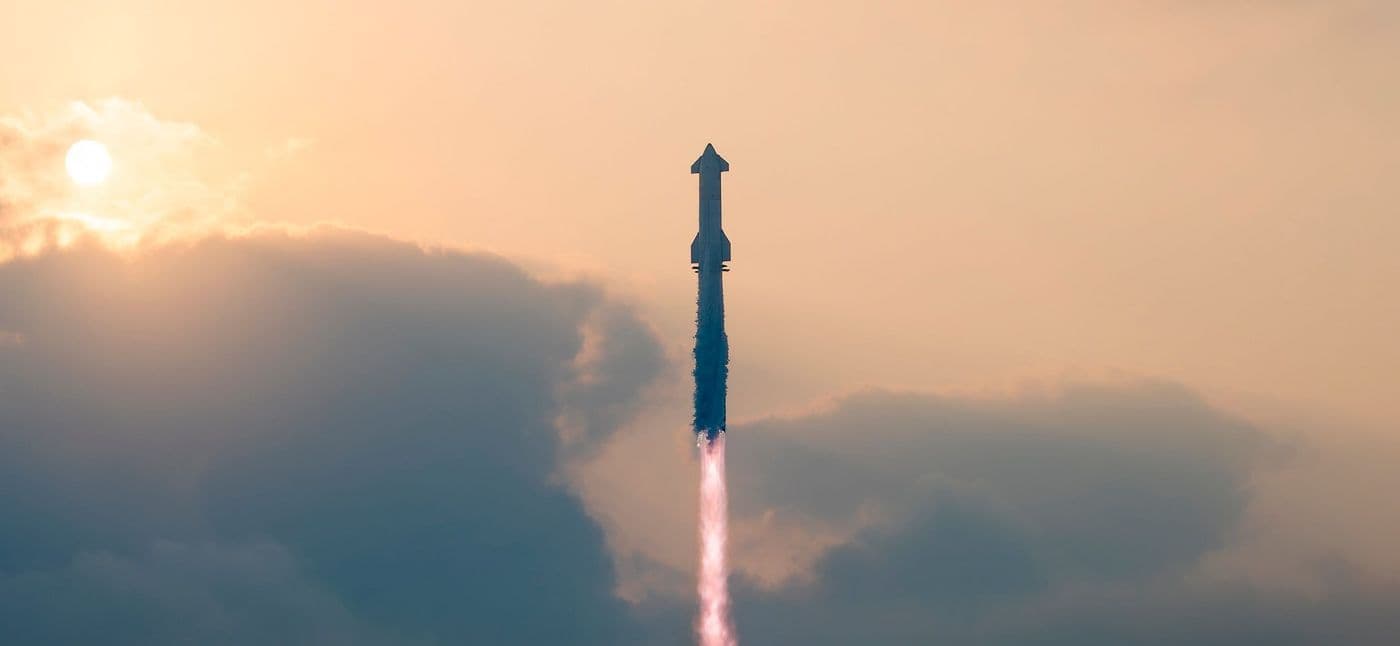
Starship Flight 4
Both stages completed controlled returns and soft splashdowns for the first time.
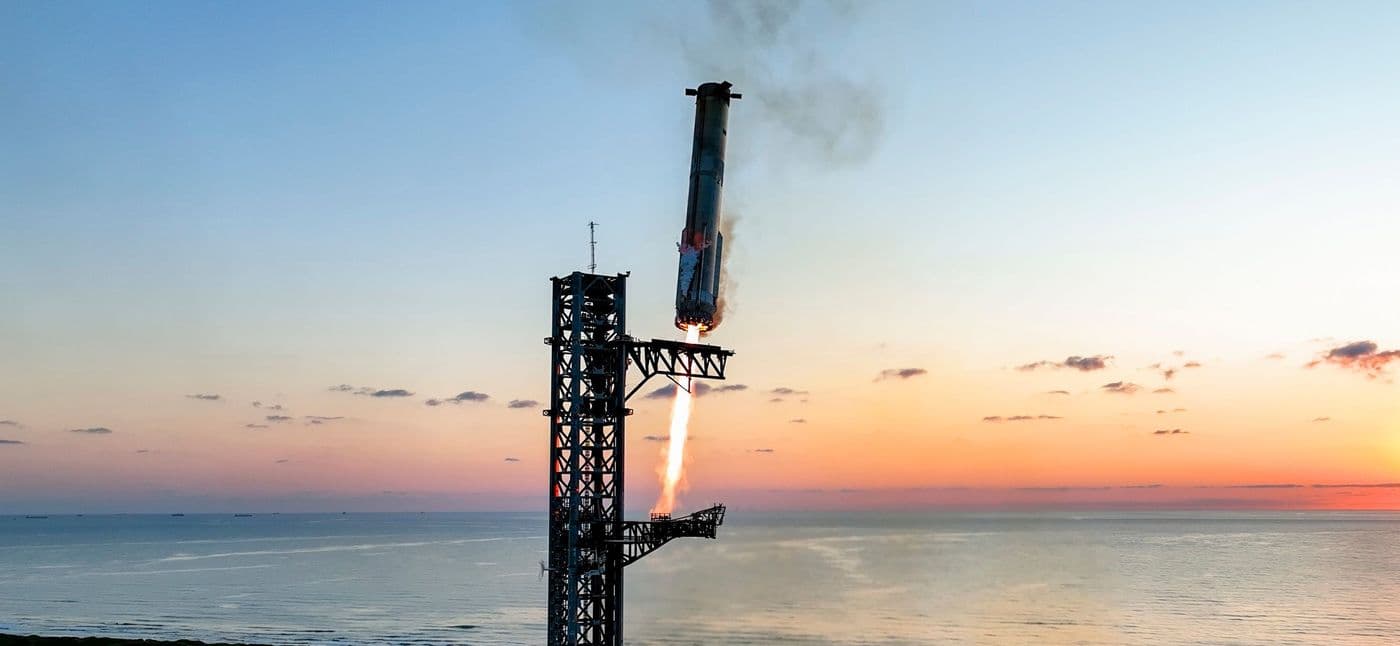
Starship Flight 5
First Super Heavy tower catch; the ship made a controlled Indian Ocean splashdown.
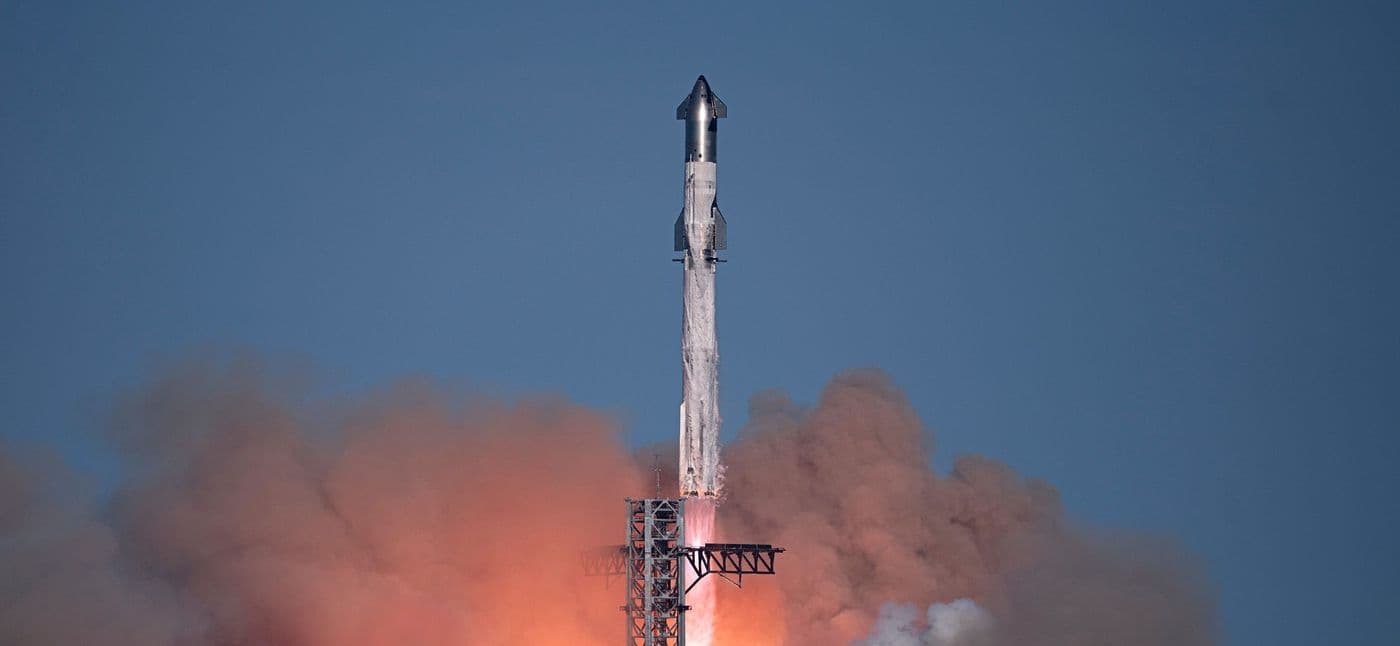
Starship Flight 6
First in-space Raptor relight; the booster splashed down instead of being caught.
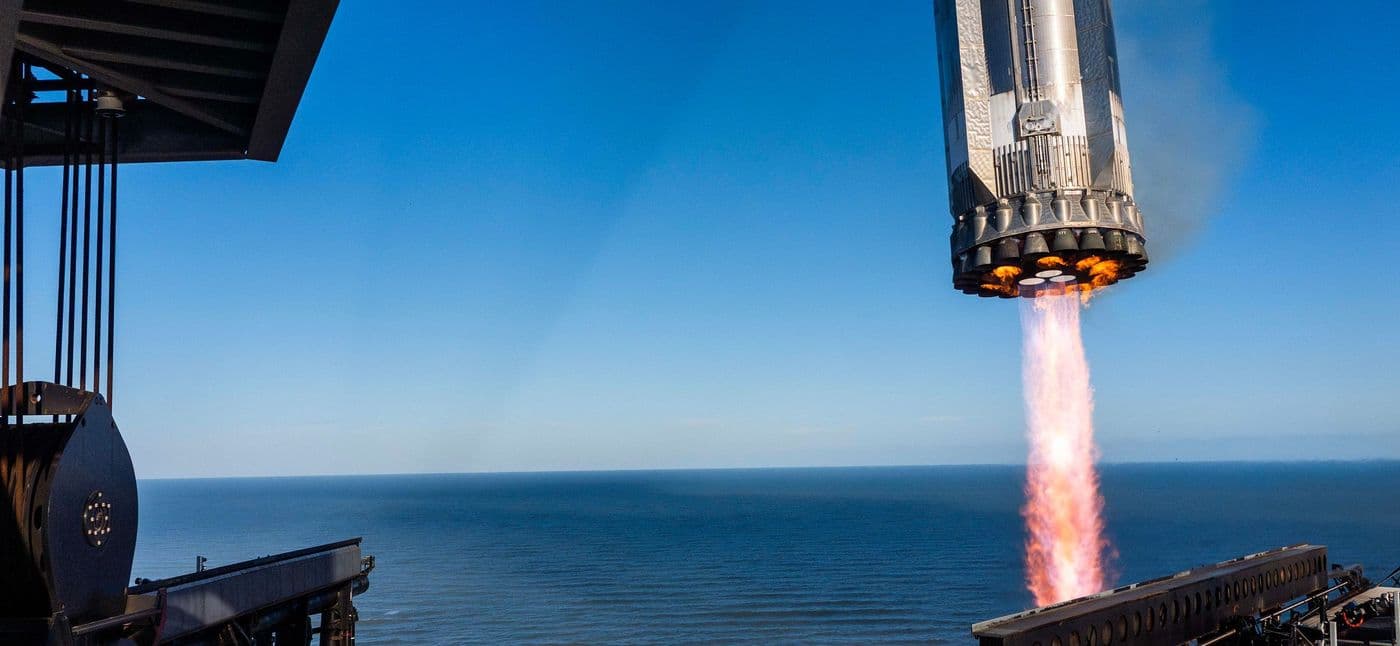
Starship Flight 7
V2 ship debut and another booster catch; the upper stage was lost during ascent.
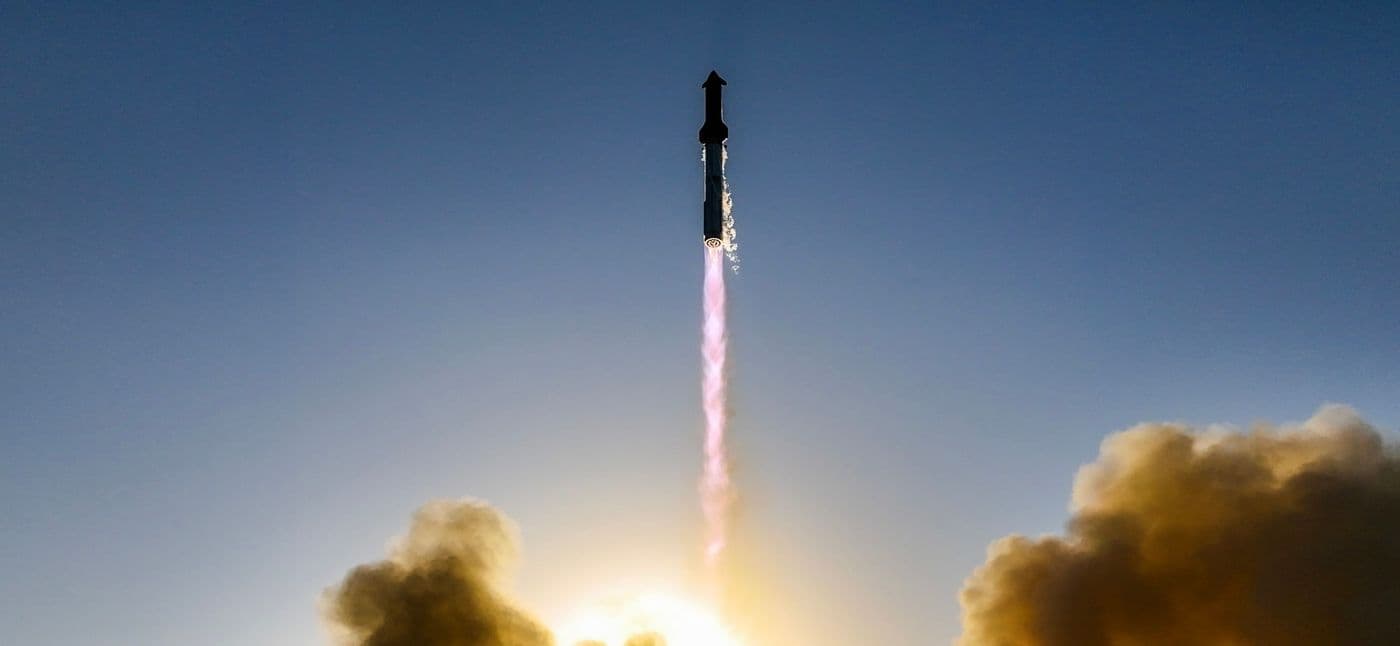
Starship Flight 8
The booster returned to the tower; the ship was lost after engine trouble.
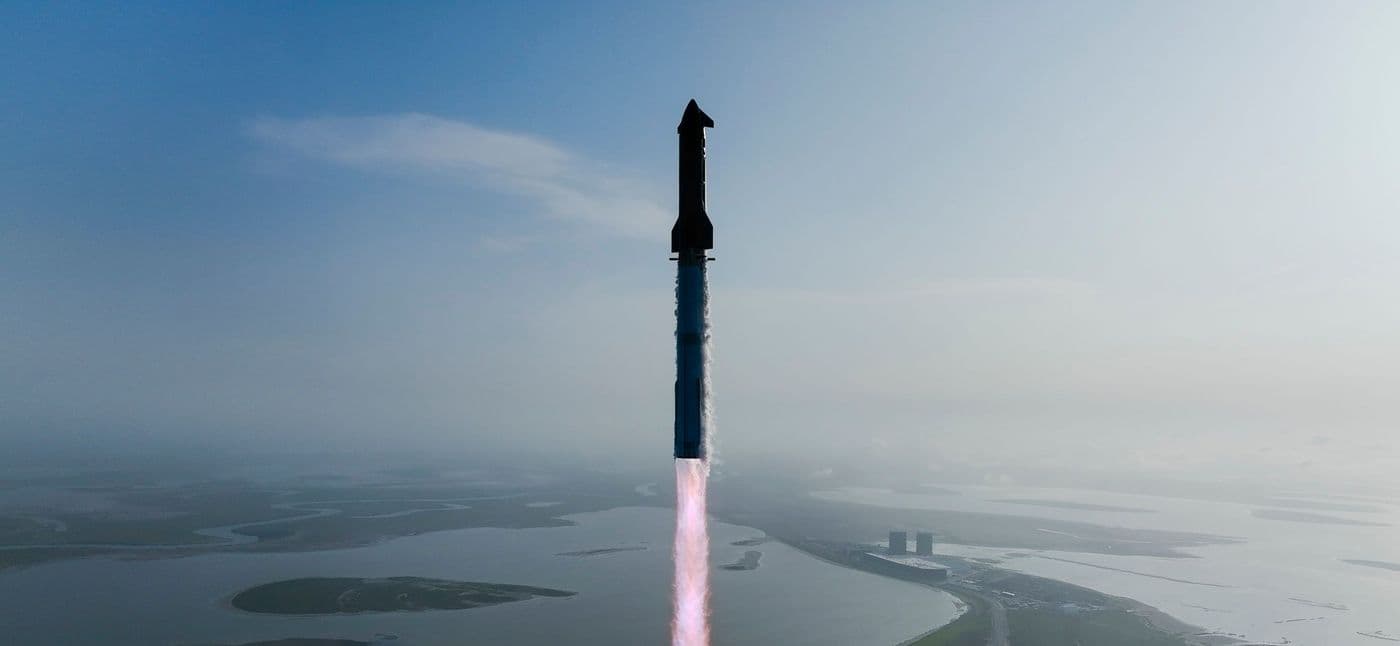
Starship Flight 9
First booster reflight; ship and booster were lost during return.
Viking 1
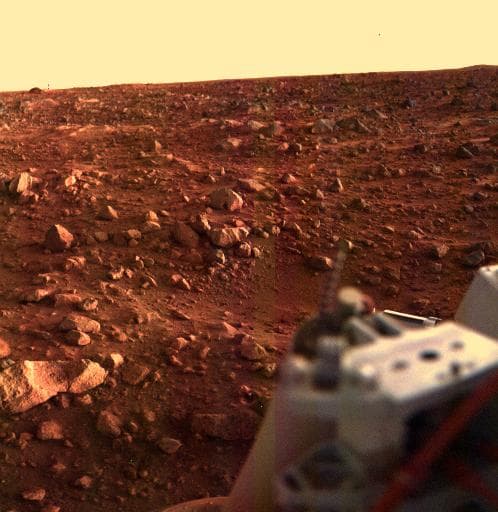
Viking 1 was the first successful U.S. mission to land and operate on Mars, combining a long-lived orbiter with a pioneering surface laboratory.
Voskhod 2
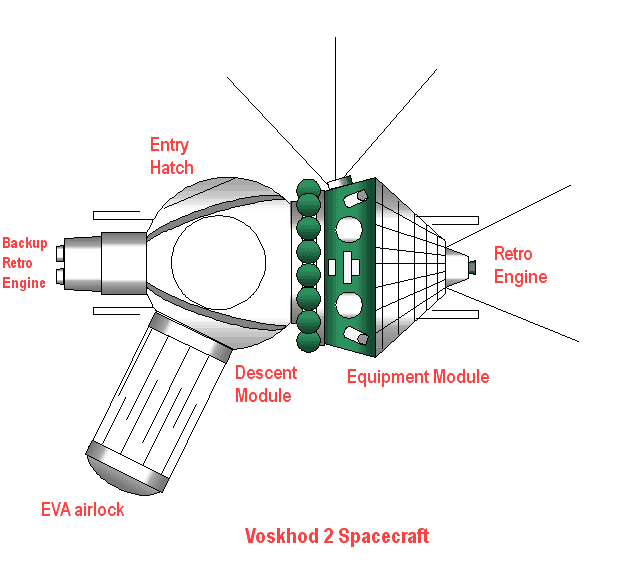
On 18 March 1965 Voskhod 2 delivered the first human spacewalk: Alexei Leonov spent 12 minutes and 9 seconds outside the spacecraft. The return nearly ended in tragedy — a ballooned spacesuit, an automatic-system failure and an emergency landing in snowbound taiga hundreds of kilometres off target.
Vostok 1
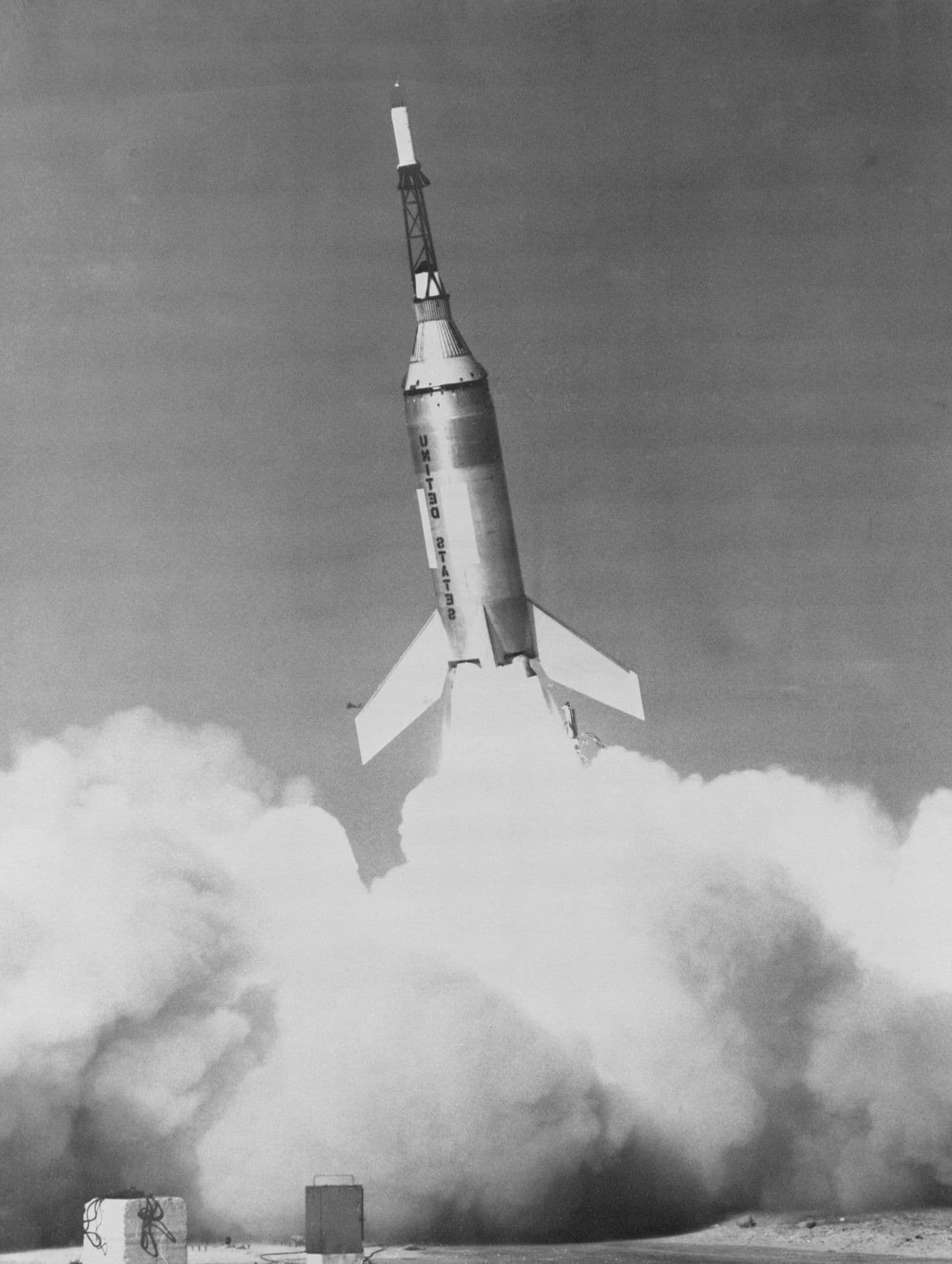
The first crewed spaceflight in history. Yuri Gagarin orbited the Earth in 108 minutes and landed safely near Engels.
Vostok 6
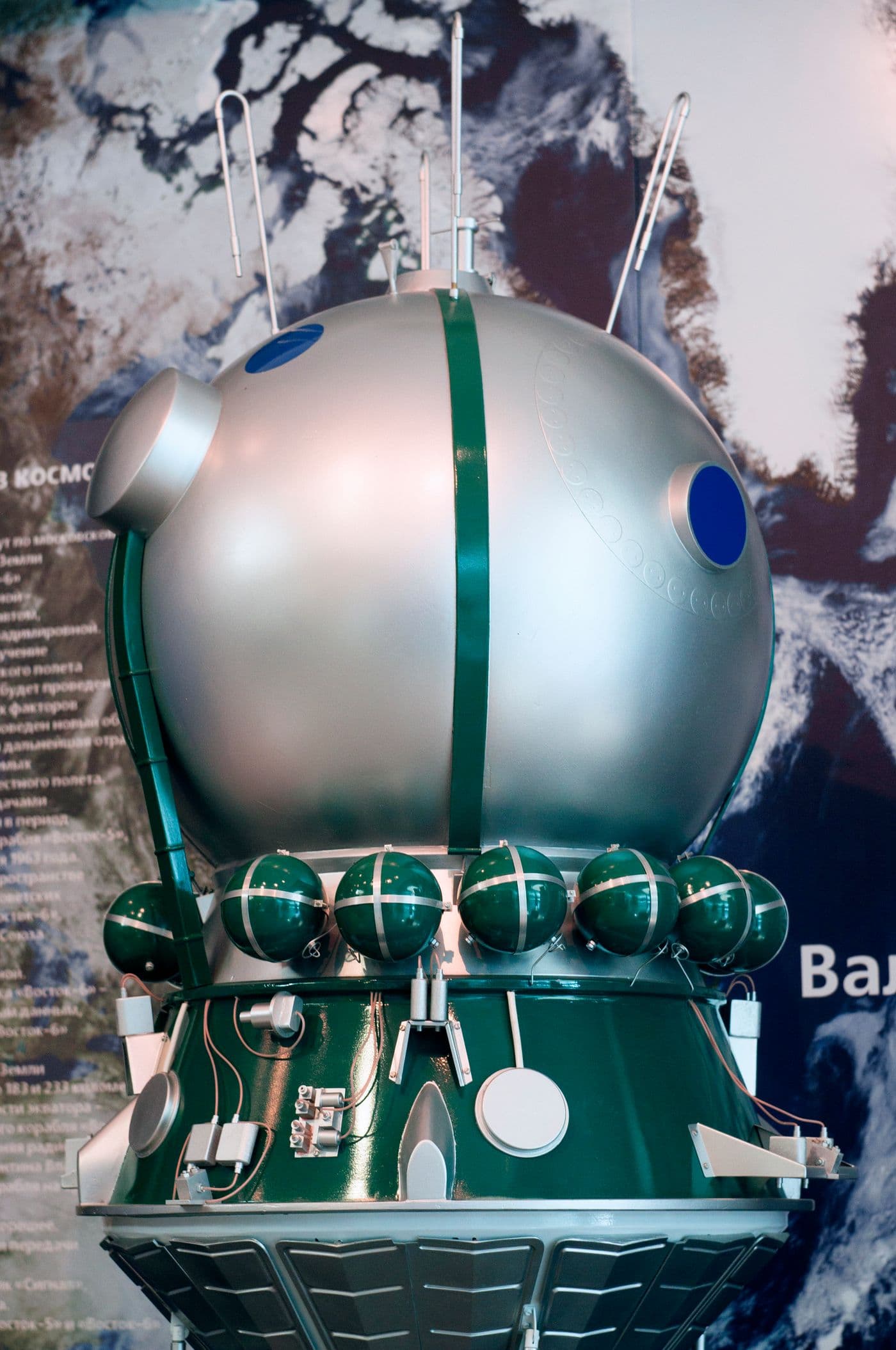
Vostok 6 carried Valentina Tereshkova into orbit on 16 June 1963 — the first woman in space. In under three days she orbited the Earth forty-eight times and landed on 19 June near Barnaul. It was the final flight of the Vostok program.
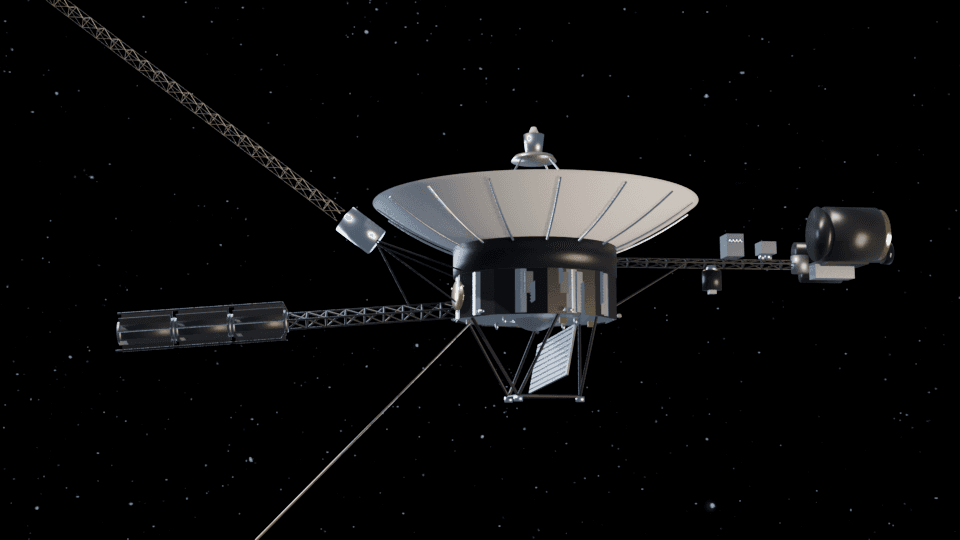
Voyager 1
Voyager 1 is the farthest human-made spacecraft, a long-lived NASA probe that transformed our view of the outer planets and continues exploring interstellar space.