Encyclopedia category
Vehicles
- Records in this category
- 15
- With their own entry
- 15
Ariane
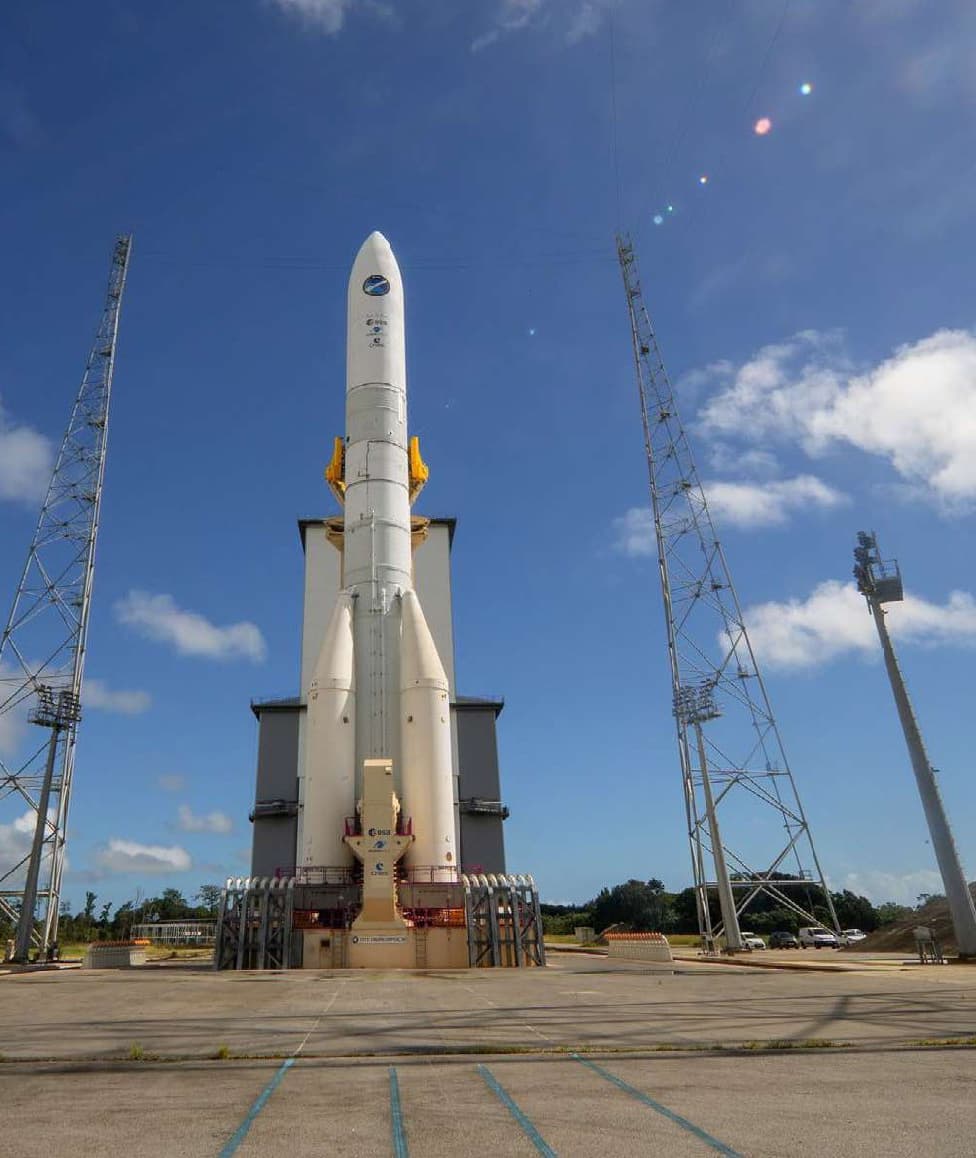
Ariane is a family of European launch vehicles operated by the European Space Agency (ESA) together with the company Arianespace. Since 1979 it has given Europe independent access to space, launching from the Kourou spaceport in French Guiana near the equator. The family's most successful member was the heavy-lift Ariane 5 (1996–2023), which among other things launched the James Webb Space Telescope and Europe's ATV cargo ships to the International Space Station; its successor is the more modern Ariane 6, whose first flight took place in 2024.
Falcon 9
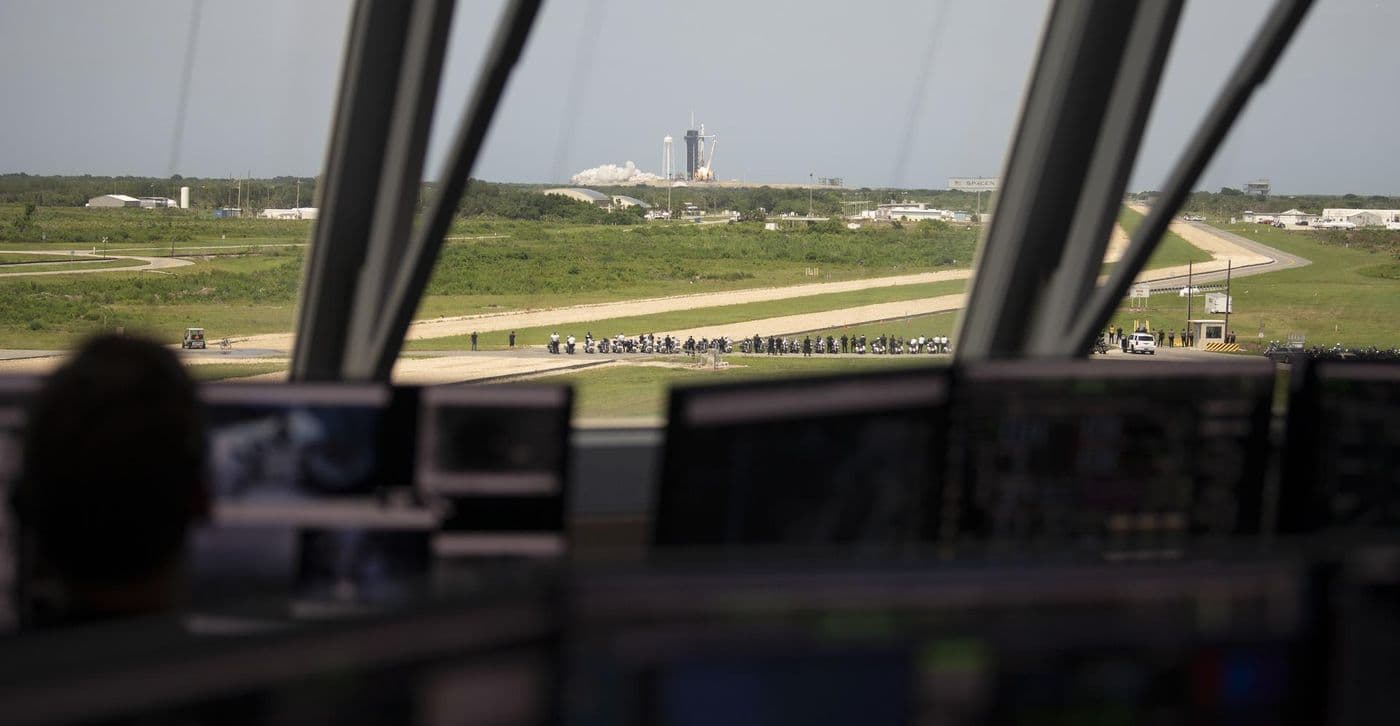
Falcon 9 is a partially reusable launch vehicle built by the American company SpaceX that has transformed spaceflight since 2010. It was the first orbital rocket able to return its first stage to Earth and land it after launch — and then fly that same stage again. This radically lowered the cost of reaching orbit and has made Falcon 9 the most frequently flown rocket of our time; it launches Starlink satellites and the Dragon spacecraft carrying crew and cargo to the International Space Station.
Falcon Heavy
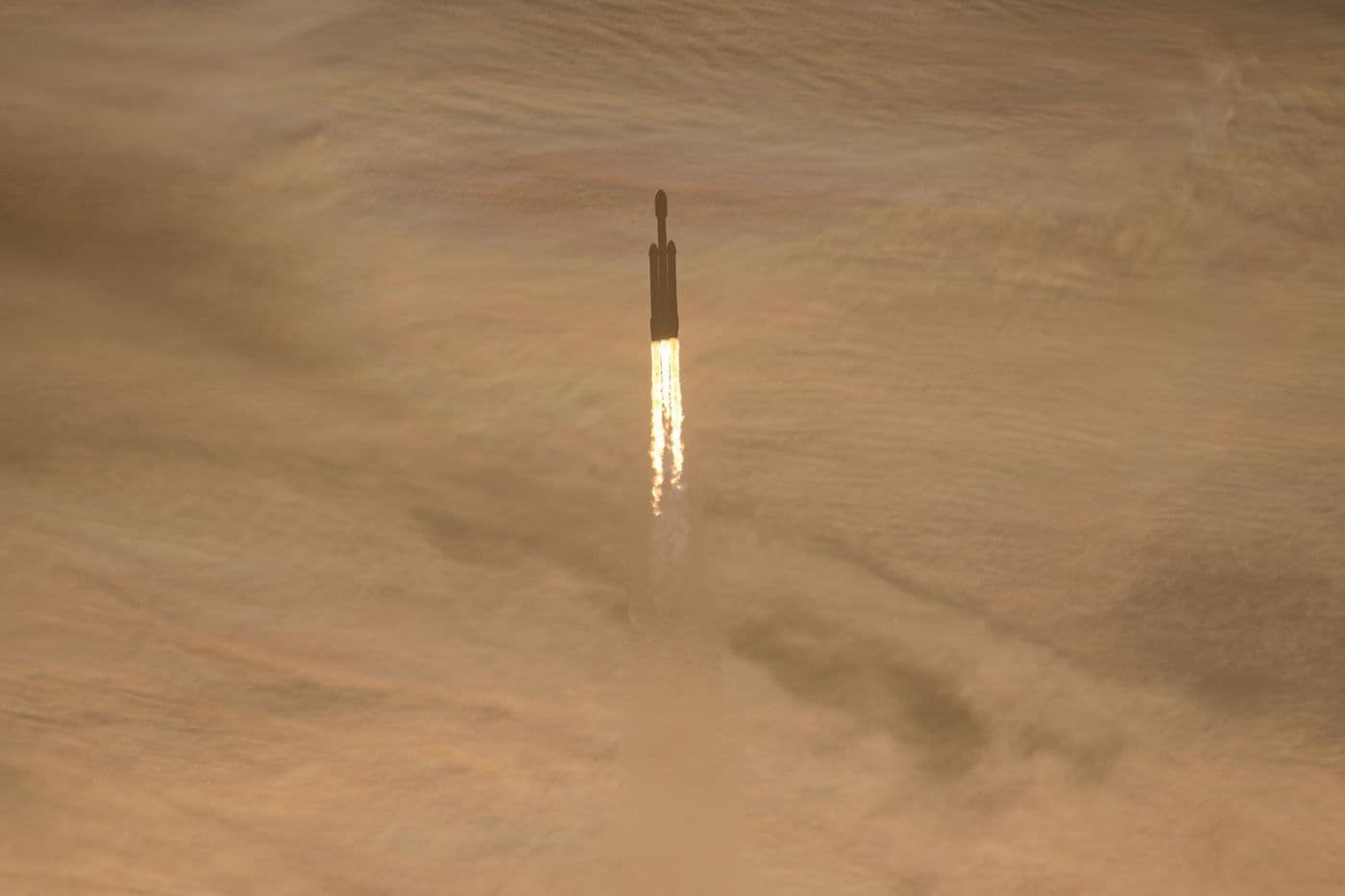
SpaceX heavy-lift launcher built around three Falcon 9 first-stage cores; it sent the Roman observatory from Launch Complex 39A toward its transfer trajectory.

Long March
Long March (Chinese 长征, Chang Zheng; abbreviated CZ) is a family of Chinese launch vehicles built by the CASC corporation and flown under the auspices of China's space agency CNSA. The family has flown since 1970, when the Long March 1 rocket placed China's first satellite into orbit, and has since made more than 500 launches. Its key variants include the crew-rated Long March 2F, which has carried Shenzhou crewed spacecraft since 2003; the heavy-lift Long March 5 for large probes and modules of the Tiangong space station; and the reliable Long March 3B for telecommunications satellites. Today the Long March rockets are the backbone of the Chinese space programme.
Mir
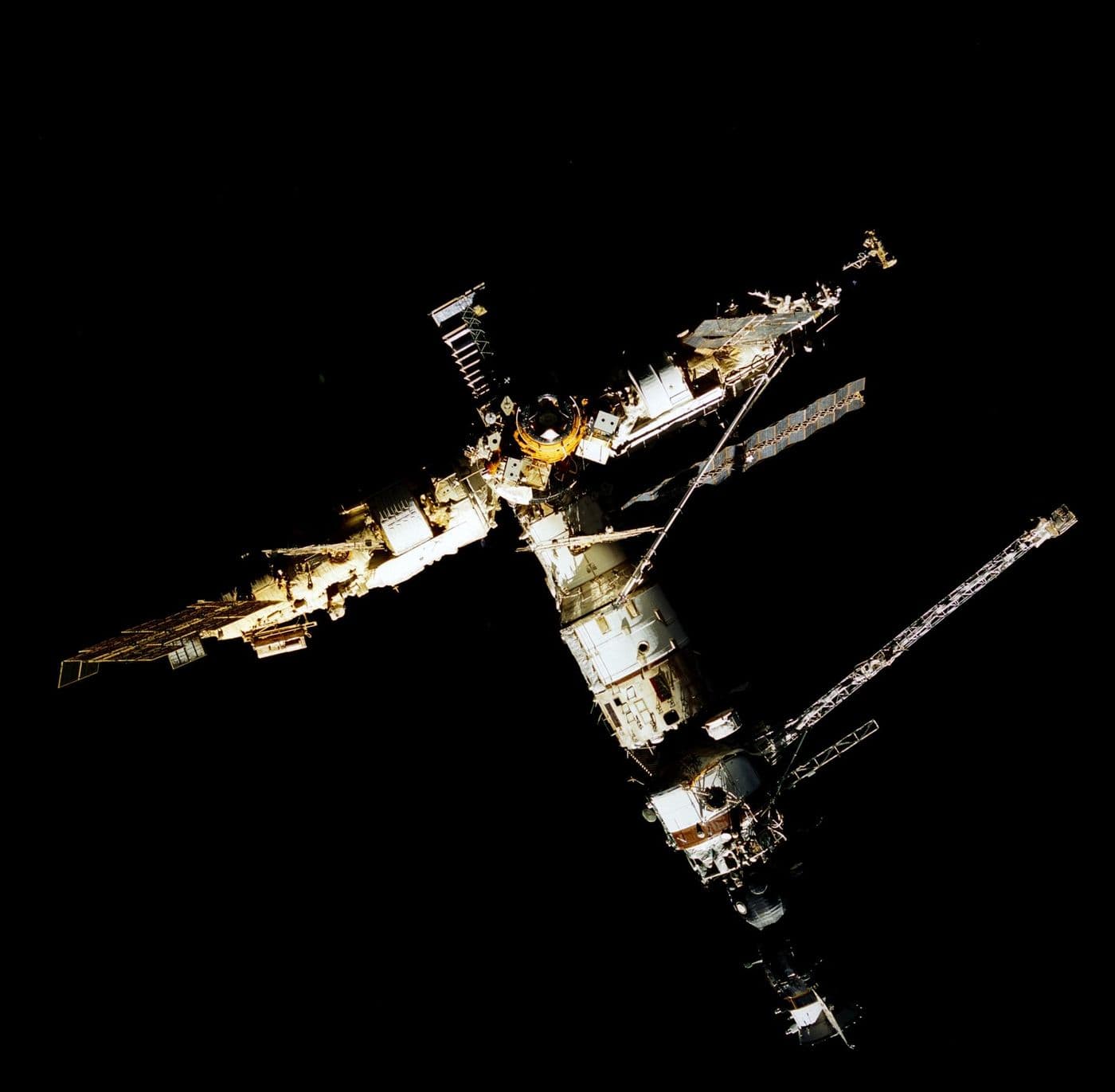
A modular Soviet and later Russian space station, inhabited from 1986 to 2000; it was deliberately deorbited in March 2001.
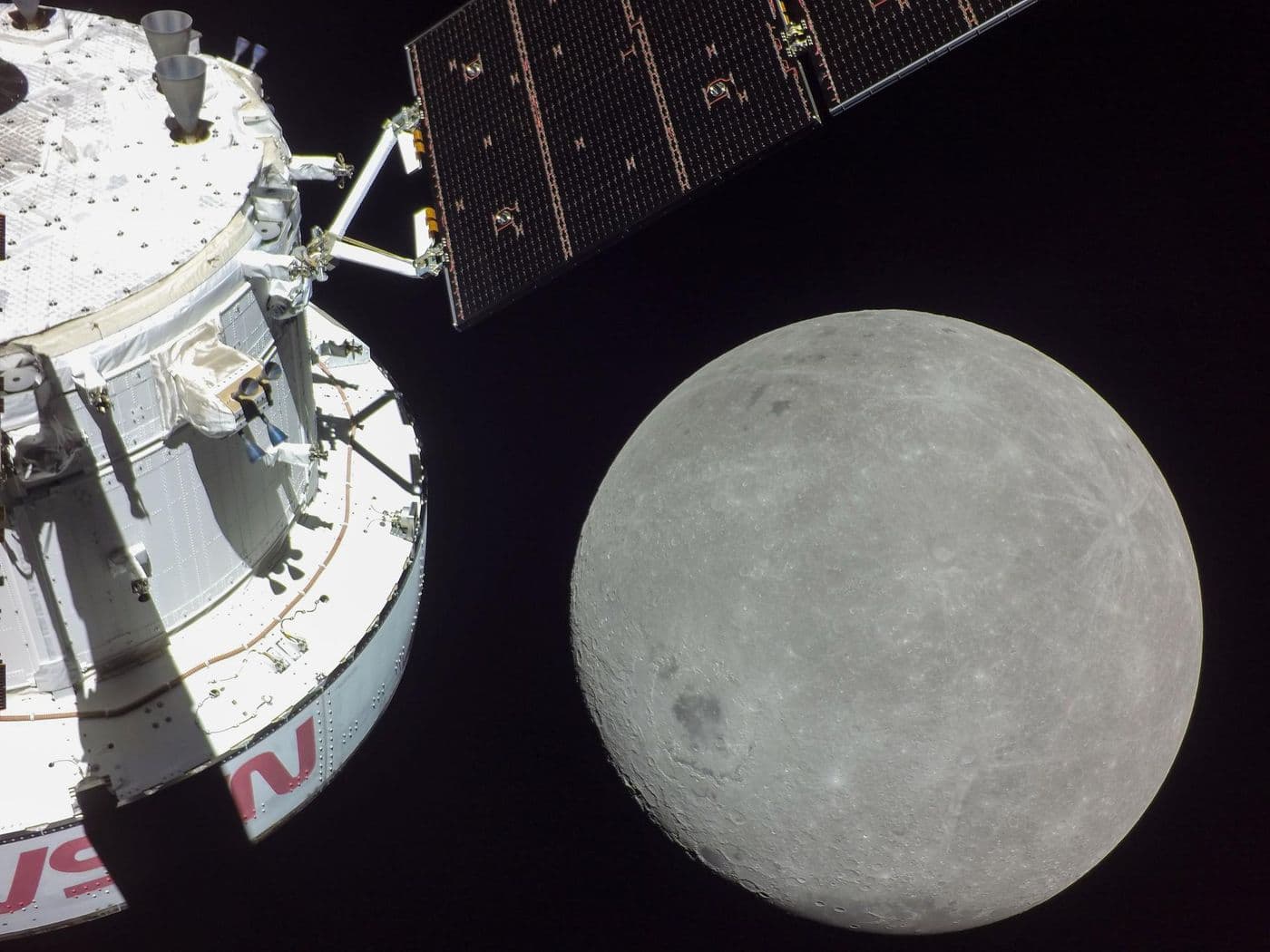
Orion
NASA crew spacecraft for missions to the Moon and beyond.
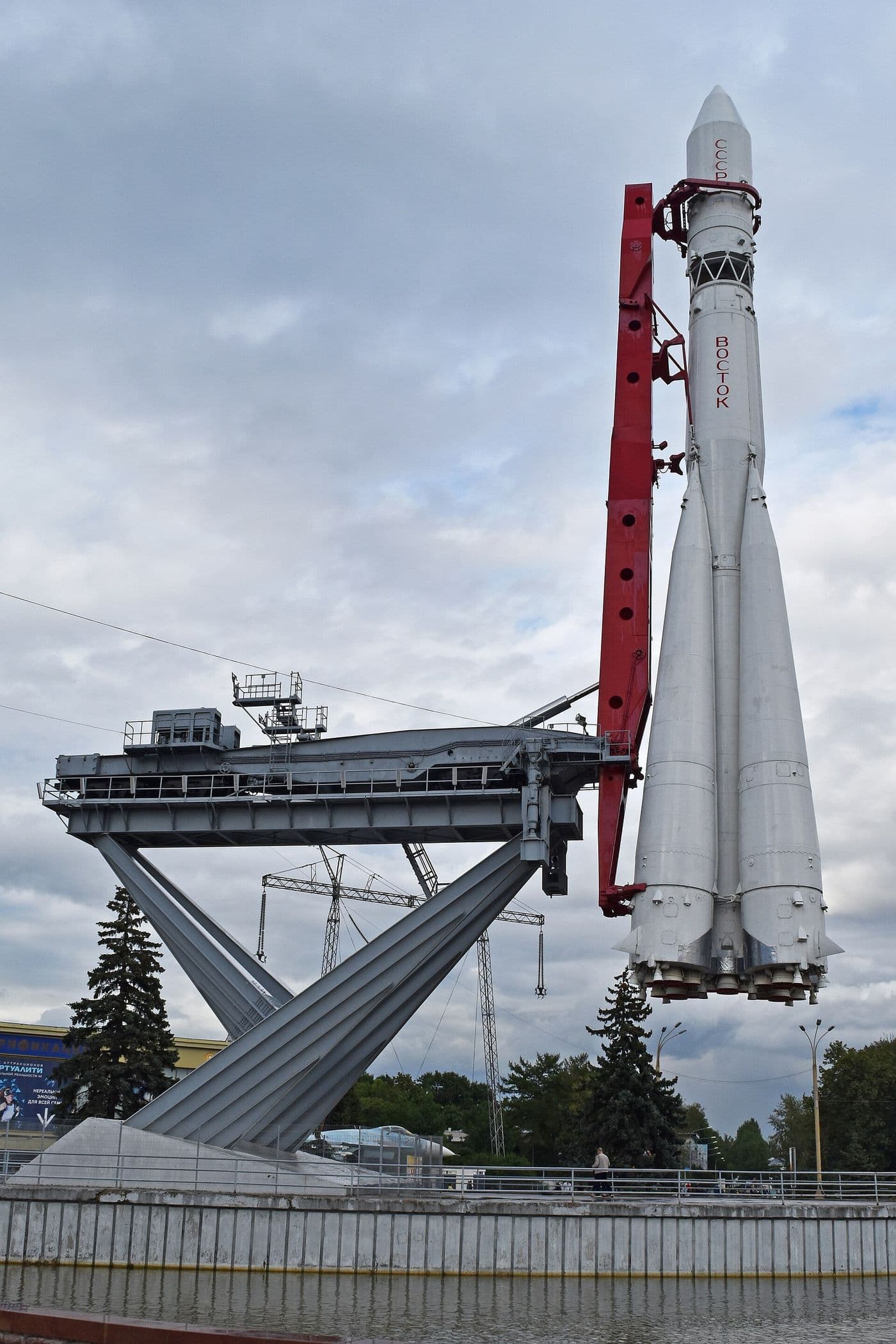
R-7 / Sputnik
Originally an intercontinental ballistic missile, adapted as a launch vehicle. It carried the first Sputnik and Vostok into orbit, and its descendants still fly today.
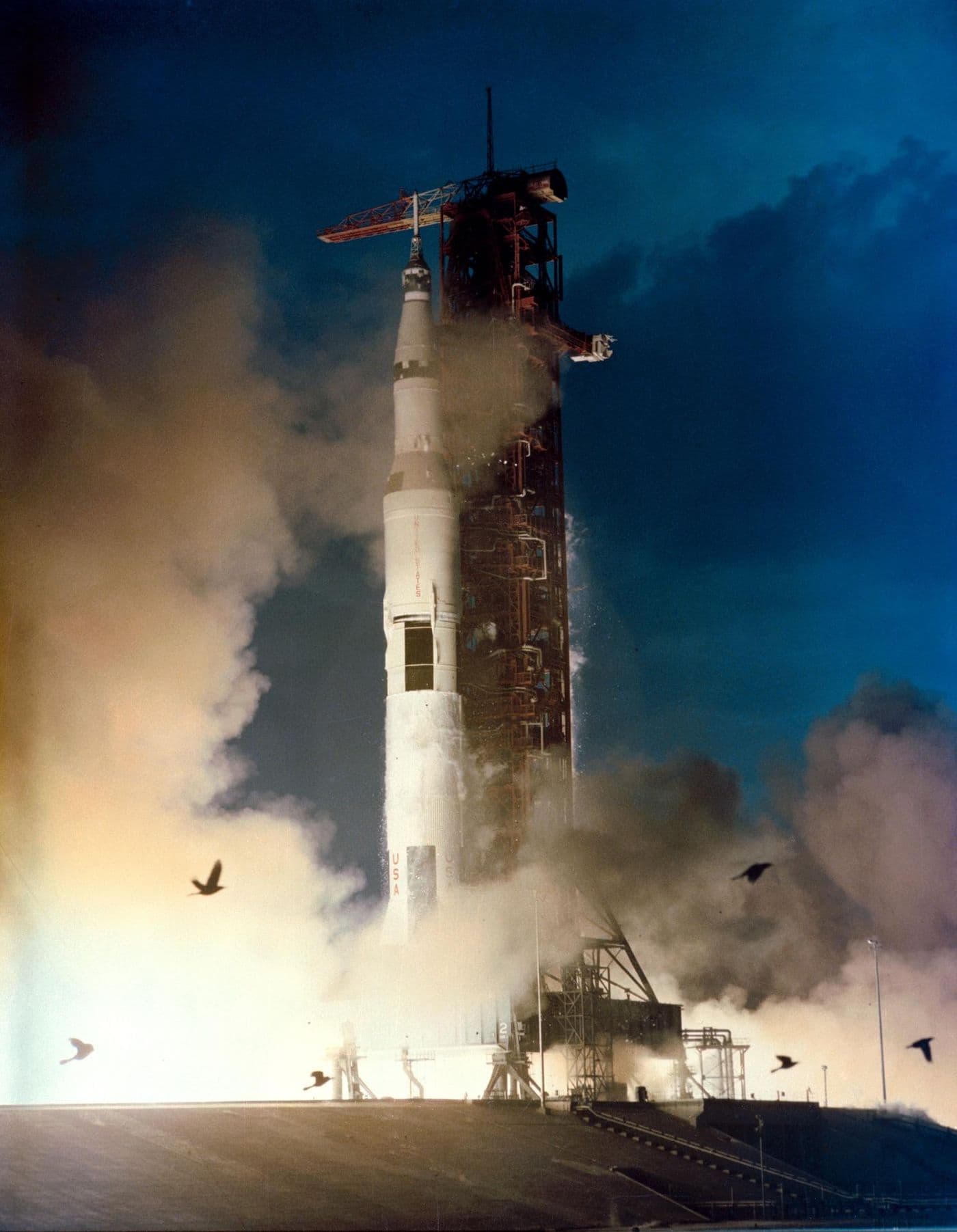
Saturn V
The most powerful launch vehicle of its era, developed for the Apollo program. It carried crews and hardware on the journey to the Moon.
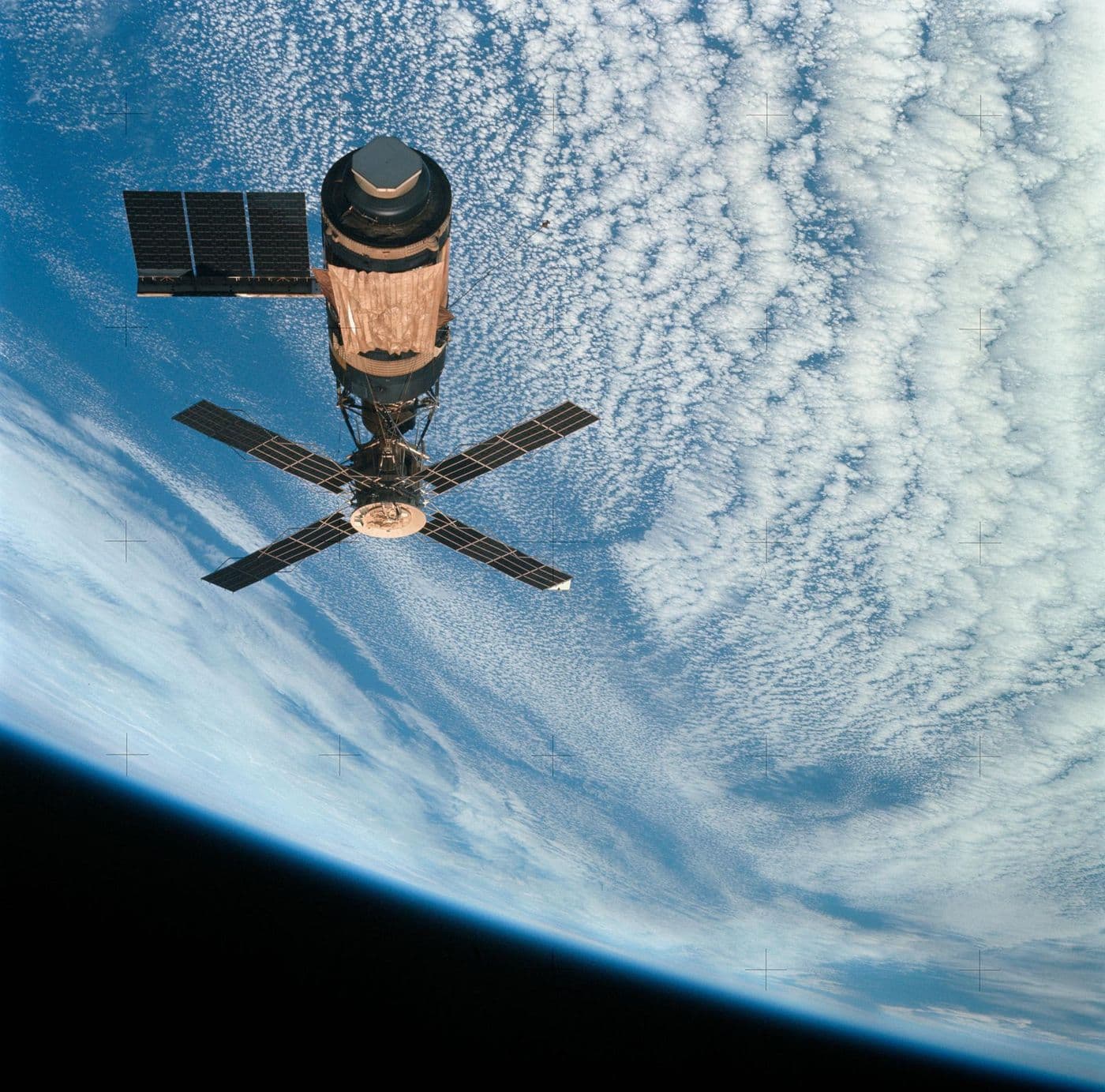
Skylab
The first U.S. space station, occupied by three crews in 1973 and 1974.
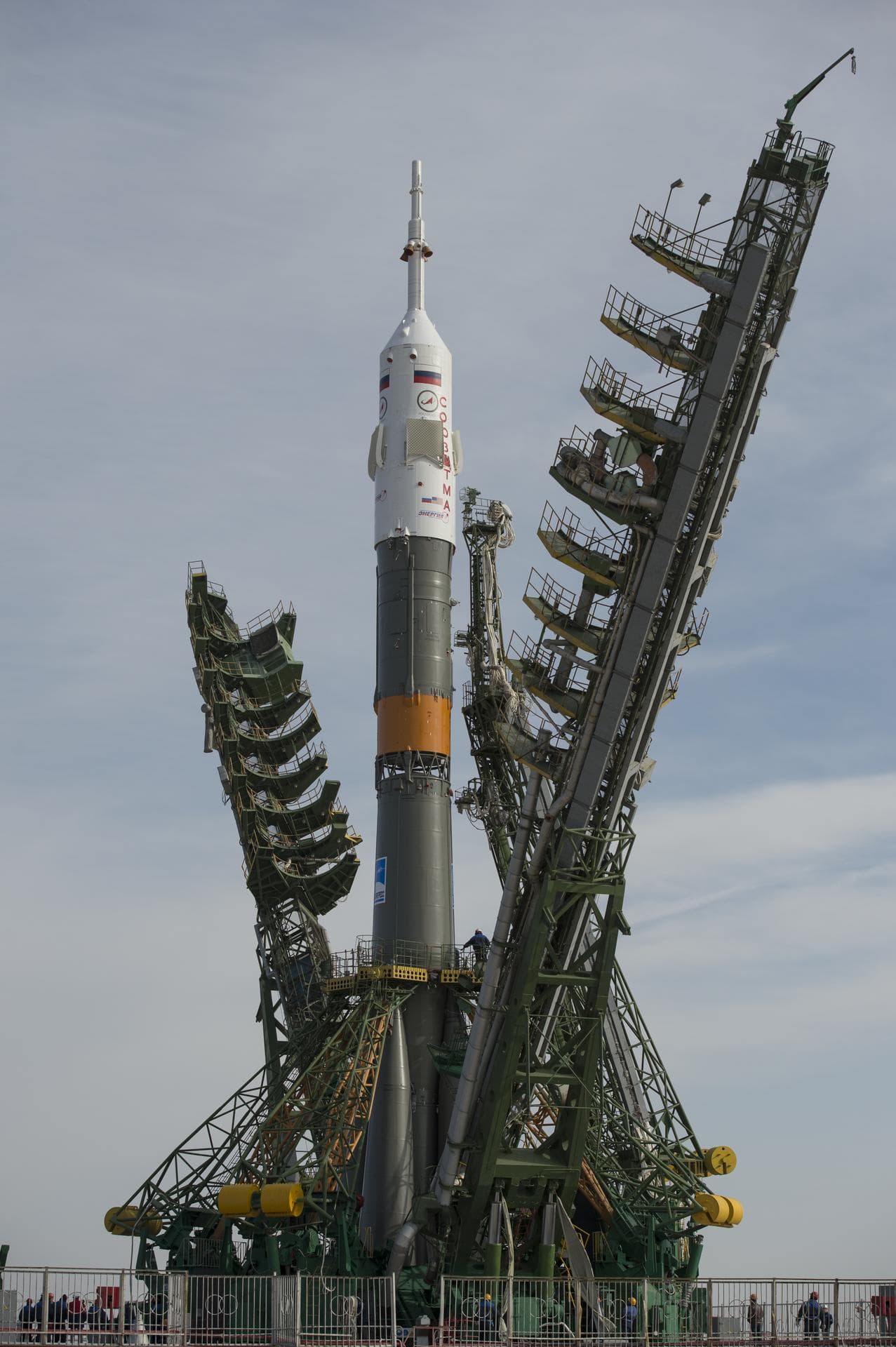
Soyuz
Soyuz is a family of Soviet and Russian launch vehicles and spacecraft that has flown from the 1960s to the present day. The Soyuz rocket descends from the legendary R-7, and the Soyuz spacecraft has carried crews into orbit for over half a century — today to the International Space Station. It ranks among the longest-serving and most reliable space systems in history.
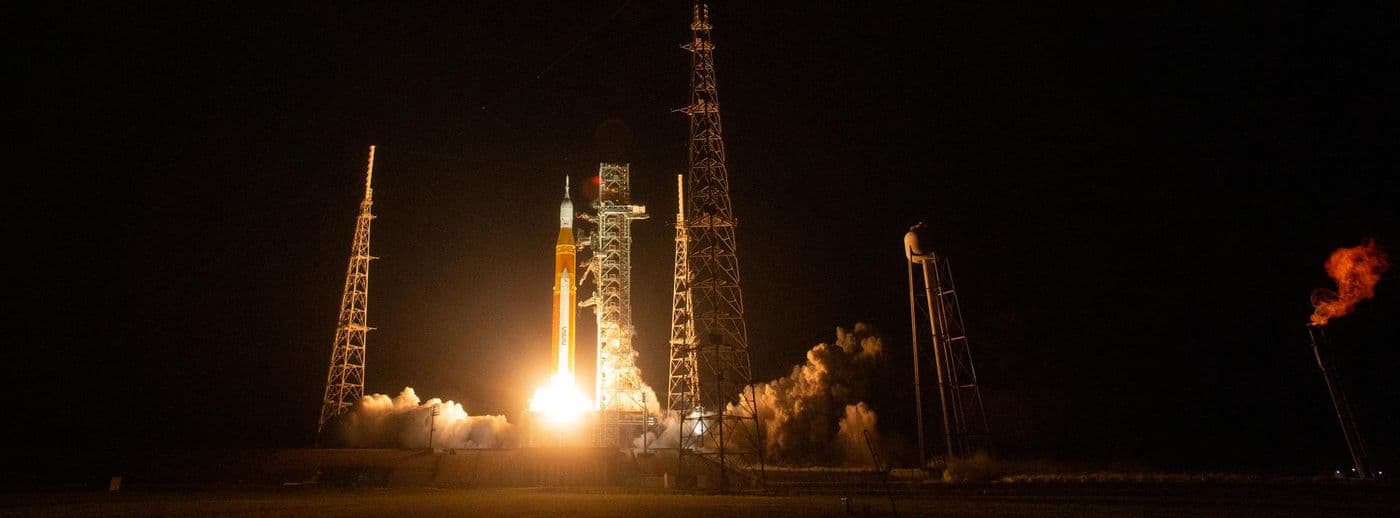
Space Launch System (SLS)
NASA heavy-lift launcher for Artemis missions.
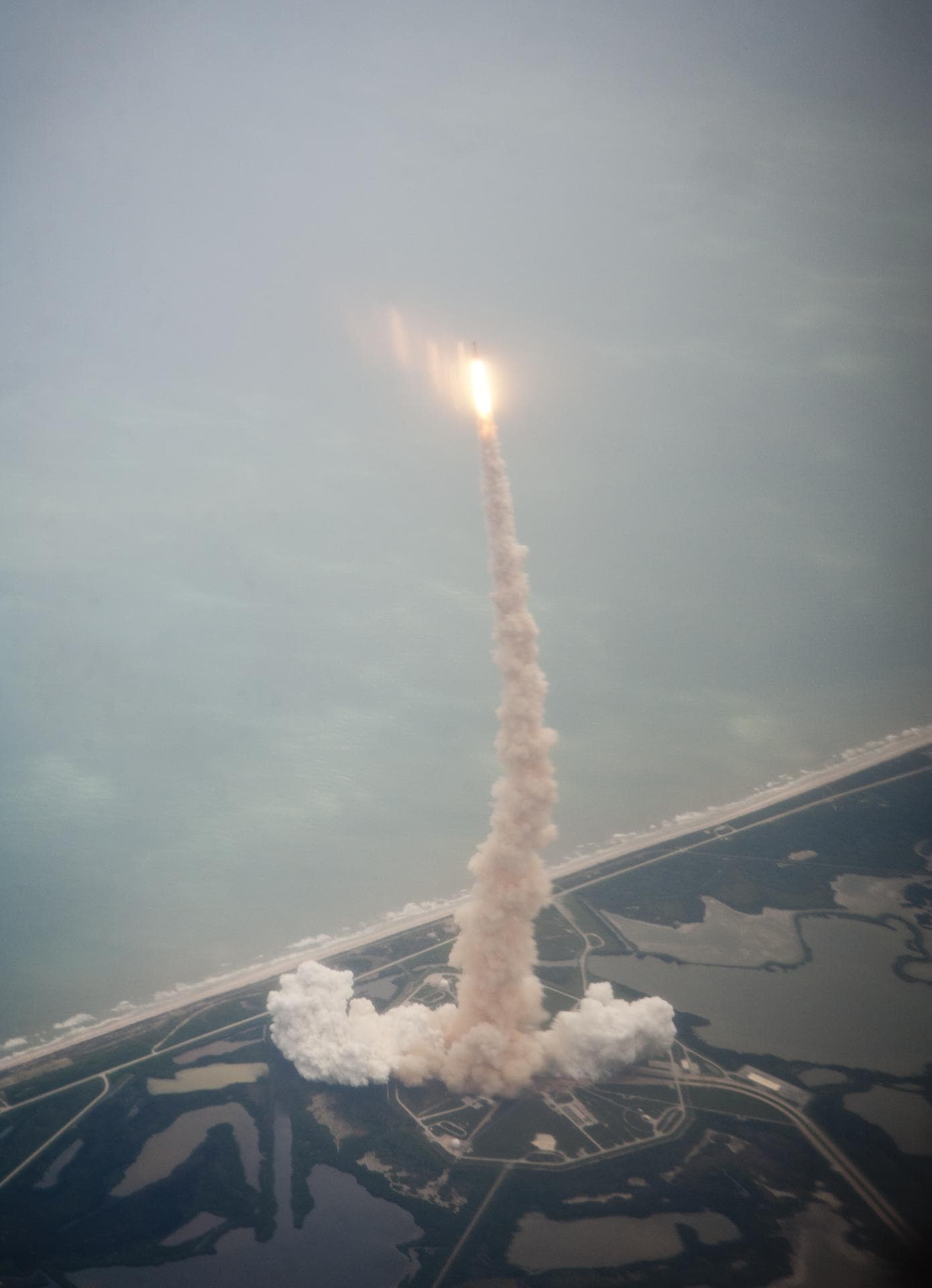
Space Shuttle
The American partly reusable space transportation system with a winged orbiter.
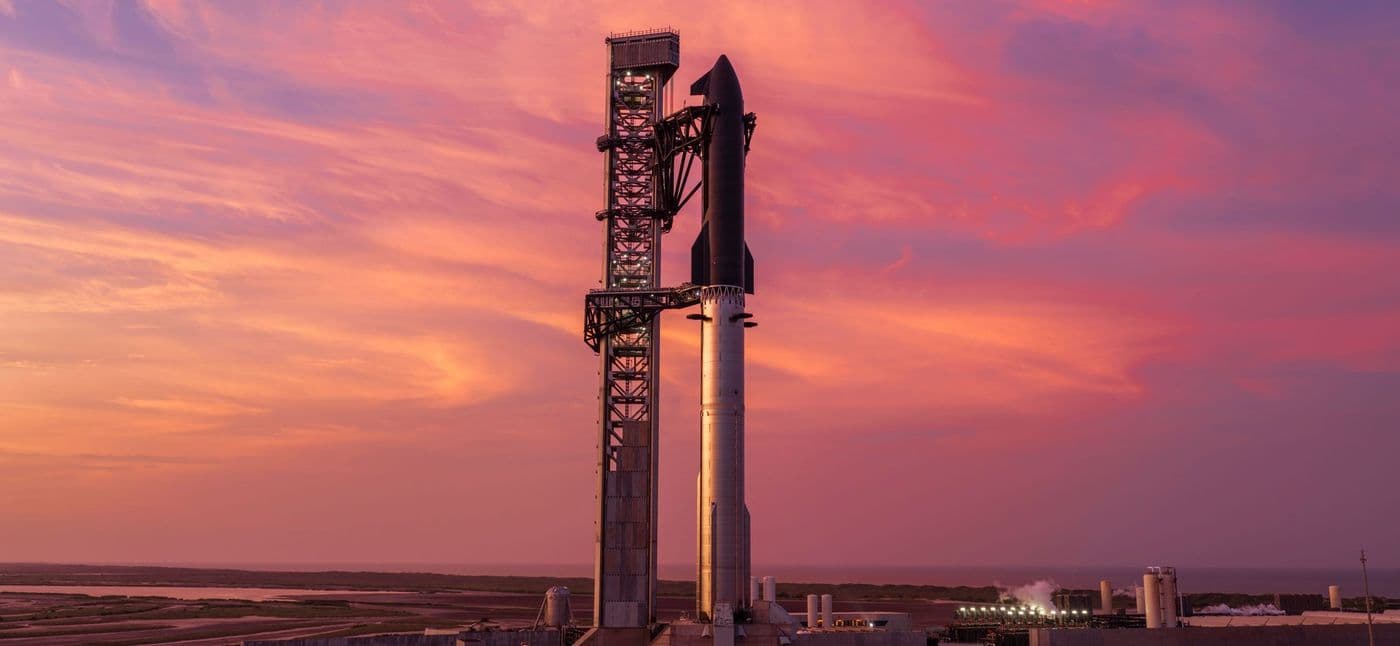
Starship
Starship is SpaceX’s fully reusable space transportation system. It consists of the Super Heavy first stage and the Starship upper stage, which is also the spacecraft; both use Raptor engines burning liquid methane and oxygen.
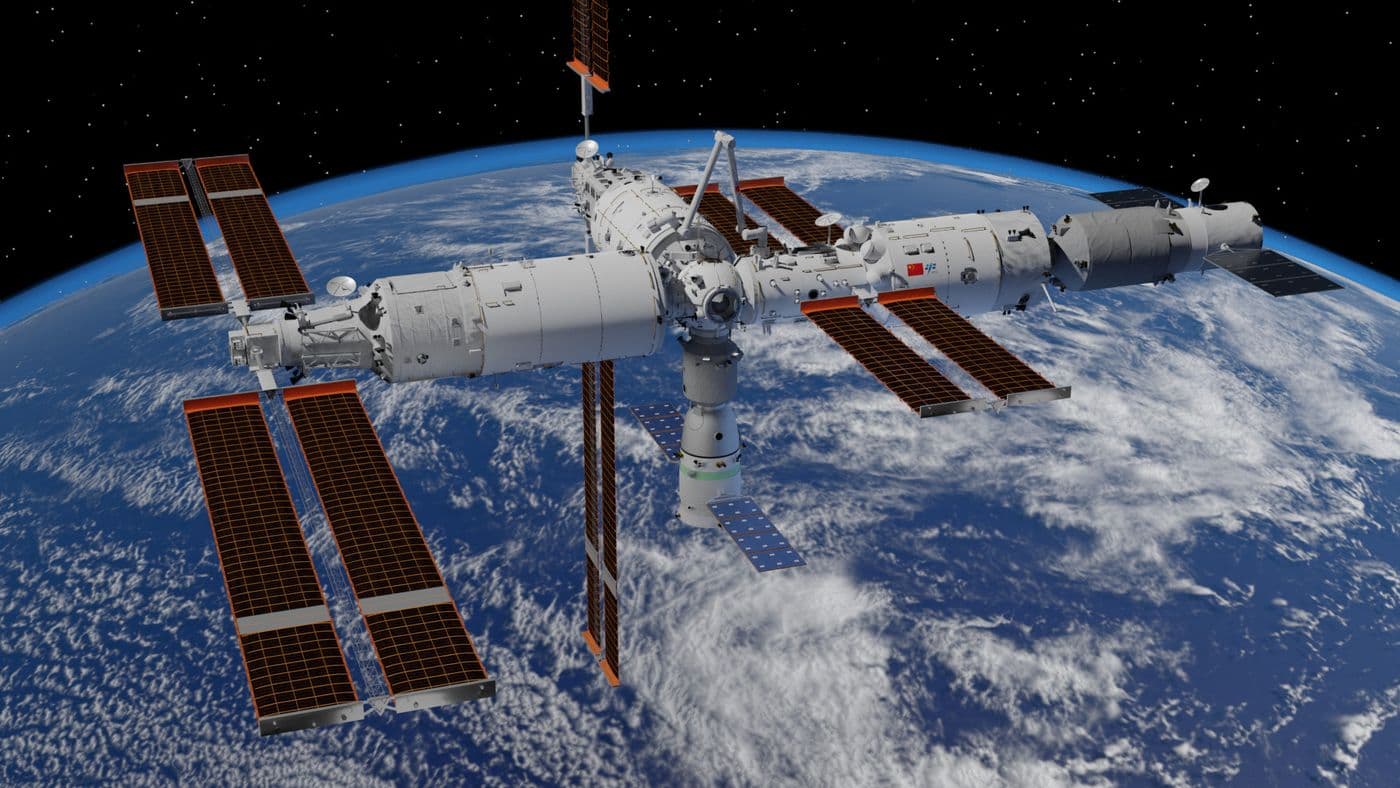
Tiangong
China’s modular space station in low Earth orbit, assembled from the Tianhe core module and the Wentian and Mengtian laboratories.
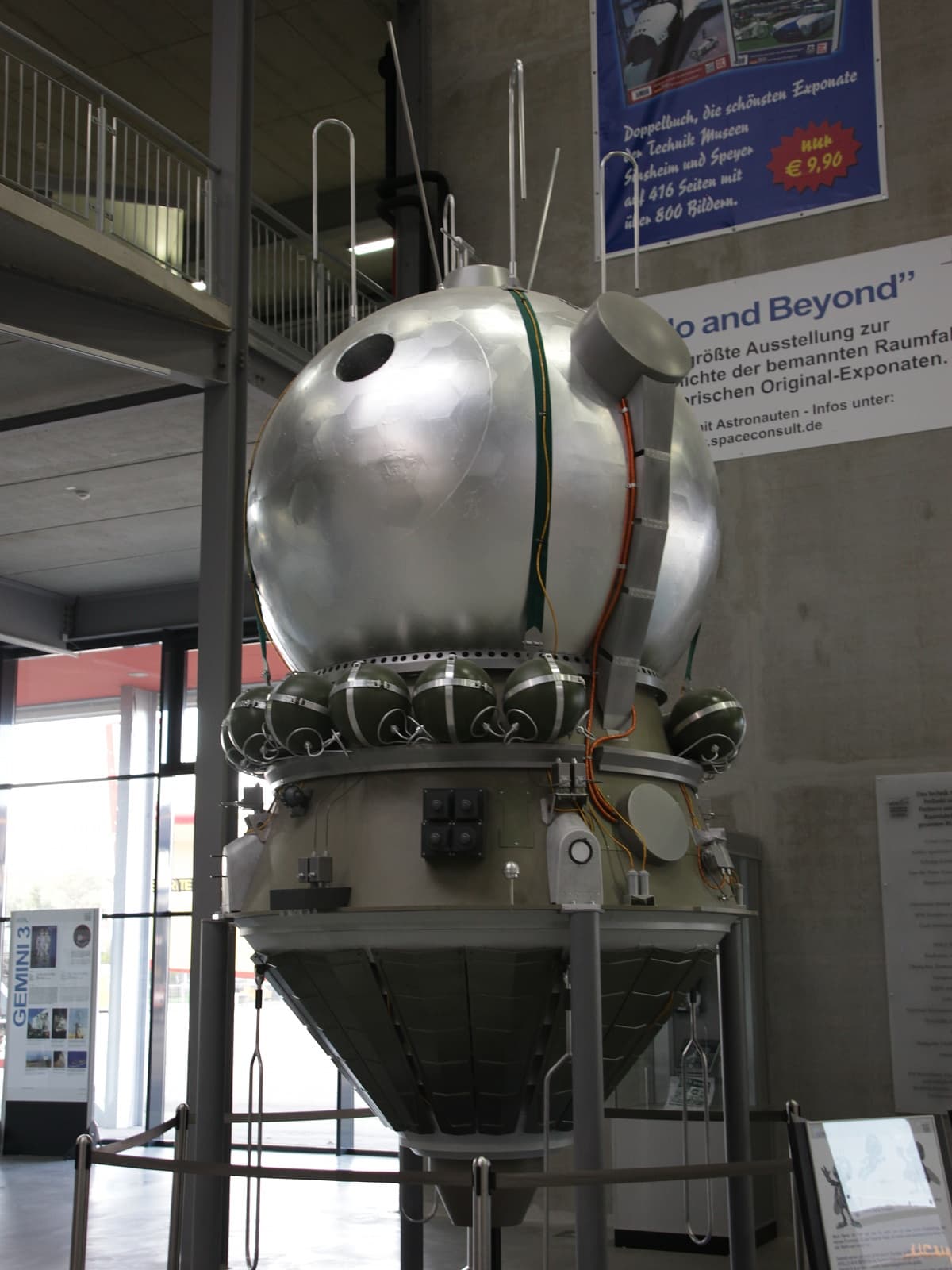
Vostok
A single-seat Soviet spacecraft with a spherical reentry capsule. Yuri Gagarin orbited the Earth aboard its first crewed flight.