Encyclopedia category
People
- Records in this category
- 62
- With their own profile
- 62
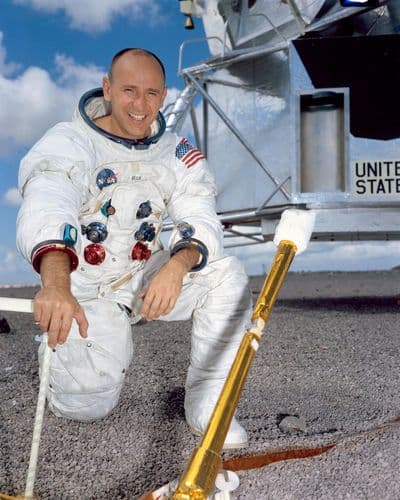
Alan Bean
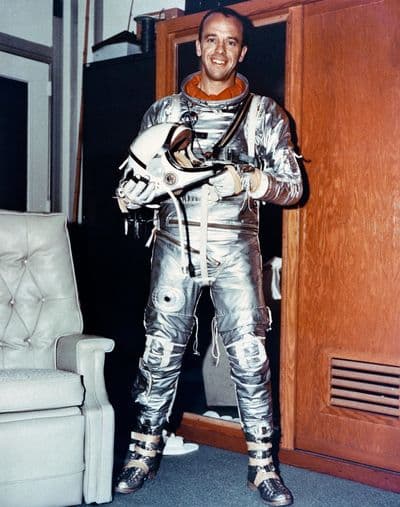
Alan Shepard
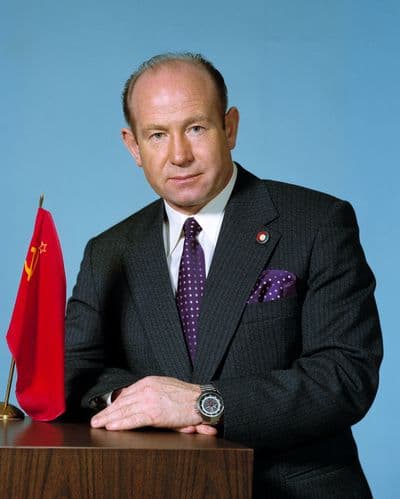
Alexei Leonov
oviet cosmonaut who on 18 March 1965 became the first human to step out of a spacecraft into open space. A decade later he commanded the Soviet side of the joint Apollo–Soyuz mission.
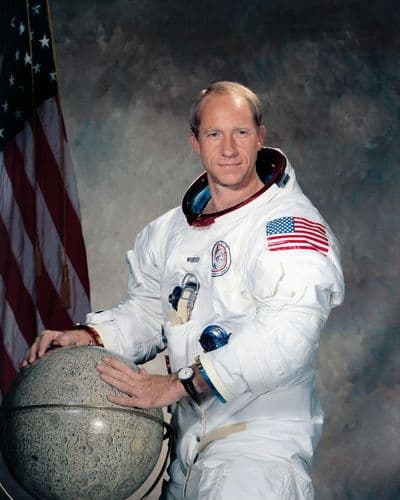
Alfred Worden
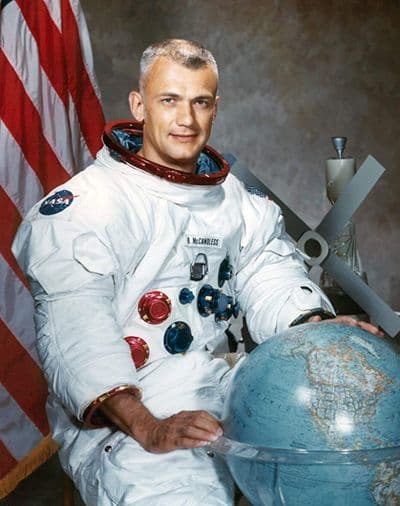
Bruce McCandless II
Mission specialist and veteran of earlier shuttle flights.
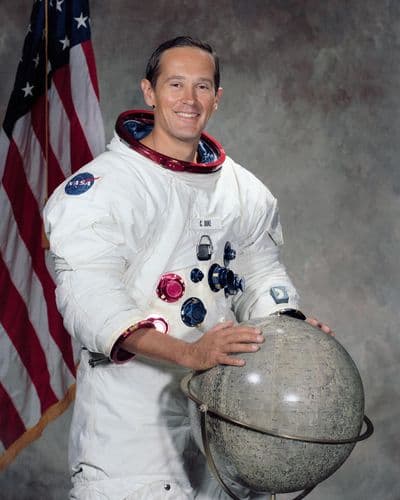
Charles Duke
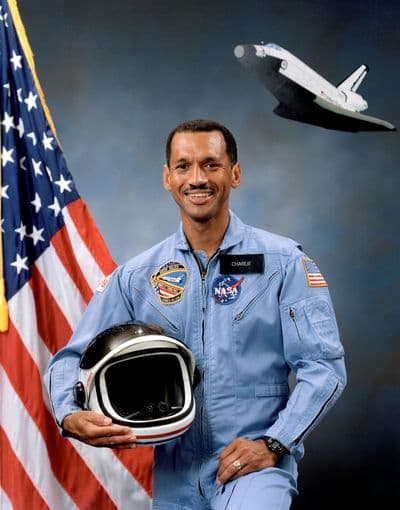
Charles F. Bolden
Discovery pilot who later became NASA administrator.
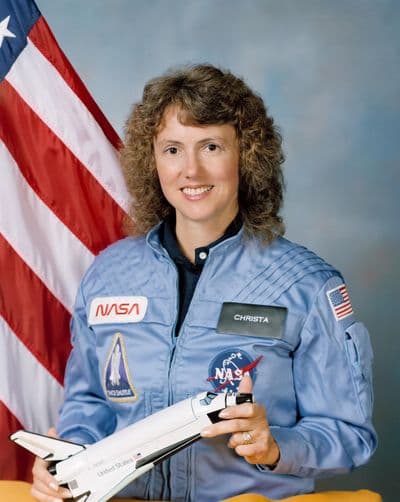
Christa McAuliffe
A teacher from New Hampshire, the first civilian selected for NASA's "Teacher in Space" project.
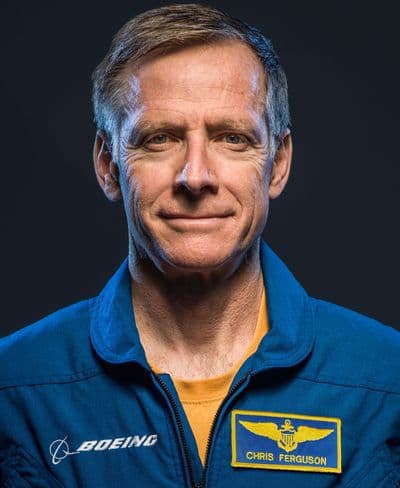
Christopher Ferguson
Commander of the final shuttle mission, STS-135.
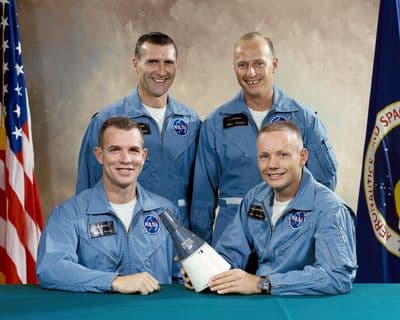
David Scott
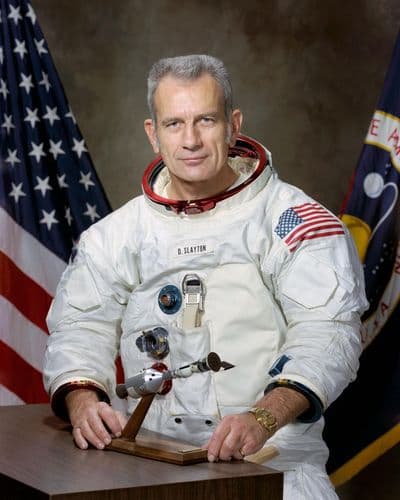
Deke Slayton
One of the original "Mercury Seven" astronauts (1959). An irregular heartbeat kept him grounded for years and he ran NASA's astronaut office; he first reached space only on Apollo–Soyuz in 1975, at the age of 51.
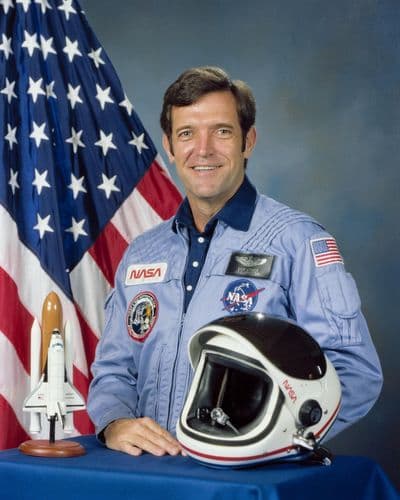
Dick Scobee
Commander of STS-51-L, a U.S. Air Force test pilot and veteran of one previous shuttle flight.
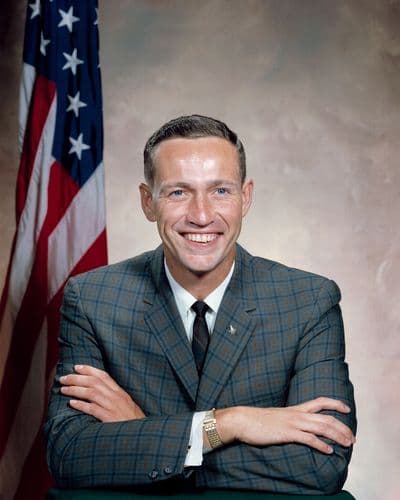
Donn Eisele
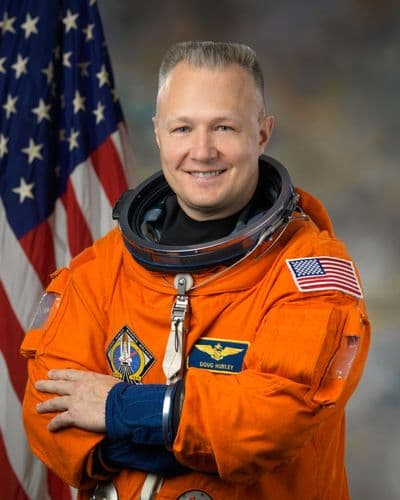
Douglas Hurley
Pilot of Atlantis on the program’s final flight.
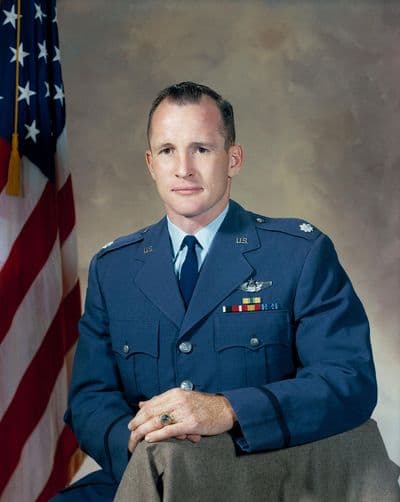
Ed White
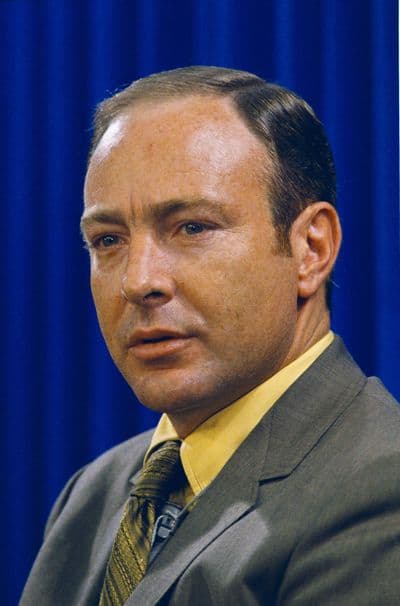
Edgar Mitchell
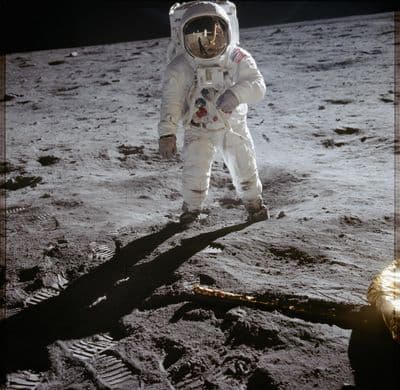
Edwin "Buzz" Aldrin
A doctor of orbital mechanics from MIT, nicknamed "Dr. Rendezvous." The second human to walk on the Moon.
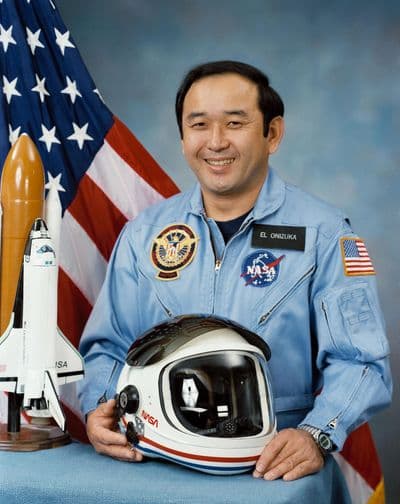
Ellison Onizuka
Mission Specialist on STS-51-L, the first Asian-American in space.
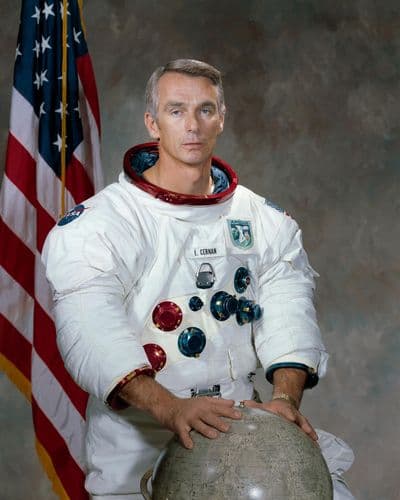
Eugene Cernan
Commander of Apollo 17 and the last person to walk on the Moon. A veteran of Gemini 9A and Apollo 10, he was also the second American to walk in space.
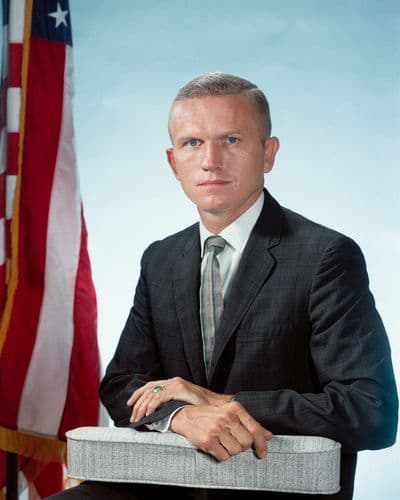
Frank Borman
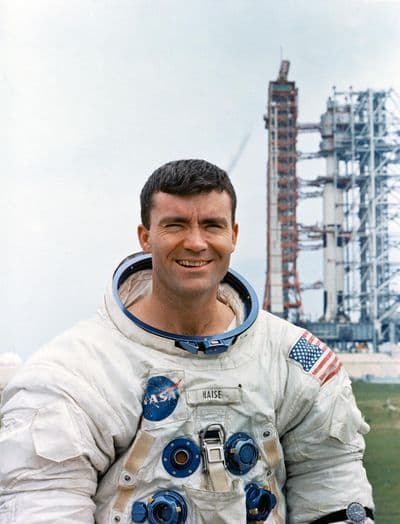
Fred Haise
Lunar module pilot. Apollo 13 was his only spaceflight; he later commanded approach-and-landing tests of the Space Shuttle Enterprise in 1977.
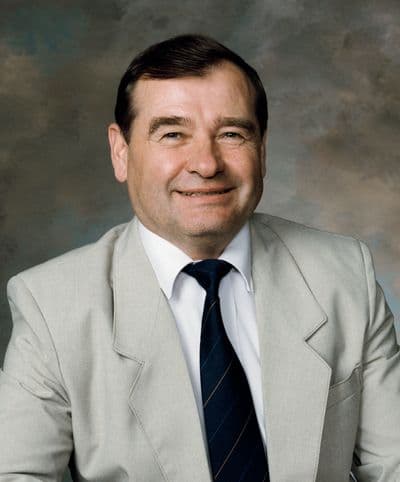
Gennadi Strekalov
Soviet cosmonaut and flight engineer. As a member of the Soyuz T-10-1 crew, he survived the rocket's launch-pad explosion on 26 September 1983 thanks to the SAS escape system.
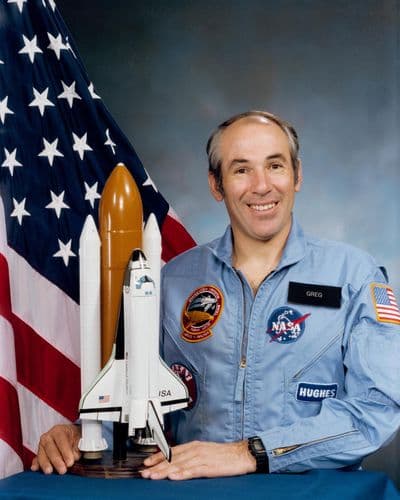
Gregory Jarvis
Payload Specialist from Hughes Aircraft on STS-51-L, for whom it was his first and only spaceflight.
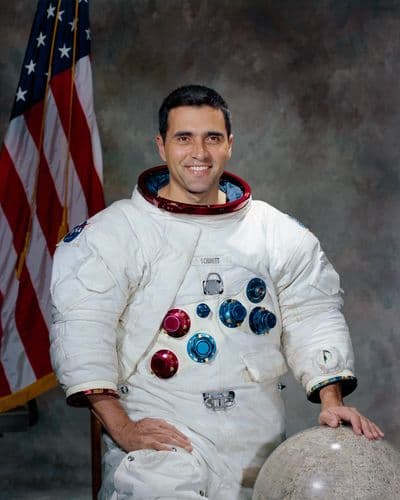
Harrison Schmitt
Lunar module pilot of Apollo 17 and a professional geologist — the only trained scientist to walk on the Moon during the Apollo program. He later served as a U.S. Senator for New Mexico.
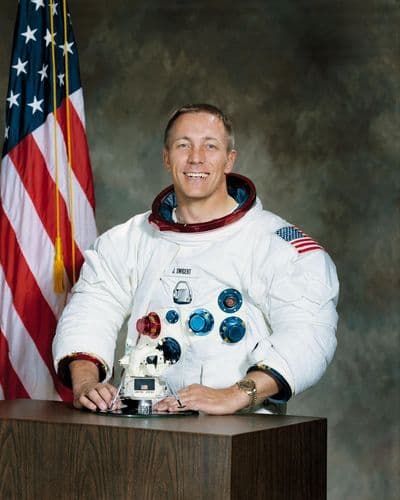
Jack Swigert
Command module pilot. He joined the crew only days before launch, replacing Ken Mattingly after Mattingly's exposure to German measles. Apollo 13 was his only spaceflight.
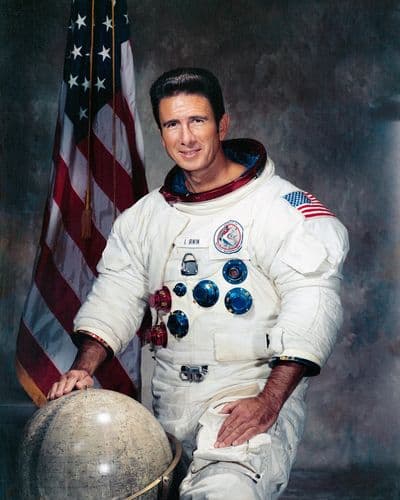
James Irwin
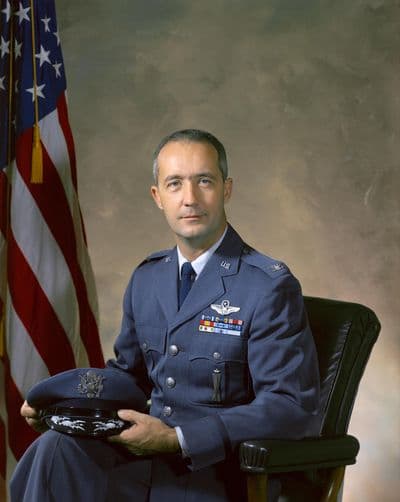
James McDivitt
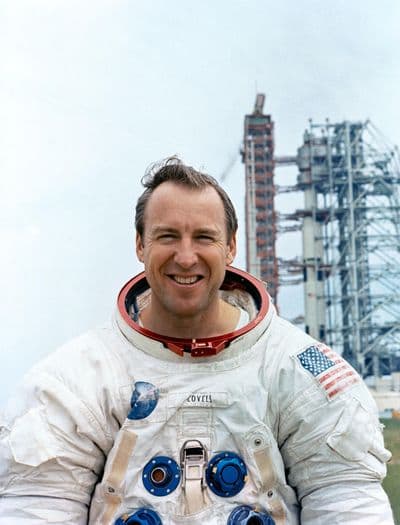
Jim Lovell
Commander of Apollo 13. A veteran of Gemini 7, Gemini 12, and Apollo 8 (the first crewed flight to orbit the Moon), he later co-wrote the memoir "Lost Moon", the basis for the 1995 film Apollo 13.
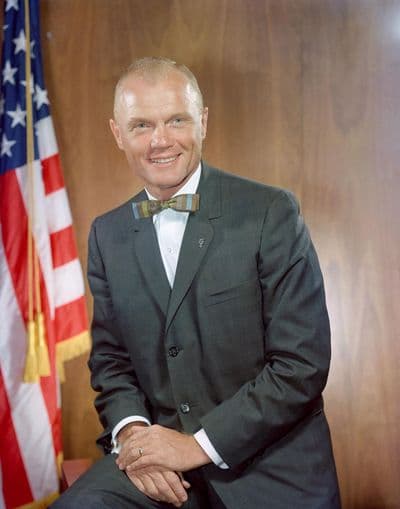
John Glenn
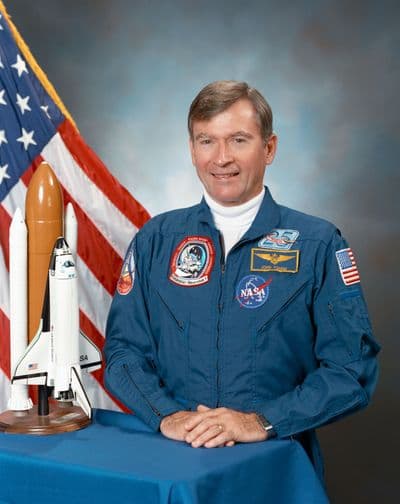
John Young
Commander of STS-1. Already a veteran of Gemini 3, Gemini 10, Apollo 10, and Apollo 16 (on which he walked on the Moon), he became the only astronaut to fly Gemini, Apollo, and the Space Shuttle.
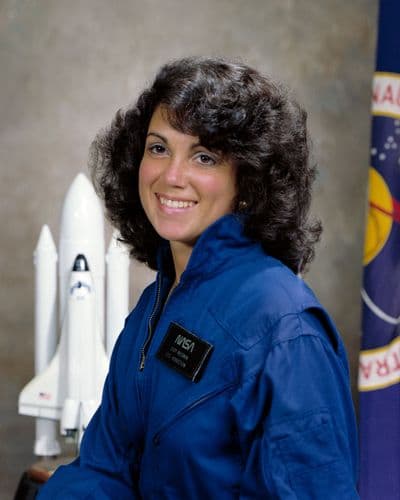
Judith Resnik
Mission Specialist on STS-51-L, an electrical engineer and the second American woman in space.
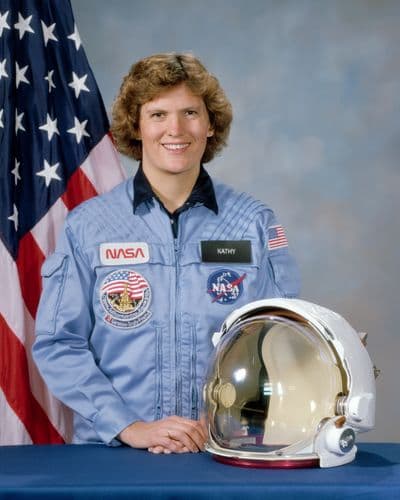
Kathryn D. Sullivan
NASA astronaut and the first American woman to perform a spacewalk, in 1984. She served as a mission specialist on STS-31 in 1990.
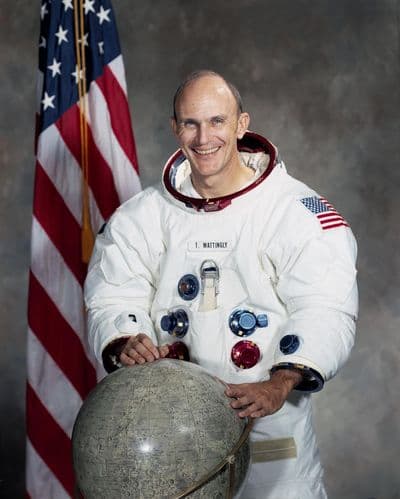
Ken Mattingly
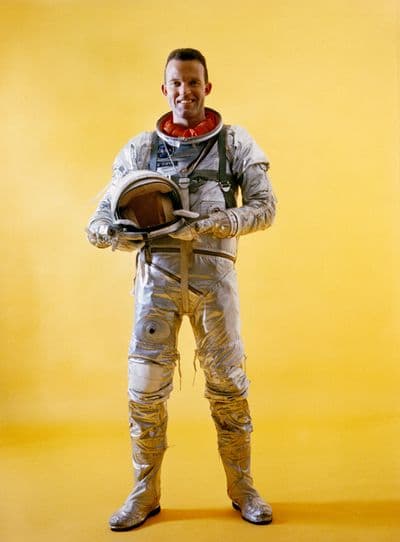
L. Gordon Cooper Jr.
Command pilot of Gemini 5 and veteran of Mercury-Atlas 9. He led the eight-day endurance mission with calm test-pilot discipline.
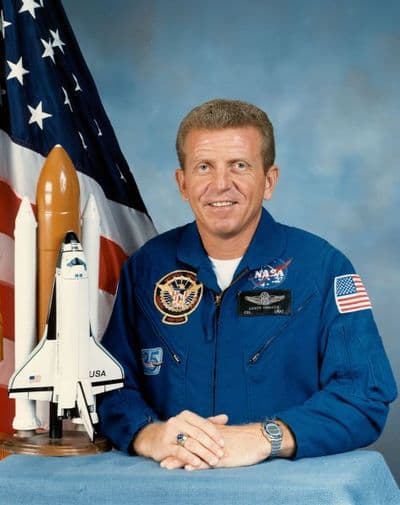
Loren Shriver
Mission commander and experienced shuttle pilot.
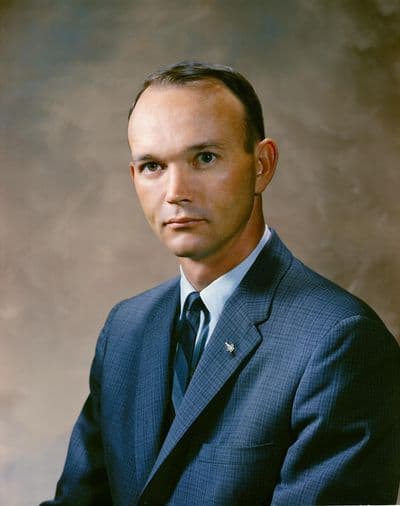
Michael Collins
Remained in lunar orbit, circling the Moon 30 times. Later served as director of the National Air and Space Museum.
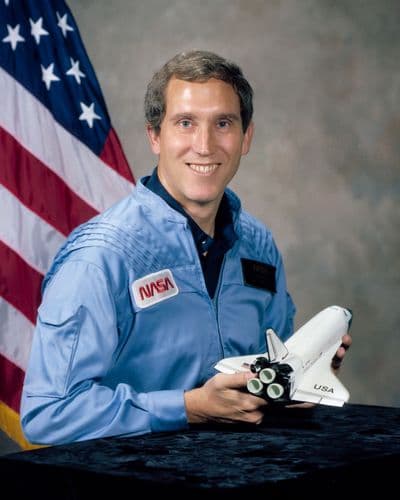
Michael J. Smith
Pilot of STS-51-L, for whom it was his first and only spaceflight.
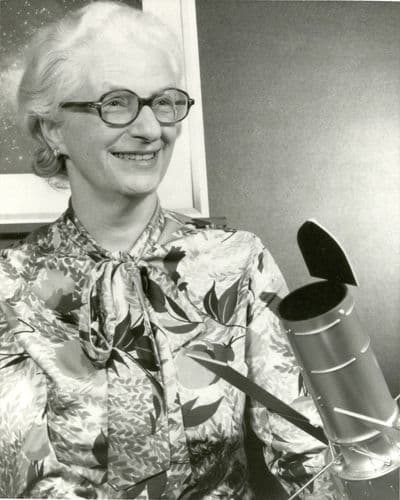
Nancy Grace Roman
Astronomer, NASA’s first Chief of Astronomy, and a pioneer of American space astronomy. Her sustained advocacy for space observatories laid the institutional foundations for the Hubble Space Telescope.
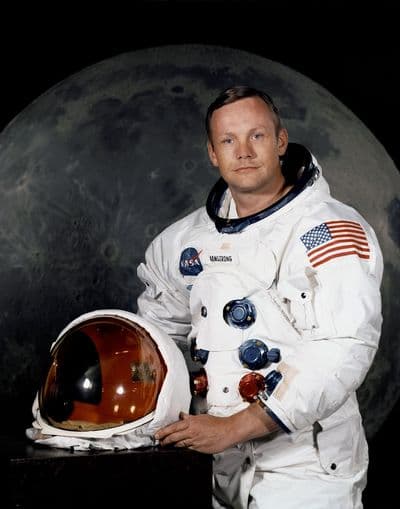
Neil Armstrong
Apollo 11 commander and the first person to walk on the Moon. He took his first step at 02:56 UTC on 21 July 1969, still 20 July in the United States.
Pavel Belyayev
ommander of Voskhod 2 and a seasoned military pilot. When the automatic system failed during return, he carried out the first-ever manual controlled landing of a Soviet crewed spacecraft.
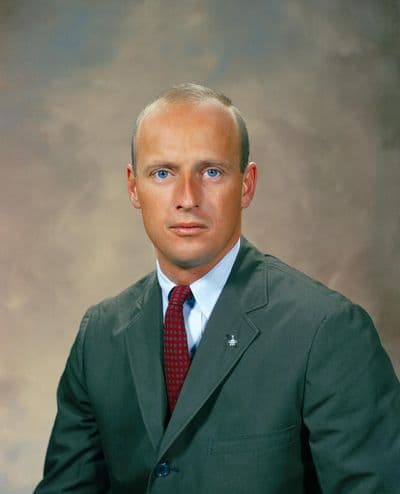
Pete Conrad
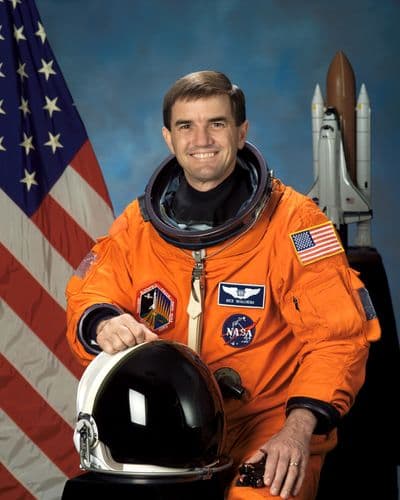
Rex Walheim
Mission specialist and veteran of several shuttle flights.
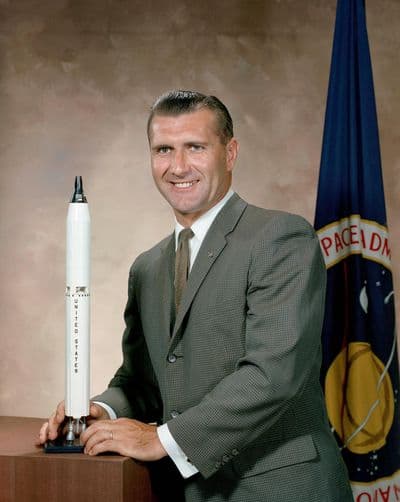
Richard Gordon
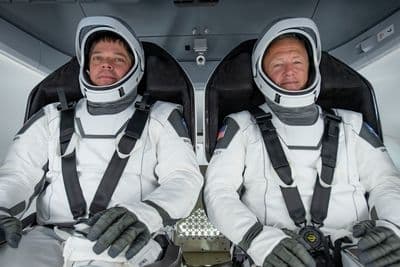
Robert Behnken
Astronaut NASA, elektrotechnický inženýr a veterán misí raketoplánu.
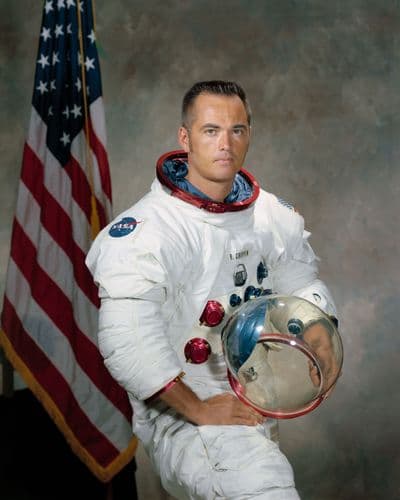
Robert Crippen
Pilot of STS-1, his first spaceflight. He went on to command several further Space Shuttle missions.
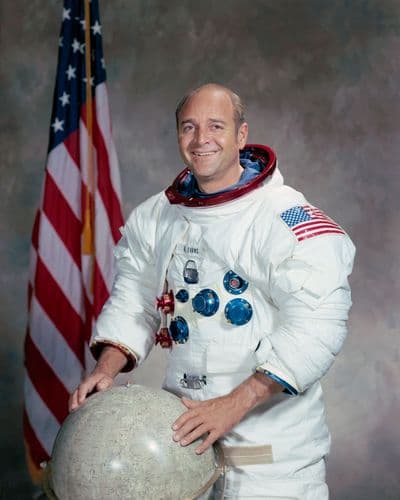
Ronald Evans
Command module pilot of Apollo 17. He orbited the Moon alone in the command module America for over three days and performed a deep-space EVA on the return journey to retrieve film cassettes.
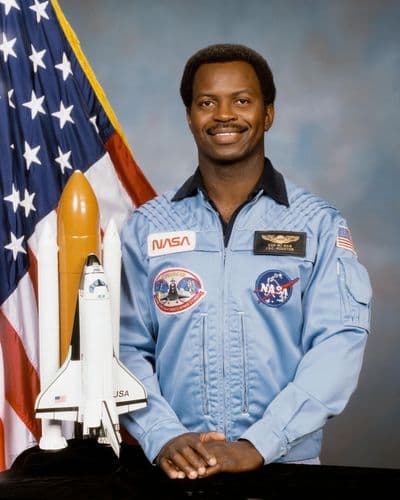
Ronald McNair
Mission Specialist on STS-51-L, a physicist and the second African-American in space.
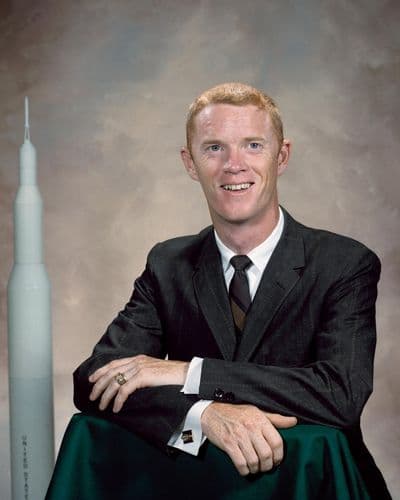
Rusty Schweickart
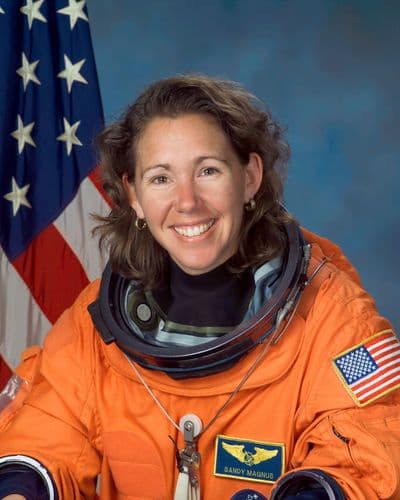
Sandra Magnus
Mission specialist responsible for payload and station operations.
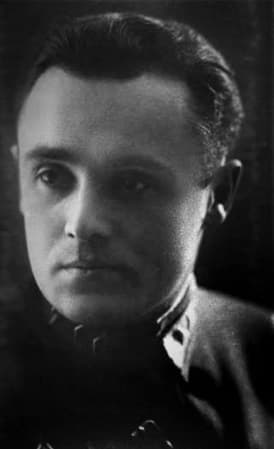
Sergei Pavlovich Korolev
Sergei Pavlovich Korolev was the chief designer of the Soviet space program and one of the central figures of the early Space Age. Under his leadership the first intercontinental ballistic missile, the R-7, was built, the first artificial satellite Sputnik 1 was launched, and the first human — Yuri Gagarin — reached orbit. During his lifetime his own name remained a state secret; the world knew him only as “the Chief Designer”.
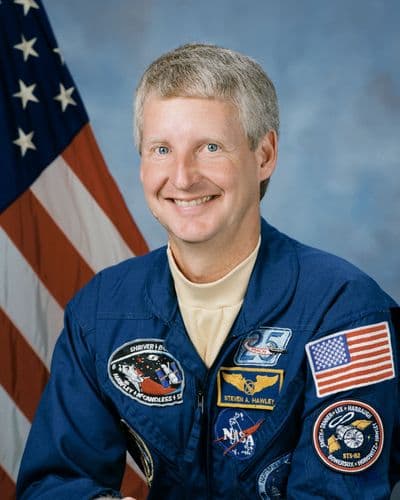
Steven A. Hawley
Mission specialist involved in payload operations.
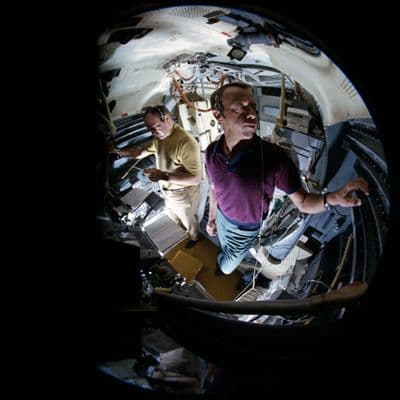
Stuart Roosa
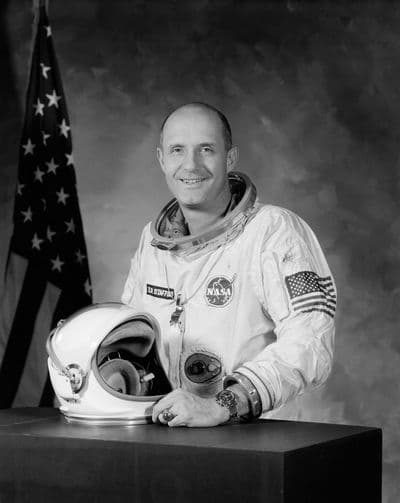
Tom Stafford
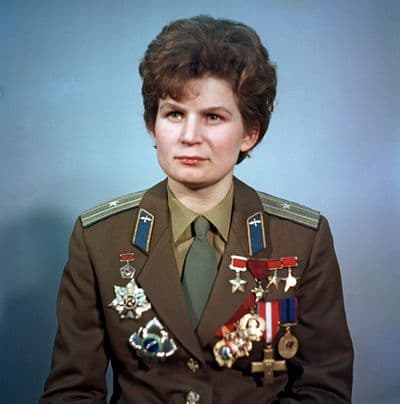
Valentina Tereshkova
oviet cosmonaut and the first woman in space. On 16 June 1963 she launched aboard Vostok 6 and in under three days orbited the Earth forty-eight times. She remains the only woman ever to have flown a solo space mission.
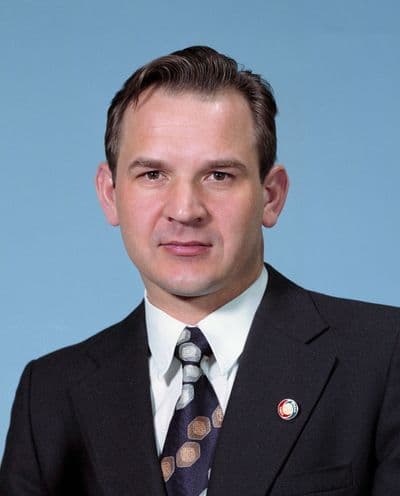
Valeri Kubasov
Soviet cosmonaut and aerospace engineer, flight engineer of Soyuz 19 during the joint Apollo–Soyuz mission in 1975. He flew to space three times in total.
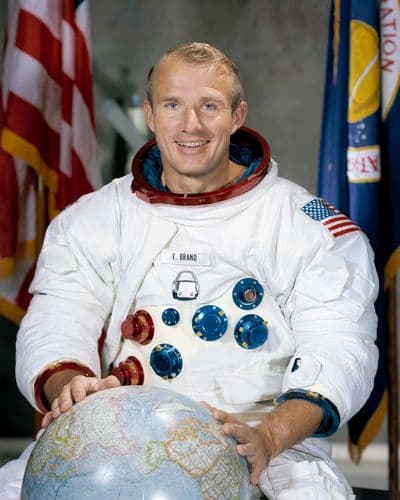
Vance Brand
American astronaut and command module pilot on the 1975 Apollo–Soyuz mission — his first spaceflight. He later commanded three Space Shuttle flights.
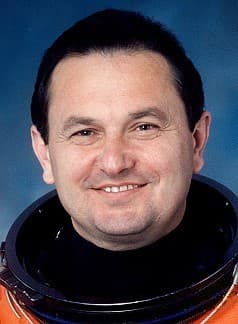
Vladimir Titov
Soviet cosmonaut and military pilot. As commander of Soyuz T-10-1, he survived the rocket's explosion on the launch pad on 26 September 1983 thanks to the activation of the SAS escape system. Four years later, in 1987, he successfully flew to space again as commander of the Soyuz TM-4 mission.
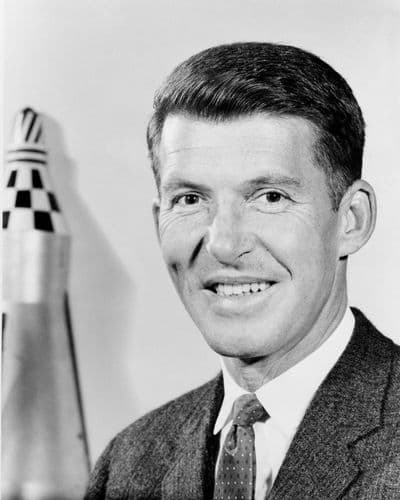
Wally Schirra
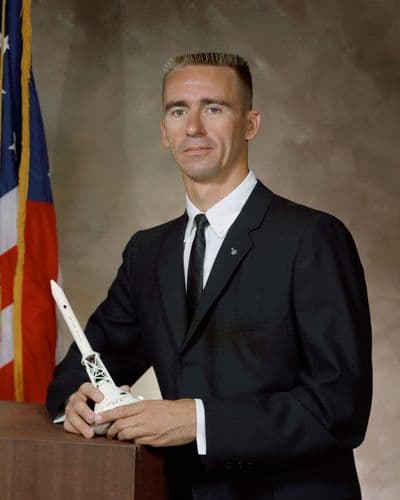
Walter Cunningham

Wernher von Braun
Wernher von Braun was a rocket engineer whose career spans two opposing chapters of history. In Nazi Germany he was behind the V-2 ballistic missile, whose production cost the lives of thousands of concentration-camp prisoners. After the war he became the chief architect of America’s Saturn V rocket, which carried the first humans to the Moon in 1969.
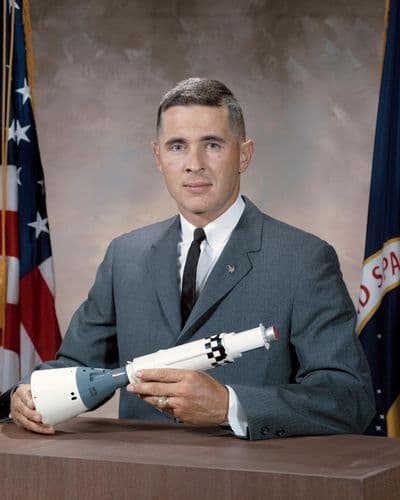
William Anders

Yuri Alekseyevich Gagarin
The first human in space. On 12 April 1961 he orbited the Earth aboard Vostok 1 and became a symbol of the Soviet space program.