- Date
- 1979–2026
- Launcher
- Ariane
#ESA#Evropa#Ariane#Kourou#ISS
Ariane is the backbone of European spaceflight — a family of launch vehicles thanks to which Europe need not depend on other nations' rockets to send a satellite or probe into space. The programme has run since the late 1970s, and its rockets launch from the equatorial Kourou spaceport in French Guiana, where they benefit from Earth's rotation. The best-known and most successful became the heavy-lift Ariane 5, a reliable workhorse that for over a quarter of a century carried communications satellites, scientific missions and supplies for the International Space Station into space. Its place is now being taken by the newer and more economical Ariane 6.
The first Ariane rocket launched as early as Christmas Eve 1979. Europe was thus responding to the need to place its own satellites into orbit without depending on the United States. Ariane 1 through 4 followed, and in 1996 came a major generational change — the heavy-lift Ariane 5. Its very first flight on 4 June 1996 ended in failure: shortly after launch the rocket veered off course and had to be destroyed because of an error in its control software. After modifications, however, Ariane 5 became one of the most reliable rockets in the world. Until its retirement in July 2023 it launched a total of 117 times and in its final years flew without a single failure.
Ariane in numbers
- Family since
- 1979
- Operator
- ESA / Arianespace
- Spaceport
- Kourou (CSG)
- Ariane 5 flights
- 117
- Ariane 5 in service
- 1996–2023
- Ariane 5 height
- ~52m
- Payload to GTO
- ~10t
- Ariane 6 first flight
- 2024
- Ariane 6 to LEO
- ~21,6t
- Ariane 6 configurations
- A62 / A64
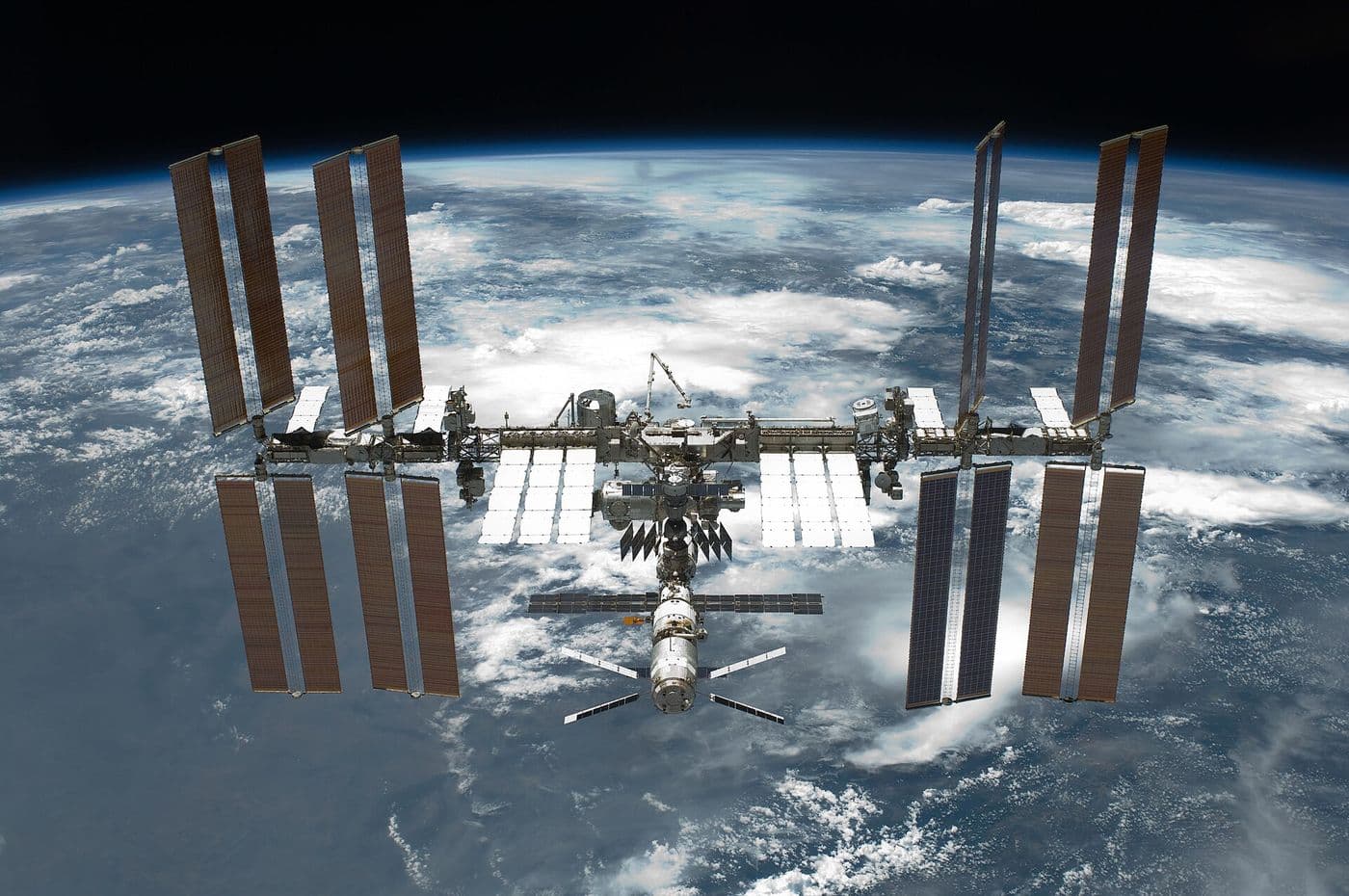
Ariane 5 was a heavy-lift rocket about 52 metres tall, able to carry roughly 10 tonnes to geostationary transfer orbit — often two large telecommunications satellites at once. Besides commercial launches it flew several iconic science missions: on 25 December 2021 it launched the James Webb Space Telescope, the largest and most sensitive space telescope in history, and the precision of the launch saved it fuel and extended its planned lifetime. Between 2008 and 2014 Ariane 5 also launched, five times, the European Automated Transfer Vehicle (ATV), which delivered propellant, water, air and supplies to the International Space Station and additionally used its engines to boost the station to a higher orbit.
Ariane 6 is the new generation of European launcher, designed to be more flexible and cheaper than its predecessor. It made its first flight on 9 July 2024 from the Kourou spaceport. It flies in two configurations: the lighter Ariane 62 with two solid-propellant boosters and the more powerful Ariane 64 with four. A key innovation is the upper stage with its Vinci engine, which can be restarted in space, so it can deliver multiple payloads to different orbits during a single flight. In its most powerful form Ariane 6 can carry over 20 tonnes to low Earth orbit. The Ariane rockets are operated for ESA by Arianespace, and built by ArianeGroup.
Follow us
Follow us on social media
New plates, trivia and behind-the-scenes updates as soon as they are ready.
All Ariane rockets launch from the Guiana Space Centre (CSG) near the town of Kourou in French Guiana, on the north-eastern coast of South America. Its location just a few degrees north of the equator is a great advantage: Earth's rotation gives an eastbound rocket extra speed at launch, so it can carry more payload to a given orbit than from sites farther from the equator. Europe has used the spaceport since the 1970s, and besides Ariane rockets, smaller European launchers fly from there too.
Facts
- Ariane rockets have flown since 1979, giving Europe independent access to space.
- They launch from the Kourou spaceport near the equator, where Earth's rotation increases their payload capacity.
- Ariane 5 launched 117 times between 1996 and 2023; its very first flight, however, failed due to a software error.
- Ariane 5 launched the James Webb Space Telescope on 25 December 2021.
- Between 2008 and 2014 Ariane 5 launched the European ATV cargo ship to the International Space Station five times.
- Its successor, Ariane 6, first flew on 9 July 2024 and comes in two versions, Ariane 62 and Ariane 64.
Gallery
Related articles
Sources & further reading
- ESA: overview of the European Ariane family of launch vehicles.
- ESA: technical overview of the new Ariane 6 rocket and its configurations.
- Wikipedia: Ariane 5 — history, launches and technical data, CC-BY-SA.
- Wikipedia: Ariane 6 — configurations, first flight and payload capacity, CC-BY-SA.
Spaceflightpedia. (n.d.). Ariane. Retrieved 9 October 2026, from https://spaceflightpedia.com/article/ariane
article text — CC-BY-SA · ◉ NASA photography — public domain · ✦ AI illustration — marked, generated from sources