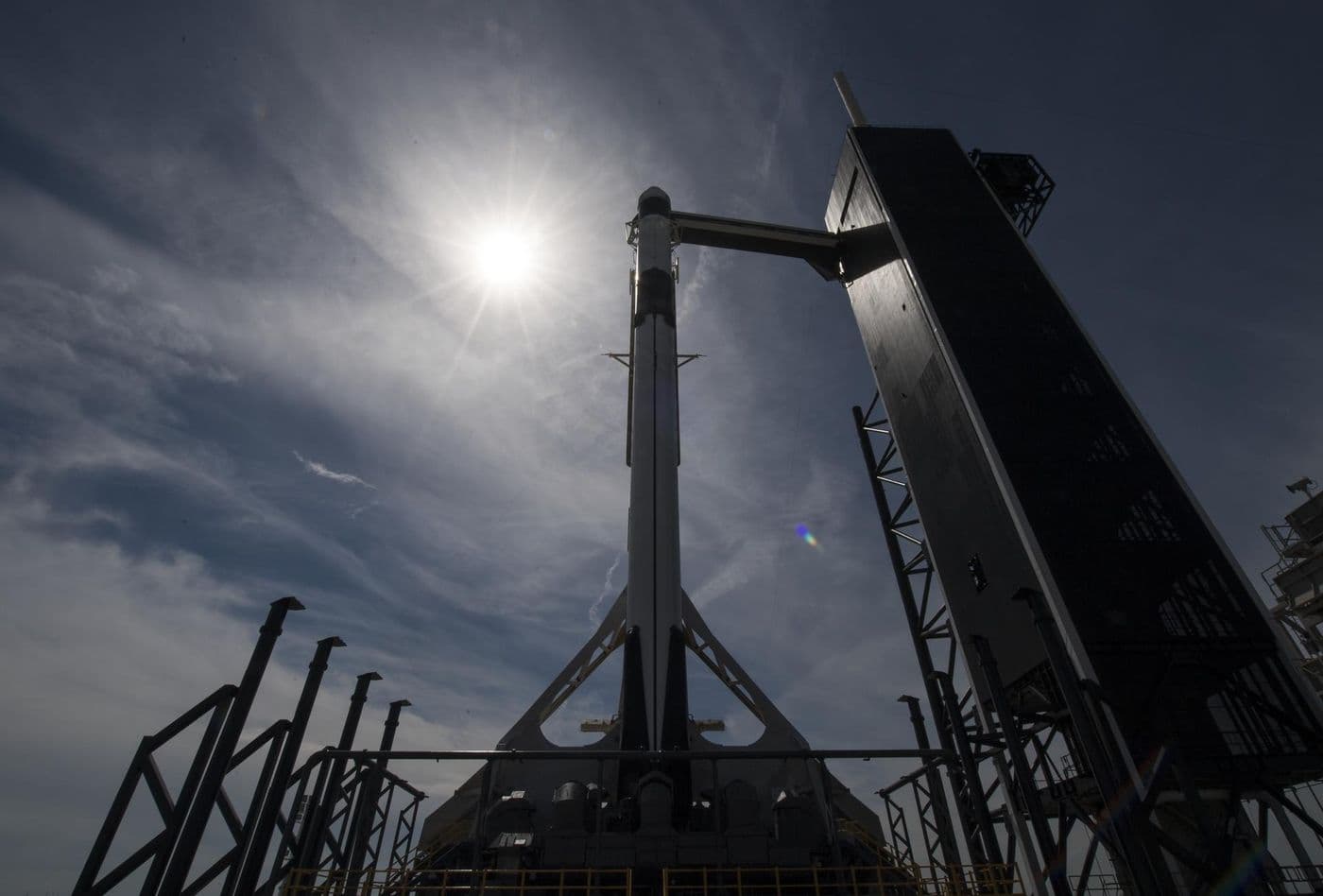
- Body
- Low Earth Orbit (LEO)
#nizka-obezna-draha-leo#bodies
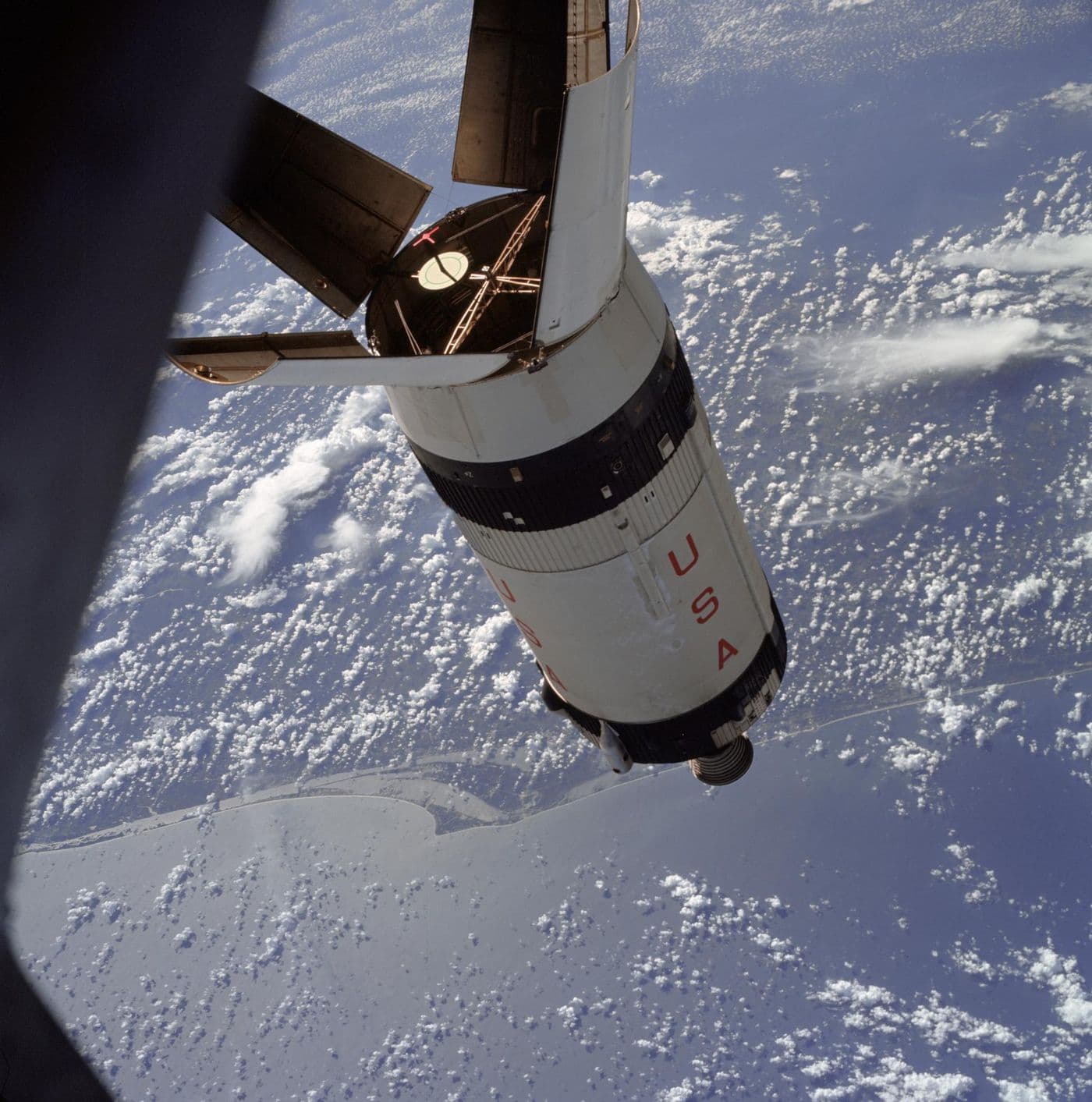
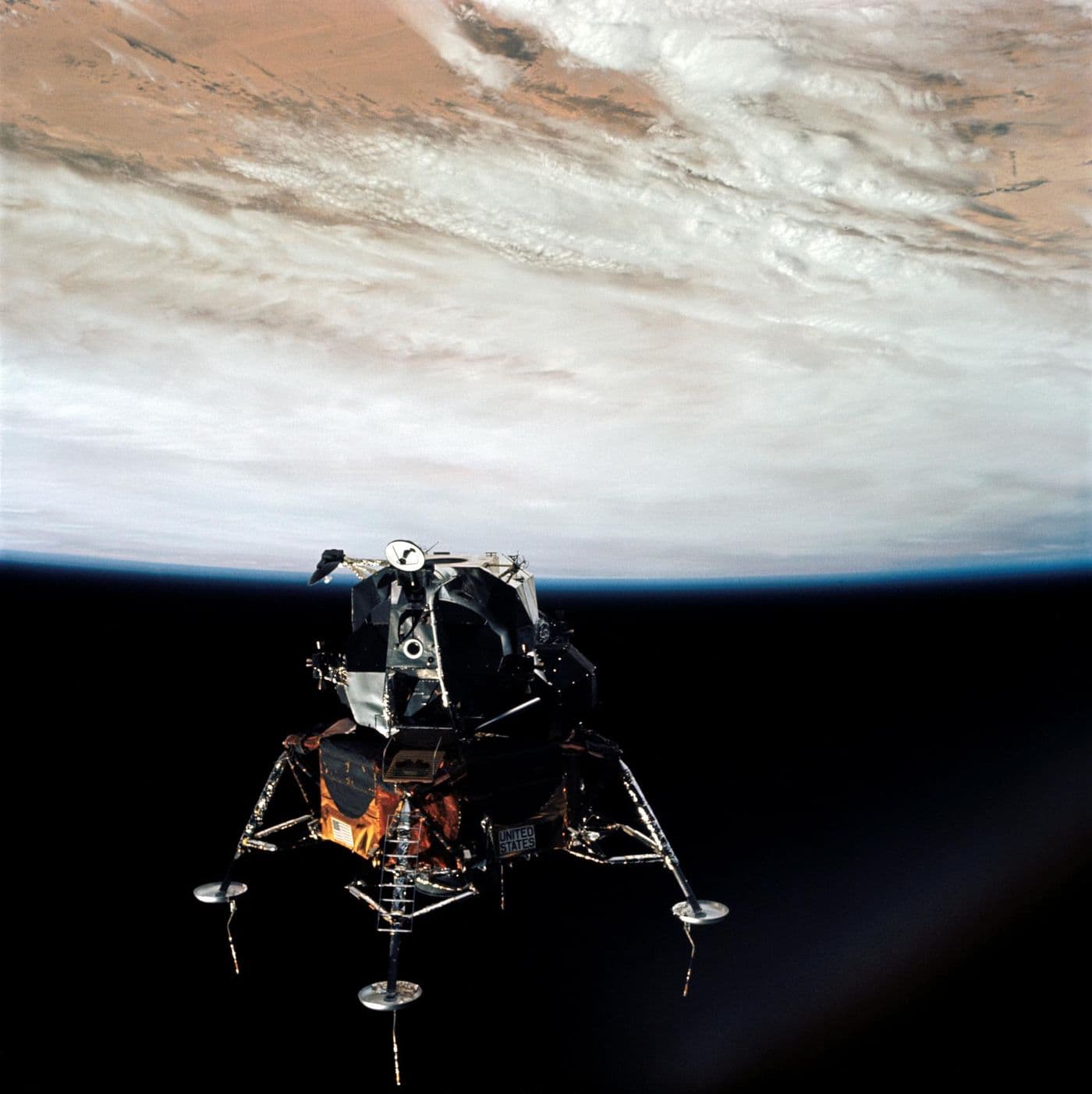
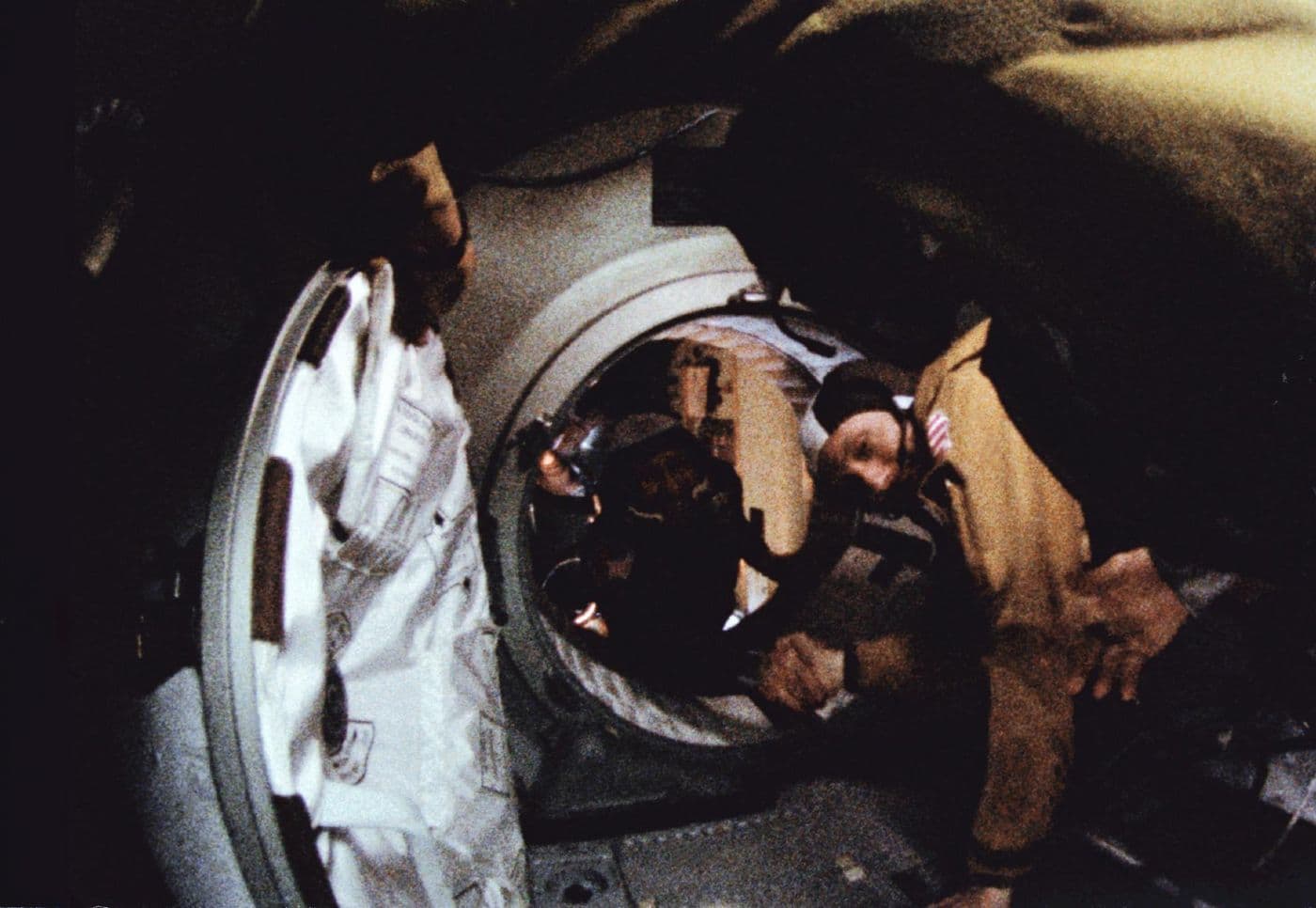
Low Earth orbit, commonly called LEO, is the most accessible region of space. It is where the first orbital flights, spacecraft rendezvous, spacewalks, and long-duration station crews were demonstrated.
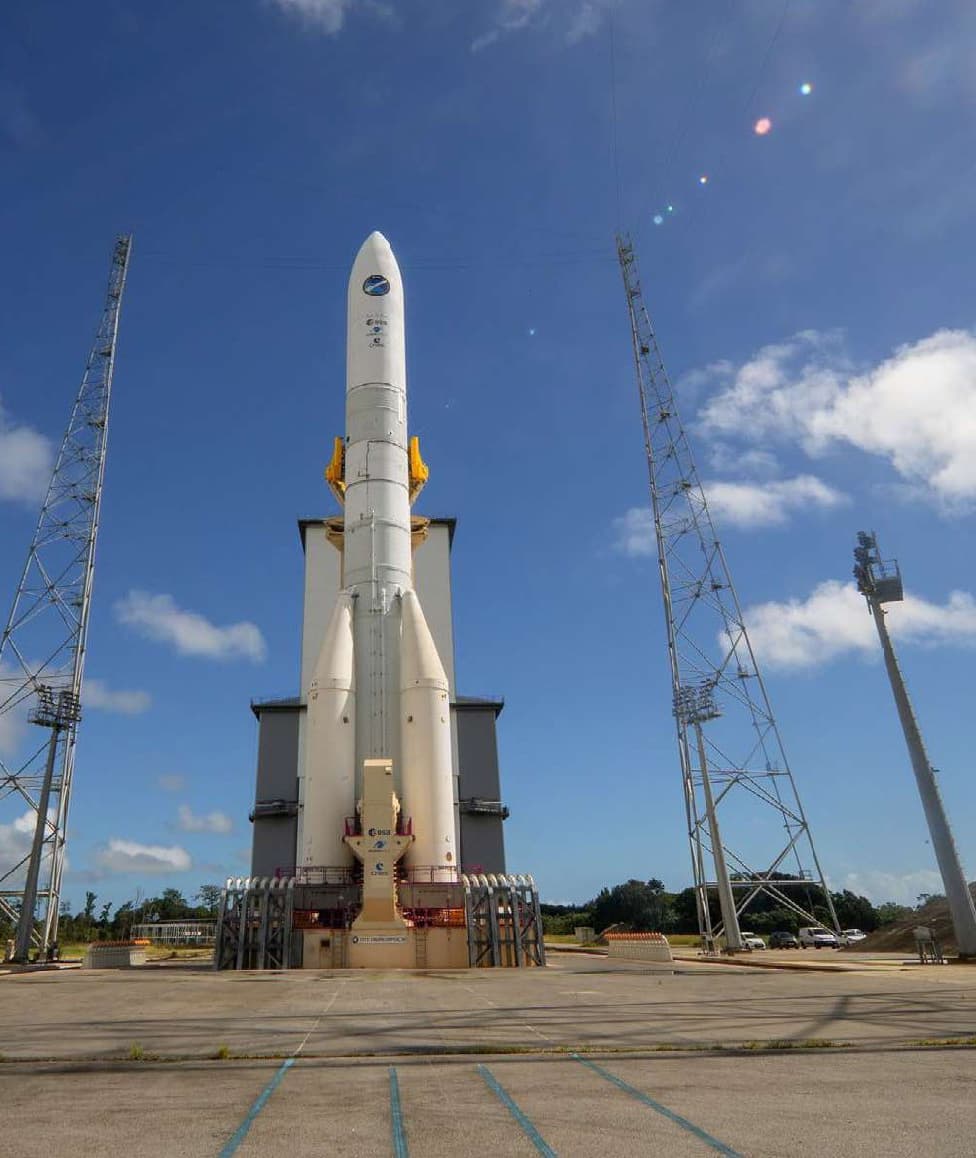
LEO is not a single altitude or a single orbit. The choice of a particular orbit depends on inclination, altitude, launch-vehicle capability, atmospheric drag, and mission purpose. For human spaceflight it is essential infrastructure for further expeditions.
Key context
- Atmospheric drag in LEO gradually lowers the orbit of objects without periodic corrections.
- The ISS operates in low Earth orbit.
- Reaching LEO primarily requires gaining high horizontal velocity.
Follow us
Follow us on social media
New plates, trivia and behind-the-scenes updates as soon as they are ready.
Sources & further reading
Spaceflightpedia. (n.d.). Low Earth Orbit (LEO). Retrieved 18 October 2026, from https://spaceflightpedia.com/article/low-earth-orbit
article text — CC-BY-SA · ◉ NASA photography — public domain · ✦ AI illustration — marked, generated from sources
How it works
- Why does the ISS not fall to Earth?
- Why do astronauts float if gravity still acts on them?
- How does a satellite stay in orbit?