- Date
- 16 March 1966
- Mission
- Gemini 8
#NASA#Gemini
emini 8 was meant to demonstrate a skill essential to the Moon: docking two spacecraft in orbit. Armstrong and Scott successfully docked with the uncrewed Agena target — but the elation lasted only minutes.
Crew
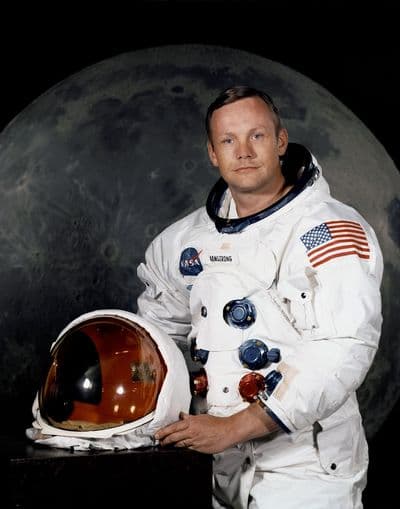 COMMAND PILOTNeil ArmstrongA NASA pilot and former naval aviator, Gemini 8 was his first spaceflight. His cool-headed handling of the emergency spin helped cement his reputation — three years later he commanded Apollo 11 and became the first person on the Moon.
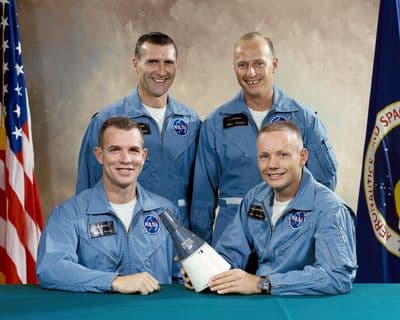 PILOTDavid ScottA U.S. Air Force pilot, Gemini 8 was his first spaceflight. He later flew on Apollo 9 and, as commander of Apollo 15, became the seventh person to walk on the Moon.
A stuck thruster set the docked stack spinning, and when Armstrong tried to stop it by undocking from the Agena, it spun even faster — over one revolution per second, close to the point where the crew would black out. Armstrong saved the situation by shutting down the orbital control system and using the reentry backup system, which forced an immediate end to the mission and an emergency splashdown in the Pacific after barely eleven hours.
Mission timeline
Select a phase to read what happened. Every chapter has its own detailed page.
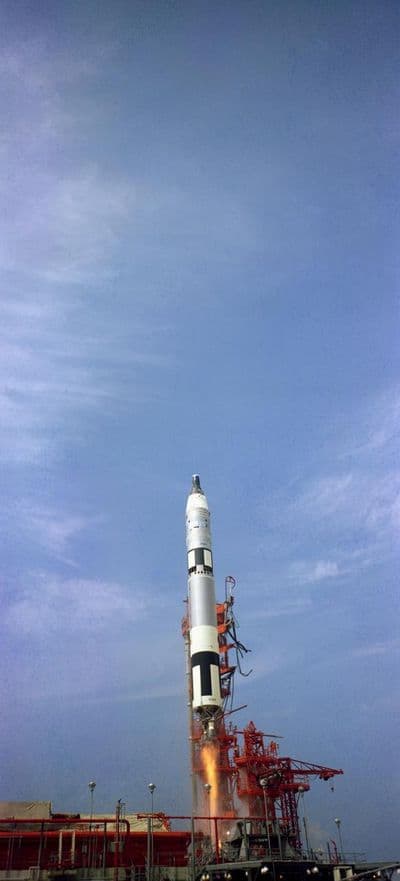
The first docking in the history of spaceflight
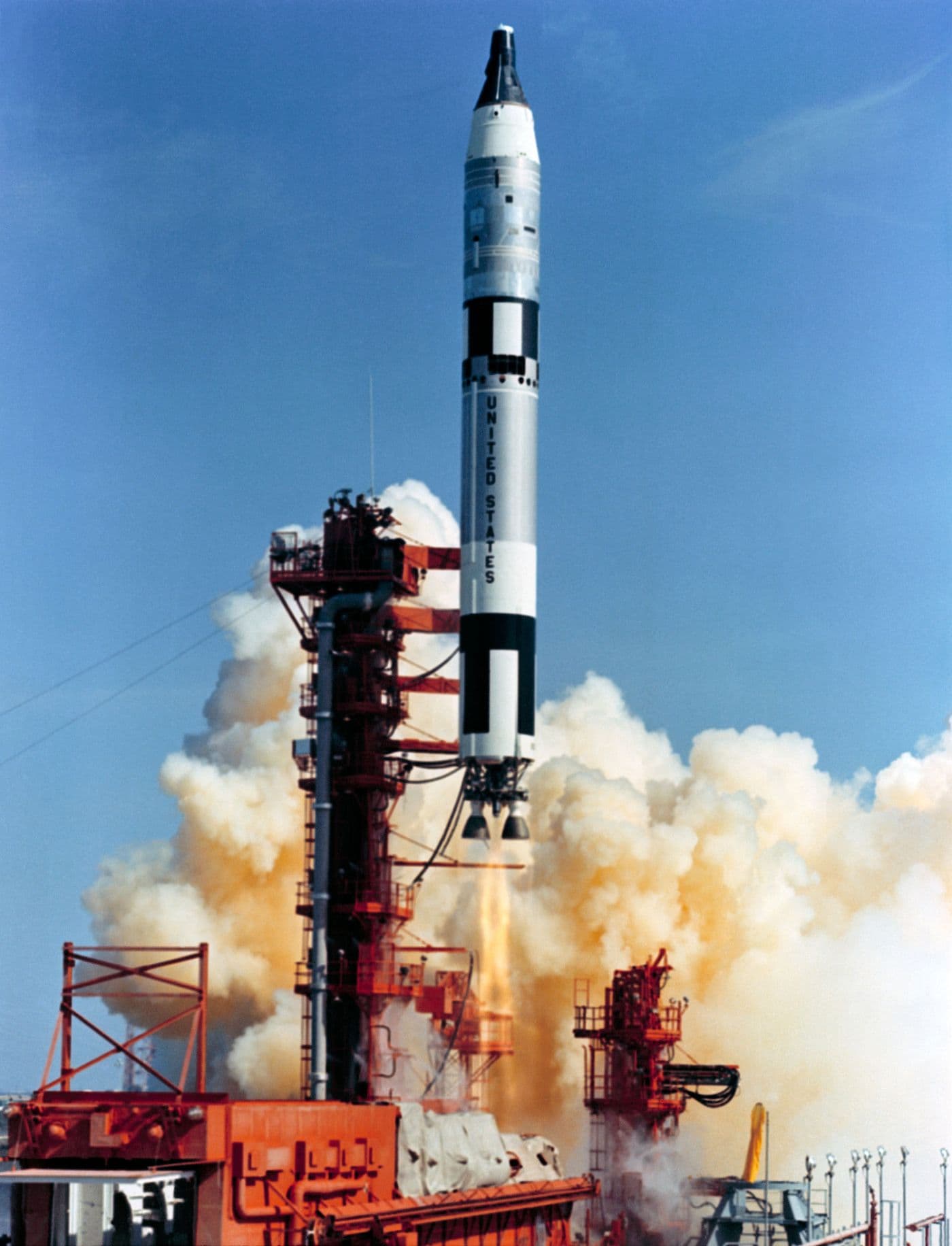
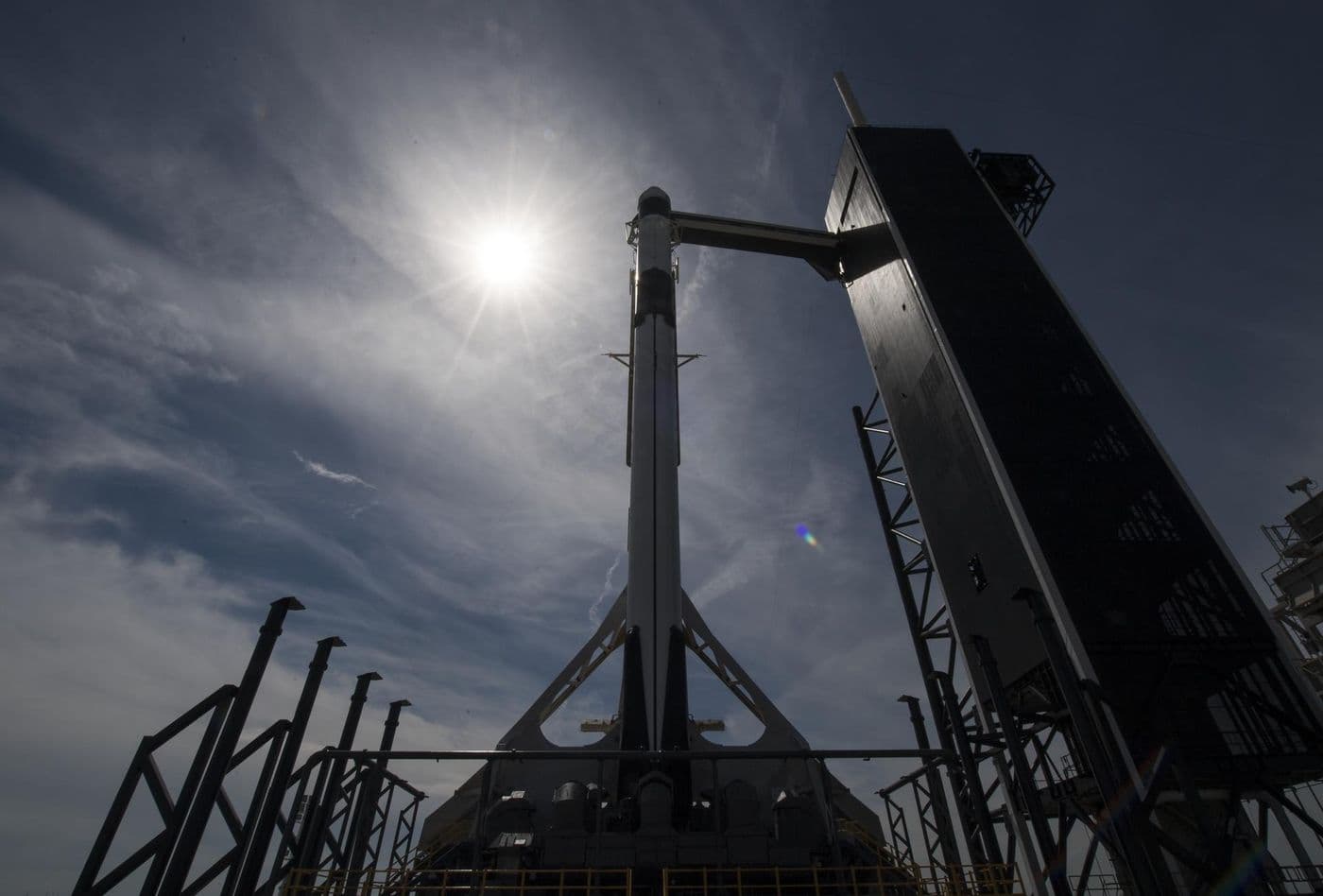
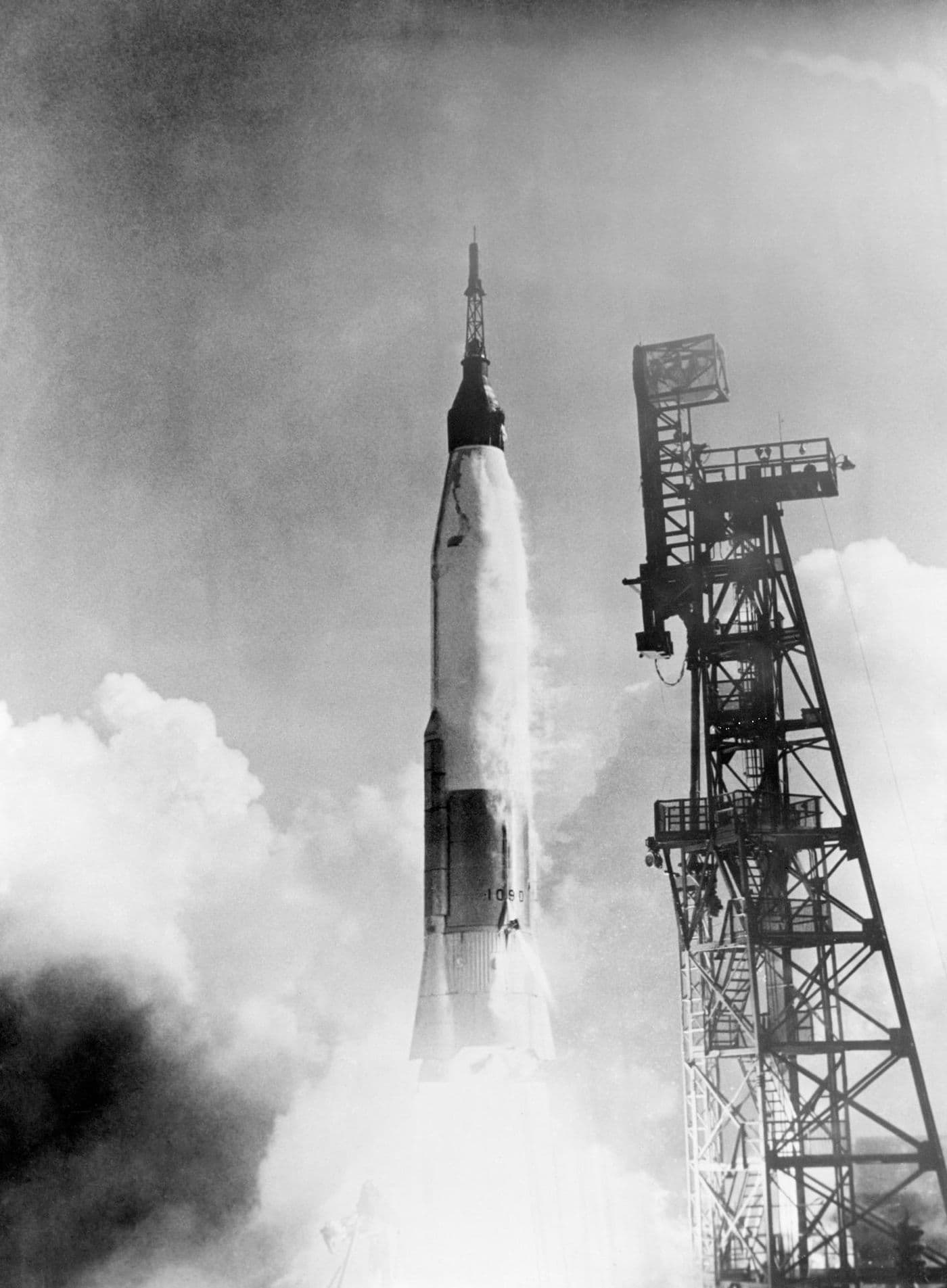
Gemini 8 launched on March 16, 1966, at 16:41:02 UTC from Launch Complex 19 atop a Titan II GLV. The crew was Command Pilot Neil Armstrong and Pilot David Scott — the first spaceflight for both.
Read the chapterA stuck thruster and an uncontrolled spin
Armstrong tried to stop the roll using the OAMS thrusters, but it immediately resumed. With OAMS fuel dropping toward 30%, the crew suspected the problem might lie with the Agena and decided to undock.
Read the chapter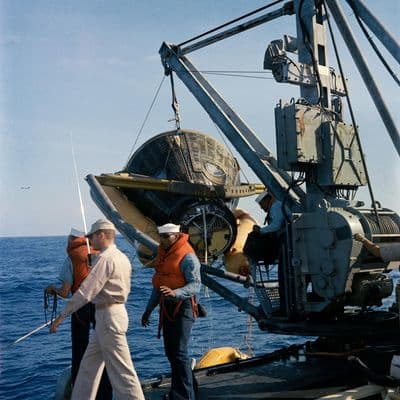
Emergency splashdown in the Pacific near Okinawa
Because of the rule requiring an immediate end to the mission after RCS use, the crew had to land more than a day earlier than planned — after just 10 hours, 41 minutes and 26 seconds of flight and six orbits of the Earth.
Read the chapterMission in numbers
- Crew
- 2
- Launch
- 16. 3. 1966, 16:41:02 UTC
- Duration
- 10 h 41 min 26 s
- Flight type
- orbitální, 6 obletů
- Launch vehicle
- Titan II GLV
- Peak spin rate
- 296 °/s
- Splashdown
- ~800 km od Okinawy
- Recovery ship
- USS Leonard F. Mason
Follow us
Follow us on social media
New plates, trivia and behind-the-scenes updates as soon as they are ready.
Facts
- Gemini 8 performed the first-ever docking of two spacecraft in orbit in the history of spaceflight.
- A stuck thruster caused the spacecraft to spin at 296 degrees per second — about 0.82 rotations per second.
- Armstrong stopped the spin using the RCS thrusters, which were originally intended only for atmospheric reentry.
- Under NASA rules, using the RCS outside of reentry automatically meant the mission had to end immediately.
- The mission lasted just under 11 hours instead of the planned three days, landing more than a day early.
- Handling the emergency helped Neil Armstrong earn the reputation that led to him commanding Apollo 11 three years later.
Related articles
Gallery
Article on the timeline
Check yourself
What should a crew do when a thruster won’t stop firing?
Answer in your own words — everything you need is in the article above.
Sources & further reading
- NASA: Gemini VIII Mission Report, 1966 — the primary source of mission data.
- Hacker, Grimwood: On the Shoulders of Titans: A History of Project Gemini, NASA, 1977.
- NASA Image and Video Library (images.nasa.gov) — mission photographs, public domain.
- Wikipedia: Gemini 8 — the starting structure of the article, CC-BY-SA 4.0.
- NSSDCA Master Catalog (NASA) — technical parameters of the mission (COSPAR ID 1966-020A).
Spaceflightpedia. (n.d.). Gemini 8. Retrieved 9 October 2026, from https://spaceflightpedia.com/article/gemini-8
article text — CC-BY-SA · ◉ NASA photography — public domain · ✦ AI illustration — marked, generated from sources