- Date
- 11–22 October 1968
- Mission
- Apollo 7
#NASA#Apollo
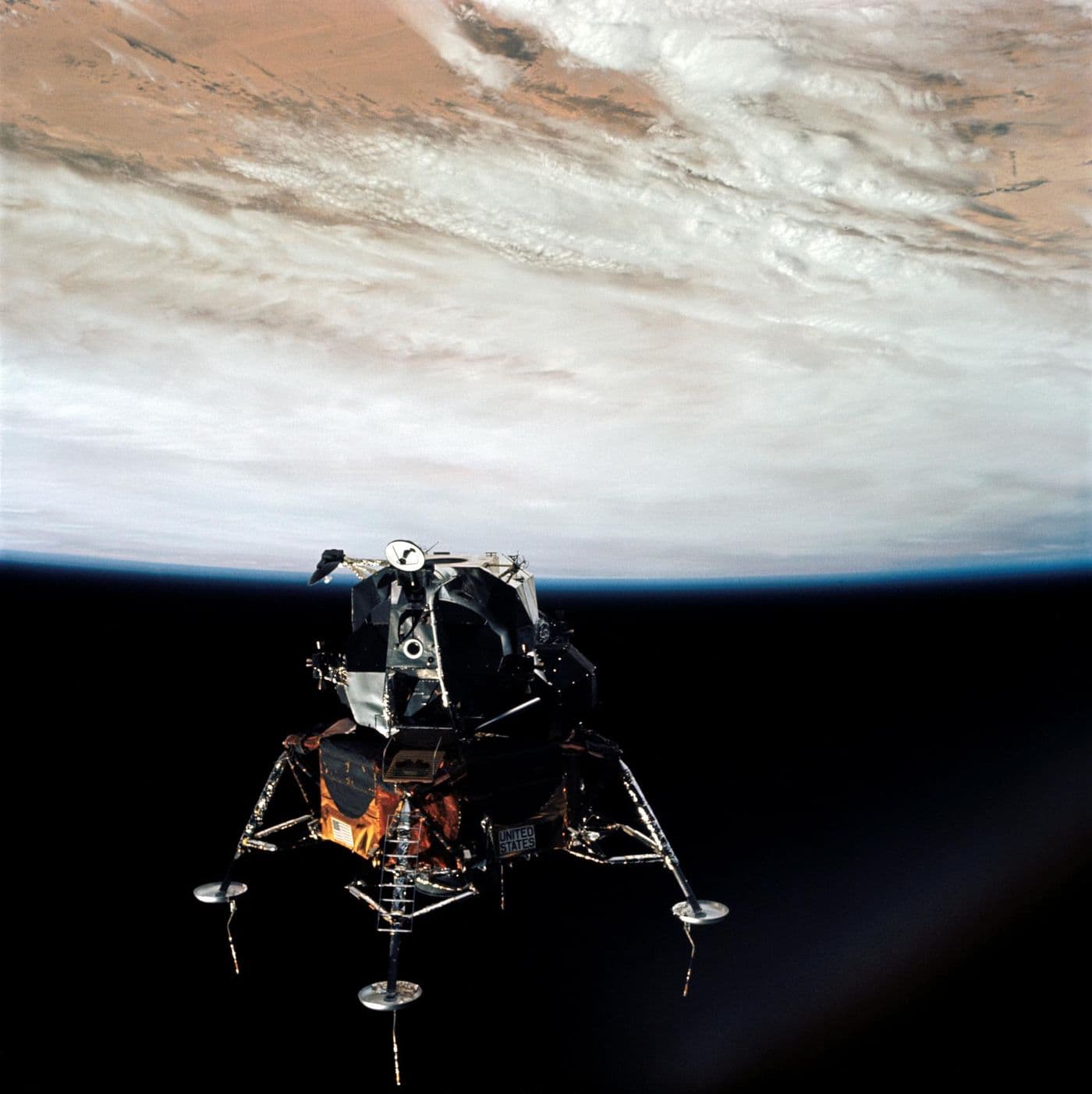
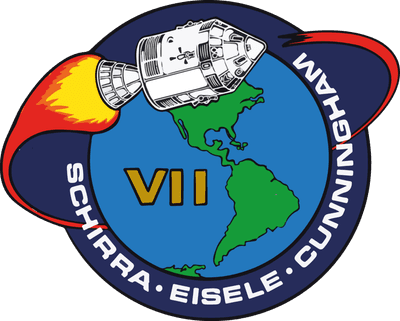
pollo 7 returned NASA to crewed spaceflight after the Apollo 1 fire that had killed three astronauts a year and a half earlier. The eleven-day Earth-orbit flight thoroughly tested the command module and opened the road to the Moon.
Apollo 7 Crew
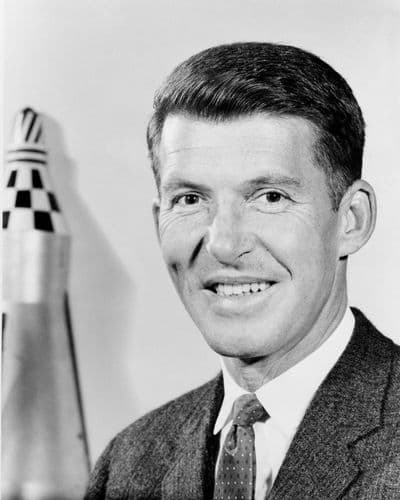 COMMANDERWally SchirraA veteran of Mercury-Atlas 8 (1962) and Gemini 6A (1965, the first rendezvous in space) — the only person to fly in the Mercury, Gemini and Apollo programs. At 45 he was, at launch, the oldest person to have flown in space. He announced before the flight that he would leave NASA and the Navy afterward.
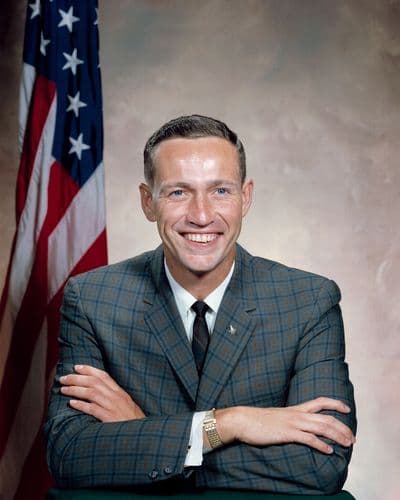 COMMAND MODULE PILOTDonn EiseleA Naval Academy graduate who served in the Air Force. He was originally slated to fly on Apollo 1, but a shoulder injury led to his replacement by Roger Chaffee shortly before the crew was announced — Chaffee died months later with the rest of the Apollo 1 crew in the pad fire.
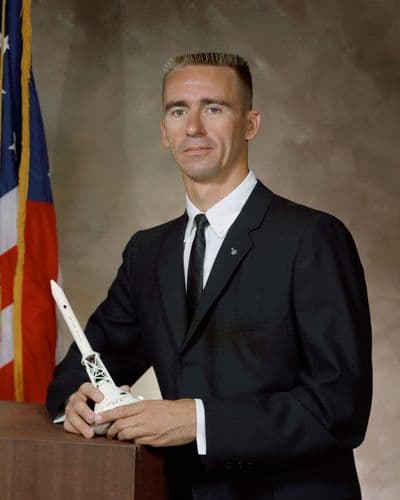 LUNAR MODULE PILOTWalter CunninghamA civilian physicist (UCLA) serving in the Marine Corps Reserve. He carried the title “lunar module pilot” only by the standard crew-position naming — Apollo 7 flew no lunar module. He operated the onboard TV camera during the first live broadcast from an American spacecraft.
Commander Wally Schirra, nursing a head cold and short-tempered, became known for on-orbit arguments with Mission Control over the schedule and broadcasts. Even so the mission met every goal — the service module engine fired flawlessly eight times, and the live “Wally, Walt and Donn Show” won an Emmy.
Mission timeline
Select a phase to read what happened. Every chapter has its own detailed page.
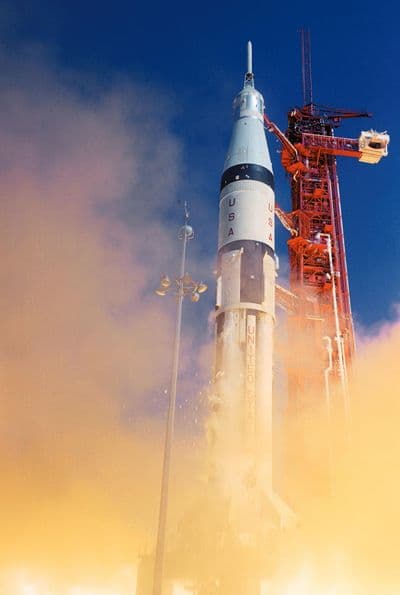
Launch after the Apollo 1 fire
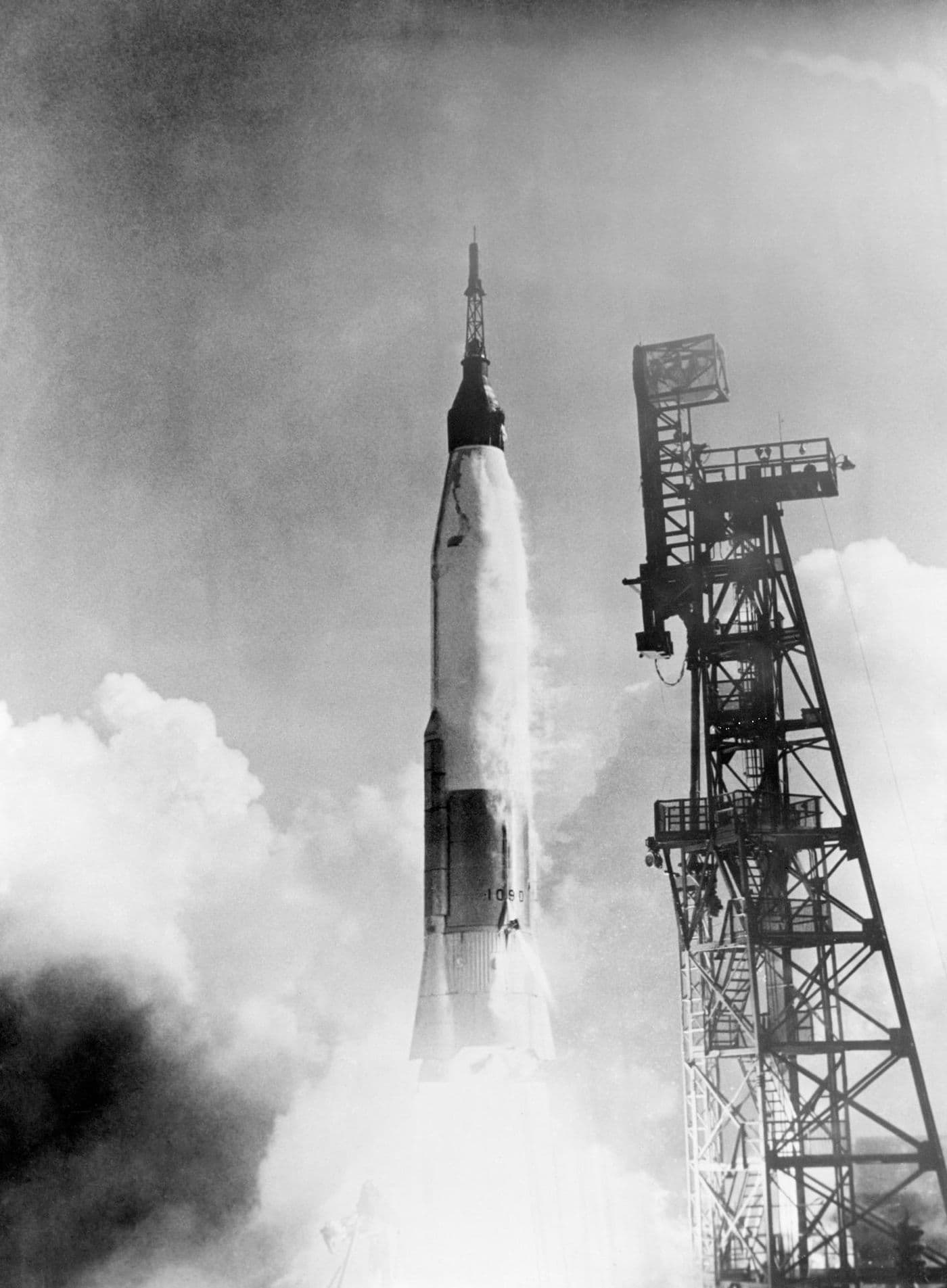
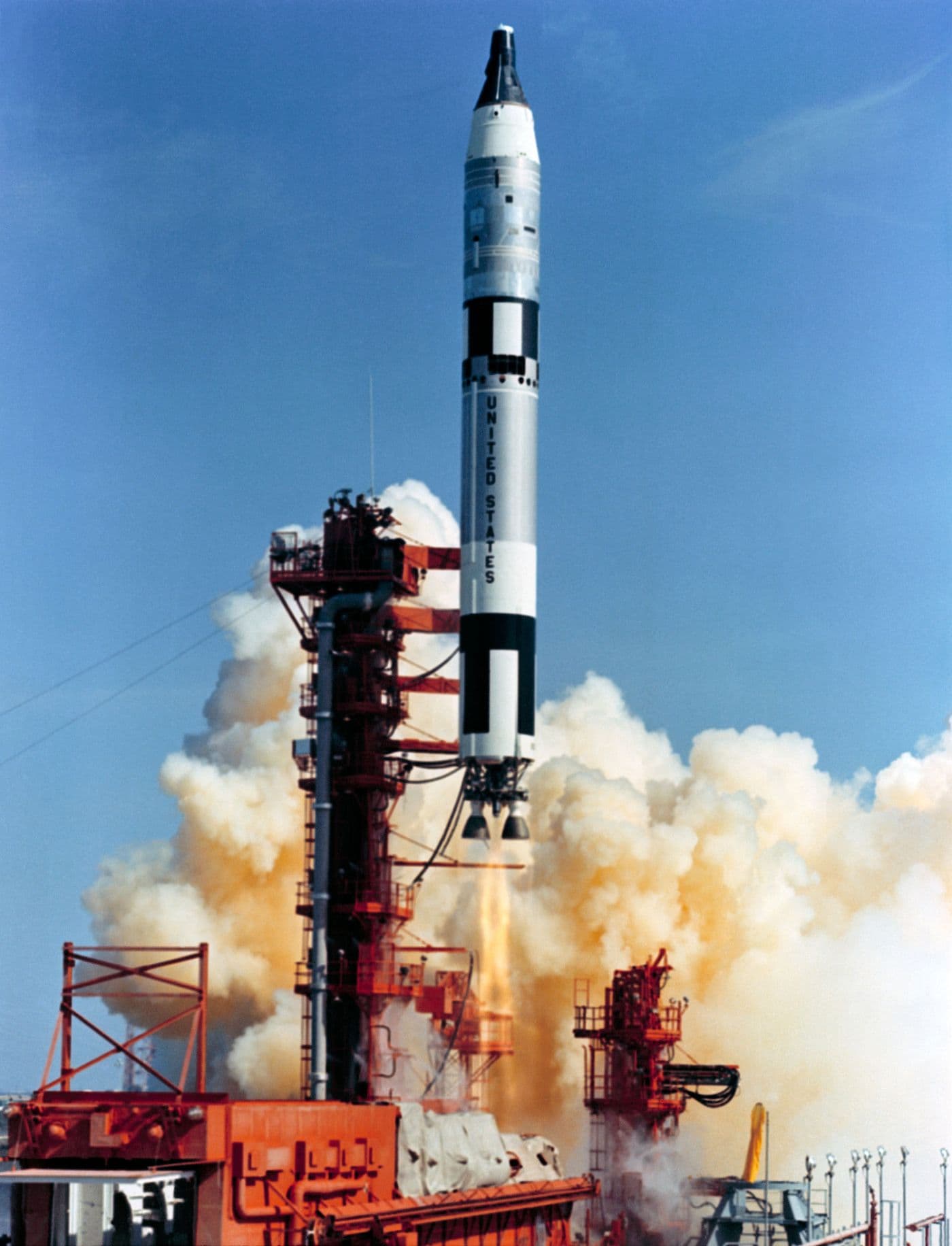
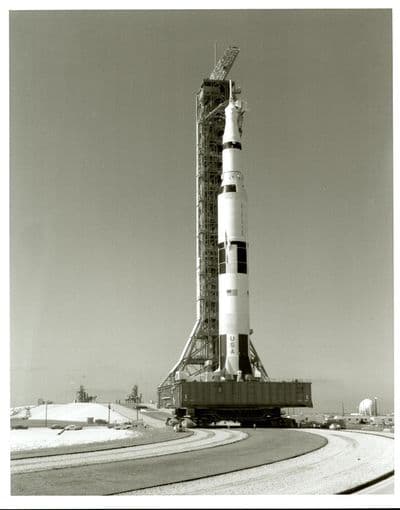
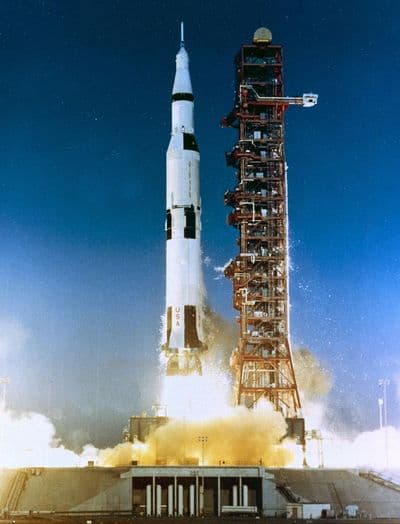
Apollo 7 lifted off on 11 October 1968 at 15:02:45 UTC from Pad 34 at Cape Kennedy — the first crewed Apollo flight after the Apollo 1 fire that killed Gus Grissom’s entire crew on 27 January 1967.
Read the chapter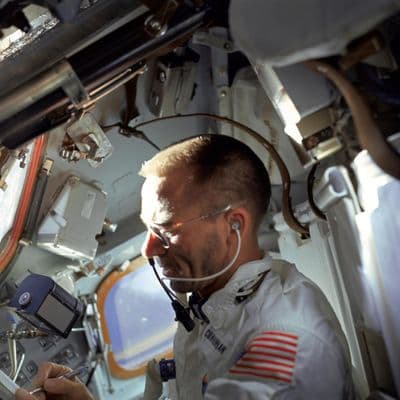
Eleven days of tests and the first TV broadcast from space
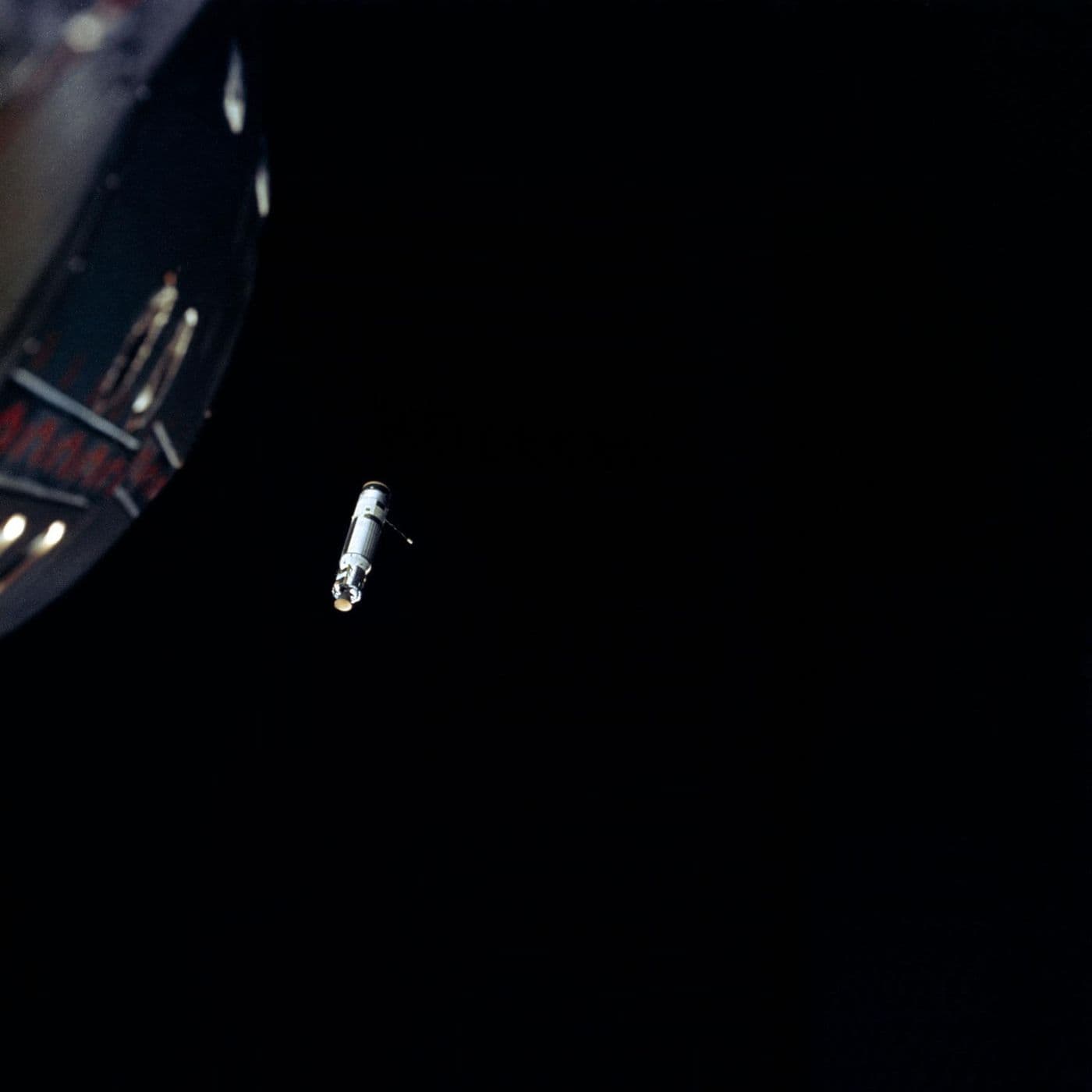
The open-ended, incrementally extended mission was meant to prove the redesigned CSM would hold up and function throughout a full lunar-length flight. The crew rehearsed a rendezvous with the jettisoned S-IVB stage, made the first live television broadcast from an American spacecraft, and fired the SPS main engine eight times.
Read the chapter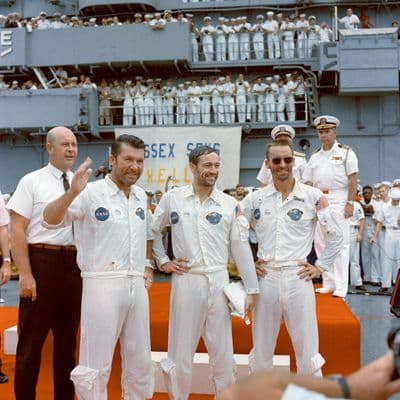
A helmetless reentry and the end of three careers
Because of his lingering cold, Schirra insisted the crew go through reentry without helmets — he wanted to be able to equalise ear pressure by pinching his nose, which the helmet would have prevented. As commander he pushed the decision through despite Mission Control’s objections.
Read the chapterMission in numbers
- Crew
- 3
- Launch
- 11. 10. 1968
- Splashdown
- 22. 10. 1968
- Duration
- 10 d 20 h 9 min
- Launch vehicle
- Saturn IB
- Orbit
- Země (LEO)
- SPS engine burns
- 8
- TV broadcasts
- 7
Follow us
Follow us on social media
New plates, trivia and behind-the-scenes updates as soon as they are ready.
Facts
- It was the first crewed Apollo flight after the Apollo 1 fire, which killed Gus Grissom’s entire crew on 27 January 1967.
- Apollo 7 broadcast the first live television transmission from an American spacecraft — NASA later received a special Emmy for the telecasts.
- Wally Schirra was the only person to fly in the Mercury, Gemini and Apollo programs, and at 45 was, at launch, the oldest person to have flown in space.
- Because of a cold, the crew went through reentry without helmets — a decision Commander Schirra pushed through despite Mission Control’s objections.
- Despite a technically flawless mission, none of the three astronauts ever flew in space again — friction with Houston affected their later careers.
- The mission was so successful that two months later NASA sent Apollo 8 straight into orbit around the Moon.
Related articles
Gallery
Sources & further reading
- NASA: Apollo 7 Mission Report, MSC-PA-R-68-15, 1968 — the primary source of mission data.
- Apollo Flight Journal (NASA) — communication transcripts and flight chronology.
- NASA Image and Video Library (images.nasa.gov) — mission photographs, public domain.
- Wikipedia: Apollo 7 — the starting structure of the article, CC-BY-SA 4.0.
- NSSDCA Master Catalog (NASA) — technical parameters of the spacecraft (COSPAR ID 1968-089A).
Spaceflightpedia. (n.d.). Apollo 7. Retrieved 9 October 2026, from https://spaceflightpedia.com/article/apollo-7
article text — CC-BY-SA · ◉ NASA photography — public domain · ✦ AI illustration — marked, generated from sources