- Body
- The Moon
#mesic#bodies
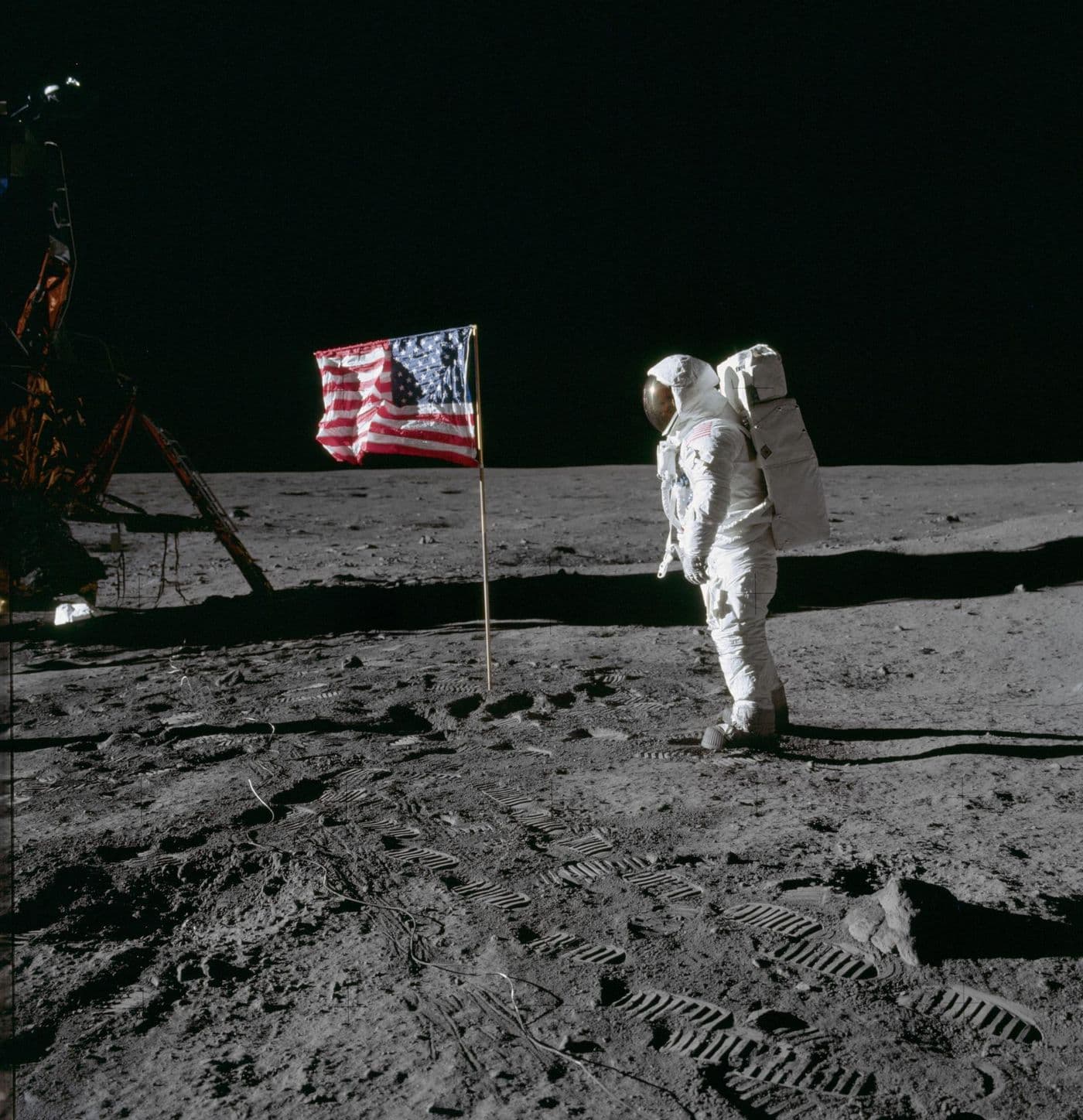
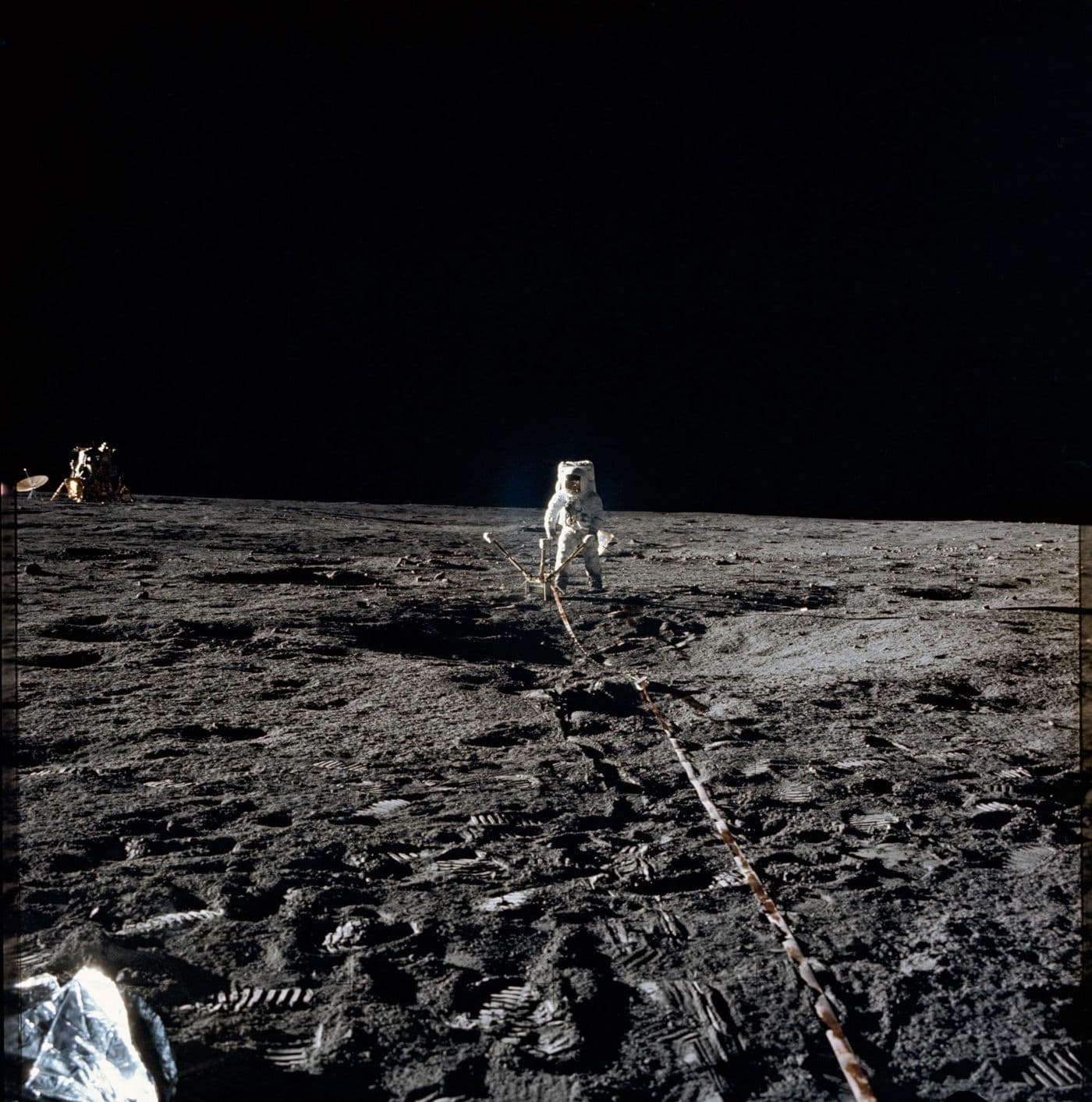
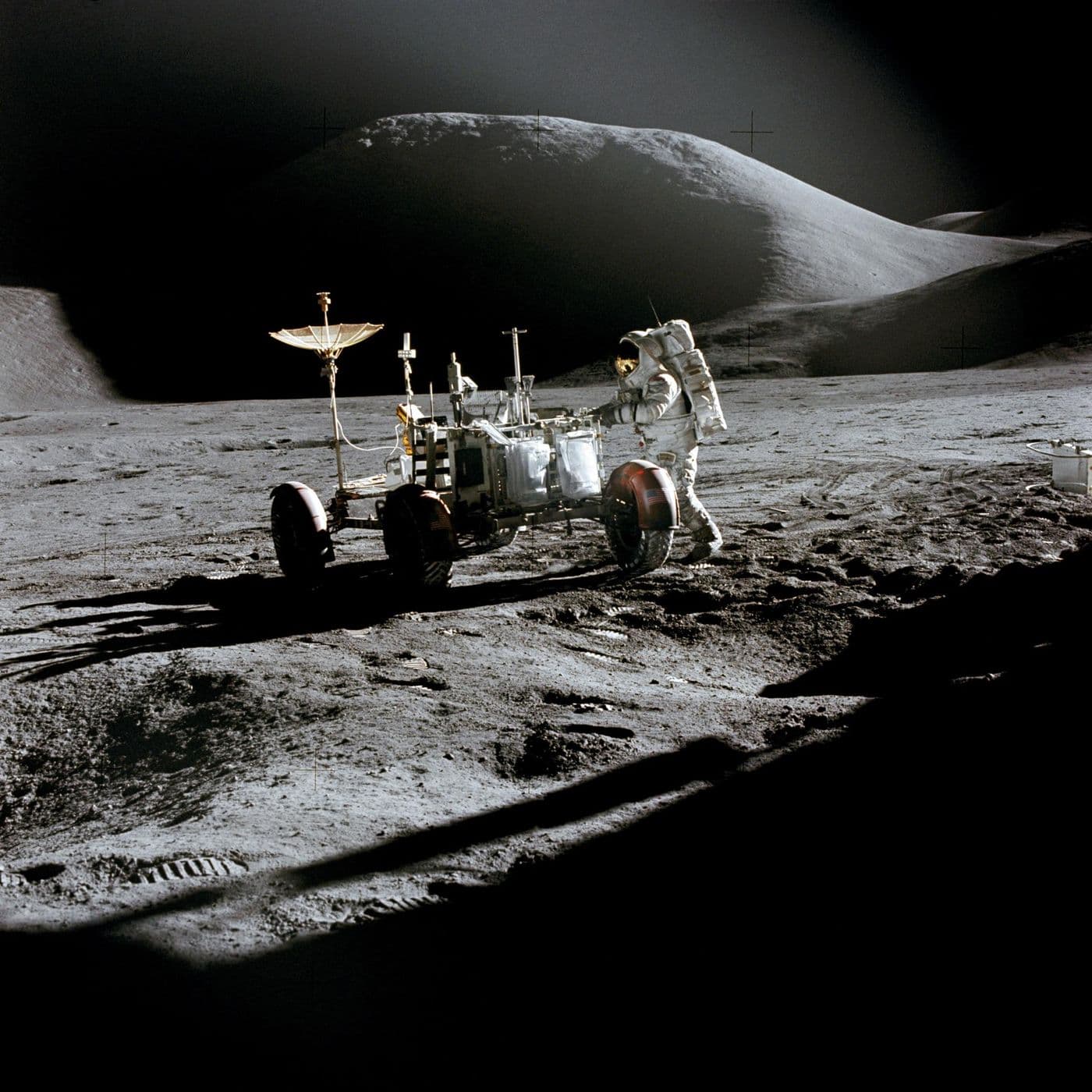
The Moon is the nearest natural laboratory for Solar System science and human spaceflight. Its surface preserves traces of ancient impacts and geological processes, while its proximity enabled Apollo to make the first human expeditions to another body.
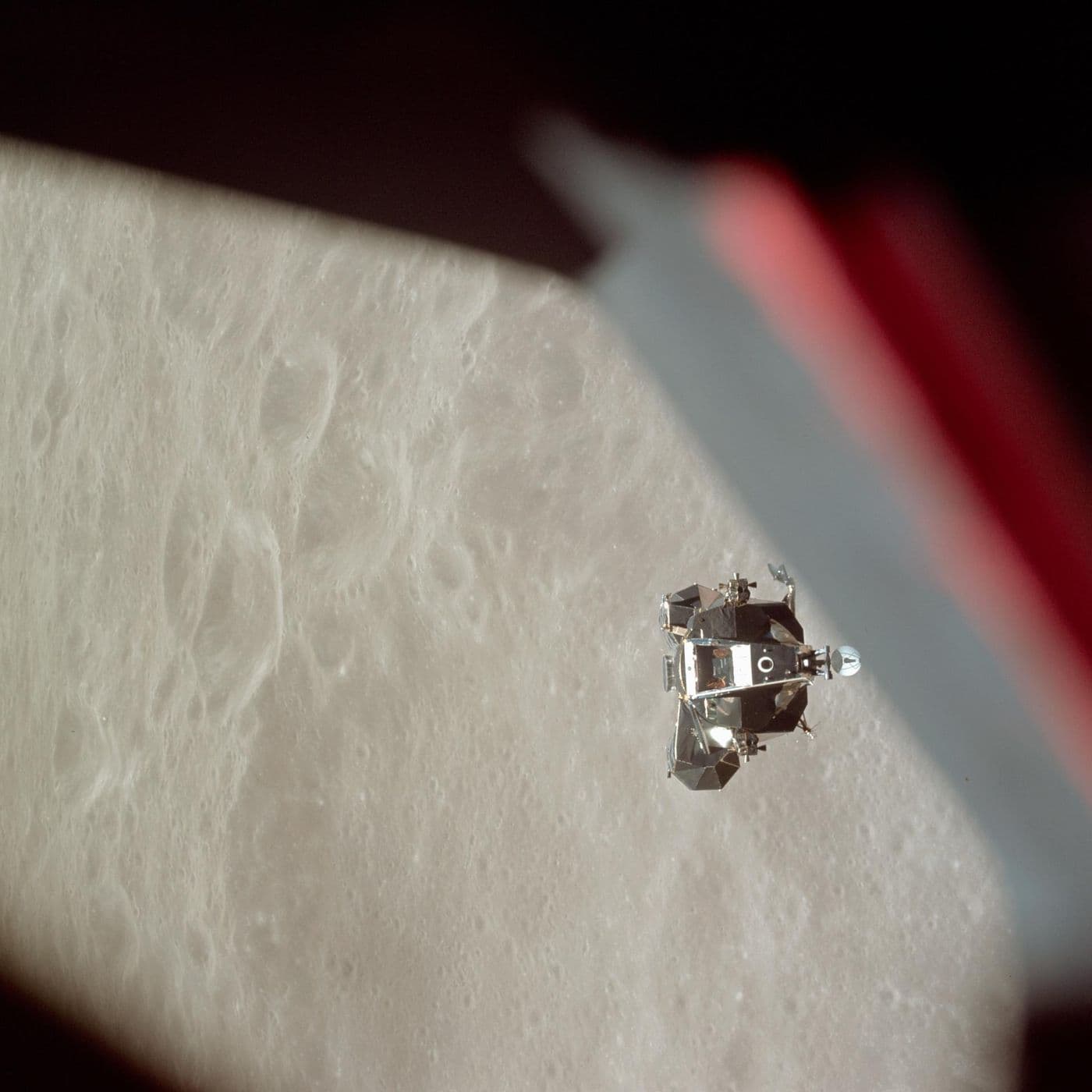
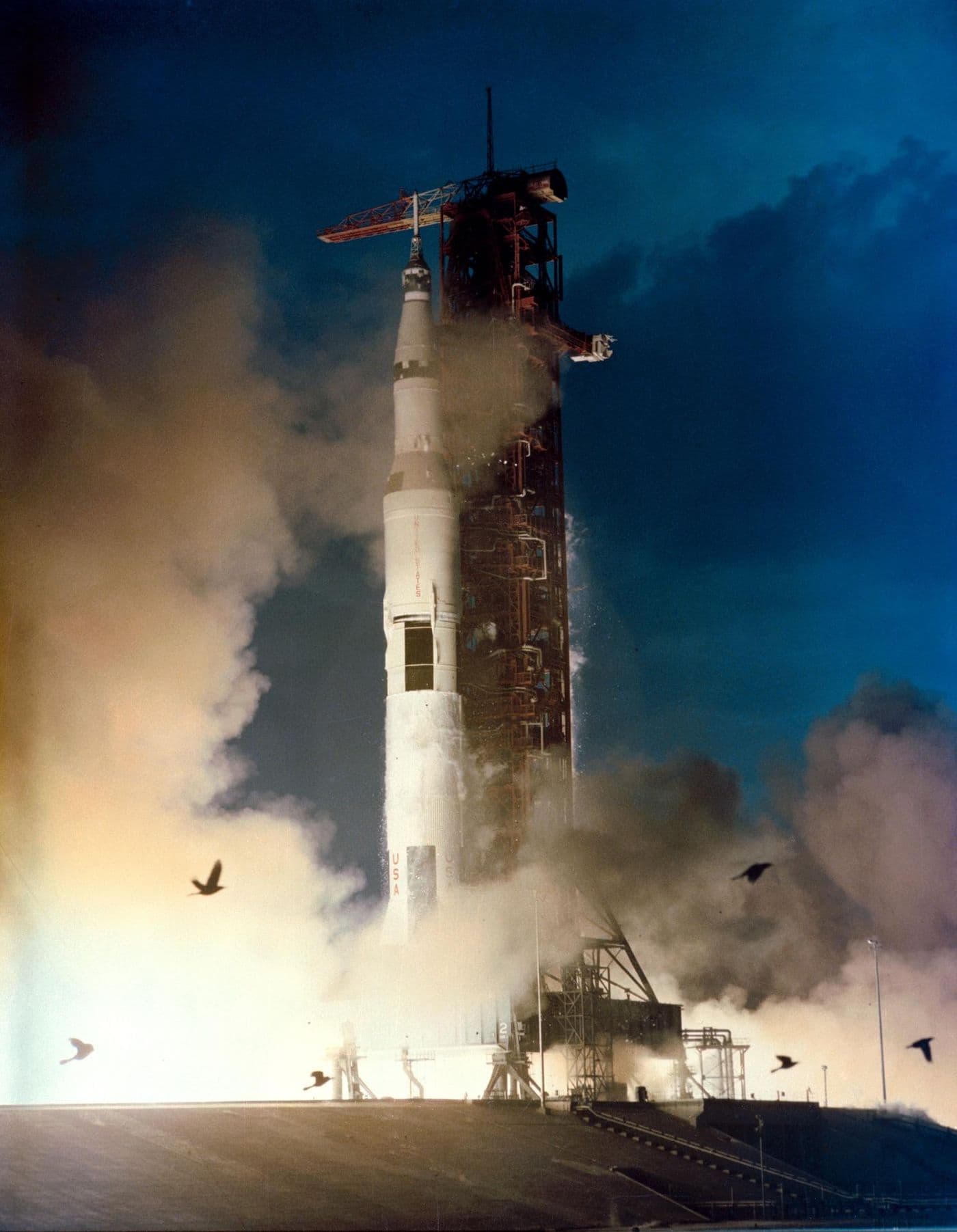
Lunar missions must combine precise navigation, orbital braking, landing, and safe return. The Moon therefore remains a shared point of reference for historic Apollo and new robotic and crewed programmes.
Key context
- Synchronous rotation means that we normally see the same side of the Moon from Earth.
- Apollo samples provided direct material for studying lunar geology.
- Lunar orbit is a transfer point for both landing and returning crews.
Follow us
Follow us on social media
New plates, trivia and behind-the-scenes updates as soon as they are ready.
Sources & further reading
Spaceflightpedia. (n.d.). The Moon. Retrieved 18 October 2026, from https://spaceflightpedia.com/article/moon
article text — CC-BY-SA · ◉ NASA photography — public domain · ✦ AI illustration — marked, generated from sources
How it works
- Why did astronauts stand during the Moon landing?
- Why did the lunar module look wrapped in foil?
- How did astronauts launch from the Moon without a launch pad?
- Why did the whole lunar module not return to Earth?
- How did the lunar module save Apollo 13?
- Why did the flag appear to wave on the Moon?