#Měsíc#NASA#Apollo
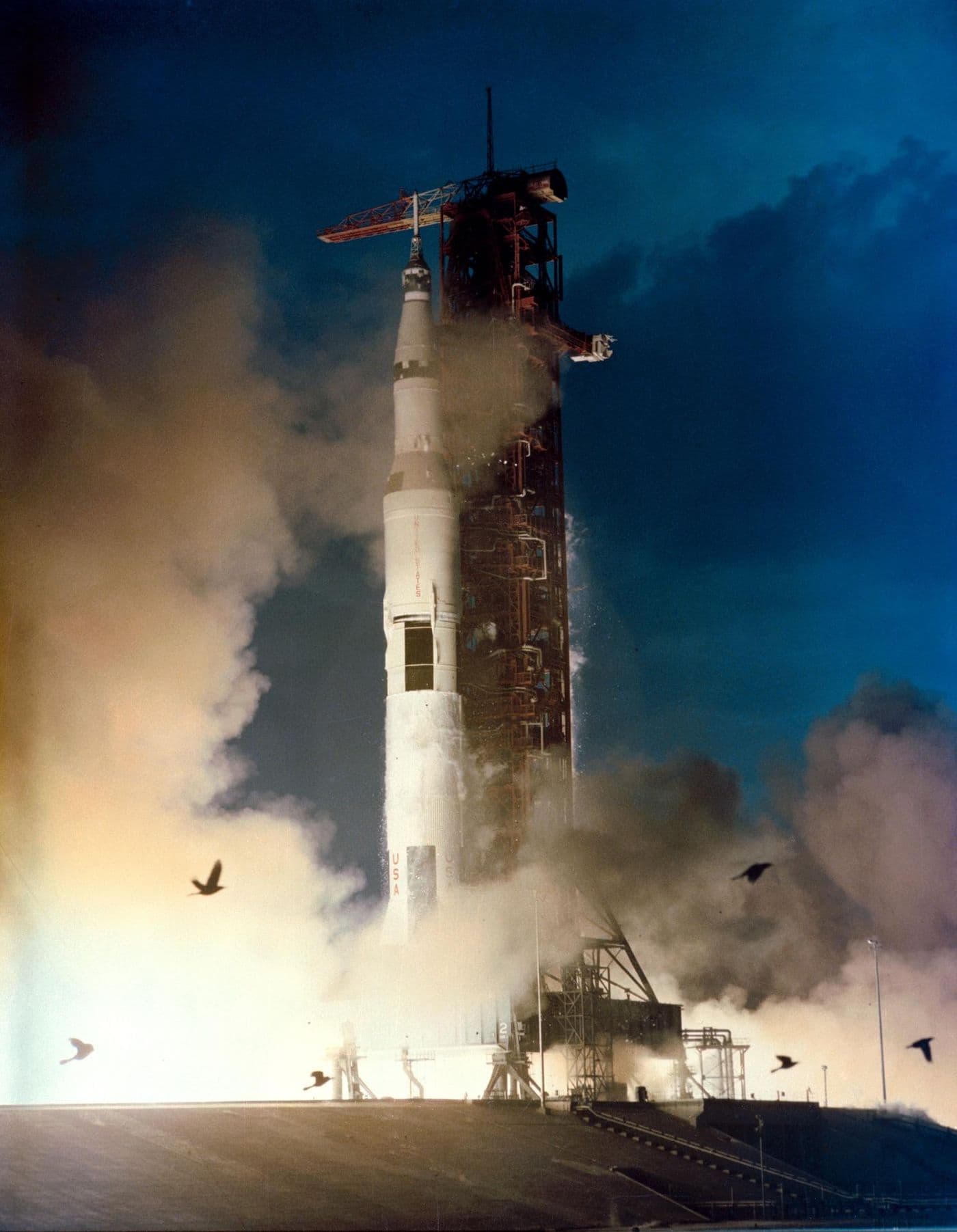
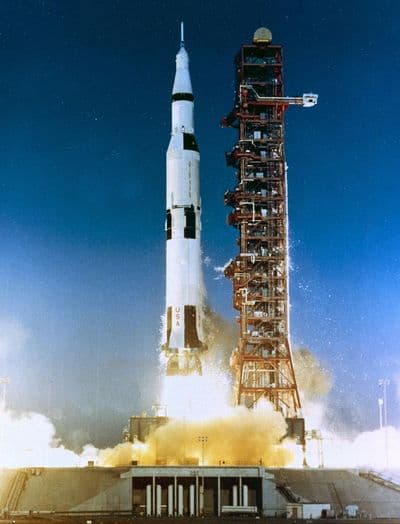
pollo 12 launched on 14 November 1969 into a storm — lightning struck the rocket twice, briefly knocking out onboard systems. A cool-headed call from Mission Control saved the flight, and Pete Conrad became the third man on the Moon.
Apollo 12 Crew
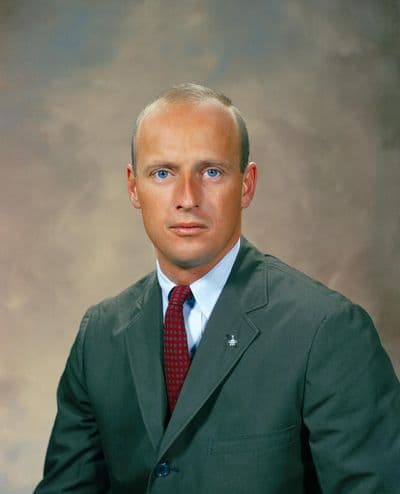 COMMANDERPete ConradA veteran of Gemini 5 and 11 and a seasoned naval aviator. The third man on the Moon; at 168 cm and full of humour, he became one of the program’s most beloved figures.
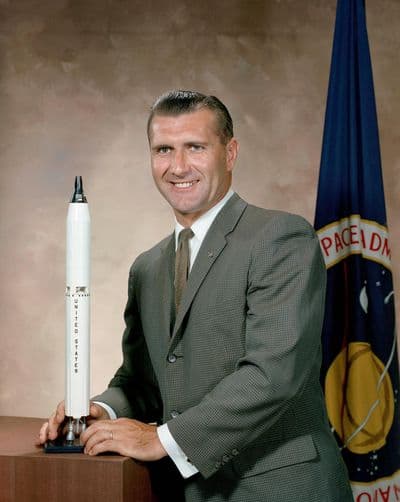 COMMAND MODULE PILOTRichard GordonRemained alone in lunar orbit aboard Yankee Clipper, circling the Moon about 45 times while his crewmates worked on the surface. A veteran of Gemini 11.
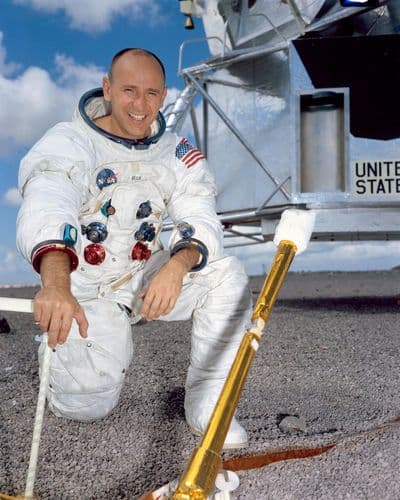 LUNAR MODULE PILOTAlan BeanThe fourth man on the Moon. After leaving NASA he became a painter devoted entirely to lunar landscapes and the Apollo expeditions.
The goal was pinpoint navigation: the module Intrepid touched down just 160 metres from Surveyor 3, which had stood on the Moon since 1967. The crew removed its camera and other parts so scientists could study how two and a half years of space exposure affected the materials.
Mission timeline
Select a phase to read what happened. Every chapter has its own detailed page.
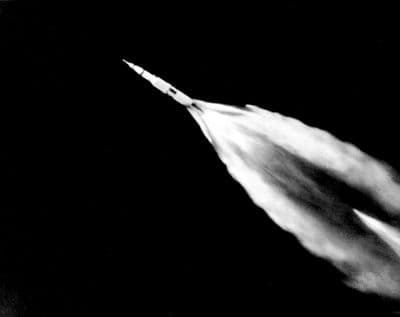
Launch into the storm
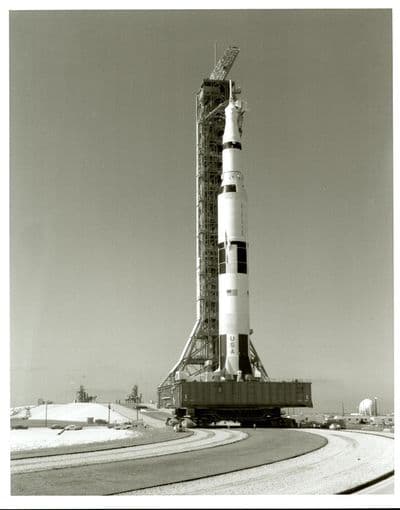
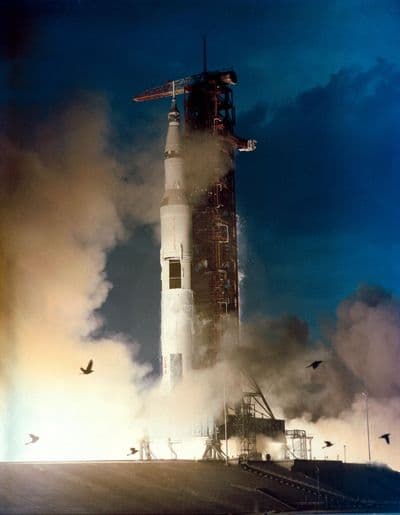
Apollo 12 lifted off on 14 November 1969 at 16:22 UTC from Pad 39A in rainy weather. Thirty-six seconds after launch — and again sixteen seconds later — lightning struck the rocket. The onboard electronics dropped out and the panel lit up with a cascade of warnings.
Read the chapter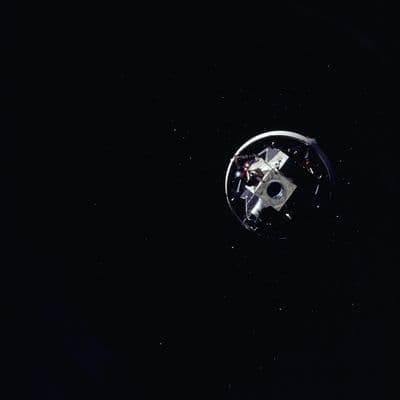
Coasting to the Moon
After reaching Earth orbit and confirming the lightning had done no lasting harm, the third stage fired and sent Apollo 12 toward the Moon. Three days of coasting through the void followed.
Read the chapter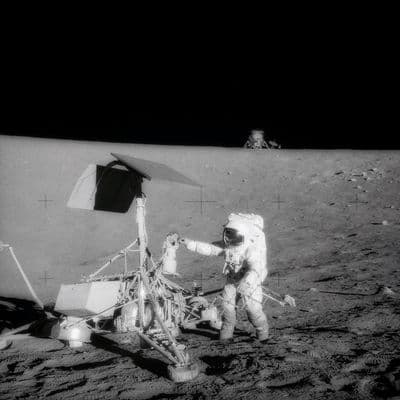
A pinpoint landing in the Ocean of Storms
Conrad and Bean descended in Intrepid toward the surface of the Ocean of Storms. When Conrad took manual control, he saw exactly what he had hoped for — the crater with Surveyor 3 right in front of him.
Read the chapter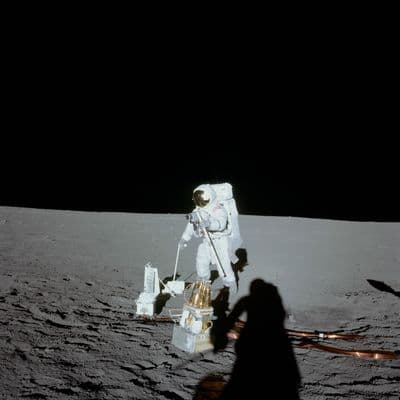
Two moonwalks
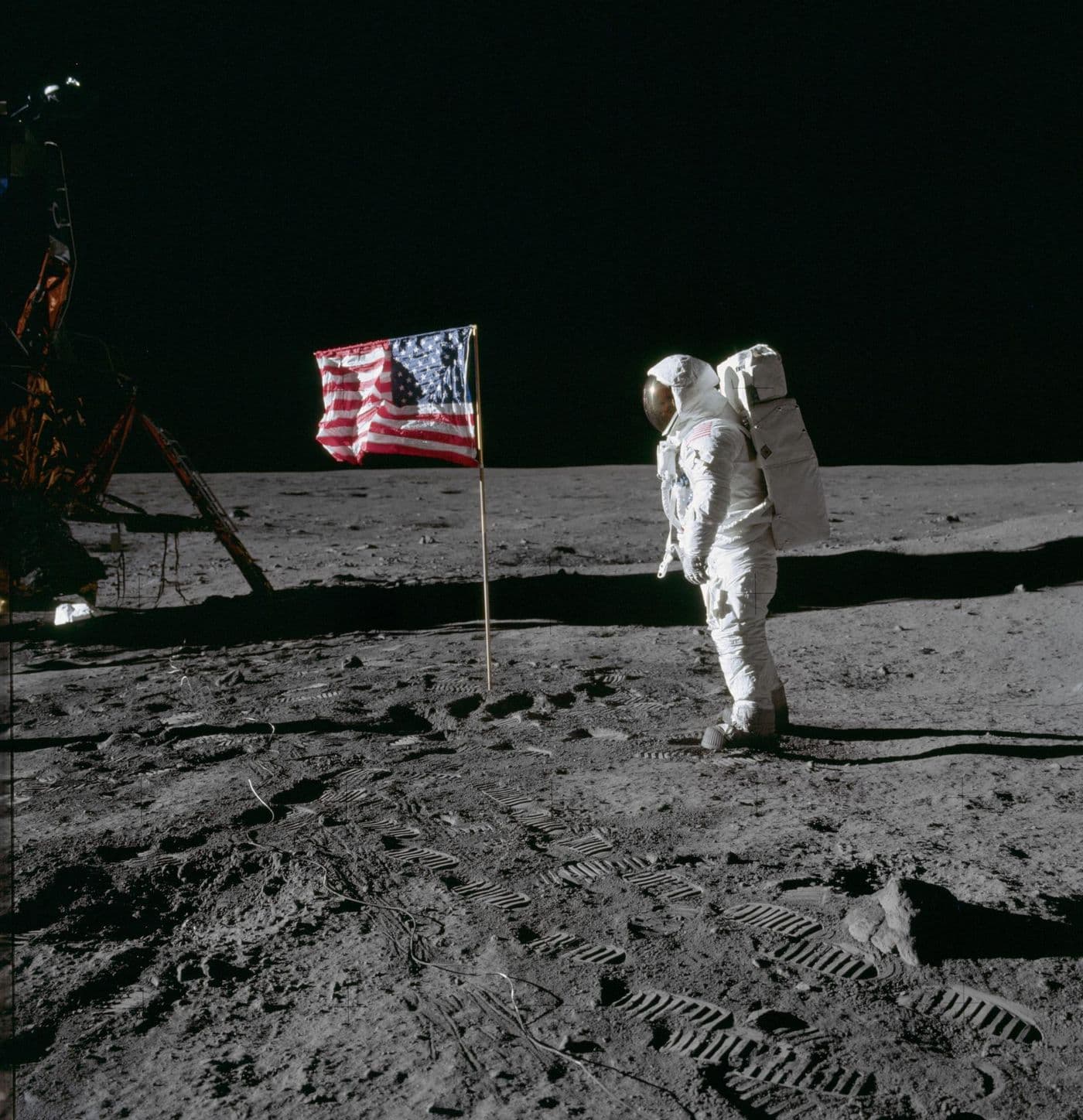
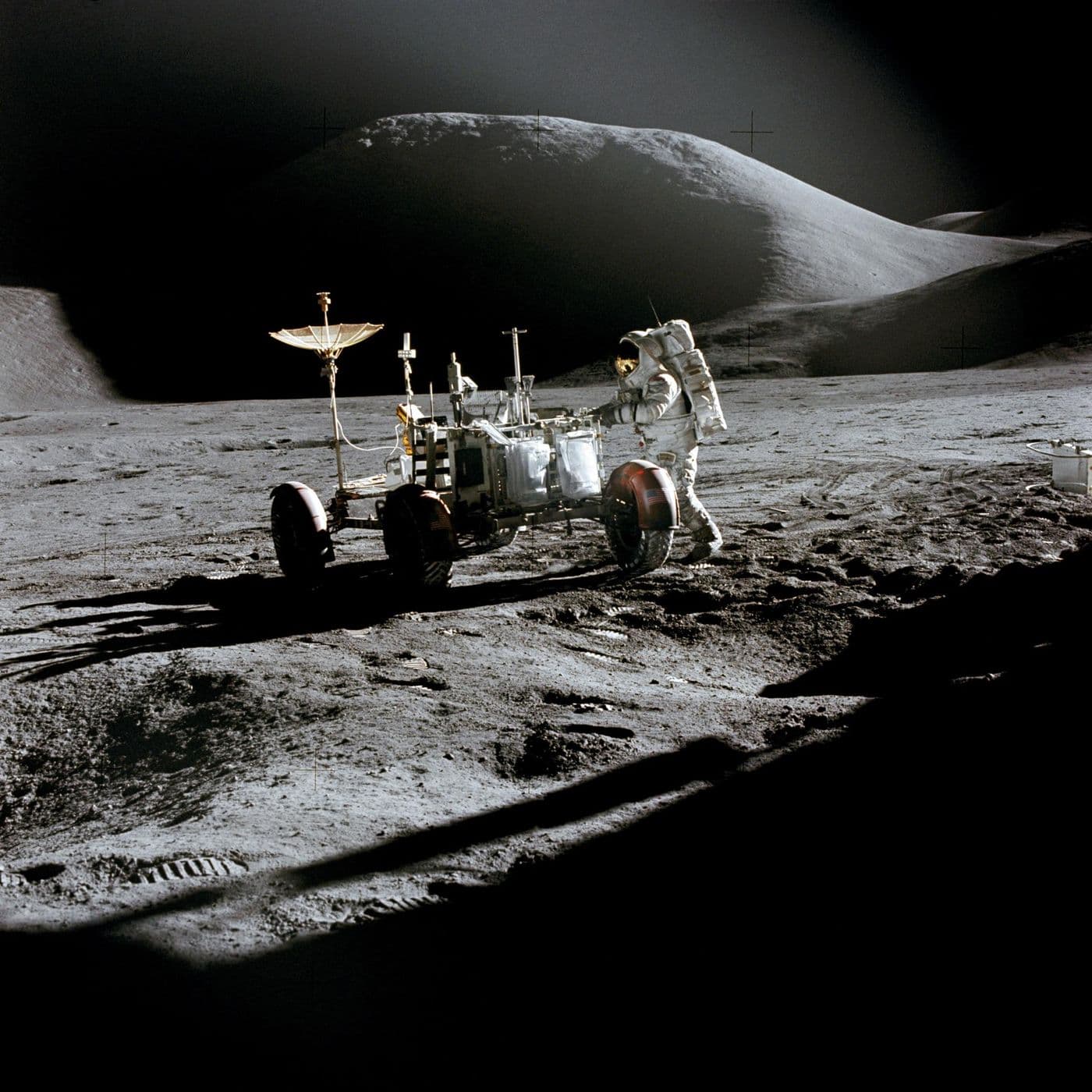
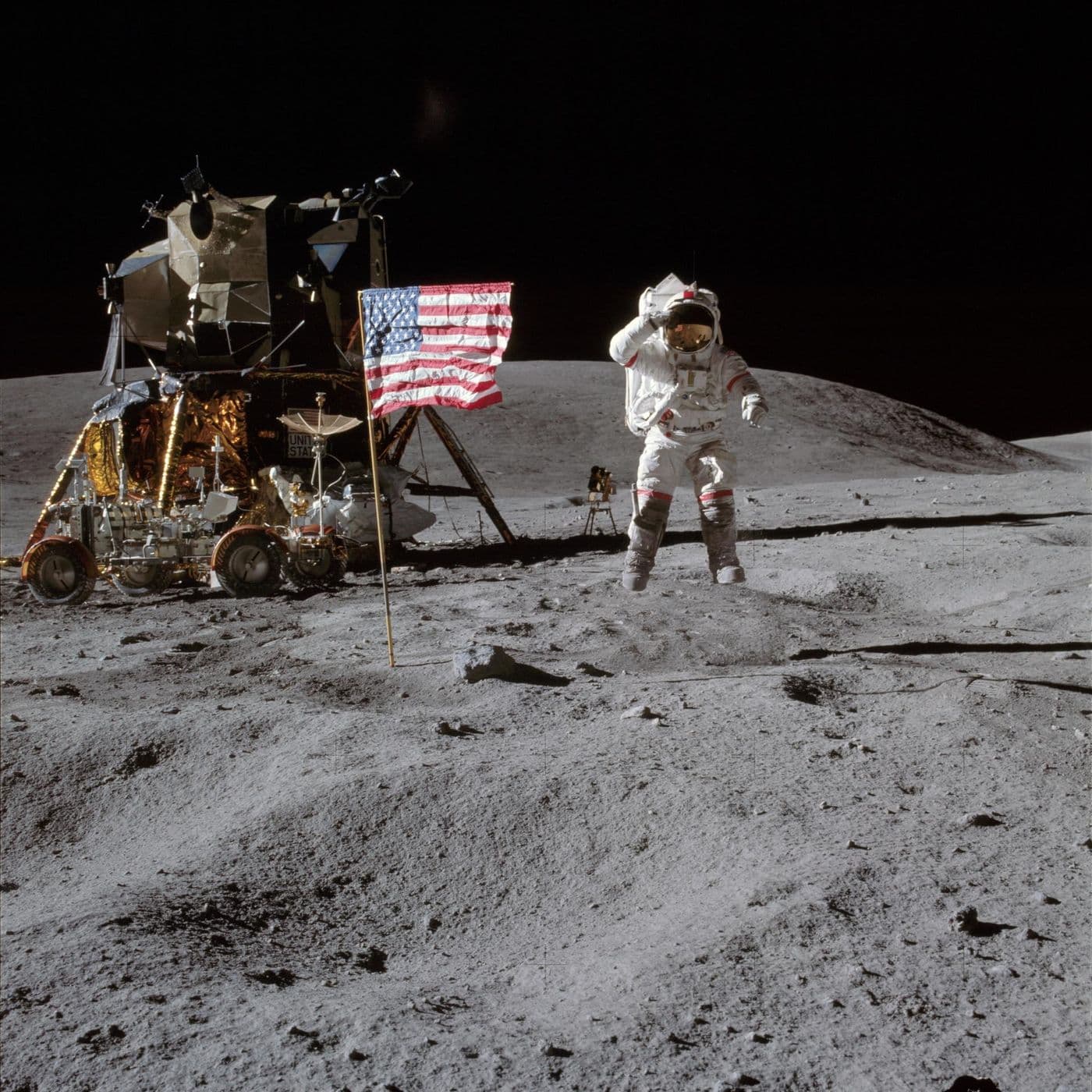
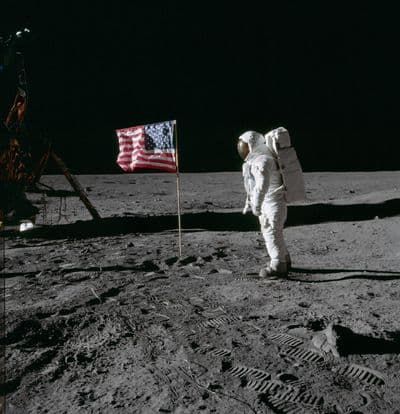
Over two moonwalks, Conrad and Bean spent more than seven hours on the surface. They raised the flag, deployed the ALSEP science station and walked over to Surveyor 3, from which they removed parts for scientists on Earth.
Read the chapter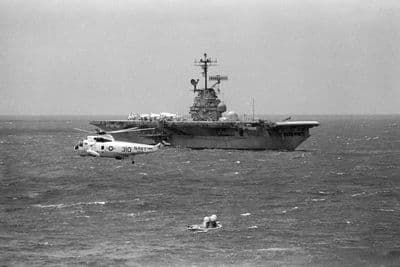
Liftoff and the journey home
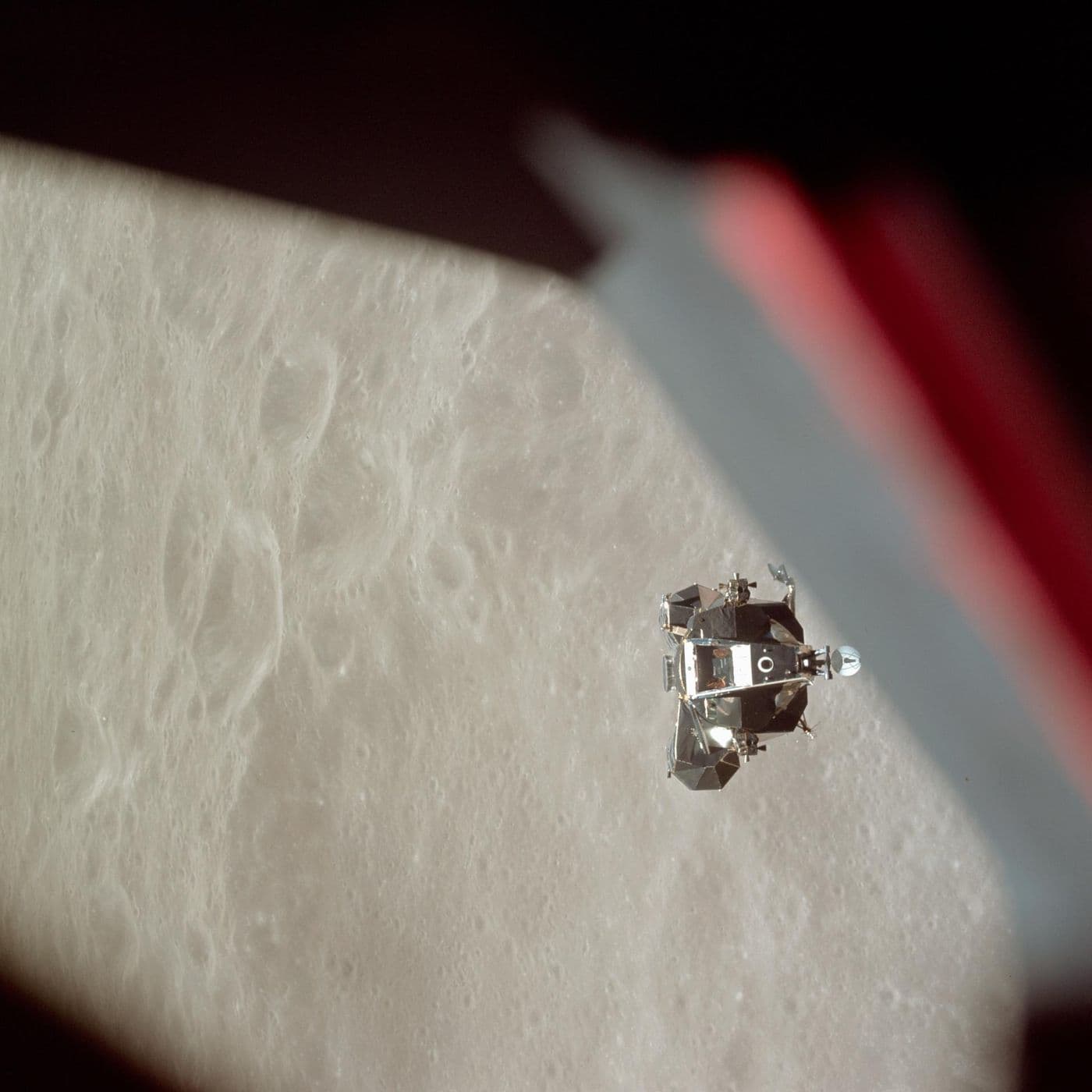
Intrepid’s ascent stage carried Conrad and Bean back into orbit, where they rejoined Gordon. The empty module was then deliberately crashed into the Moon so the ALSEP seismometer could record an artificial quake.
Read the chapterMission in numbers
- Crew
- 3
- Launch
- 14. 11. 1969
- Moon landing
- 19. 11. 1969
- Landing site
- Oceanus Procellarum
- Surface time
- 31 h 31 min
- Distance to Surveyor 3
- ~160 m
- Samples returned
- 34,3 kg
- Duration
- 10 d 4 h 36 min
Lunar module intrepid
- Height
- 7,0 m
- Mass
- 15 235 kg
- Crew
- 2
- Surface time
- 31 h 31 min
- Manufacturer
- Grumman
- Call sign
- Intrepid
Facts
- Lightning struck the rocket twice just after launch — a single call from Mission Control, “SCE to AUX”, saved the mission.
- Intrepid landed just about 160 m from the Surveyor 3 probe — the most precise landing of the entire Apollo program.
- The crew brought parts of Surveyor 3 (its camera) back to Earth — scientists studied them after two and a half years on the Moon.
- Alan Bean accidentally pointed the colour TV camera at the Sun and destroyed it for good — the broadcast from the surface ended.
- Pete Conrad, the shortest of the astronauts, joked as he stepped down: “Whoopie! ... a small one for Neil, but that’s a long one for me.” — winning a bet in the process.
- After departure Intrepid’s ascent stage was deliberately crashed into the Moon — its impact set the Moon ringing for over an hour.
Follow us
Follow us on social media
New plates, trivia and behind-the-scenes updates as soon as they are ready.
Gallery
Related articles
Eyewitness account
“Whoopie! Man, that may have been a small one for Neil, but that’s a long one for me.”
Gallery
Sources & further reading
- NASA: Apollo 12 Mission Report, MSC-01855, 1970 — the primary source of mission data.
- Apollo 12 Lunar Surface Journal (NASA) — communication transcripts, EVA chronology and photo index.
- NASA Image and Video Library (images.nasa.gov) — mission photographs, public domain.
- Wikipedia: Apollo 12 — the starting structure of the article, CC-BY-SA 4.0.
- NSSDCA Master Catalog (NASA) — technical parameters of the spacecraft and the Surveyor 3 probe.
Spaceflightpedia. (n.d.). Apollo 12. Retrieved 9 October 2026, from https://spaceflightpedia.com/article/apollo-12
article text — CC-BY-SA · ◉ NASA photography — public domain · ✦ AI illustration — marked, generated from sources