#Měsíc#NASA#Apollo
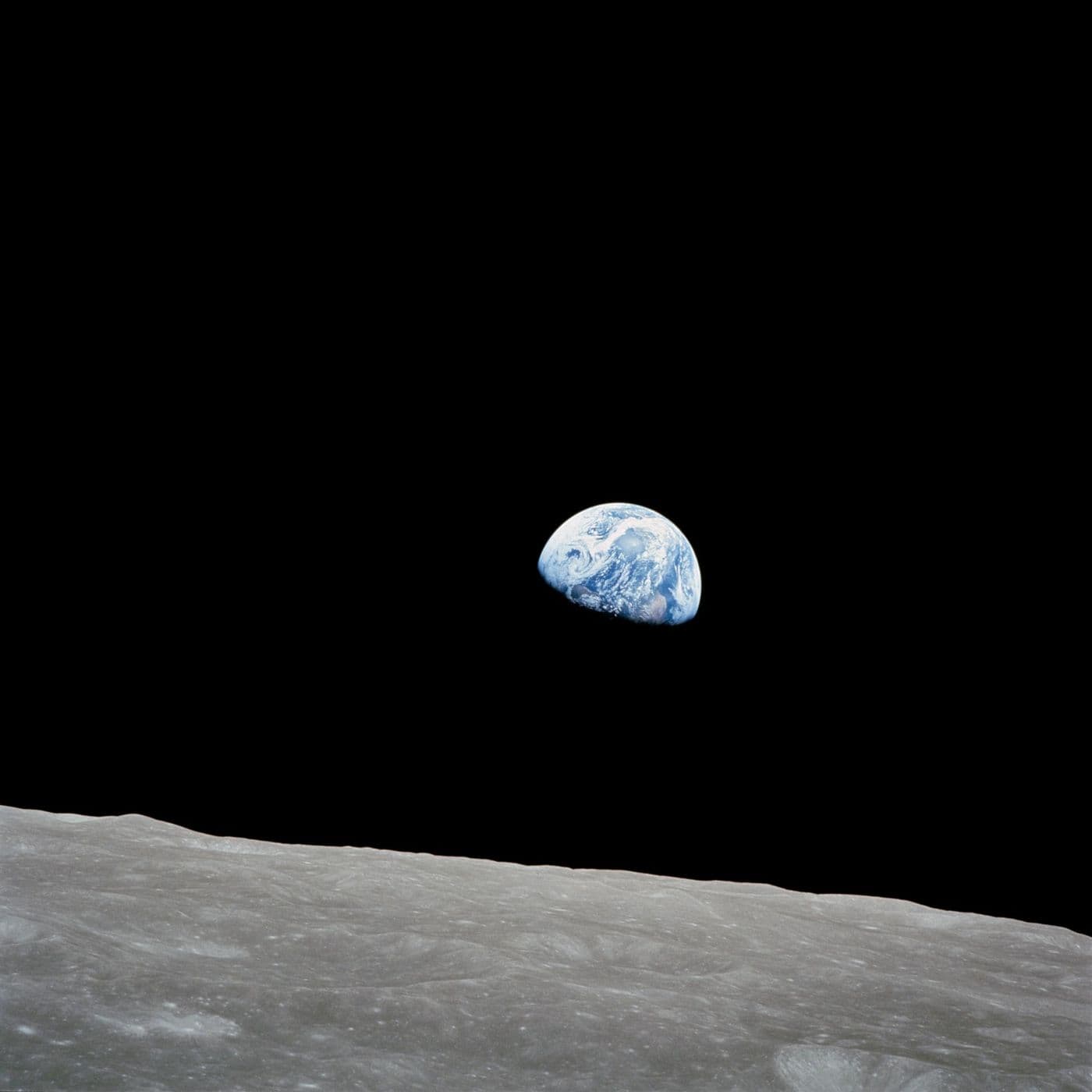
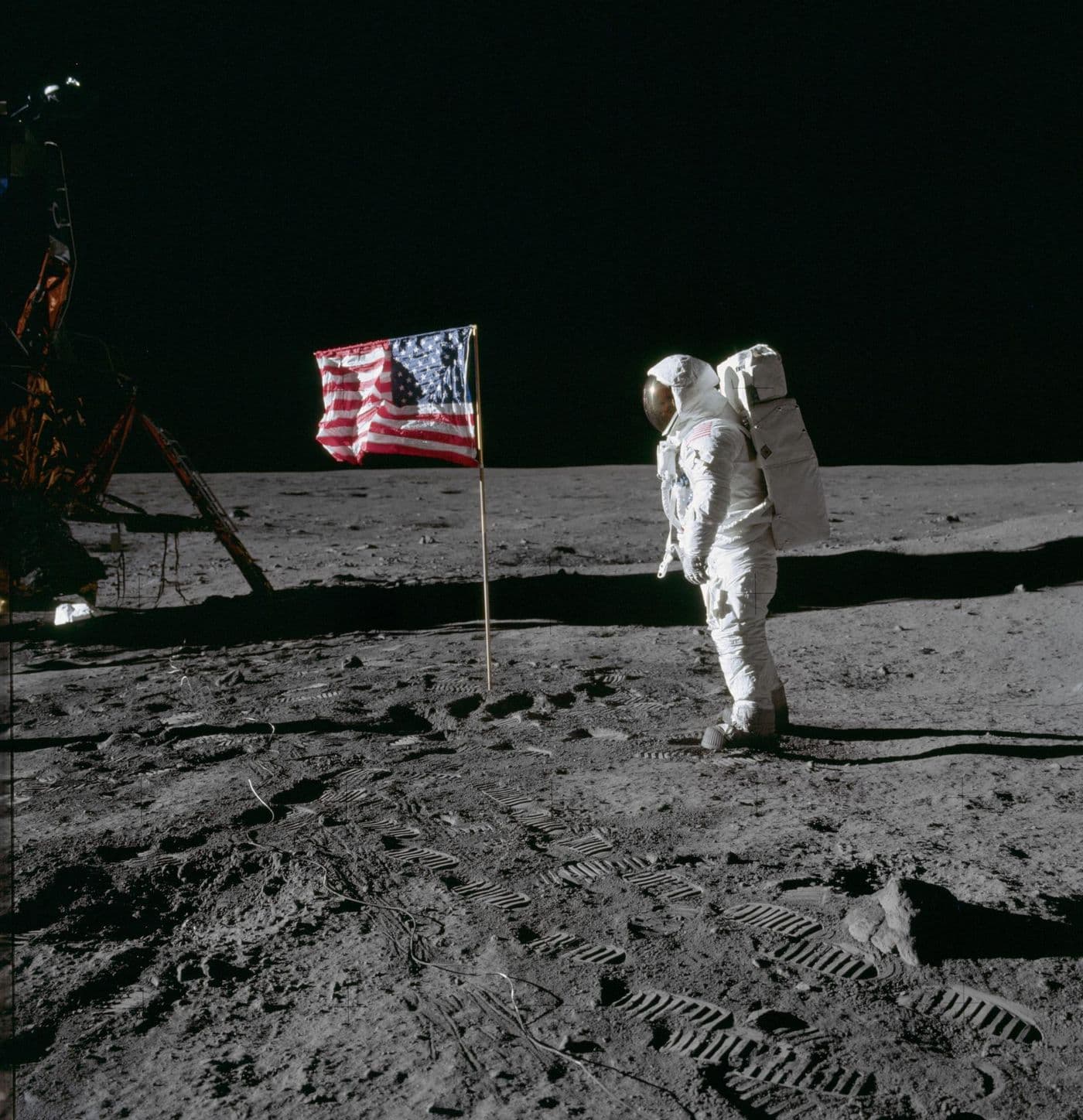
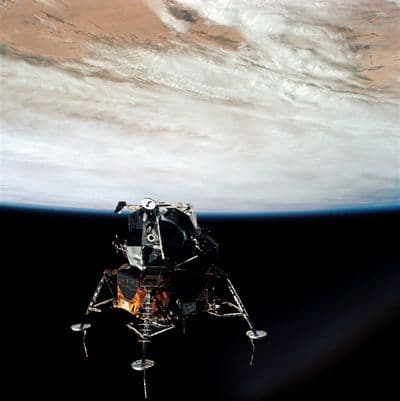
pollo 10 tested the entire lunar landing sequence except the final fifteen kilometres. The lunar module “Snoopy” separated, descended low over the surface and safely returned to the command module “Charlie Brown”.
Apollo 10 Crew
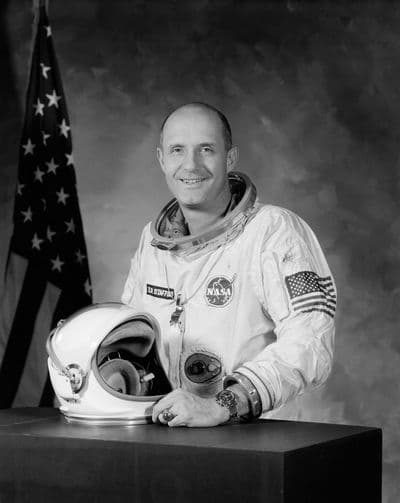 COMMANDERTom StaffordA veteran of Gemini 6A (1965, the first rendezvous in space) and Gemini 9A (1966). After Apollo 10 he became Chief Astronaut and in 1975 commanded the American side of the Apollo–Soyuz mission.
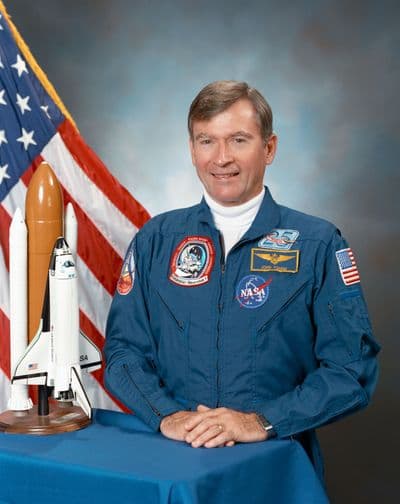 COMMAND MODULE PILOTJohn YoungA veteran of Gemini 3 (1965) and Gemini 10 (1966). On Apollo 10 he became the first person in history left alone in orbit around another world. He later commanded the Apollo 16 landing (1972) and two Space Shuttle flights.
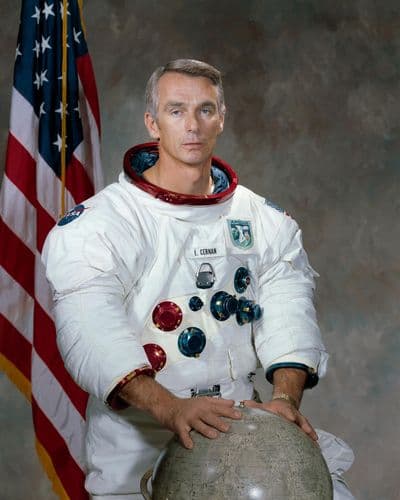 LUNAR MODULE PILOTEugene CernanA veteran of Gemini 9A (1966). On Apollo 10, aboard the Snoopy module, he came closer to the lunar surface than anyone before an actual landing mission. In 1972, as commander of Apollo 17, he became — so far — the last person to have stood on the Moon.
When the descent stage was jettisoned, a mis-set switch made the module tumble before Cernan regained control. On the way back from the Moon the craft reached 39,897 km/h — the fastest humans have ever travelled, a record that still stands.
Mission timeline
Select a phase to read what happened. Every chapter has its own detailed page.
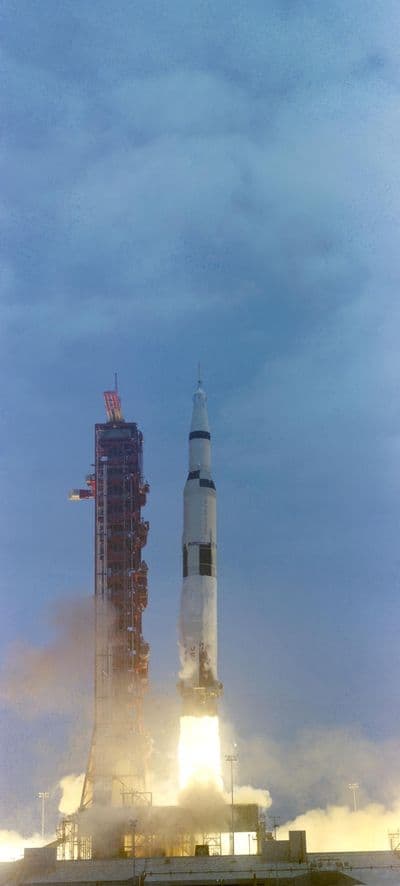
Charlie Brown and Snoopy head for the dress rehearsal
Apollo 10 was tasked with rehearsing the entire Moon-landing procedure — except the landing itself. NASA officially called the mission a “dress rehearsal” for Apollo 11, which was to follow two months later.
Read the chapter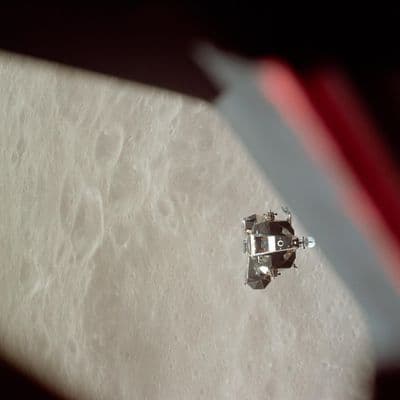
Down to 14.4 km — and a tumble out of control
After entering lunar orbit, Stafford and Cernan undocked Snoopy from Charlie Brown — making John Young the first person left alone in orbit around another world. Snoopy then descended to within 14.4 kilometres of the surface of the Sea of Tranquility, where Apollo 11 was to land two months later.
Read the chapter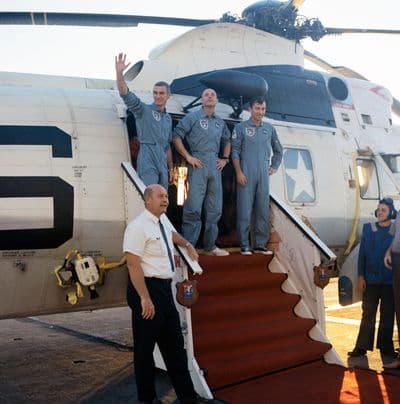
A speed record no one has broken since
A shortened, 42-hour trajectory back to Earth gave Apollo 10 an unintended record: on 26 May 1969 the ship reached 39,897 km/h relative to Earth’s surface — the highest speed any human has ever travelled, a record that still stands.
Read the chapterMission in numbers
- Crew
- 3
- Launch
- 18. 5. 1969
- Splashdown
- 26. 5. 1969
- Duration
- ~8 dní
- Launch vehicle
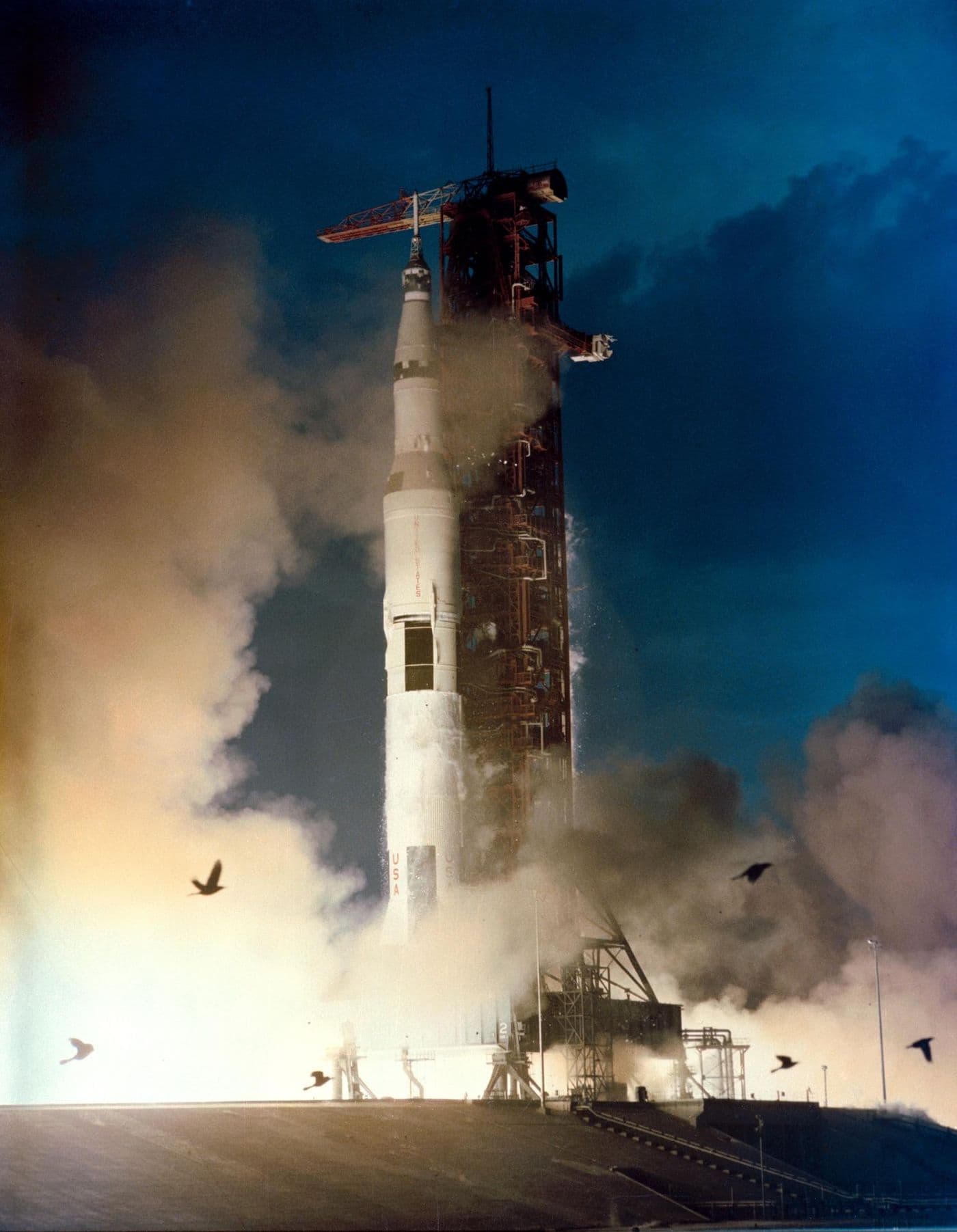
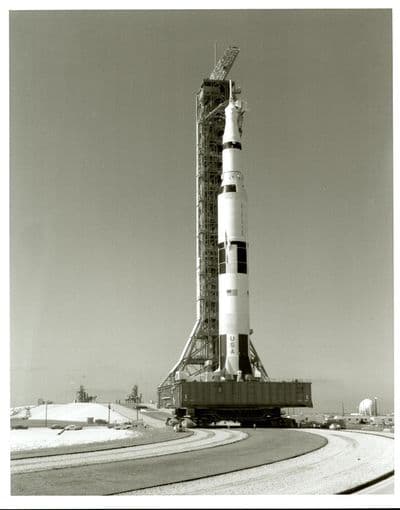
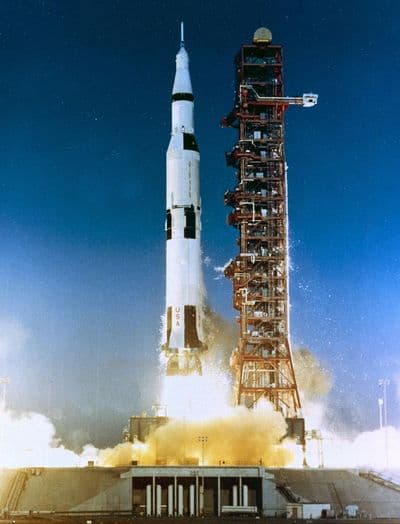
- Saturn V (AS-505)
- Call signs
- Charlie Brown / Snoopy
- Closest approach
- 14,4 km
- Speed record
- 39 897 km/h
Follow us
Follow us on social media
New plates, trivia and behind-the-scenes updates as soon as they are ready.
Facts
- Apollo 10 still holds the record for the highest speed a human has ever travelled — 39,897 km/h during the return to Earth.
- The Snoopy lunar module was deliberately under-fuelled so the crew could not physically land on the Moon.
- During Snoopy’s uncontrolled tumble, Cernan swore into a live, broadcast microphone, prompting complaints back on Earth.
- The call signs “Charlie Brown” and “Snoopy” came from the Peanuts comic strip; cartoonist Charles Schulz drew accompanying artwork for NASA.
- The crew became the first to shave during a spaceflight — a razor had previously been considered a safety hazard.
- Since they never touched the lunar surface, the crew did not need to quarantine after splashdown like later landing missions.
Related articles
Gallery
Check yourself
Why fly all the way to the Moon and not land?
Answer in your own words — everything you need is in the article above.
Sources & further reading
- NASA: Apollo 10 Mission Report, MSC-00126, 1969 — the primary source of mission data.
- Apollo Flight Journal (NASA) — communication transcripts and flight chronology.
- NASA Image and Video Library (images.nasa.gov) — mission photographs, public domain.
- Wikipedia: Apollo 10 — the starting structure of the article, CC-BY-SA 4.0.
- NSSDCA Master Catalog (NASA) — technical parameters of the spacecraft (COSPAR ID 1969-043A).
Spaceflightpedia. (n.d.). Apollo 10. Retrieved 9 October 2026, from https://spaceflightpedia.com/article/apollo-10
article text — CC-BY-SA · ◉ NASA photography — public domain · ✦ AI illustration — marked, generated from sources