#Měsíc#NASA#Apollo
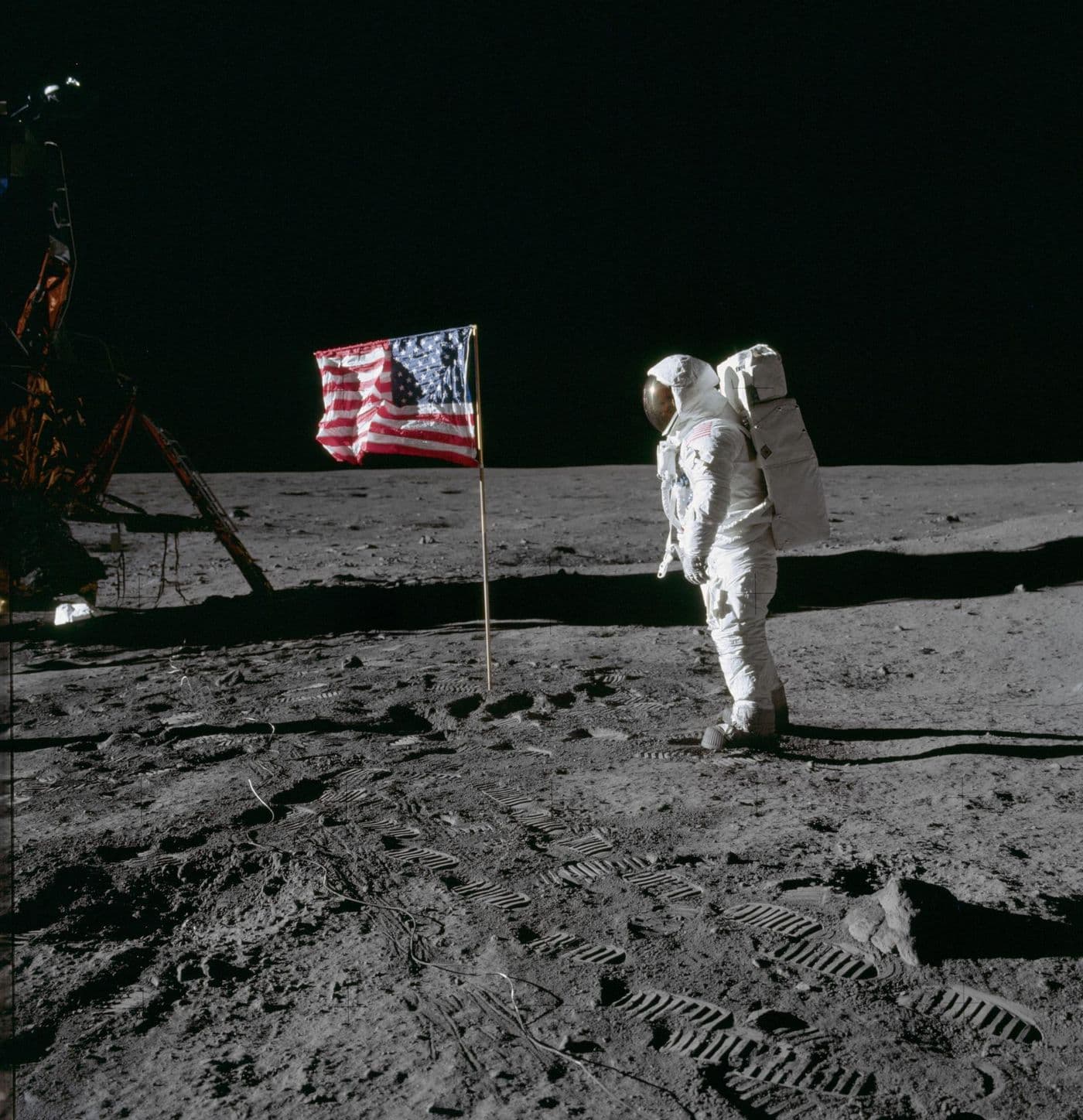
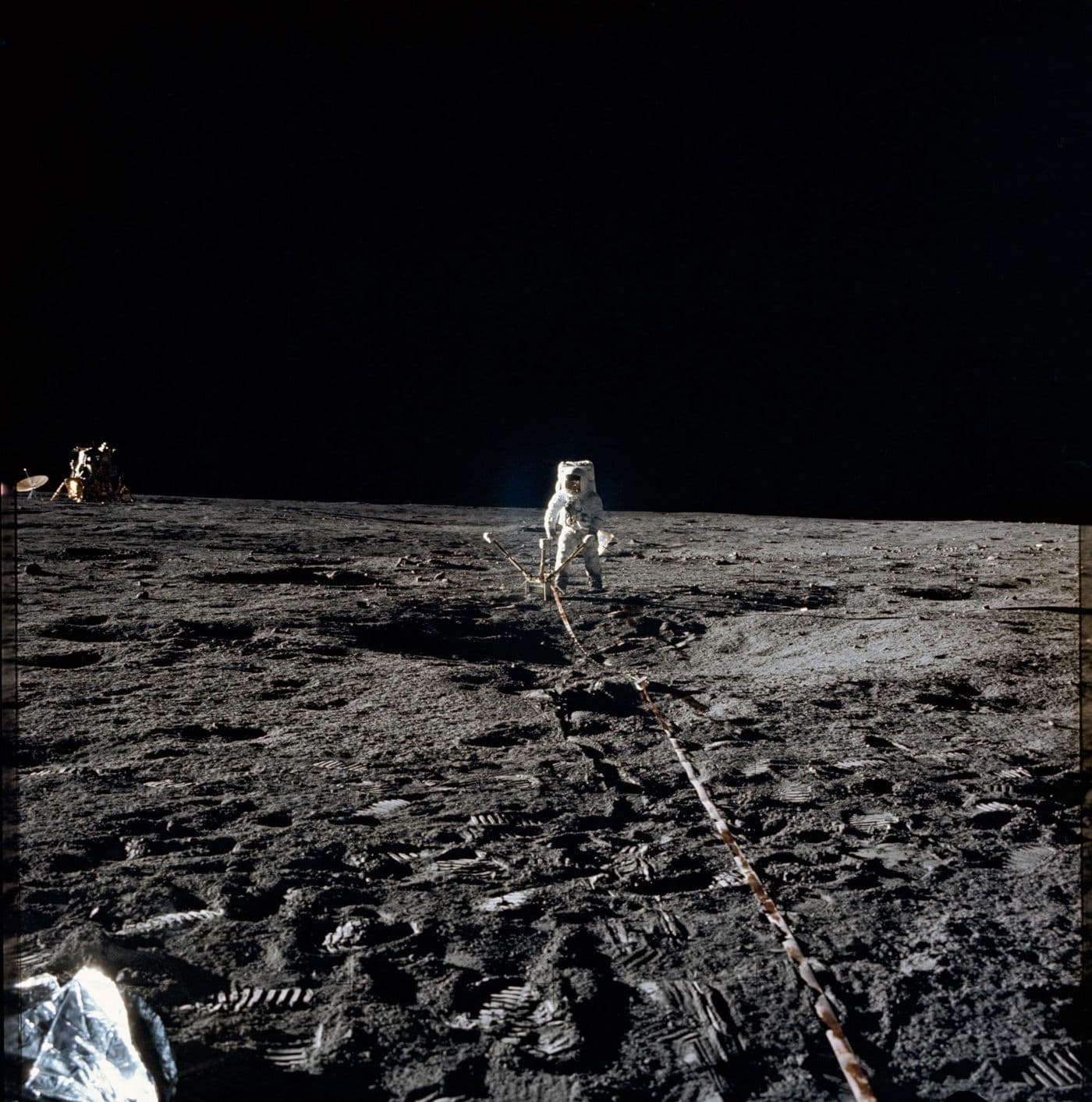
pollo 15 was the first of the extended “J” missions — a three-day stay, a lunar rover and a strong focus on geology. The rover extended the astronauts’ reach from metres to kilometres, opening up the Hadley Rille valley.
Apollo 15 Crew
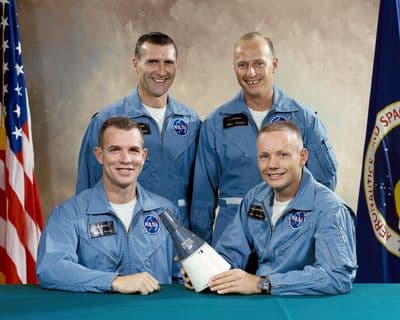 COMMANDERDavid ScottA veteran of Gemini 8 (1966, with Neil Armstrong) and Apollo 9 (1969). On Apollo 15 he became the seventh person to walk on the Moon — the postal-covers affair meant he never flew again.
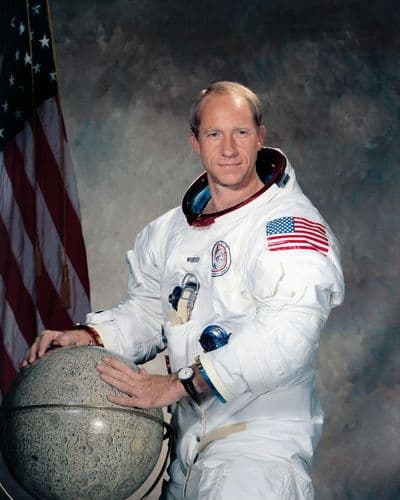 COMMAND MODULE PILOTAlfred WordenA West Point graduate and Air Force pilot. He performed the first-ever deep-space spacewalk, approximately 320,000 km from Earth. Apollo 15 was his only spaceflight.
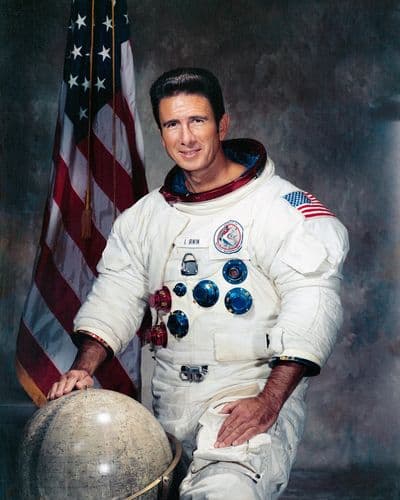 LUNAR MODULE PILOTJames IrwinA Naval Academy graduate and Air Force pilot. The eighth person to walk on the Moon; Apollo 15 was his only spaceflight. After leaving NASA he devoted himself to religious missionary work.
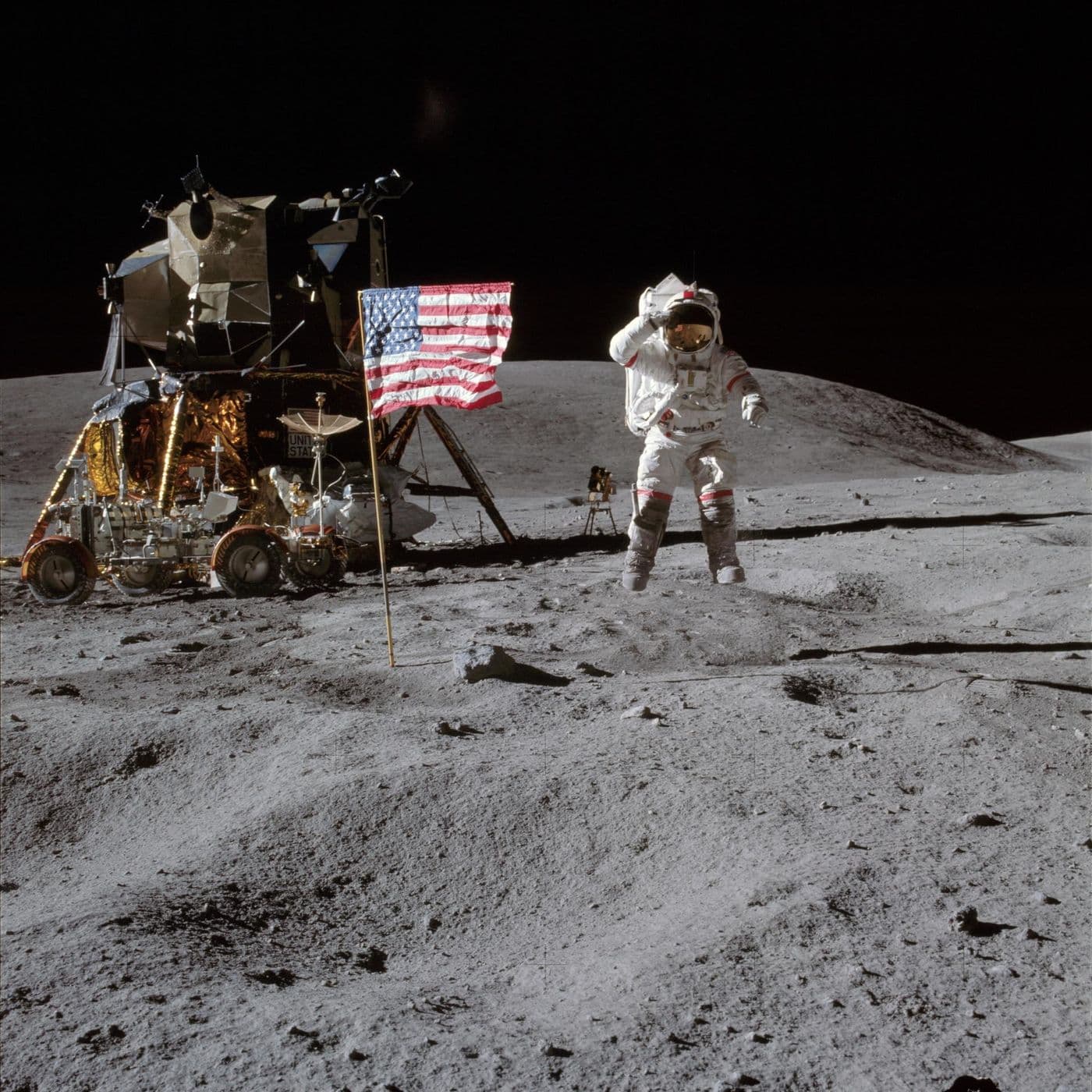
David Scott and James Irwin drove the rover over 27 km and found a 4.1-billion-year-old anorthosite fragment — the “Genesis Rock”, a sample of the Moon’s primordial crust. Scott also dropped a hammer and a falcon feather on camera to demonstrate Galileo’s law of free fall in a vacuum.
Mission timeline
Select a phase to read what happened. Every chapter has its own detailed page.
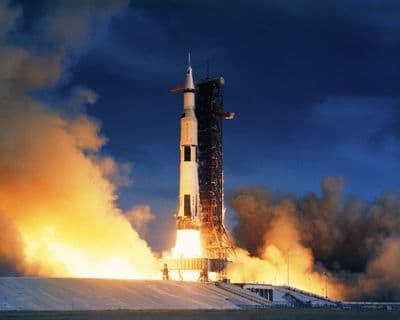
The first “J mission” — science over speed
Apollo 15 was the first of the Apollo program’s three extended “J missions” — a longer stay on the Moon, more science, and for the first time a lunar rover. It was commanded by David Scott, a veteran of Gemini 8 and Apollo 9, alongside Alfred Worden and James Irwin, for both of whom it was their only spaceflight.
Read the chapter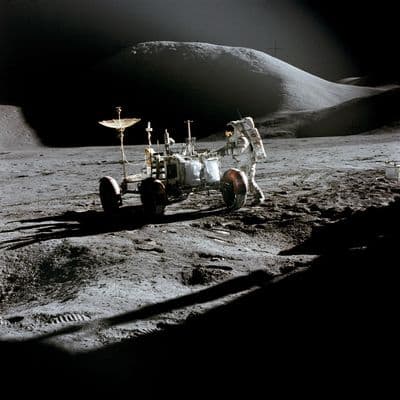
A hard landing, the first rover, and the Genesis Rock
The Falcon module touched down on 30 July near Hadley Rille beneath the Apennine Mountains at more than 2 m/s — the hardest landing of any crewed Apollo mission. The impact drew a startled “Bam!” from Irwin, and the ship settled at a tilt of nearly seven degrees.
Read the chapter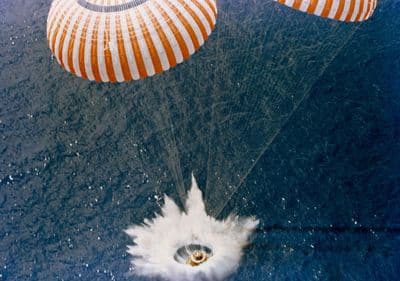
The first deep-space spacewalk and a landing on two parachutes
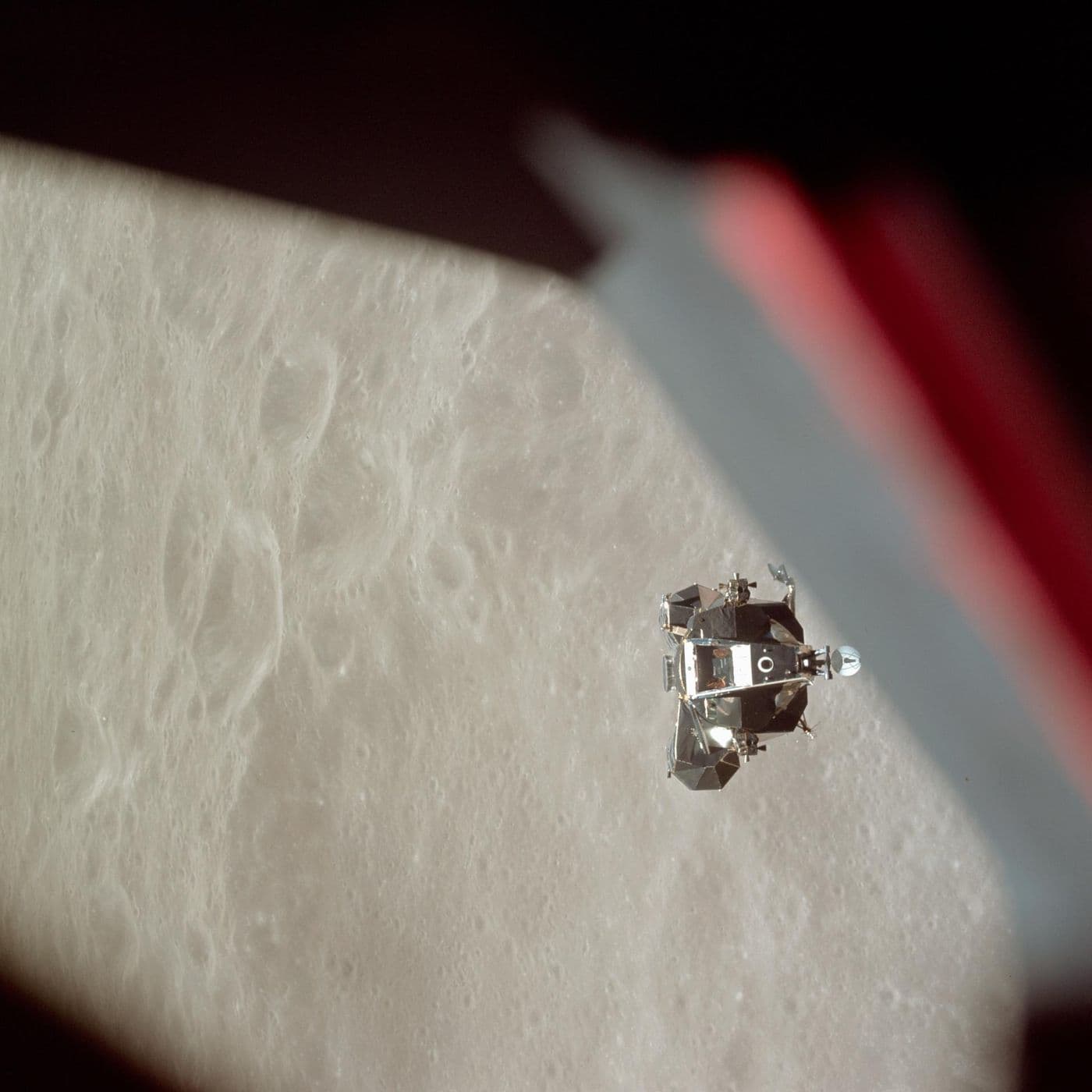
While Scott and Irwin were on the surface, Worden spent nearly three days alone in lunar orbit operating instruments in the service module’s scientific bay — among other findings, he discovered the lunar highlands contained more aluminium than expected. Each time contact resumed after passing behind the Moon, he greeted Earth with “Hello, Earth. Greetings from Endeavour” in a different language.
Read the chapterMission in numbers
- Crew
- 3
- Launch
- 26. 7. 1971
- Moon landing
- 30. 7. 1971
- Landing site
- Hadley–Apeniny
- Splashdown
- 7. 8. 1971
- Launch vehicle
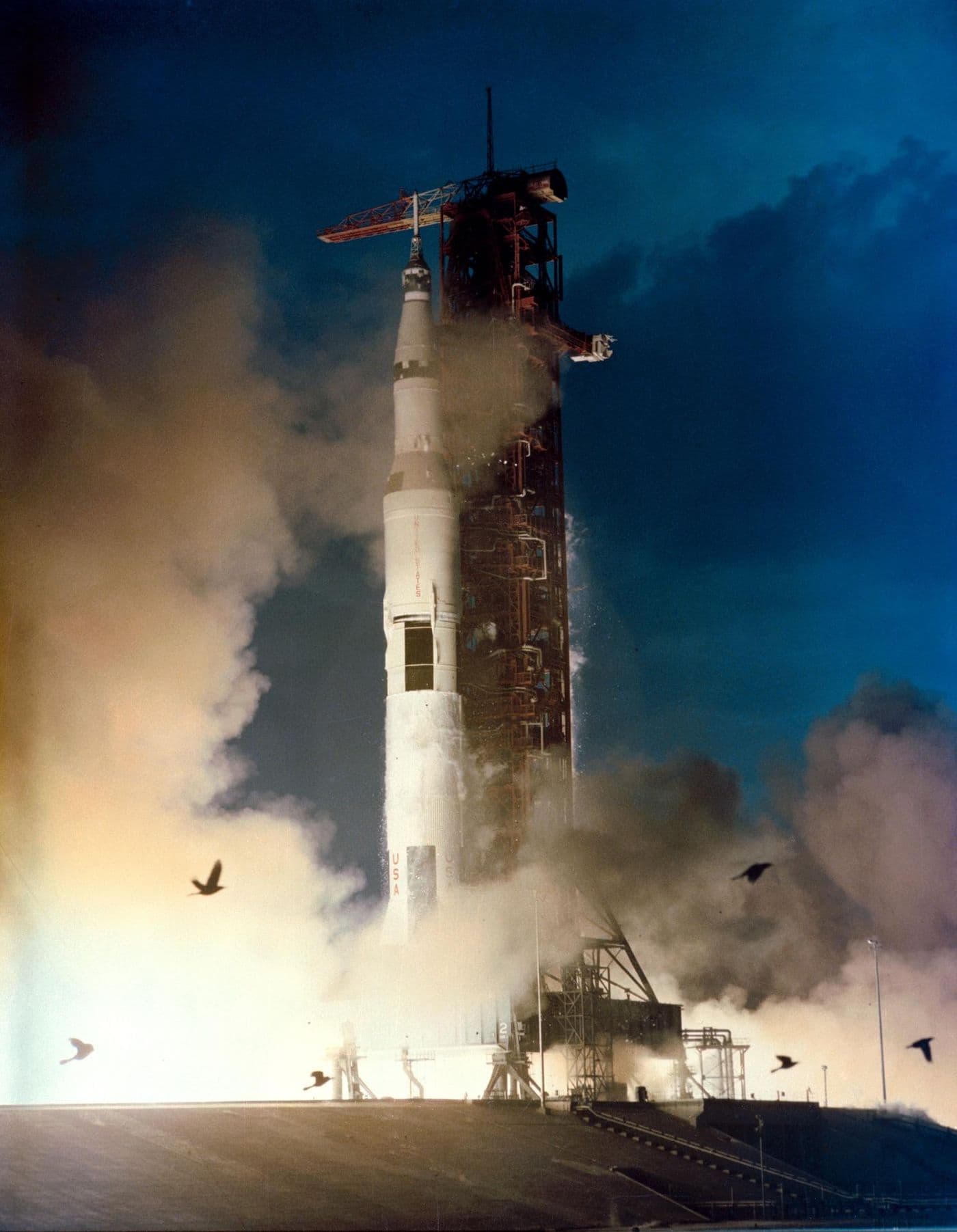
- Saturn V (SA-510)
- Call signs
- Endeavour / Falcon
- Samples returned
- 77 kg
Follow us
Follow us on social media
New plates, trivia and behind-the-scenes updates as soon as they are ready.
Facts
- Apollo 15 was the first of the “J missions” — with a longer lunar stay and the first-ever Lunar Roving Vehicle.
- It was the hardest landing of any crewed Apollo mission — the module touched down at over 2 m/s and tilted nearly seven degrees.
- David Scott recreated Galileo’s experiment on the Moon, dropping a hammer and a feather together — without air resistance, they hit the surface at the same time.
- The sample known as the Genesis Rock, found near Spur crater, is among the oldest fragments of lunar crust ever discovered.
- Alfred Worden performed the first-ever deep-space spacewalk on the way home — approximately 320,000 km from Earth.
- Because of unauthorized postal covers carried to the Moon, the crew was reprimanded after their return, and none of the three astronauts ever flew in space again.
Related articles
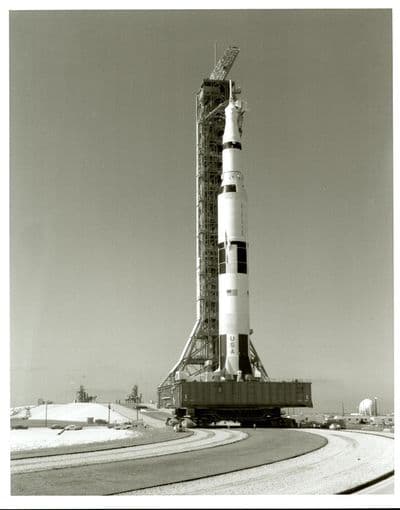
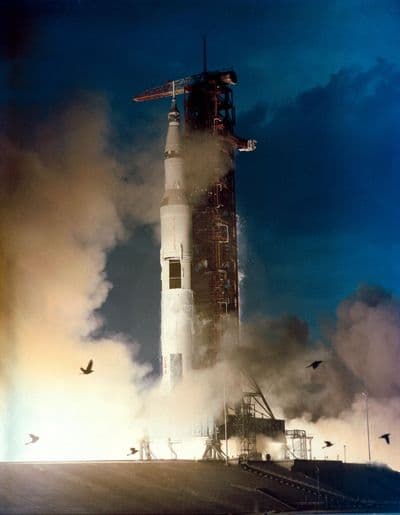
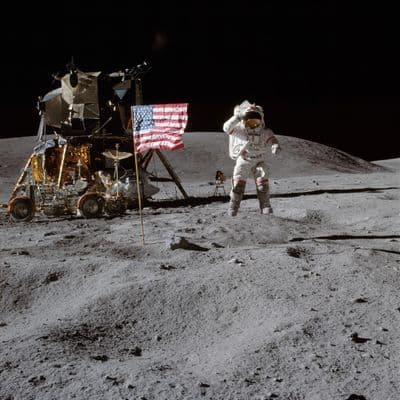
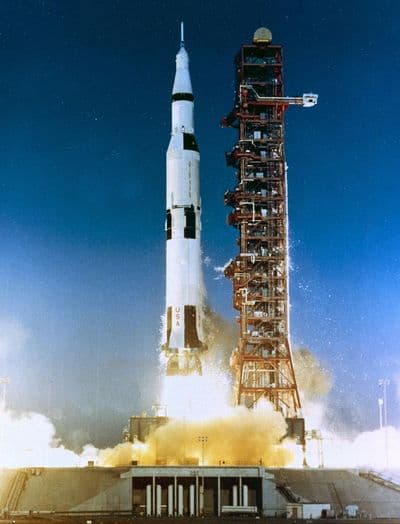
Gallery
Check yourself
What can scientists learn from rocks that they can’t learn from photos?
Answer in your own words — everything you need is in the article above.
Sources & further reading
- NASA: Apollo 15 Mission Report, MSC-05161, 1971 — the primary source of mission data.
- Apollo Lunar Surface Journal (NASA) — communication transcripts and EVA chronology.
- NASA Image and Video Library (images.nasa.gov) — mission photographs, public domain.
- Wikipedia: Apollo 15 — the starting structure of the article, CC-BY-SA 4.0.
- NSSDCA Master Catalog (NASA) — technical parameters of the spacecraft (COSPAR ID 1971-063A).
Spaceflightpedia. (n.d.). Apollo 15. Retrieved 9 October 2026, from https://spaceflightpedia.com/article/apollo-15
article text — CC-BY-SA · ◉ NASA photography — public domain · ✦ AI illustration — marked, generated from sources