#Měsíc#NASA#Apollo
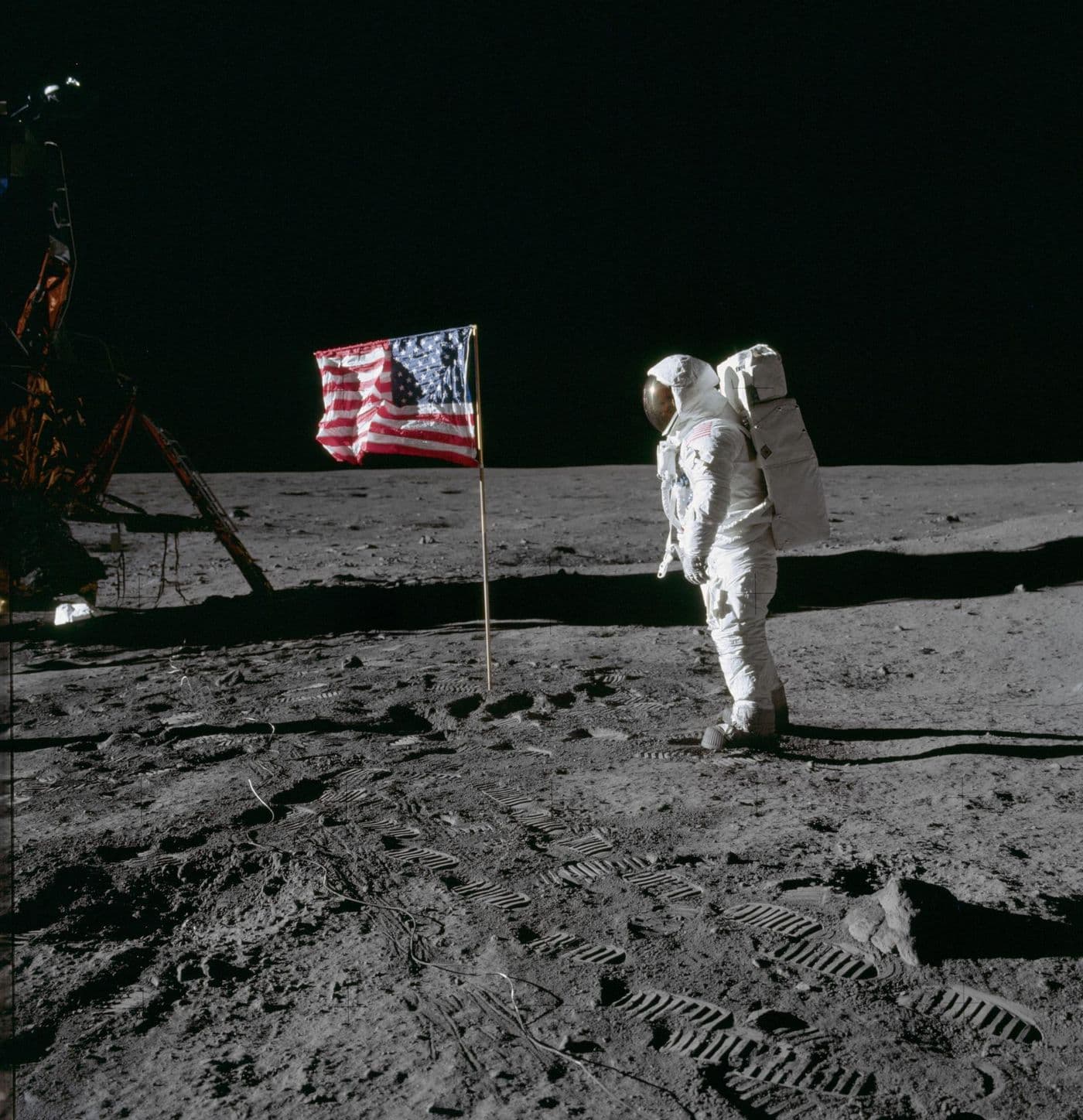
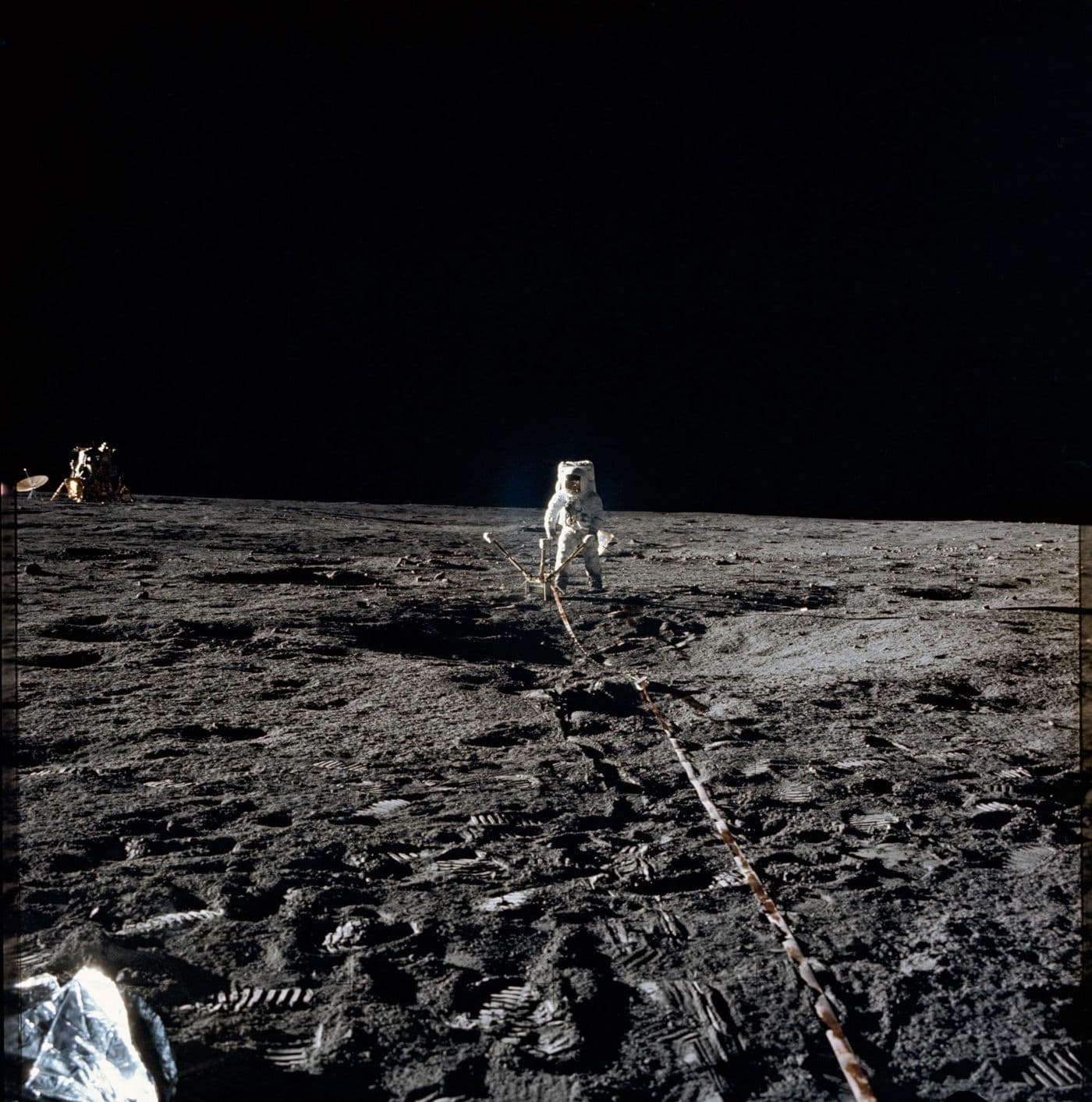
pollo 16 headed into the unknown — the bright Descartes highlands, which geologists thought were volcanic. The samples instead revealed impact breccias, rewriting ideas about how the lunar surface evolved.
Apollo 16 Crew
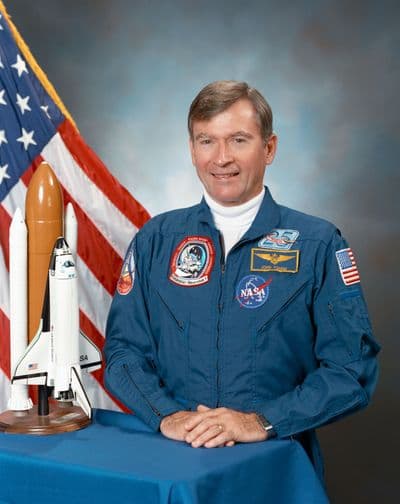 COMMANDERJohn YoungA veteran of Gemini 3 (1965), Gemini 10 (1966) and Apollo 10 (1969). On Apollo 16 he became the second American after James Lovell to fly in space four times. He later commanded the first Space Shuttle flight (STS-1, 1981).
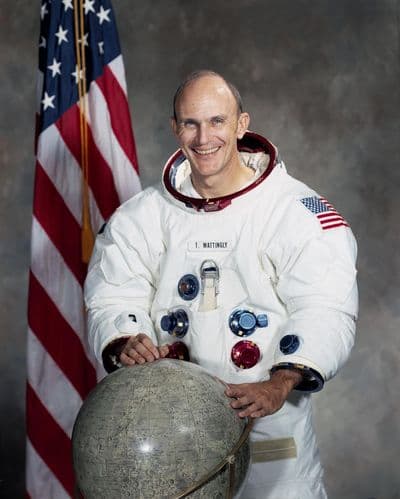 COMMAND MODULE PILOTKen MattinglyThree days before Apollo 13’s launch he was replaced by a backup after exposure to rubella — he never got sick. On Apollo 16 he performed the second deep-space spacewalk in history. He later commanded two Space Shuttle missions.
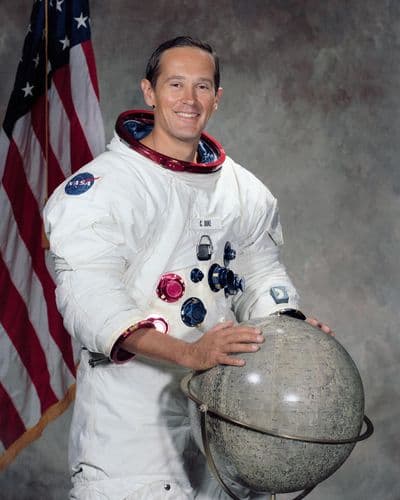 LUNAR MODULE PILOTCharles DukeA former CAPCOM during the Apollo 11 landing. At 36 he became the tenth person on the Moon and remains, to this day, the youngest person ever to have stood on its surface.
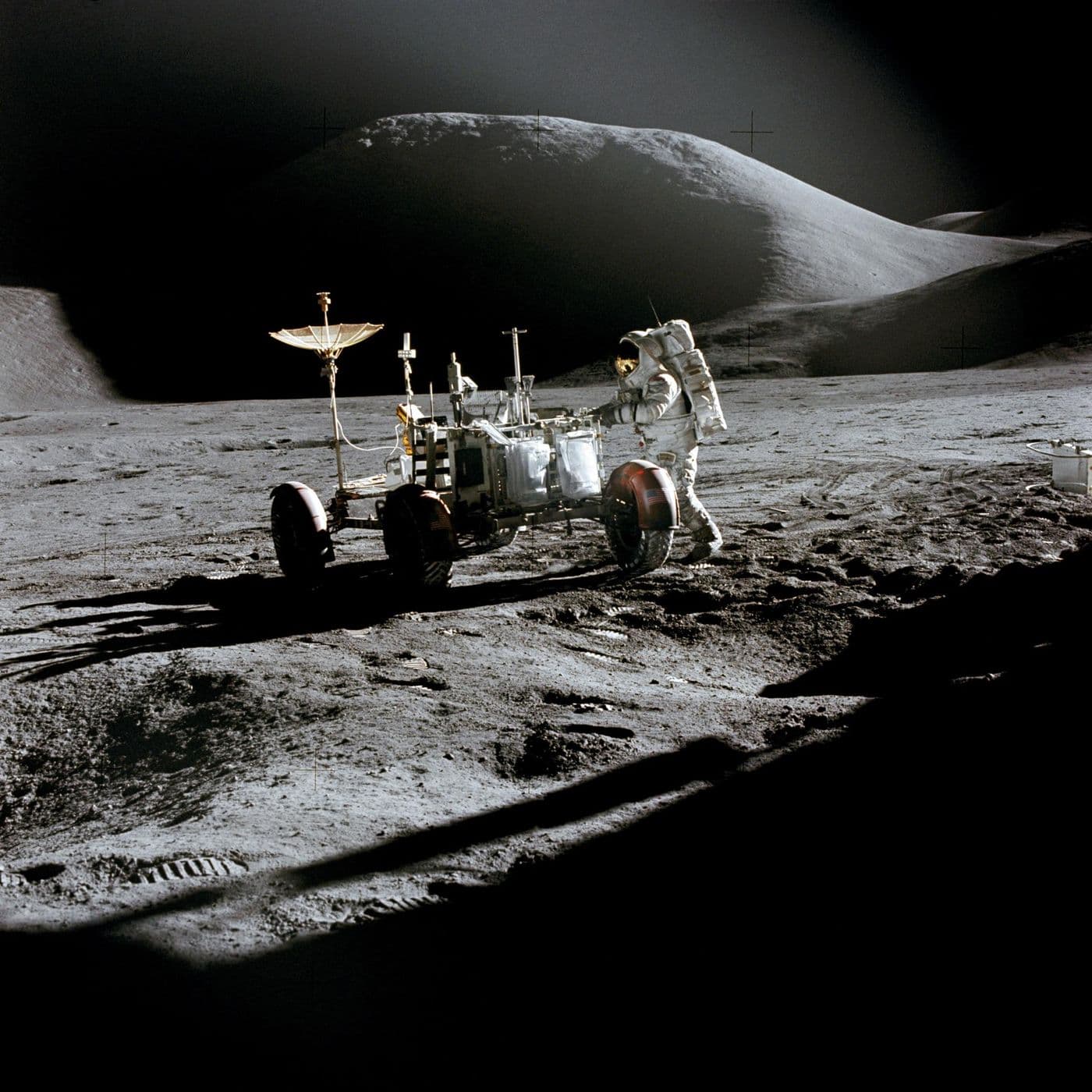
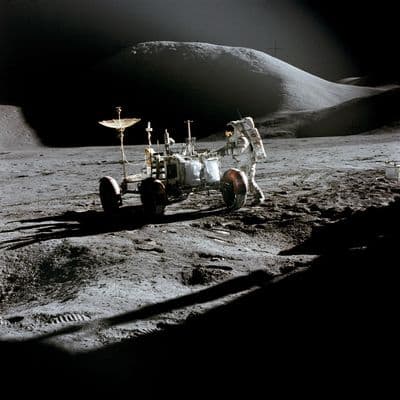
John Young and Charles Duke spent three days on the surface and drove over 26 km. Young performed a “lunar grand prix” for the camera, and Duke left a family photograph on the Moon. Ken Mattingly, bumped from Apollo 13 because of exposure to rubella, finally orbited the Moon.
Mission timeline
Select a phase to read what happened. Every chapter has its own detailed page.
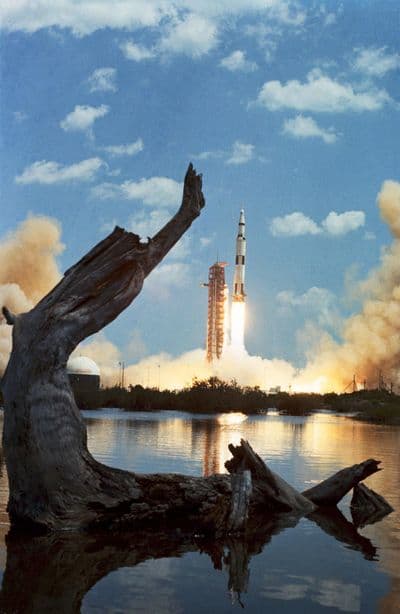
Mattingly’s second chance
Command module pilot Ken Mattingly had originally been slated to fly on Apollo 13 — three days before launch he was replaced by backup Jack Swigert after exposure to rubella (caught from a colleague’s child, Charles Duke’s son). Mattingly never got sick, and two years later got a second chance on Apollo 16 — this time alongside Duke himself.
Read the chapter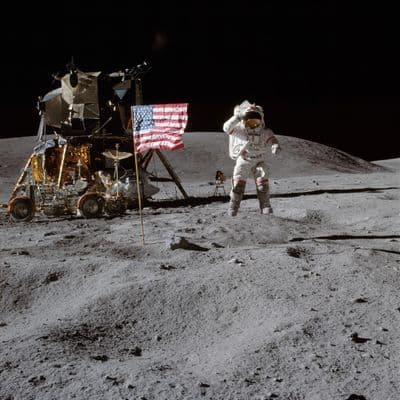
A near-scrubbed landing and a disproven volcano theory
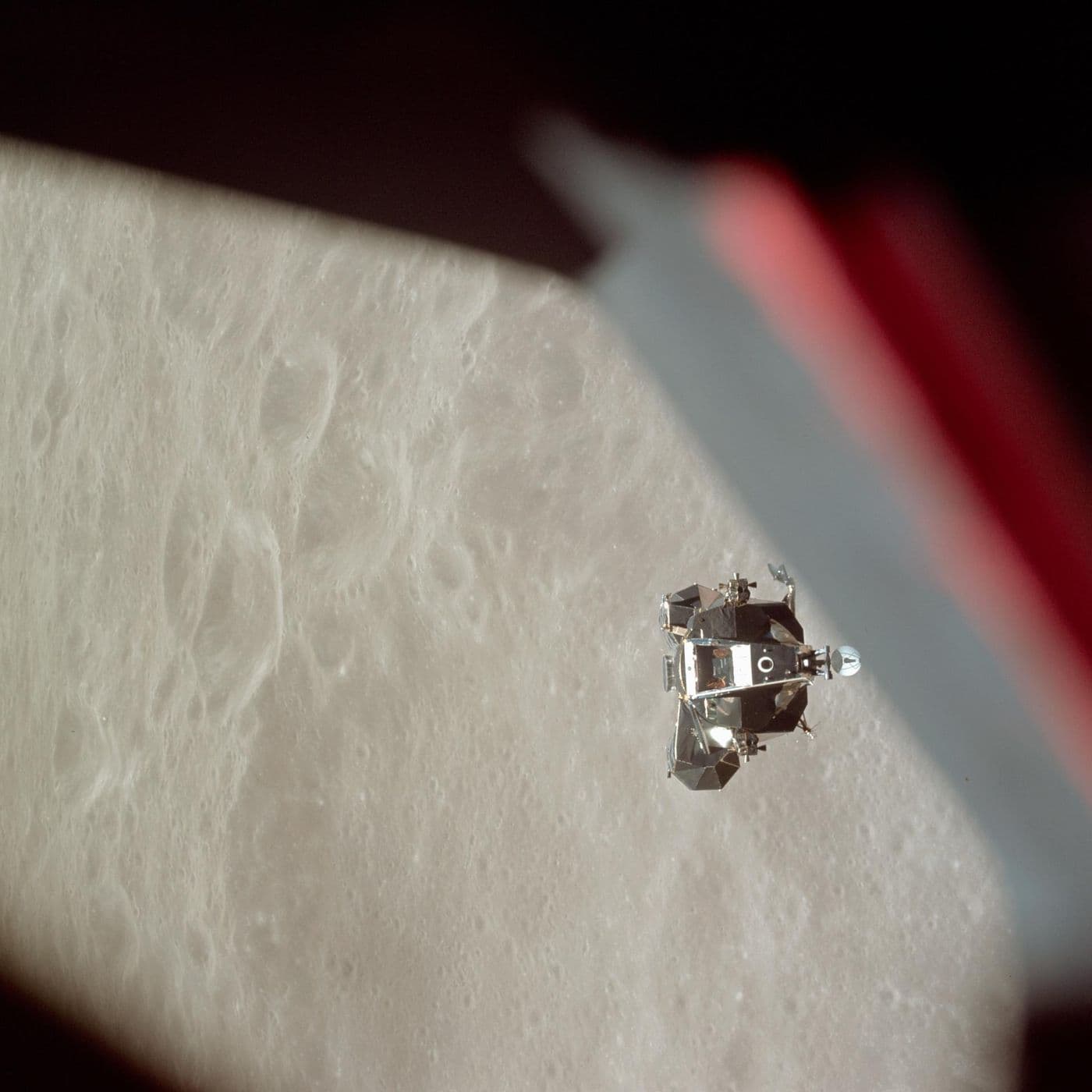
Just before the modules were due to separate, Mattingly detected oscillations in the backup steering of the CSM’s main engine. Under mission rules, Orion had to re-dock with Casper in case flight control decided to scrub the mission — but after several hours of analysis, Mission Control judged the fault workable and cleared the landing. Because of the six-hour delay, Young and Duke began their descent to the surface from a higher altitude than any previous mission.
Read the chapter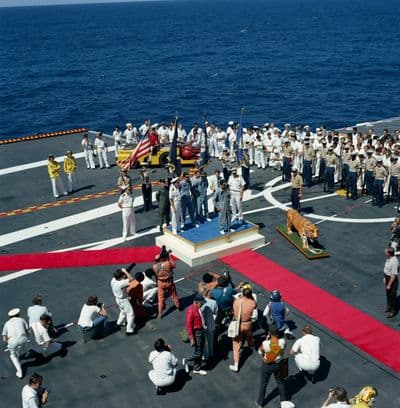
The second deep-space spacewalk
While Young and Duke were on the surface, Mattingly orbited the Moon 64 times in the Casper module and, as the first command module pilot to do so, used binoculars during his observations. Because of the landing delay, the mission returned a day earlier than planned.
Read the chapterMission in numbers
- Crew
- 3
- Launch
- 16. 4. 1972
- Moon landing
- 21. 4. 1972
- Landing site
- Descartes
- Splashdown
- 27. 4. 1972
- Launch vehicle
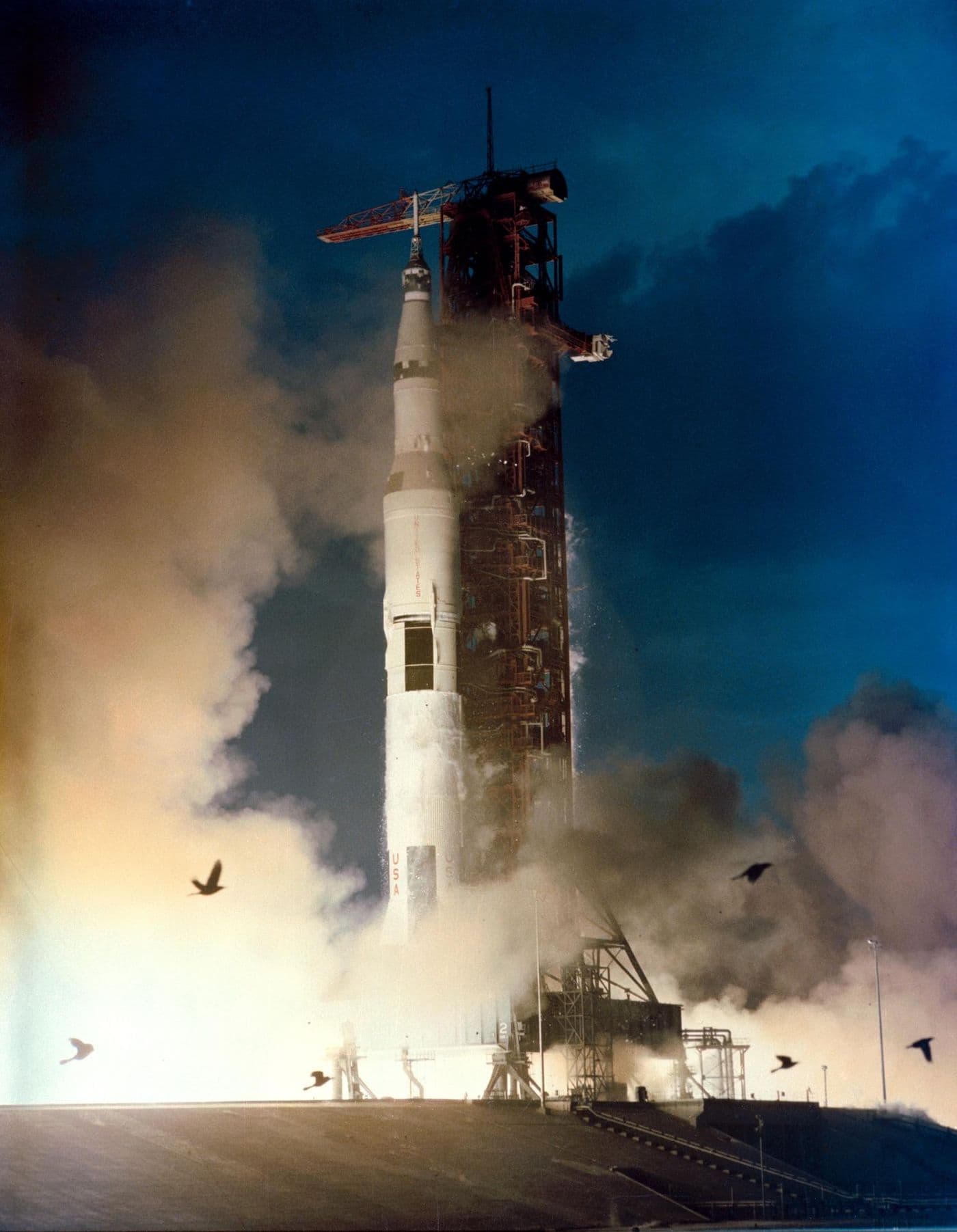
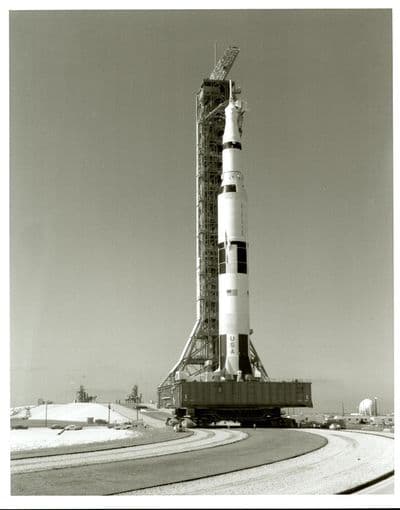
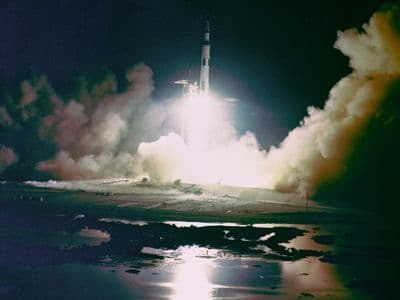
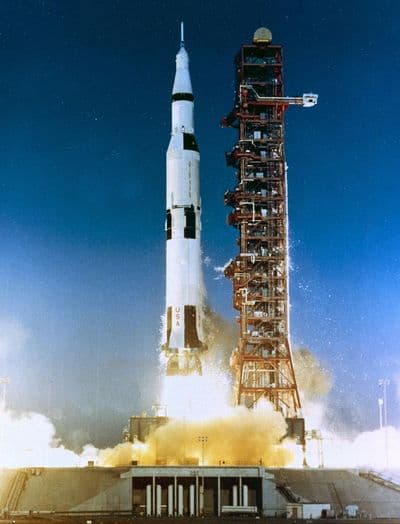
- Saturn V (AS-511)
- Call signs
- Casper / Orion
- Samples returned
- 95,8 kg
Follow us
Follow us on social media
New plates, trivia and behind-the-scenes updates as soon as they are ready.
Facts
- Ken Mattingly was originally slated for Apollo 13, but was replaced three days before launch after exposure to rubella — he never actually got sick.
- The landing was nearly scrubbed because of a fault in the main engine’s backup steering — Mission Control cleared it only after several hours of analysis.
- At 36, Charles Duke became the youngest person ever to stand on the surface of the Moon — a record that still stands.
- Samples from the boulder “House Rock” conclusively disproved the theory that the Descartes highlands were formed by volcanic activity.
- The crew brought back “Big Muley” — the largest single rock collected during the entire Apollo program.
- On the way home, Mattingly performed only the second deep-space spacewalk in history, during the return from the Moon to Earth.
Related articles
Gallery
Sources & further reading
- NASA: Apollo 16 Mission Report, MSC-07230, 1972 — the primary source of mission data.
- Apollo Lunar Surface Journal (NASA) — communication transcripts and EVA chronology.
- NASA Image and Video Library (images.nasa.gov) — mission photographs, public domain.
- Wikipedia: Apollo 16 — the starting structure of the article, CC-BY-SA 4.0.
- NSSDCA Master Catalog (NASA) — technical parameters of the spacecraft (COSPAR ID 1972-031A).
Spaceflightpedia. (n.d.). Apollo 16. Retrieved 9 October 2026, from https://spaceflightpedia.com/article/apollo-16
article text — CC-BY-SA · ◉ NASA photography — public domain · ✦ AI illustration — marked, generated from sources