#Měsíc#NASA#Apollo
Apollo 13 was NASA's third planned crewed Moon landing, aiming for the Fra Mauro highlands. Fifty-six hours into the flight an oxygen tank exploded, crippling the spacecraft and forcing Mission Control to abort the landing.
The crew survived by turning the lunar module Aquarius into a lifeboat, looping around the Moon on a free-return trajectory and improvising fixes to their life-support systems. All three astronauts returned safely, and the mission was later called a "successful failure" for what it taught NASA about crew survival.
Crew



Mission timeline
Select a phase to read what happened. Every chapter has its own detailed page.
Launch
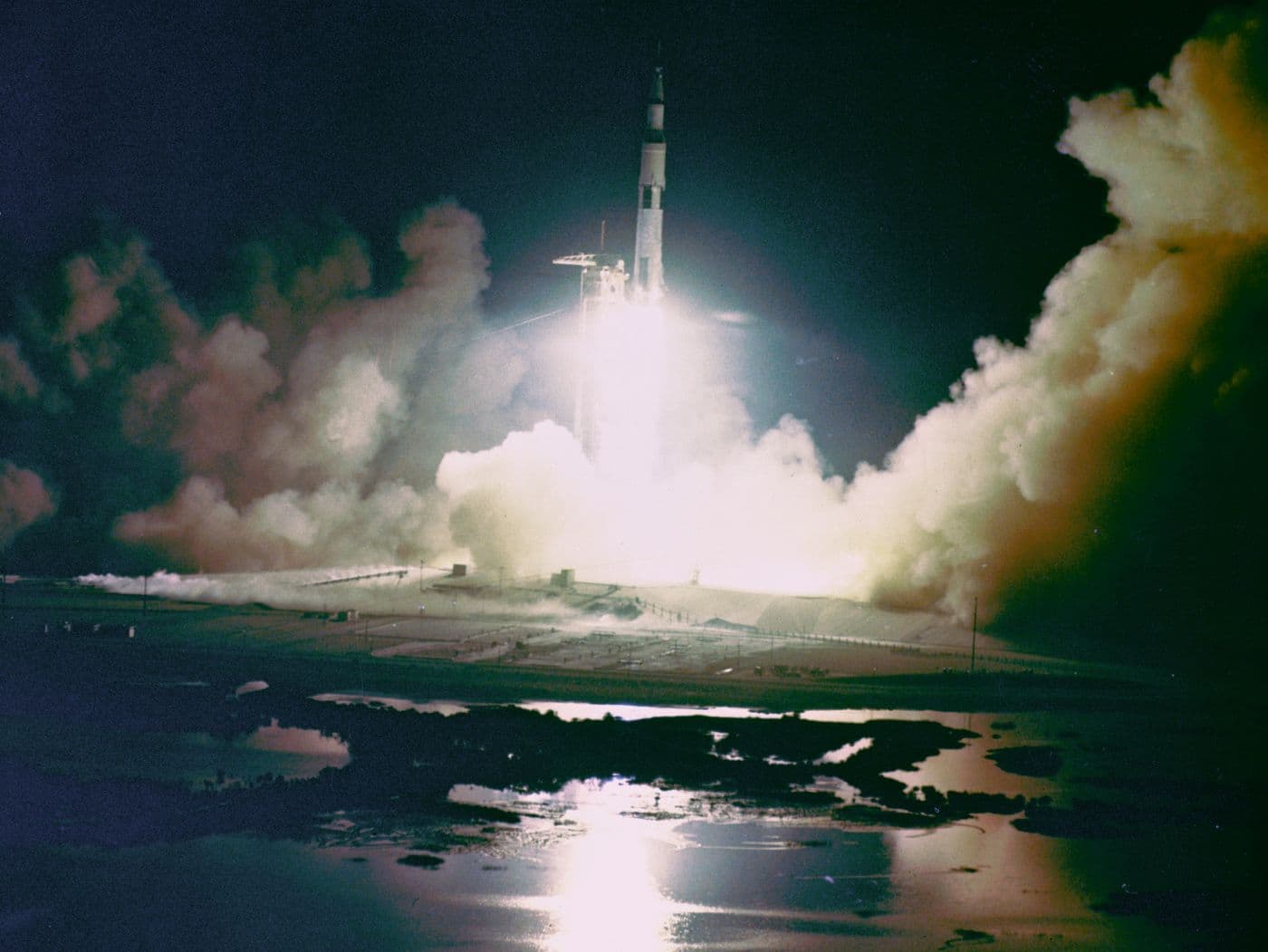
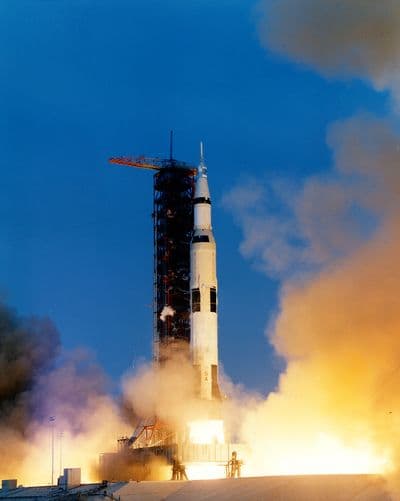
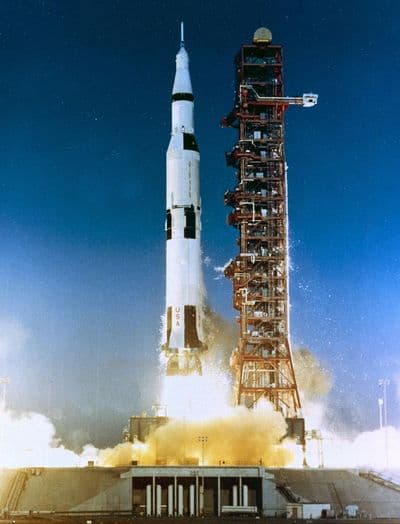
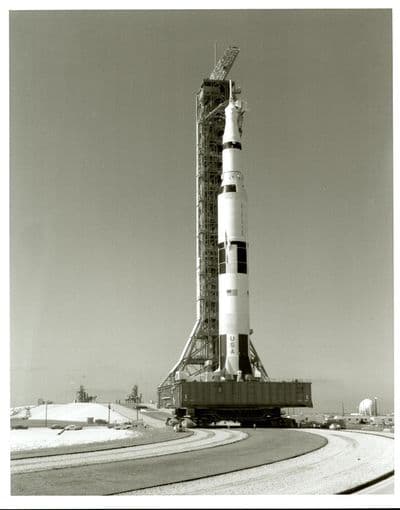
Apollo 13 launched on 11 April 1970 aboard a Saturn V rocket, carrying commander Jim Lovell, command module pilot Jack Swigert, and lunar module pilot Fred Haise toward a landing site in the Fra Mauro highlands.
Read the chapter
Oxygen Tank Explosion
Roughly 56 hours into the flight, an oxygen tank in the service module exploded after a routine stir, damaging a second tank and knocking out the command module's main power and oxygen supply.
Read the chapter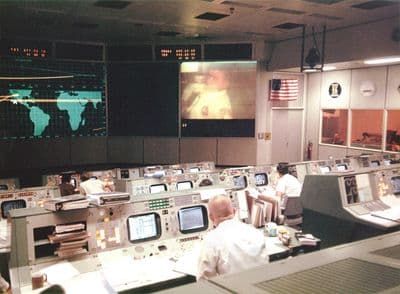
The Lunar Module as a Lifeboat
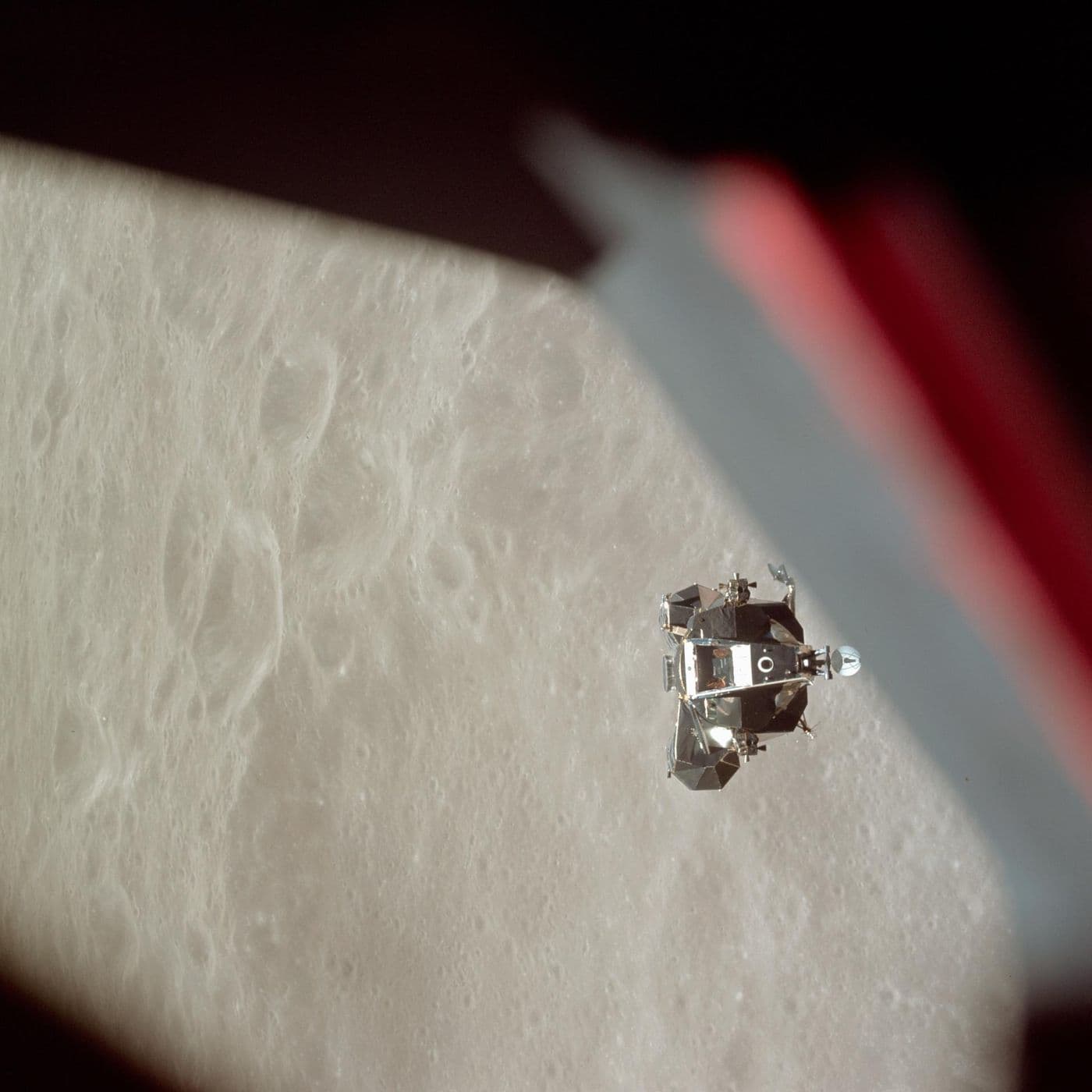
With the command module's systems shut down to conserve power, the crew moved into the lunar module Aquarius, using it as a lifeboat for power, oxygen, and propulsion.
Read the chapter
Lunar Flyby
Unable to land, Apollo 13 swung around the far side of the Moon on a free-return trajectory, using the lunar module's descent engine for course-correction burns back toward Earth.
Read the chapter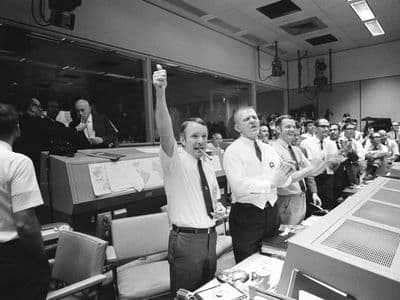
Splashdown
All three astronauts splashed down safely in the South Pacific Ocean on 17 April 1970, nearly six days after launch, and were recovered by the USS Iwo Jima.
Read the chapterMission by the numbers
- Mission duration
- 5 dní, 22 hodin, 54 minut
- Farthest point from Earth (record at the time)
- ~ 400 171 km
- LM cabin temperature during the crisis
- klesla až na ~ 4 °C
- Crew size
- 3
Notable facts
- The No. 2 oxygen tank exploded on 13 April 1970, about 56 hours after launch.
- The lunar module Aquarius served as a "lifeboat" for the return trip, though it was designed for only two people for two days.
- The famous movie line "Houston, we have a problem" is a slight rewrite — Swigert actually said "Houston, we've had a problem here."
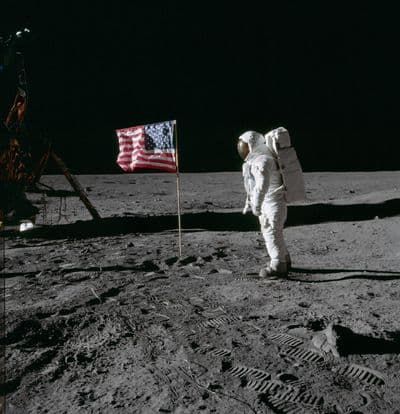
Mission hardware
Follow us
Follow us on social media
New plates, trivia and behind-the-scenes updates as soon as they are ready.
Eyewitness account
“Okay, Houston, we've had a problem here.”
Course of the crisis
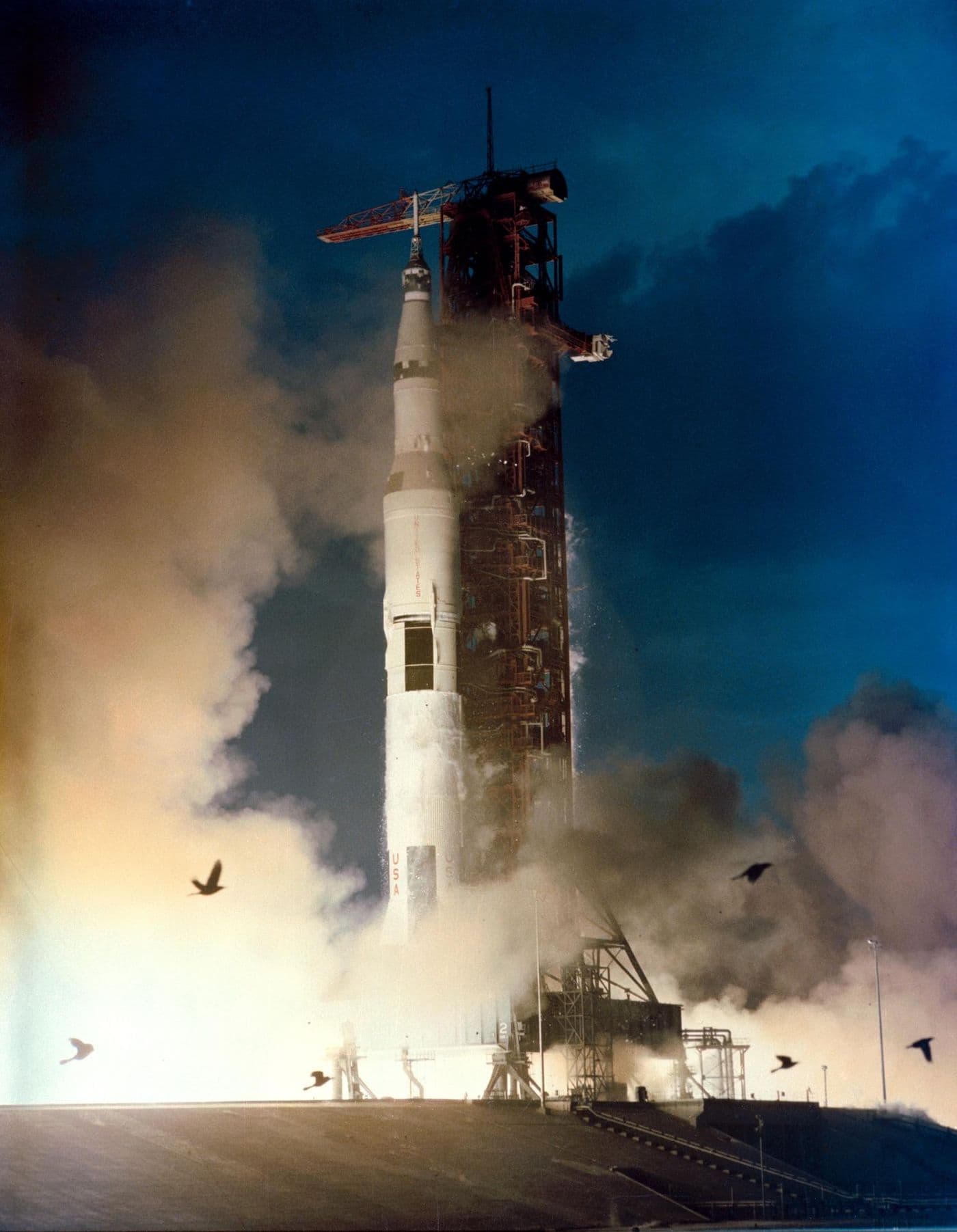
Launch from Launch Complex 39A.
Gallery
Related articles
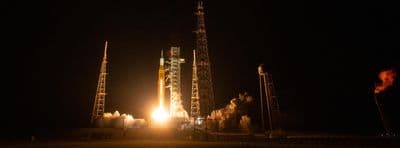
Article on the timeline
An oxygen tank explosion en route to the Moon forced the landing to be aborted; the crew used the lunar module as a lifeboat and returned safely to Earth.
Open the entry →Check yourself
What do you need most if your spacecraft loses power and oxygen?
Answer in your own words — everything you need is in the article above.
Sources & further reading
- NASA: Apollo 13 Mission Report, MSC-02680, 1970 - primary source for mission data.
- Apollo Flight Journal - transcripts of air-to-ground communication and flight chronology.
- NASA Image and Video Library (images.nasa.gov) - photographs and footage, public domain.
- Wikipedia: Apollo 13 - initial article structure, CC-BY-SA 4.0.
- Lovell, J. & Kluger, J.: Lost Moon: The Perilous Voyage of Apollo 13, 1994 - the commander's own account, basis of the 1995 film.
- NASA NSSDCA Master Catalog - technical parameters of the Saturn V and spacecraft.
Spaceflightpedia. (n.d.). Apollo 13. Retrieved 9 October 2026, from https://spaceflightpedia.com/article/apollo-13
article text — CC-BY-SA · ◉ NASA photography — public domain · ✦ AI illustration — marked, generated from sources