Apollo program missions
Facts
- The Apollo program cost American taxpayers over 25 billion dollars (in 1960s prices) — more than 150 billion dollars in today’s money.
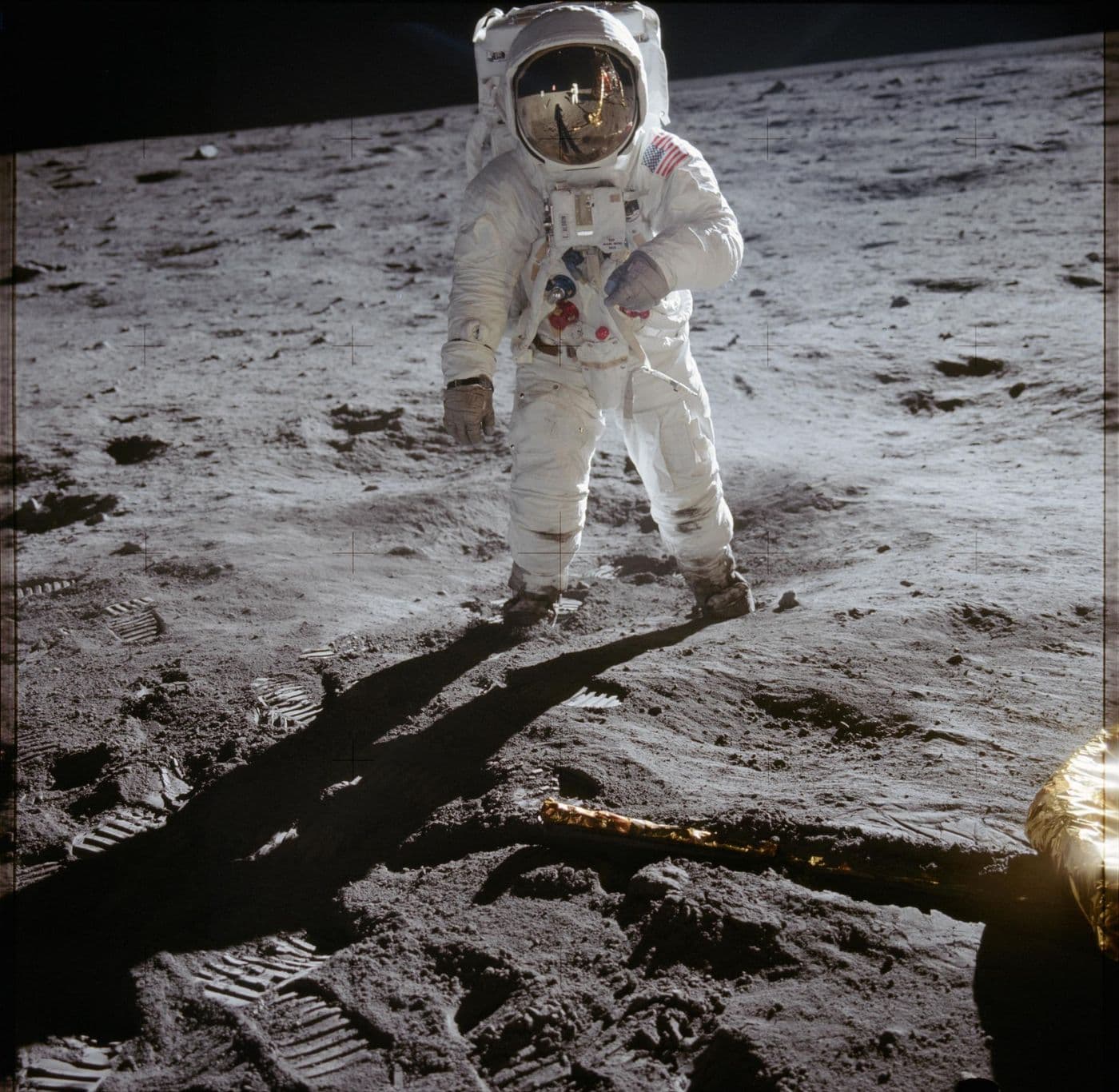
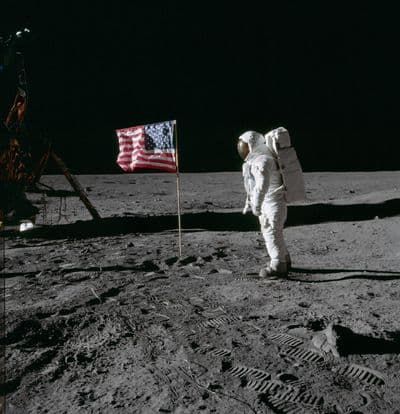
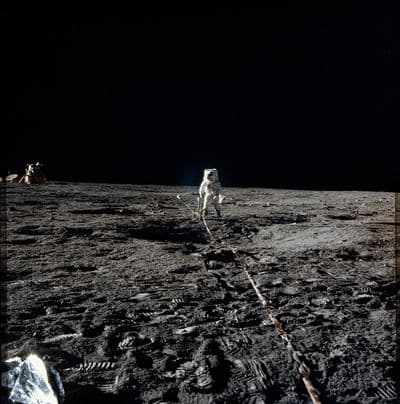
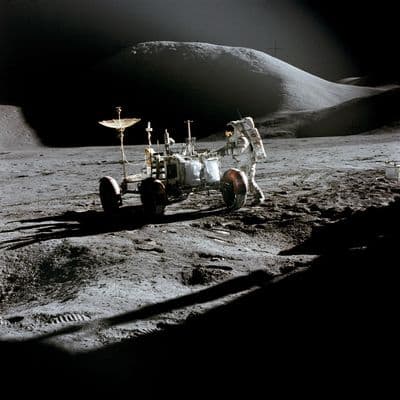
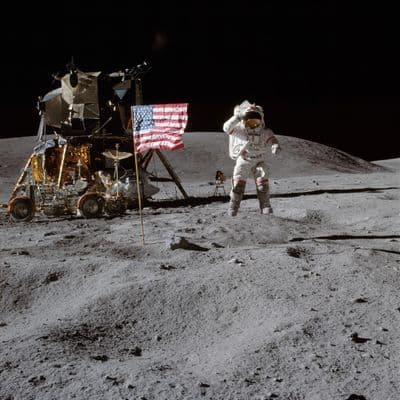
- All 12 people who have ever stood on the Moon belonged to the Apollo program between 1969 and 1972 — no one has stood on the Moon since.
- The name Apollo was proposed in 1960 by NASA manager Abe Silverstein, after the Greek god of the sun and light — he was inspired by the image of the god driving his chariot across the sky.
Article on the timeline
7 December 1961
Gemini as a bridge between Mercury and Apollo
Gemini was approved as a bridge between Mercury and Apollo. It tested orbital rendezvous and docking, spacewalks, and long-duration flights needed for the journey to the Moon.
Check yourself
Why did it take eight years and 400,000 people to land on the Moon?
Answer in your own words — everything you need is in the article above.
Sources & further reading
- NASA History Office — Apollo Program, overview of the entire program.
- Wikipedia: Apollo program — base structure of the article, CC-BY-SA 4.0.
Spaceflightpedia. (n.d.). Apollo. Retrieved 9 October 2026, from https://spaceflightpedia.com/article/apollo
article text — CC-BY-SA · ◉ NASA photography — public domain · ✦ AI illustration — marked, generated from sources