#Měsíc#NASA#Apollo
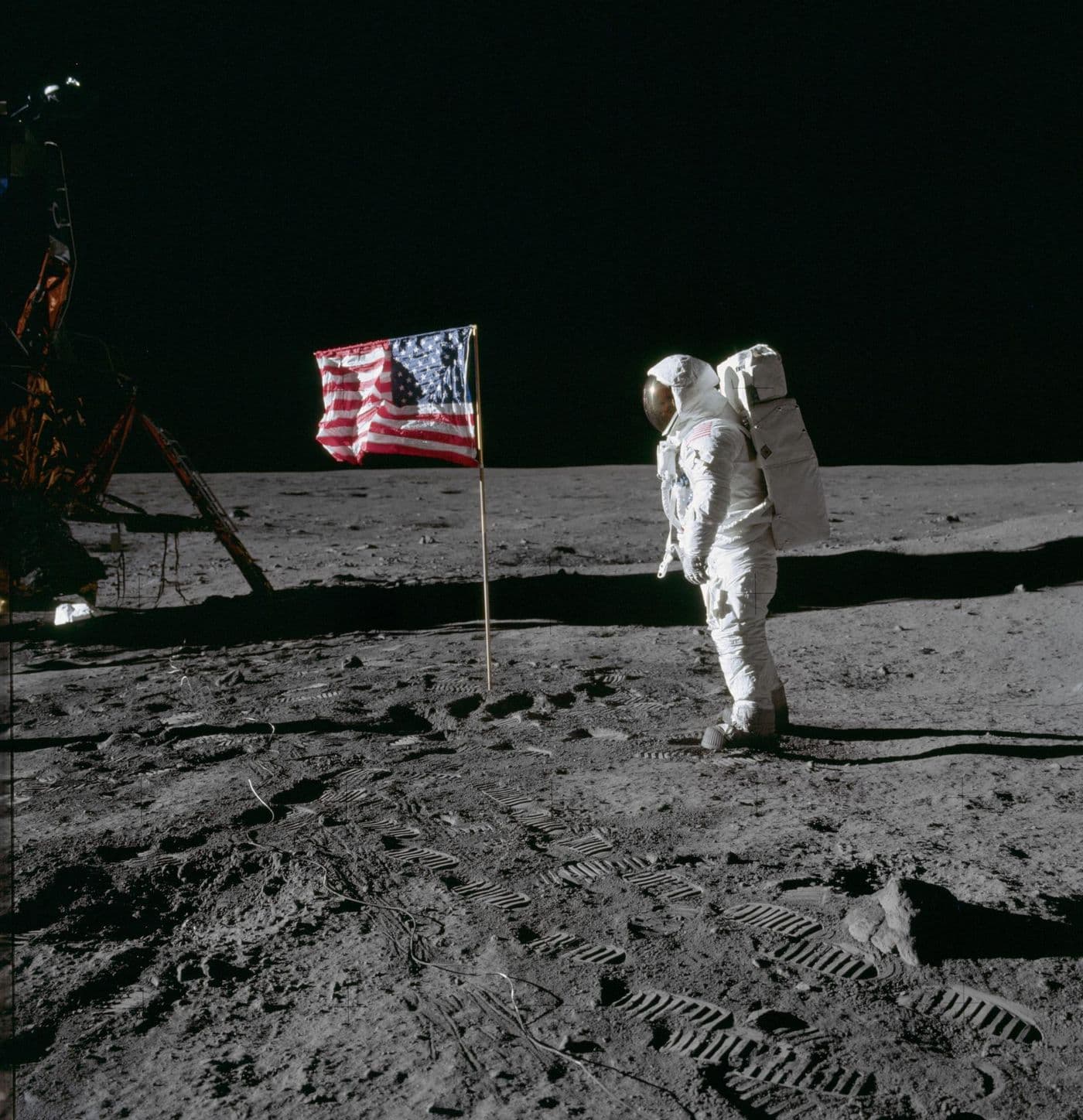
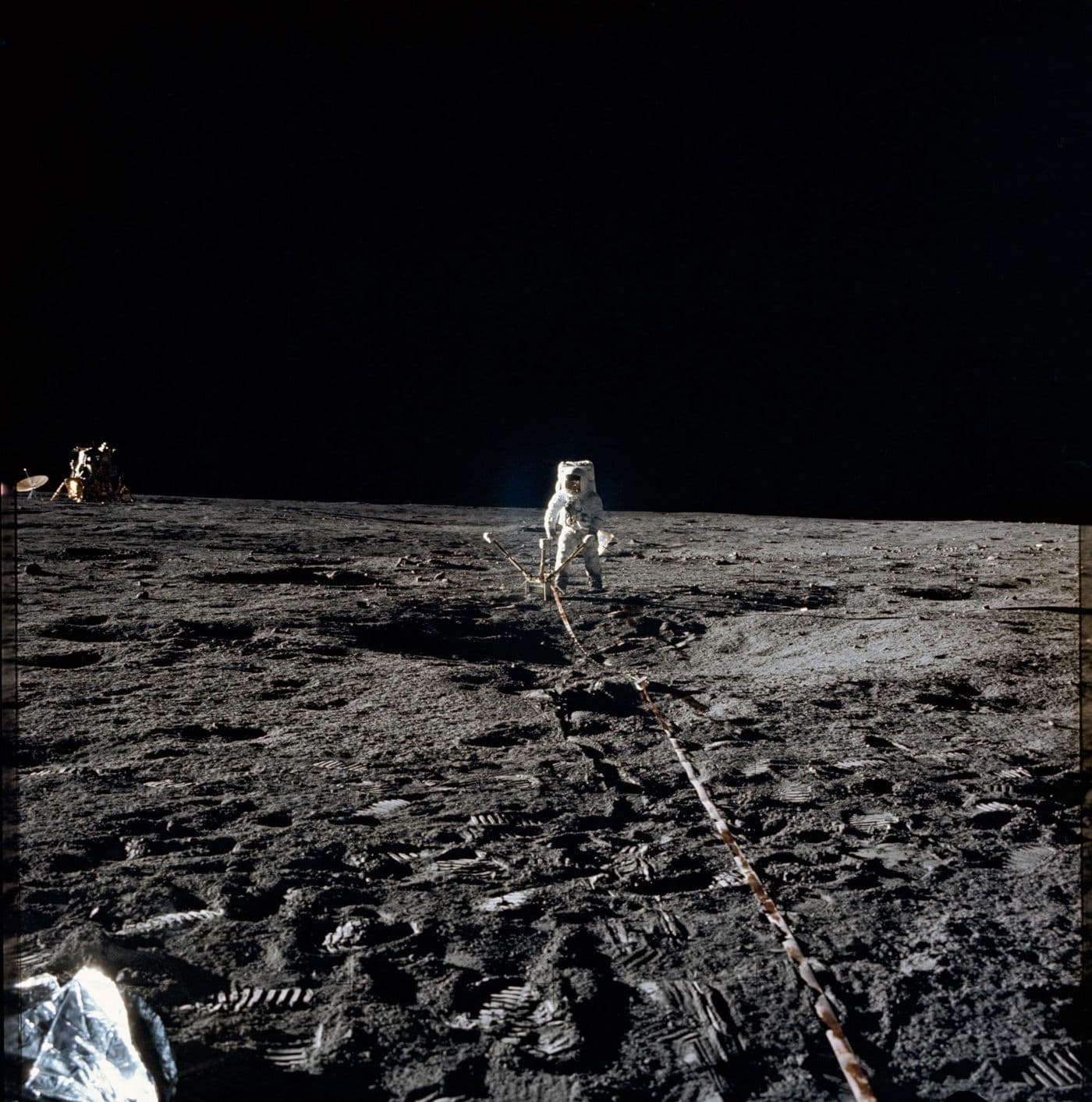
pollo 14 finally reached the place Apollo 13 never did — the Fra Mauro highlands. After a nine-month pause forced by the Apollo 13 explosion, Shepard, Roosa and Mitchell proved the Apollo program could learn from crisis and carry on.
Apollo 14 Crew
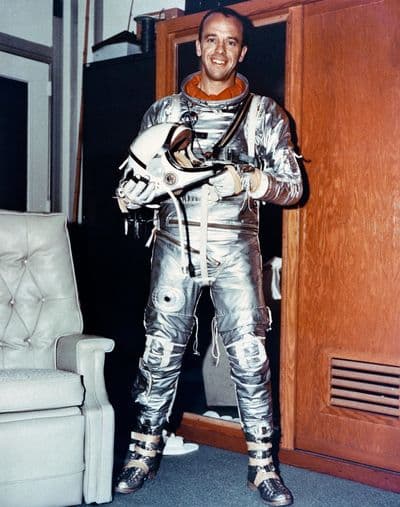 COMMANDERAlan ShepardOne of the original Mercury Seven and the first American in space (Freedom 7, 1961). Grounded for years by Ménière’s disease of the inner ear, he returned to flight status after experimental surgery in 1968. At 47, on Apollo 14 he became the oldest American in space and the oldest person on the Moon.
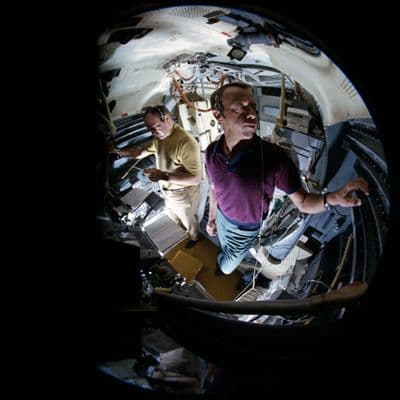 COMMAND MODULE PILOTStuart RoosaA former smokejumper firefighter, later an Air Force fighter pilot. He spent almost two days alone in lunar orbit. He carried hundreds of tree seeds aboard, which grew into “Moon trees” distributed across the United States after his return.
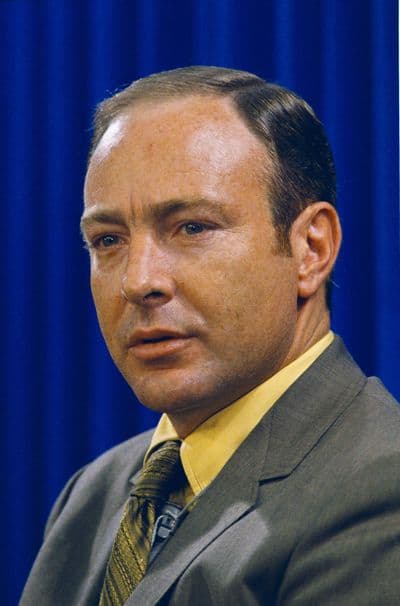 LUNAR MODULE PILOTEdgar MitchellA U.S. Navy fighter pilot. With commander Shepard, he came within about 30 metres of Cone crater during the second moonwalk. During the trip home, without NASA’s knowledge, he conducted a private ESP experiment.
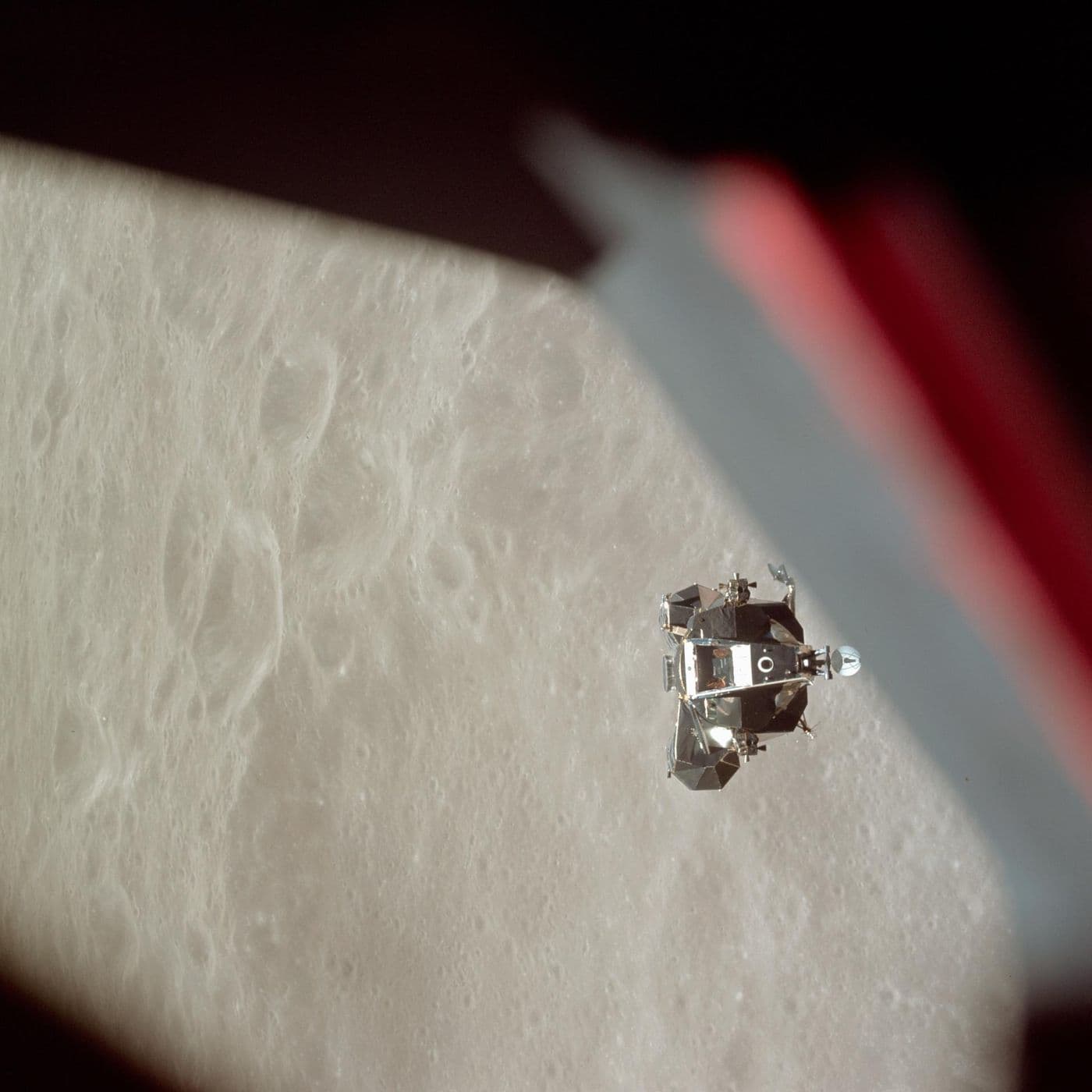
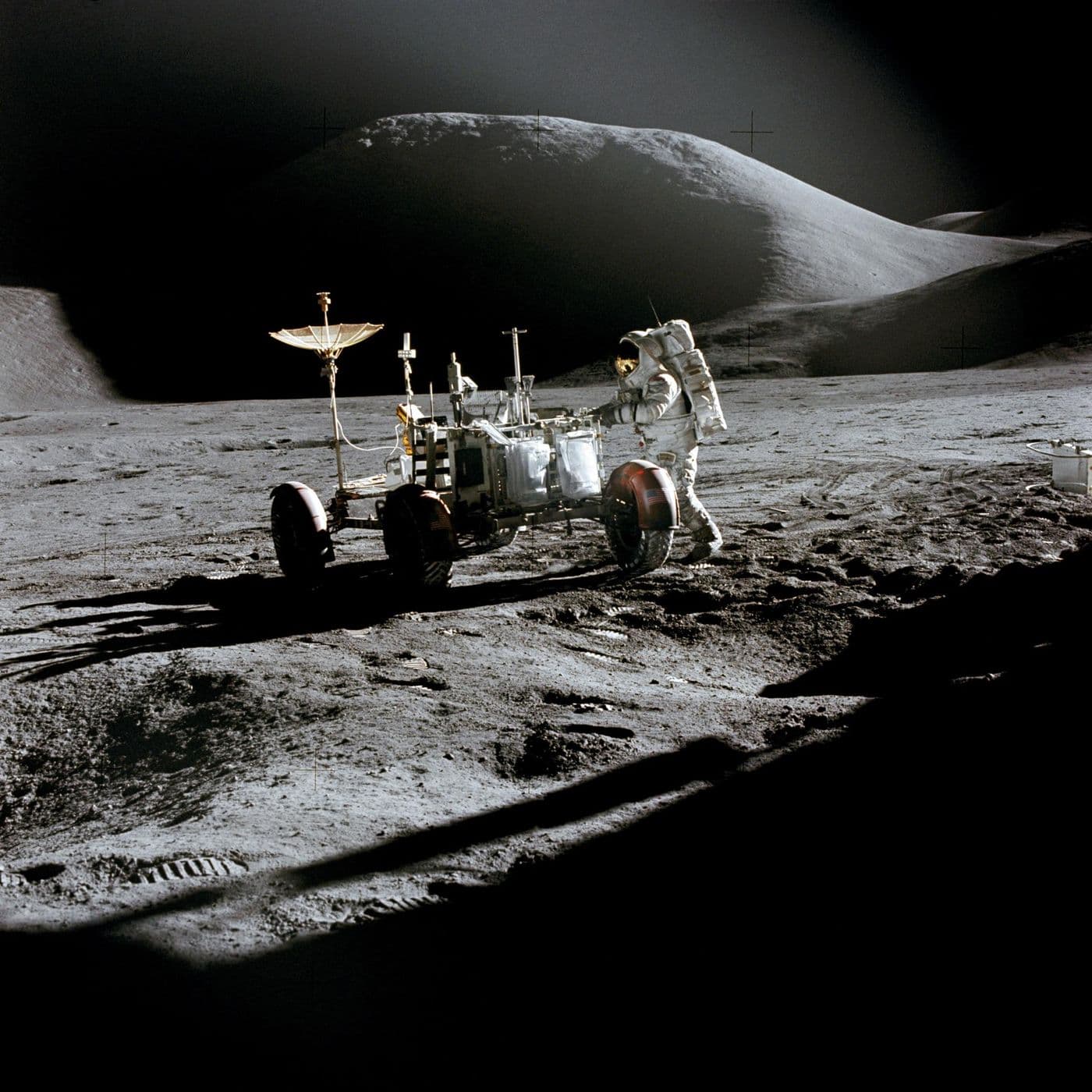
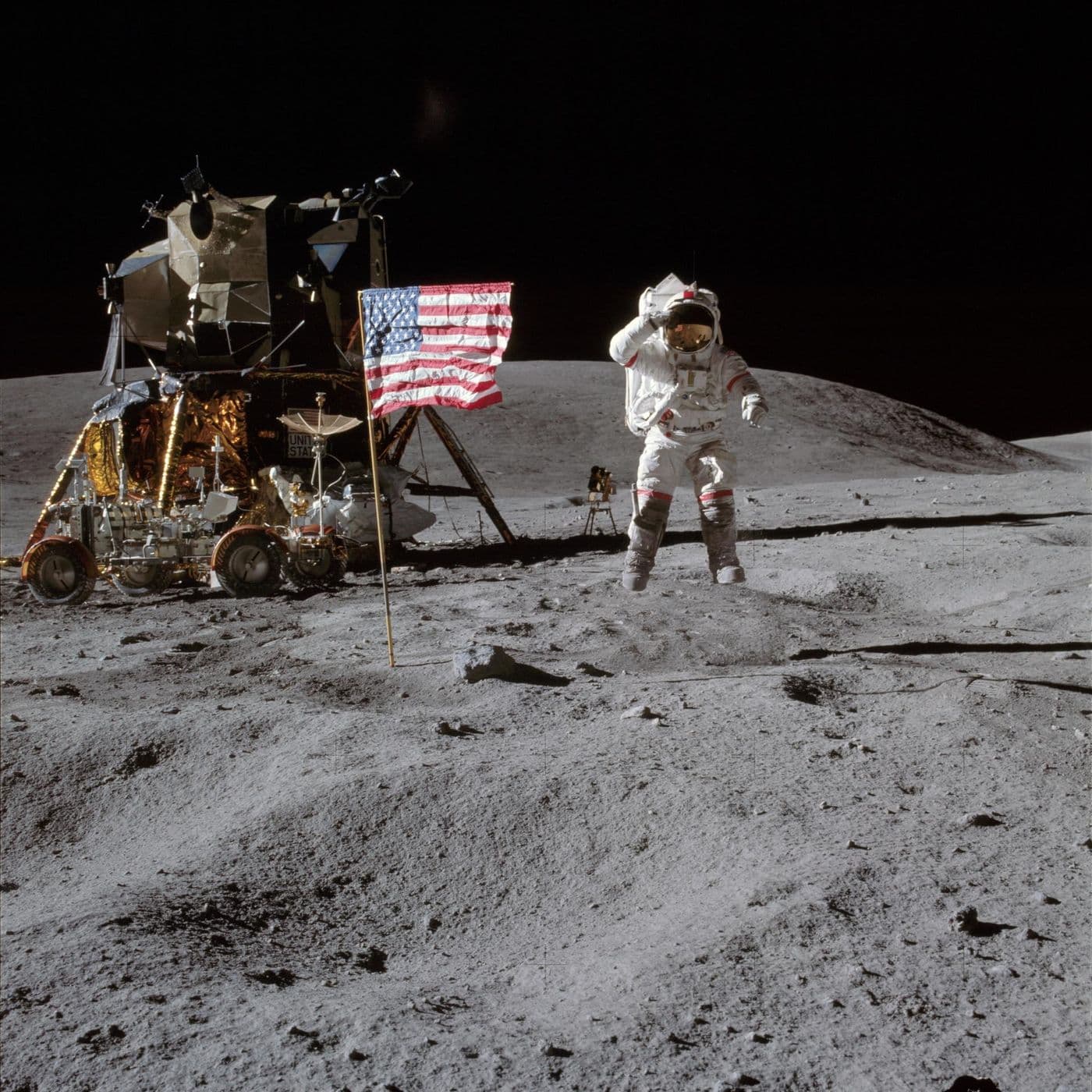
The landing was nearly scrubbed by a lunar module computer glitch and a faulty rendezvous radar — Shepard and Mitchell had to complete the descent partly blind. On the surface, during the second moonwalk, Shepard hit two golf balls with an improvised club, creating one of the program’s most famous moments.
Mission timeline
Select a phase to read what happened. Every chapter has its own detailed page.
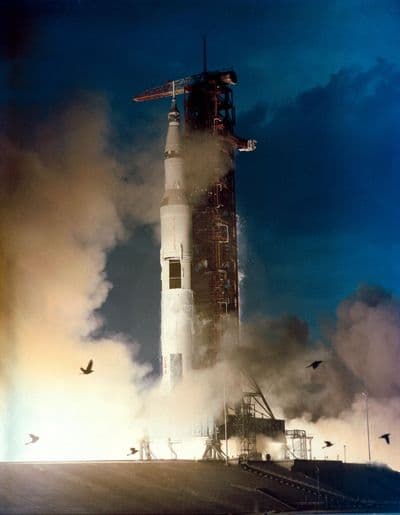
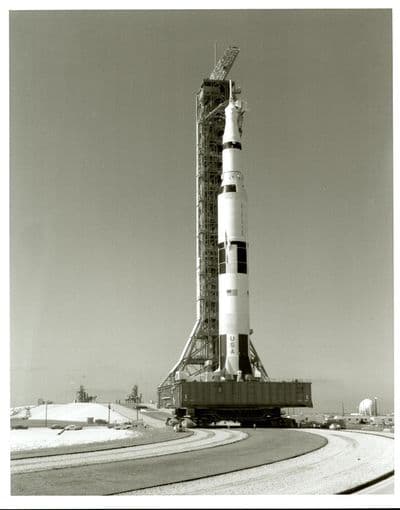
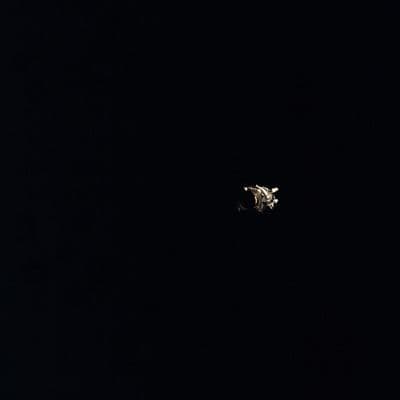
A return after ten years — and a module that refused to dock
Commander Alan Shepard, the first American in space (1961), waited ten years for his second flight — grounded for years by an inner-ear disorder. At 47 he became the oldest American to fly in space, and later the oldest person to stand on the Moon.
Read the chapter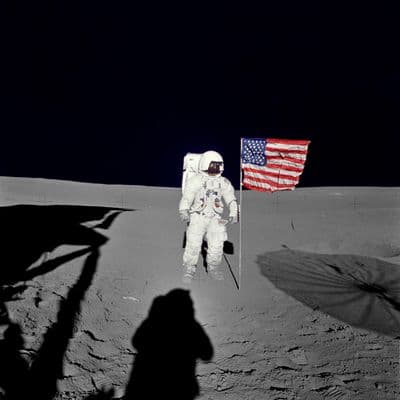
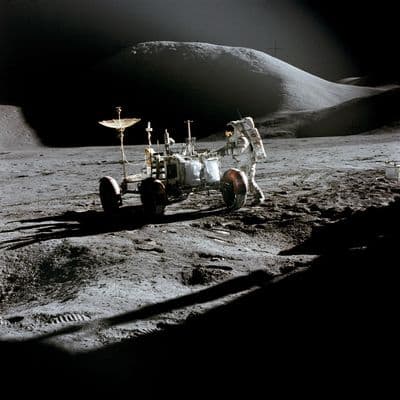
A false alarm, an unreached crater, and golf on the Moon
Shortly before the planned landing burn, Antares’s computer began receiving a false mission-abort signal — likely from a loose bead of solder inside a faulty switch. A team at MIT hastily devised a workaround, which Mitchell had to manually program in just minutes before ignition.
Read the chapter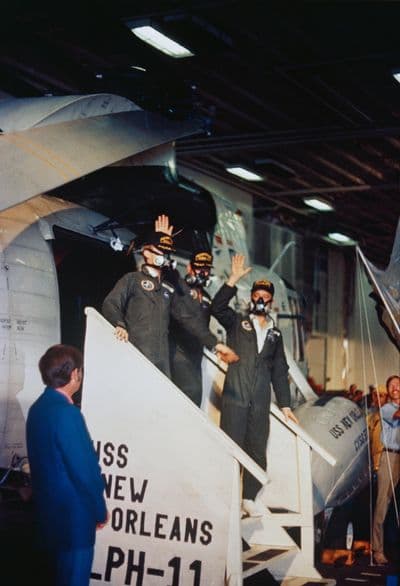
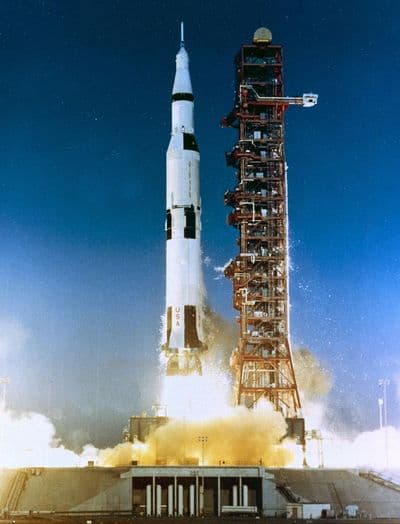
The last quarantine of the Apollo program
While Shepard and Mitchell were on the surface, Roosa spent nearly two days alone in orbit — photographing the Moon for future missions and testing whether the Gegenschein phenomenon arose from reflections off particles at the L2 Lagrange point. He carried hundreds of tree seeds, which after returning to Earth grew into so-called “Moon trees,” distributed across the United States a few years later.
Read the chapterMission in numbers
- Crew
- 3
- Launch
- 31. 1. 1971
- Moon landing
- 5. 2. 1971
- Landing site
- Fra Mauro
- Splashdown
- 9. 2. 1971
- Launch vehicle
- Saturn V (SA-509)
- Call signs
- Kitty Hawk / Antares
- Samples returned
- 42,8 kg
Follow us
Follow us on social media
New plates, trivia and behind-the-scenes updates as soon as they are ready.
Facts
- Alan Shepard, the first American in space (1961), waited ten years for his second flight because of an inner-ear disorder.
- Docking the command and lunar modules initially failed — had it failed completely, the landing would not have happened.
- Shepard and Mitchell missed Cone crater by less than 30 metres, as later confirmed by Lunar Reconnaissance Orbiter images.
- Shepard hit two golf balls one-handed on the Moon — the mission’s most famous moment.
- Roosa carried hundreds of tree seeds aboard, which grew into “Moon trees” distributed across the United States.
- Apollo 14 was the last mission requiring quarantine after returning from the Moon. Preflight medical isolation continued on subsequent missions.
Related articles
Eyewitness account
“Miles and miles and miles.”
Sources & further reading
- NASA: Apollo 14 Mission Report, MSC-04112, 1971 — the primary source of mission data.
- Apollo Lunar Surface Journal (NASA) — communication transcripts and EVA chronology.
- NASA Image and Video Library (images.nasa.gov) — mission photographs, public domain.
- Wikipedia: Apollo 14 — the starting structure of the article, CC-BY-SA 4.0.
- NSSDCA Master Catalog (NASA) — technical parameters of the spacecraft (COSPAR ID 1971-008A).
Spaceflightpedia. (n.d.). Apollo 14. Retrieved 9 October 2026, from https://spaceflightpedia.com/article/apollo-14
article text — CC-BY-SA · ◉ NASA photography — public domain · ✦ AI illustration — marked, generated from sources