#Měsíc#NASA#Apollo
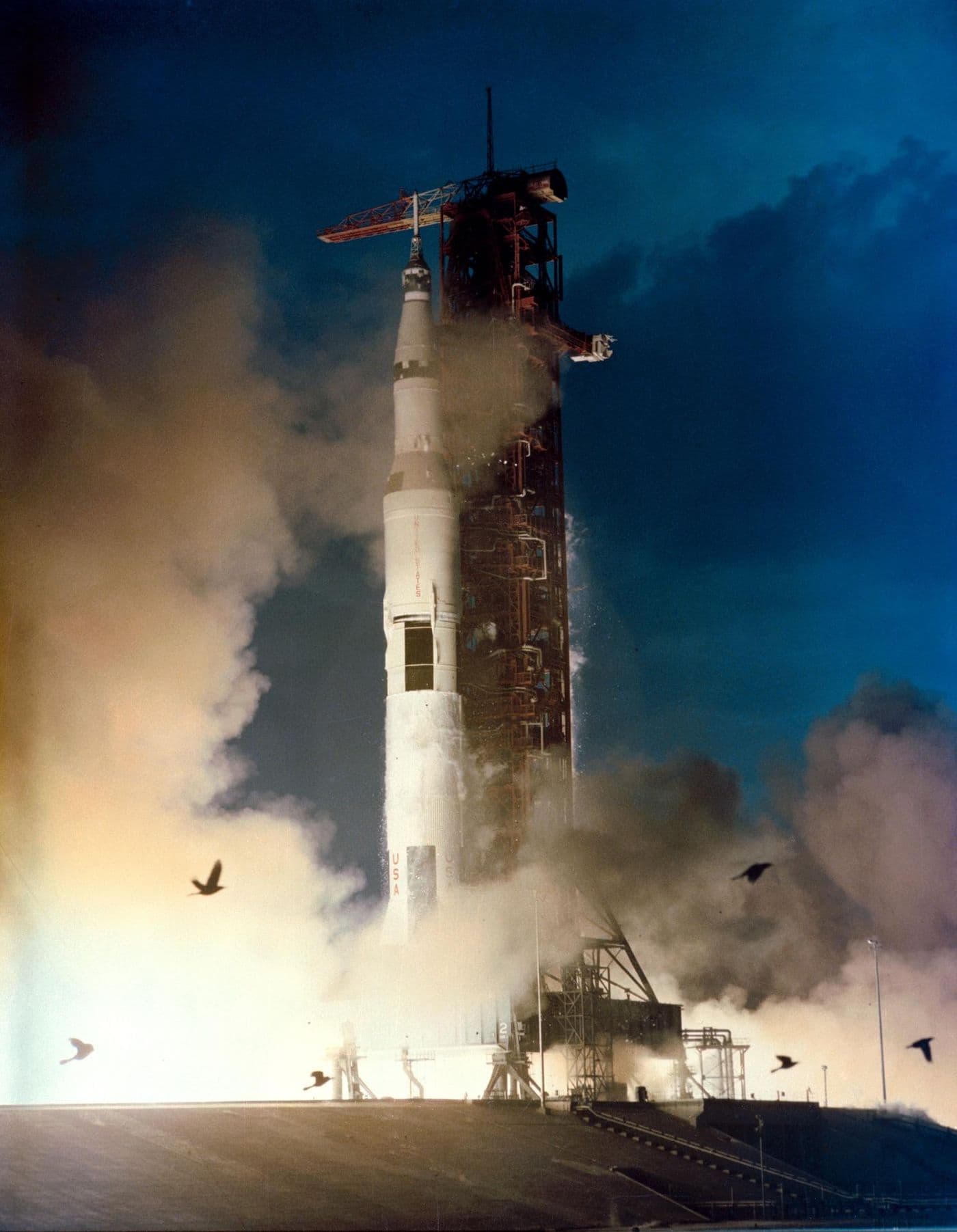
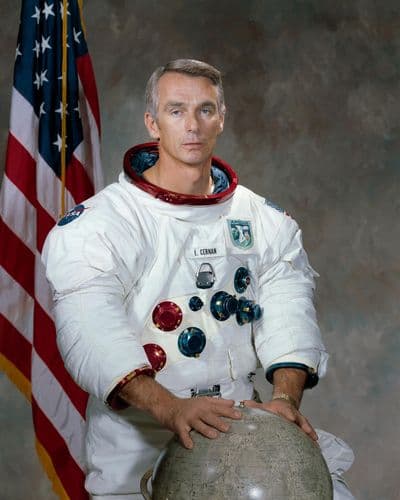
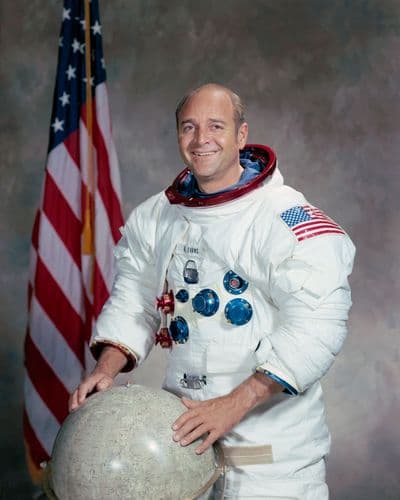
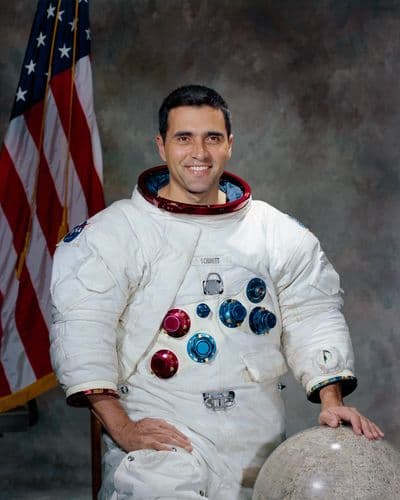
Apollo 17 was the eleventh and final crewed mission of NASA's Apollo program, and remains, to date, the most recent time humans have walked on the Moon. Launched on 7 December 1972 — the only night launch of a Saturn V rocket — the mission carried Commander Eugene Cernan, Command Module Pilot Ronald Evans, and Lunar Module Pilot Harrison Schmitt, a professional geologist and the first scientist to fly to the Moon.
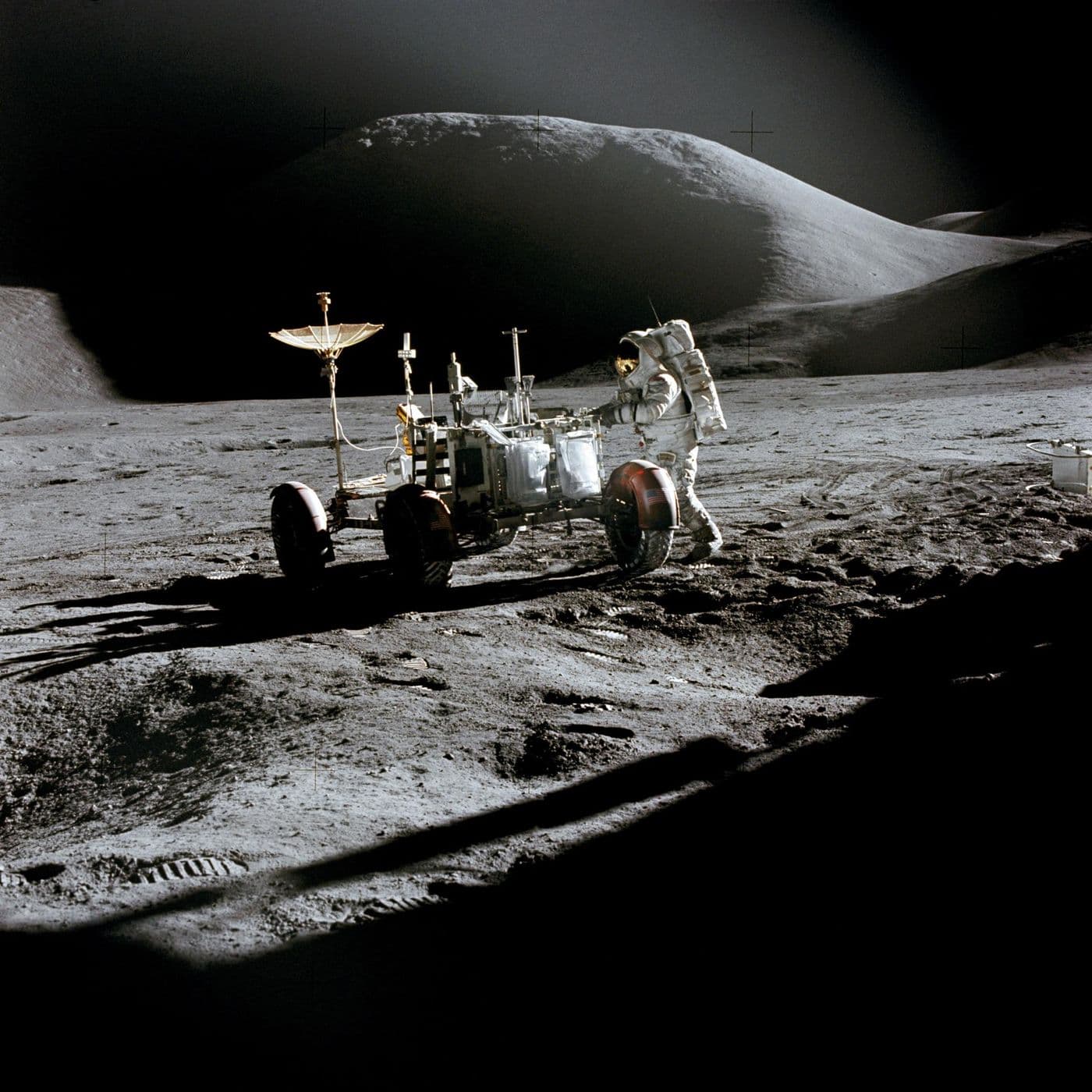
Cernan and Schmitt landed the lunar module Challenger in the Taurus-Littrow valley on 11 December 1972, where they spent just over three days on the surface, conducting three moonwalks and driving the mission's Lunar Roving Vehicle a record distance while Evans orbited alone aboard the command module America. The crew returned to Earth with the largest haul of lunar samples of any Apollo mission, splashing down in the Pacific Ocean on 19 December 1972.
Crew
Mission timeline
Select a phase to read what happened. Every chapter has its own detailed page.
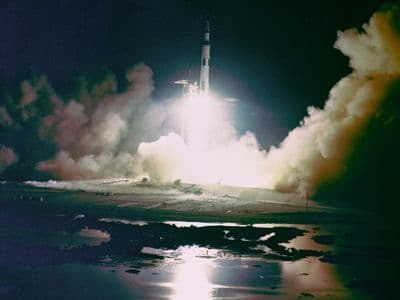
Launch
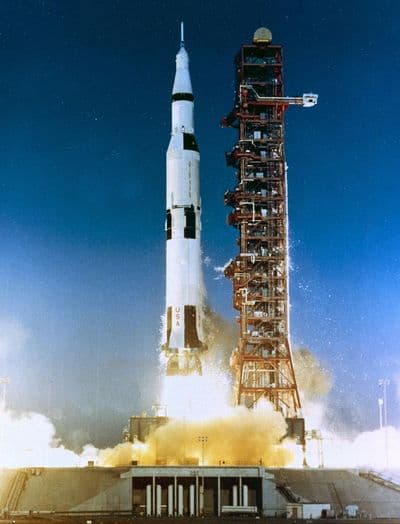
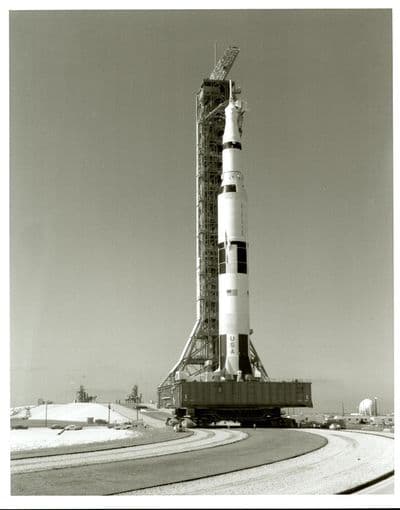
Apollo 17 lifts off from Kennedy Space Center's Launch Complex 39A at 12:33 a.m. EST — the only night launch of a Saturn V rocket, visible hundreds of kilometers away.
Read the chapter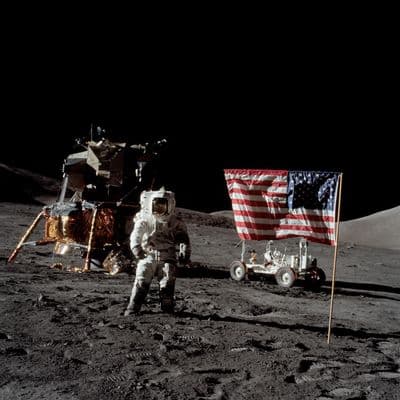
Lunar Landing
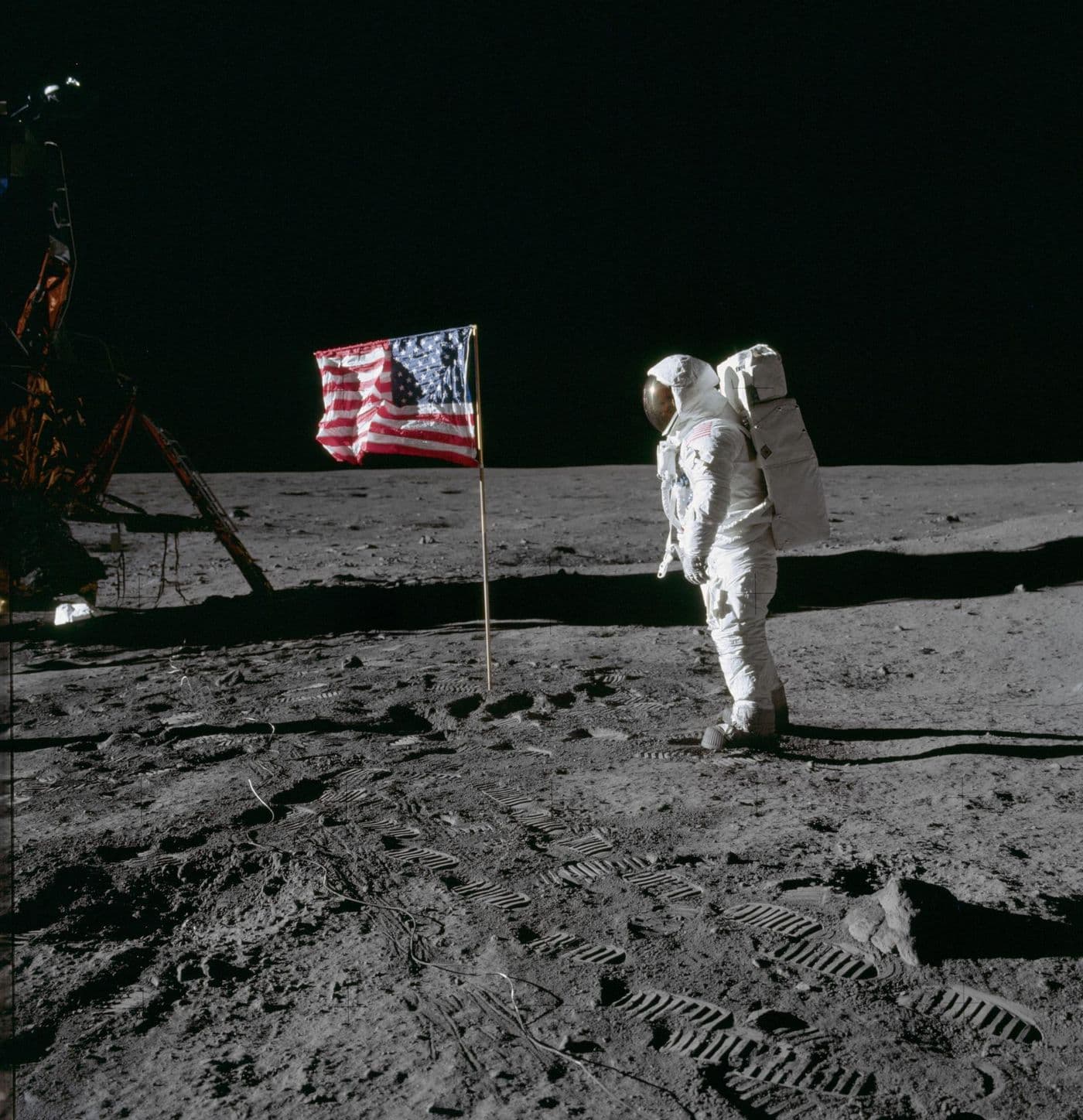
The lunar module Challenger, carrying Cernan and Schmitt, touches down in the Taurus-Littrow valley, a site chosen for its combination of highland and volcanic geology.
Read the chapter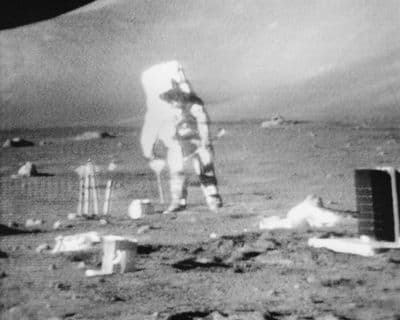
First Moonwalk
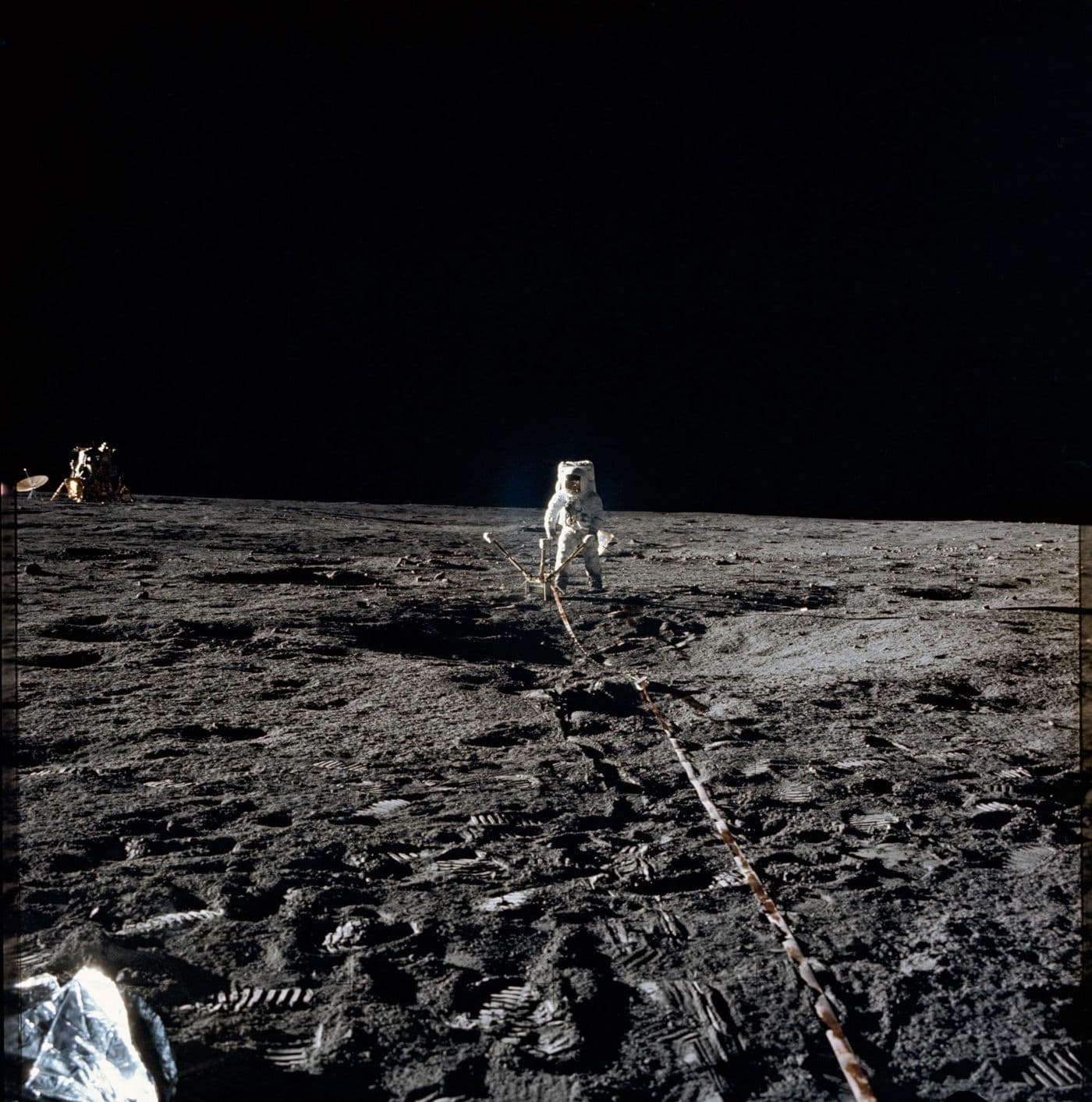
Cernan and Schmitt begin the first of three moonwalks, deploying the ALSEP science station and unloading the Lunar Roving Vehicle.
Read the chapter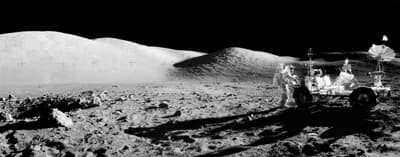
Geology Traverses
Over the second and third moonwalks, the crew drives the rover across the valley on long geology traverses, collecting the largest sample haul of the Apollo program.
Read the chapter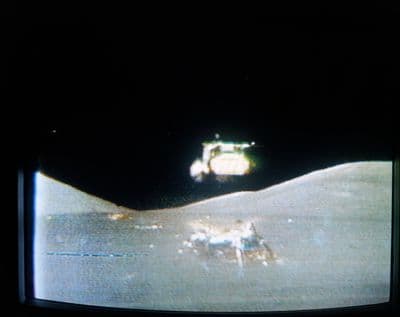
Departure from the Moon
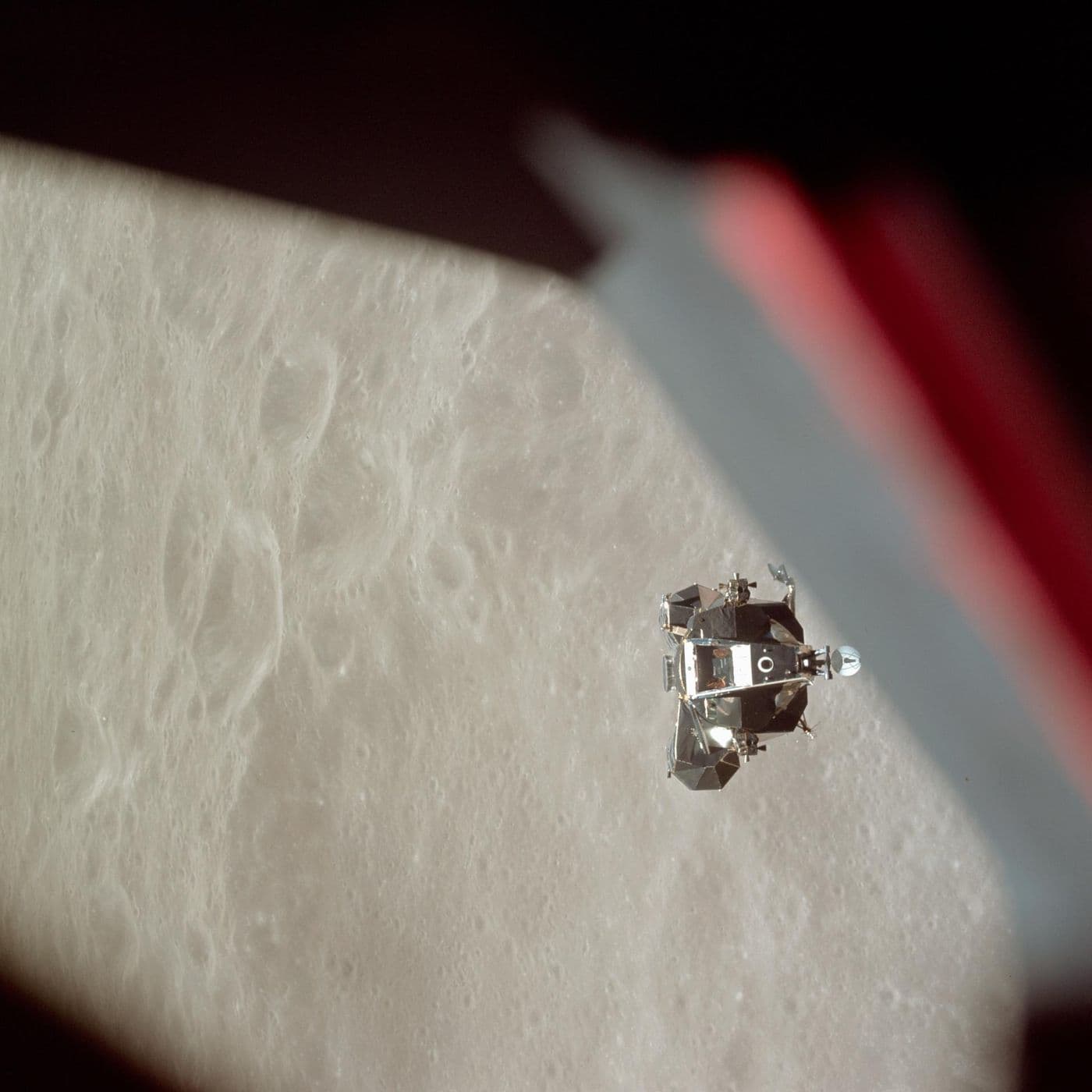
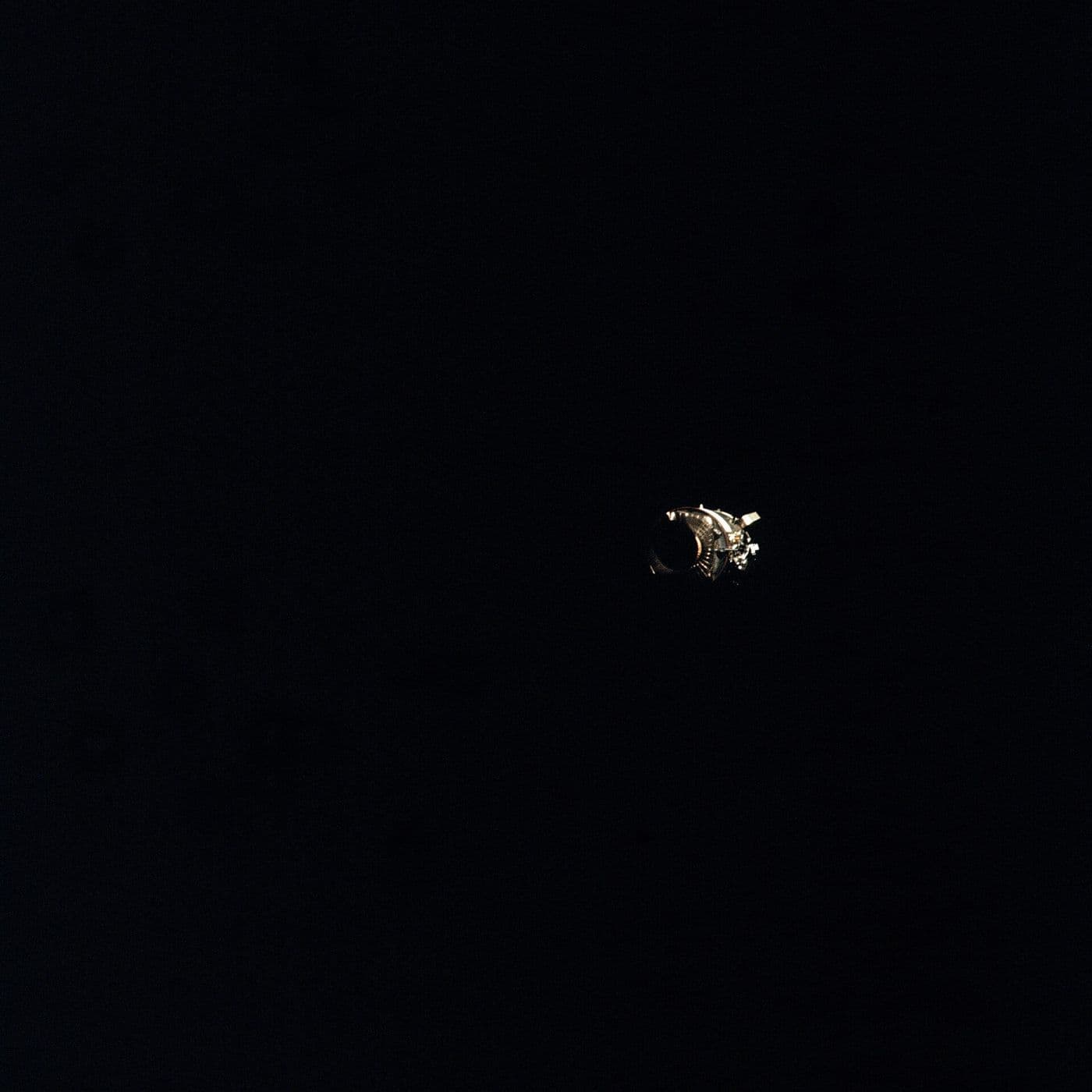
Challenger's ascent stage lifts off from Taurus-Littrow to rejoin Evans in lunar orbit; Cernan, the last to climb the ladder, closes the final chapter of crewed lunar exploration for a generation.
Read the chapter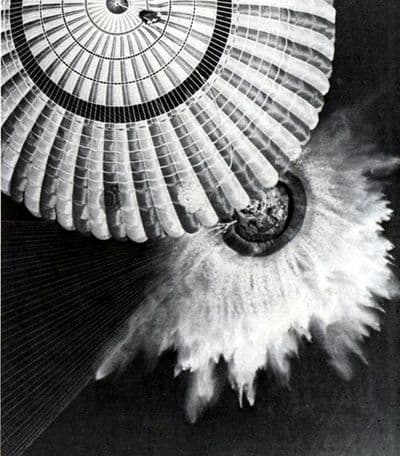
Splashdown
After a smooth return trip, the command module America splashes down in the Pacific Ocean, concluding the Apollo program's final mission.
Read the chapterMission by the numbers
- Mission duration
- 12 dní, 13 hodin, 51 minut
- Longest rover traverse (record)
- ~ 35,9 km
- Samples collected (program record)
- ~ 110,5 kg
- Total EVA time
- ~ 22 hodin
Notable facts
- Apollo 17 was the only night launch of a Saturn V rocket in the program's history.
- Harrison Schmitt was the only professional scientist (a geologist) to walk on the Moon during the Apollo program.
- Gene Cernan remains, to date, the last person to have walked on the Moon.
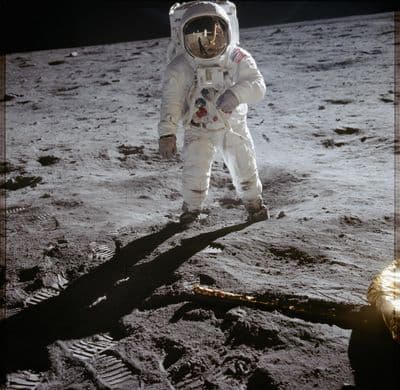
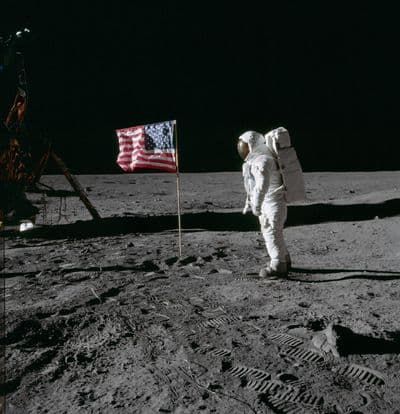
Mission hardware
Follow us
Follow us on social media
New plates, trivia and behind-the-scenes updates as soon as they are ready.
Eyewitness account
“As we leave the Moon at Taurus-Littrow, we leave as we came and, God willing, as we shall return, with peace and hope for all mankind.”
Course of the mission
Night launch from Kennedy Space Center.
Gallery
Article on the timeline
Cernan and Schmitt landed in the Taurus-Littrow valley — still the most recent crewed Moon landing.
Open the entry →Sources & further reading
- NASA: Apollo 17 Mission Report, MSC-07904, 1973 — primary source for mission data.
- Apollo Lunar Surface Journal — transcripts of air-to-ground communication and mission chronology.
- NASA Image and Video Library (images.nasa.gov) — photographs and footage, public domain.
- Wikipedia: Apollo 17 — initial article structure, CC-BY-SA 4.0.
- NASA NSSDCA Master Catalog — technical parameters of the Saturn V and spacecraft.
- Cernan, E. & Davis, D.: The Last Man on the Moon, 1999 - the commander's own account.
Spaceflightpedia. (n.d.). Apollo 17. Retrieved 9 October 2026, from https://spaceflightpedia.com/article/apollo-17
article text — CC-BY-SA · ◉ NASA photography — public domain · ✦ AI illustration — marked, generated from sources