- Date
- since 1971
- Agency
- SpaceX
- Body
- The Moon
- Launcher
- Falcon 9
- Mission
- Crew Dragon Demo-1
#SpaceX#Elon Musk#Commercial spaceflight
- 01An entrepreneur in space transportation
- 02From software businesses to rockets
- 03Falcon and Dragon: development with NASA
- 04Reusability as a design strategy
- 05Crew Dragon and human spaceflight
- 06Starship, ambitions and demonstrated results
- 07Milestones
- 08Did you know?
- 09Related articles
- 10Sources
- 11Connections
An entrepreneur in space transportation
Elon Musk (born 28 June 1971 in Pretoria, South Africa) is an entrepreneur associated with the development of commercial space transportation. He founded Space Exploration Technologies, SpaceX, in 2002. The company's stated long-term aim was to lower the cost of access to space and enable human settlement beyond Earth. That aim is a development objective, rather than an accomplished capability. [1, 3]
From software businesses to rockets
Musk moved from South Africa to Canada and later studied physics and economics at the University of Pennsylvania. His early business career included Zip2 and the online payments business that became PayPal. These ventures provided resources for subsequent projects, including SpaceX. [2]
At SpaceX, Musk took executive and technical leadership roles; NASA identified him as the company's chief engineer during Commercial Crew activities. His role combined decisions about the company's direction with participation in engineering development. The rockets and spacecraft themselves were the work of teams of designers, technicians, test specialists and operators. [3, 4]
Falcon and Dragon: development with NASA
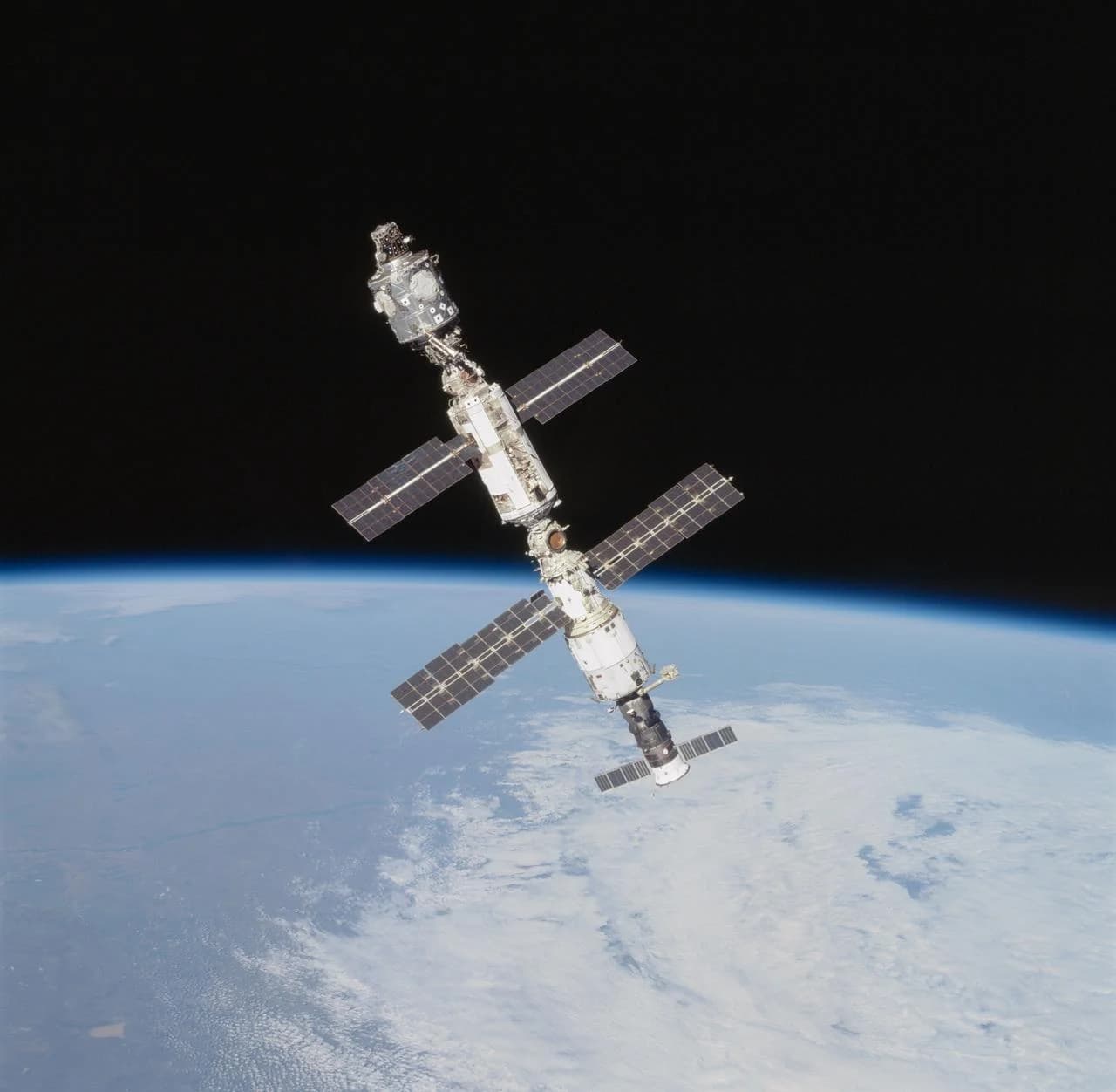
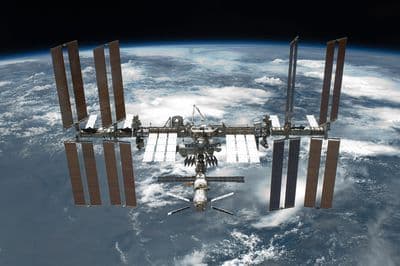
SpaceX developed the small Falcon 1 launcher before moving to Falcon 9 and Dragon. NASA's Commercial Orbital Transportation Services program, COTS, supported the demonstration of commercial cargo transportation to the International Space Station through milestone-based agreements. This partnership involved government funding and technical expertise alongside private development. [3, 5]
Dragon completed an orbital demonstration and recovery in December 2010 and reached the ISS on a demonstration mission in May 2012. The contracted CRS-1 supply mission launched in October 2012. These were separate steps: demonstrating the system, testing station operations and beginning a cargo service. [5, 6]
Reusability as a design strategy
SpaceX pursued the recovery of Falcon 9 first stages so that substantial flight hardware could be used again. On 21 December 2015 a Falcon 9 first stage landed at Landing Zone 1 after launch. Recovery involved a controlled descent and engine burns; it did not mean that the entire two-stage launcher returned intact. [7]
The distinction matters when describing Musk's technical agenda. Reusing a first stage addresses one part of launch operations, while inspection, refurbishment, upper-stage production and flight reliability remain part of the overall system. Falcon Heavy extended the Falcon family using three first-stage cores. [3, 7]
Crew Dragon and human spaceflight
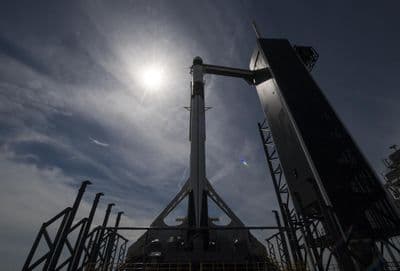
On 30 May 2020, Falcon 9 launched Crew Dragon on Demo-2 with NASA astronauts Robert Behnken and Douglas Hurley. The flight tested an integrated crew transportation system, including launch, rendezvous, station operations and return. The astronauts splashed down on 2 August 2020. [8, 9]
The mission illustrates the relationship between SpaceX and NASA: a company developed and operated its transportation system within a NASA program with agency requirements and oversight. Musk's public role was prominent, but the result depended on both organizations and their flight teams. [4, 8]
Follow us
Follow us on social media
New plates, trivia and behind-the-scenes updates as soon as they are ready.
Starship, ambitions and demonstrated results
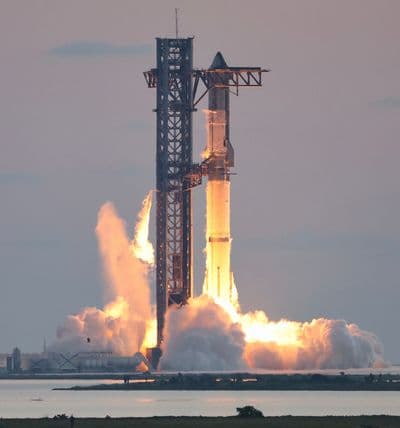
Starship represents a different development effort from Falcon 9 and Dragon. NASA contracted SpaceX to develop a Starship-based Human Landing System for journeys between lunar orbit and the Moon's surface. Its architecture includes rendezvous and the transfer of cryogenic propellants in space, adding requirements beyond a launch demonstration. [10, 11]
Musk's importance to spaceflight lies in helping establish a company that moved from launcher development into cargo and crew transportation, while pursuing more extensive reuse. Proposed settlements on Mars and announced future schedules must be distinguished from demonstrated missions. Assessing that record requires the results of tests, operational flights and independent oversight, as well as the company's plans. [3, 8, 11]
Milestones
- SpaceX founded
- 2002
- Dragon at the ISS
- 2012
- Crewed Demo-2 flight
- 2020
Did you know?
- SpaceX was founded in 2002; its NASA-supported cargo demonstrations preceded the operational resupply service. [3, 5, 6]
- Falcon 9 first-stage recovery and Dragon capsule recovery are different operations involving different vehicles. [5, 7]
- Demo-2 carried Robert Behnken and Douglas Hurley; Musk was not a member of its flight crew. [8]
Related articles

Sources & further reading
- EBSCO — Elon Musk: Biography. Accessed 12 October 2026.
- University of Pennsylvania / Wharton — Musk's education and early businesses. Accessed 12 October 2026.
- SpaceX / NASA — COTS 2 Mission Press Kit (2012). Accessed 12 October 2026.
- NASA — Demo-2 launch: A Great Day for America. Accessed 12 October 2026.
- NASA — Commercial Orbital Transportation Services: A New Era in Spaceflight (2014). Accessed 12 October 2026.
- NASA — First Contracted SpaceX Resupply Mission (2012). Accessed 12 October 2026.
- NASA Kennedy — 2020 Vision Plan, historic milestones. Accessed 12 October 2026.
- NASA — Demo-2 launch, 30 May 2020. Accessed 12 October 2026.
- NASA — Demo-2 splashdown, 2 August 2020. Accessed 12 October 2026.
- NASA — Human Landing Systems. Accessed 12 October 2026.
- NASA OIG — Management of the Human Landing System Contracts, IG-26-004 (2026). Accessed 12 October 2026.
Spaceflightpedia. (n.d.). Elon Musk. Retrieved 12 October 2026, from https://spaceflightpedia.com/article/elon-musk
article text — CC-BY-SA · ◉ NASA photography — public domain · ✦ AI illustration — marked, generated from sources