- Date
- since 1998
- Launcher
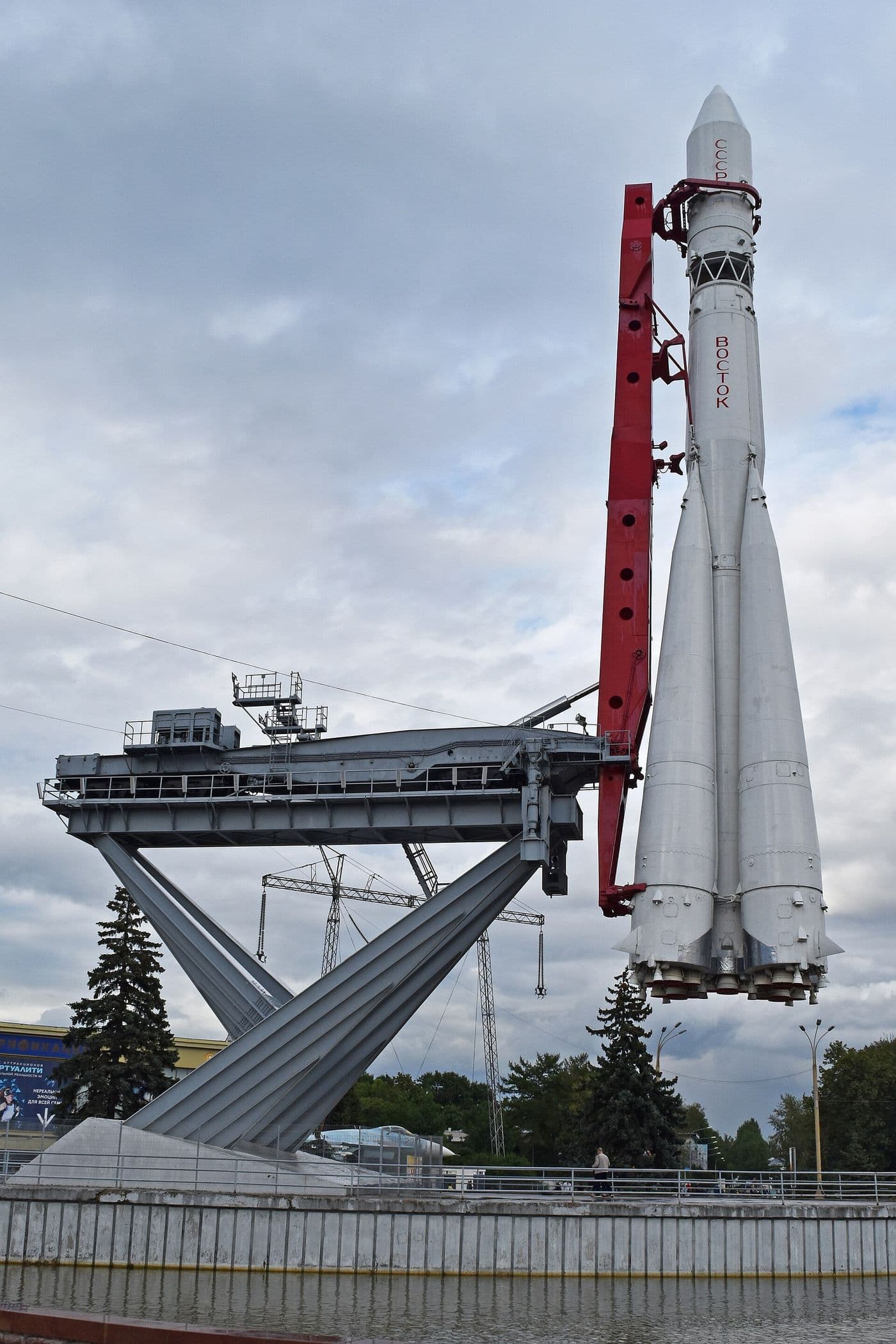
- Soyuz
- Mission
- International Space Station (ISS)
#ISS#mezinárodní spolupráce#trvalé osídlení
The International Space Station (ISS) is a complex in low Earth orbit that has been under construction since November 1998, operated jointly by the American NASA, the Russian Roscosmos, the European ESA, the Japanese JAXA, and the Canadian CSA. It arose from the merger of previously separate national projects after the end of the Cold War.
Since 2 November 2000, when the first permanent crew (Expedition 1) arrived, the station has been continuously inhabited — the longest uninterrupted human presence in space in history. It serves as a laboratory for microgravity research and as a testbed for future long-duration flights beyond Earth orbit.
Výstavba a provoz stanice
Select a phase to read what happened. Every chapter has its own detailed page.
Birth of an International Project
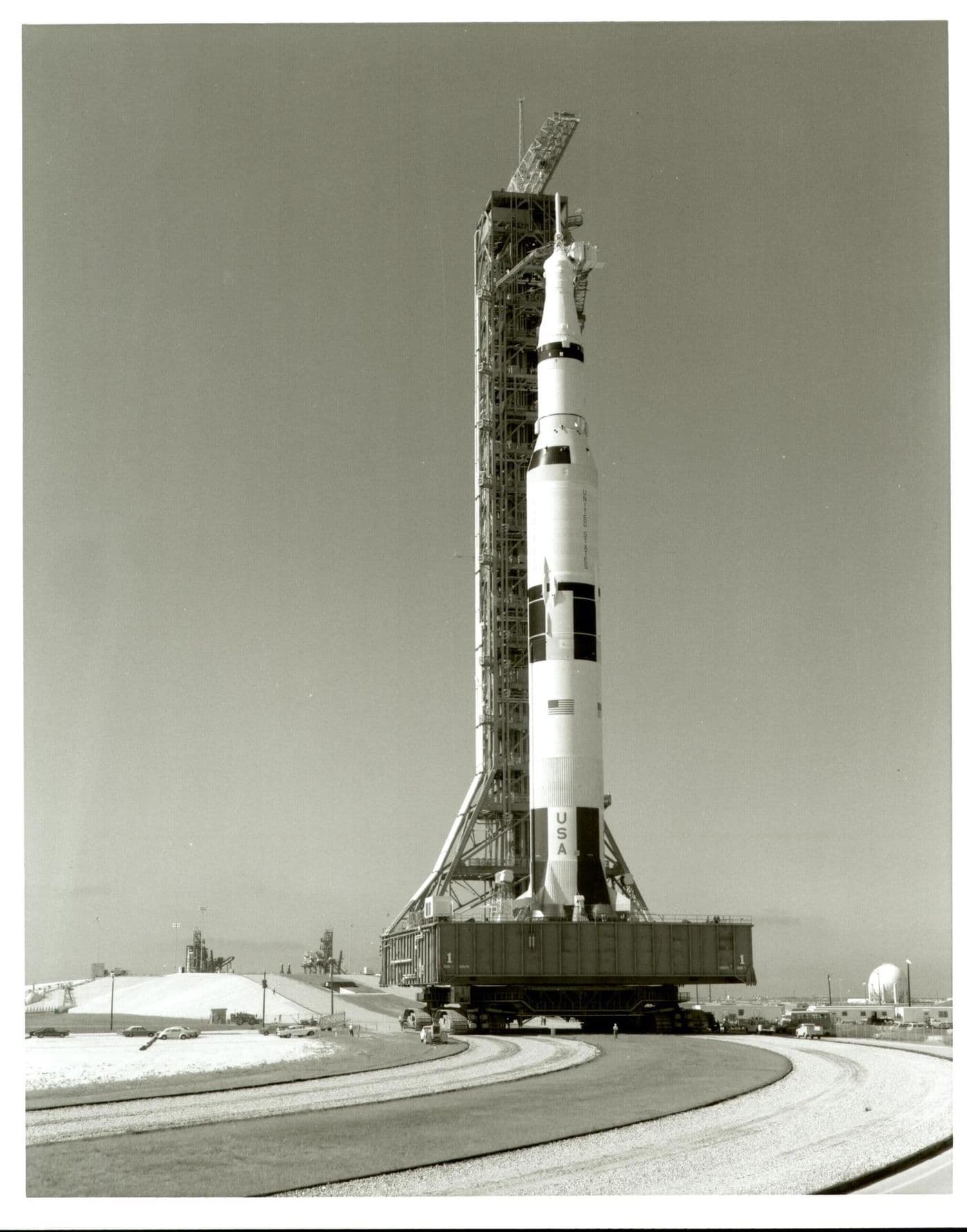
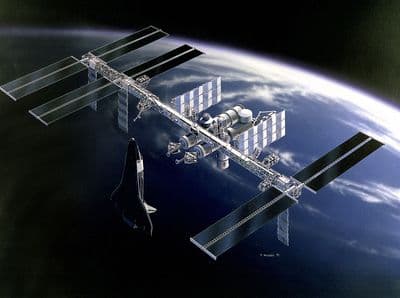
In 1984, US President Ronald Reagan announced the construction of America's own space station, Freedom. After the end of the Cold War, however, the separate American, European, Japanese and planned Russian projects merged into a single programme — the International Space Station.
Read the chapter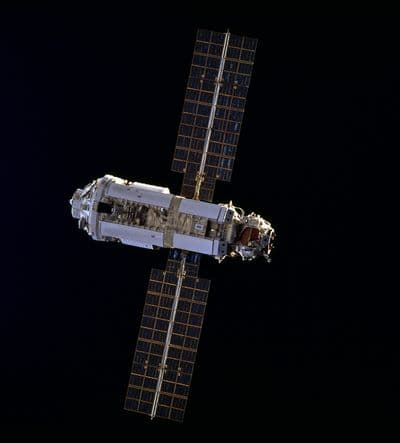
First Modules in Orbit
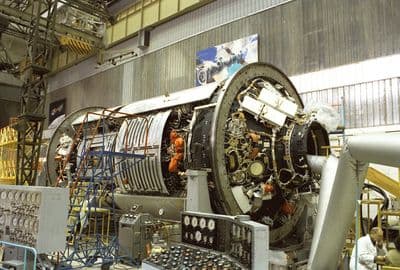
On 20 November 1998, a Russian Proton launch vehicle carried the station's first module into orbit — Zarya, funded by the United States but built in Russia. Two weeks later, the Space Shuttle Endeavour (mission STS-88) attached the American connecting node Unity to it.
Read the chapterPermanent Habitation
In July 2000, the station was joined by the Russian service module Zvezda, with living quarters and systems for long-duration crew stays. This opened the way for the first permanent crew.
Read the chapterCompleting the Station
Over the following decade, Space Shuttles and Russian launch vehicles added scientific laboratories, a truss structure with solar arrays and a robotic arm to the station. Major construction ended in 2011 with the final Space Shuttle flights.
Read the chapterThe Present Day and Planned Deorbit
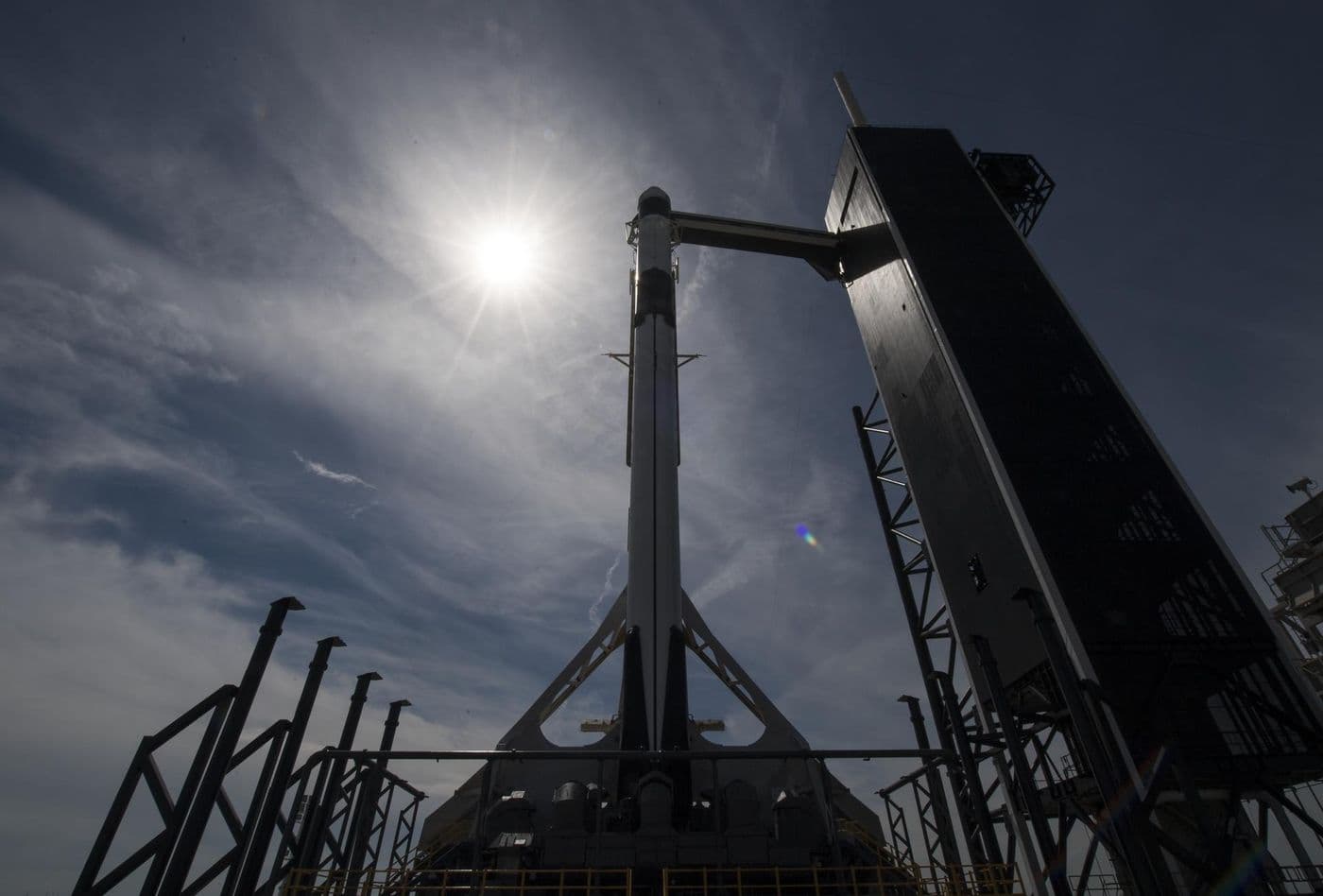
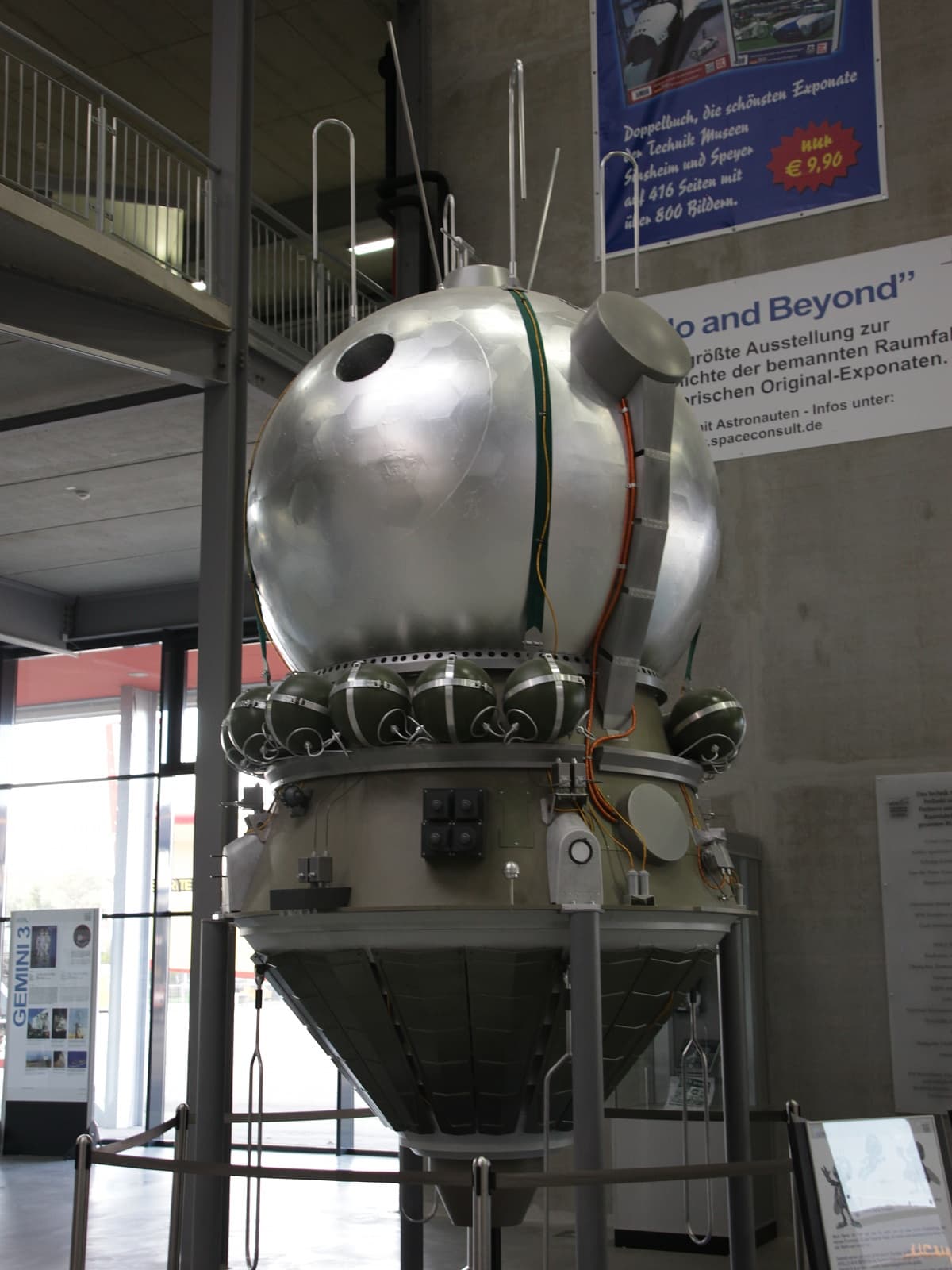
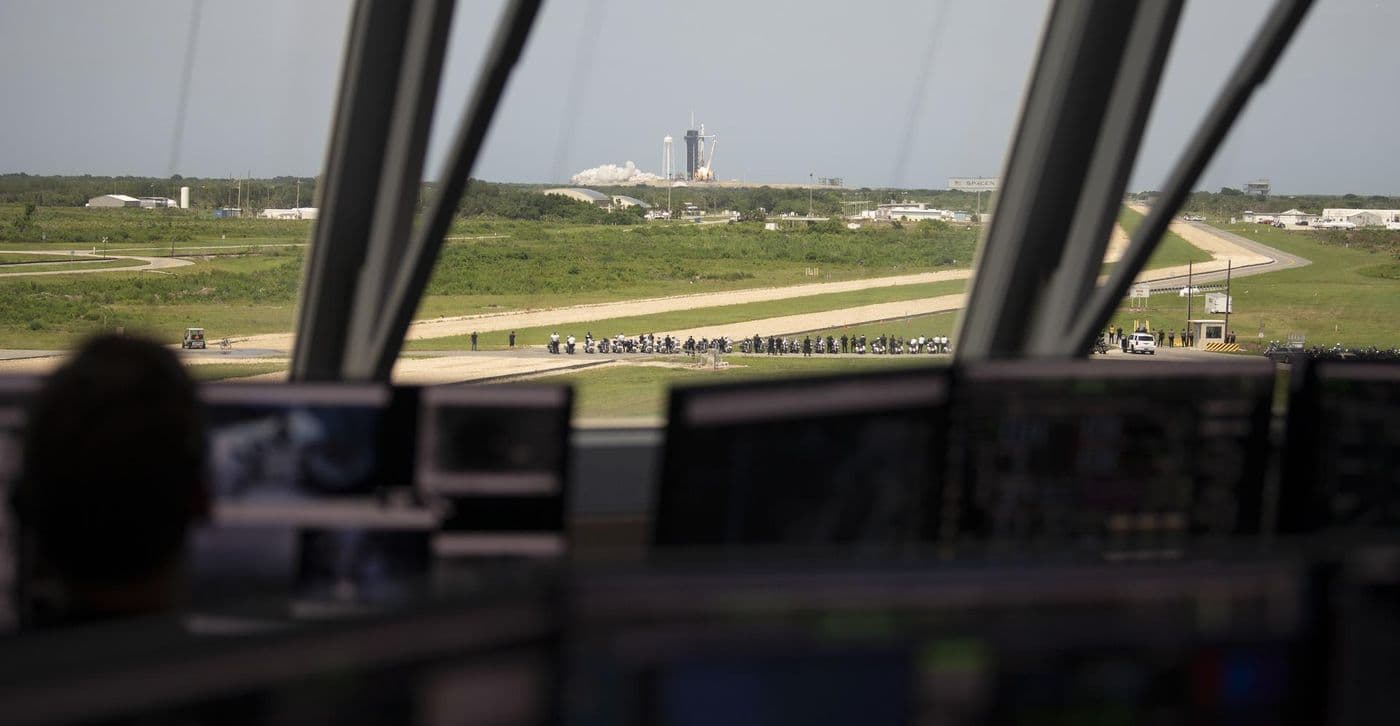
After the end of the Space Shuttle, crew transport was provided for nearly a decade exclusively by Russian Soyuz spacecraft, until private American vehicles joined them from 2020 under the Commercial Crew programme.
Read the chapterStavba stanice · 1998–2010
ISS v číslech
- Hmotnost
- ~420 000kg
- Obytný objem
- 388m³
- Rozpětí solárních panelů
- 109m
- Výška oběžné dráhy
- ~400km
- Oběžná doba
- ~93min
- Rychlost na oběžné dráze
- ~27 600km/h
Zajímavosti
- ISS je největší lidmi vytvořená struktura na oběžné dráze Země, poskládaná z modulů dodaných raketoplány i ruskými nosiči Proton a Sojuz.
- Na stavbě a provozu spolupracuje pět vesmírných agentur: NASA (USA), Roskosmos (Rusko), ESA (Evropa), JAXA (Japonsko) a CSA (Kanada).
- Od 2. listopadu 2000 je stanice nepřetržitě obydlena — jde o nejdelší souvislou lidskou přítomnost ve vesmíru v historii.
- Za jeden pozemský den oběhne ISS Zemi přibližně patnáctkrát a půl.
Follow us
Follow us on social media
New plates, trivia and behind-the-scenes updates as soon as they are ready.
Klíčové milníky
Ruský nosič Proton vynáší první modul stanice.
Gallery
Související hesla
Related articles
Article on the timeline
The Dragon cargo ship (COTS 2+/Dragon C2+ mission) became the first privately developed spacecraft in history to dock with the International Space Station.
Open the entry →Sources & further reading
- NASA: International Space Station — oficiální stránka programu.
- NSSDCA Master Catalog (NASA) — záznam modulu Zarja, prvního modulu ISS.
- Wikipedia: Mezinárodní vesmírná stanice — výchozí struktura hesla, CC-BY-SA 4.0.
Spaceflightpedia. (n.d.). International Space Station (ISS). Retrieved 9 October 2026, from https://spaceflightpedia.com/article/iss
article text — CC-BY-SA · ◉ NASA photography — public domain · ✦ AI illustration — marked, generated from sources