#explainer
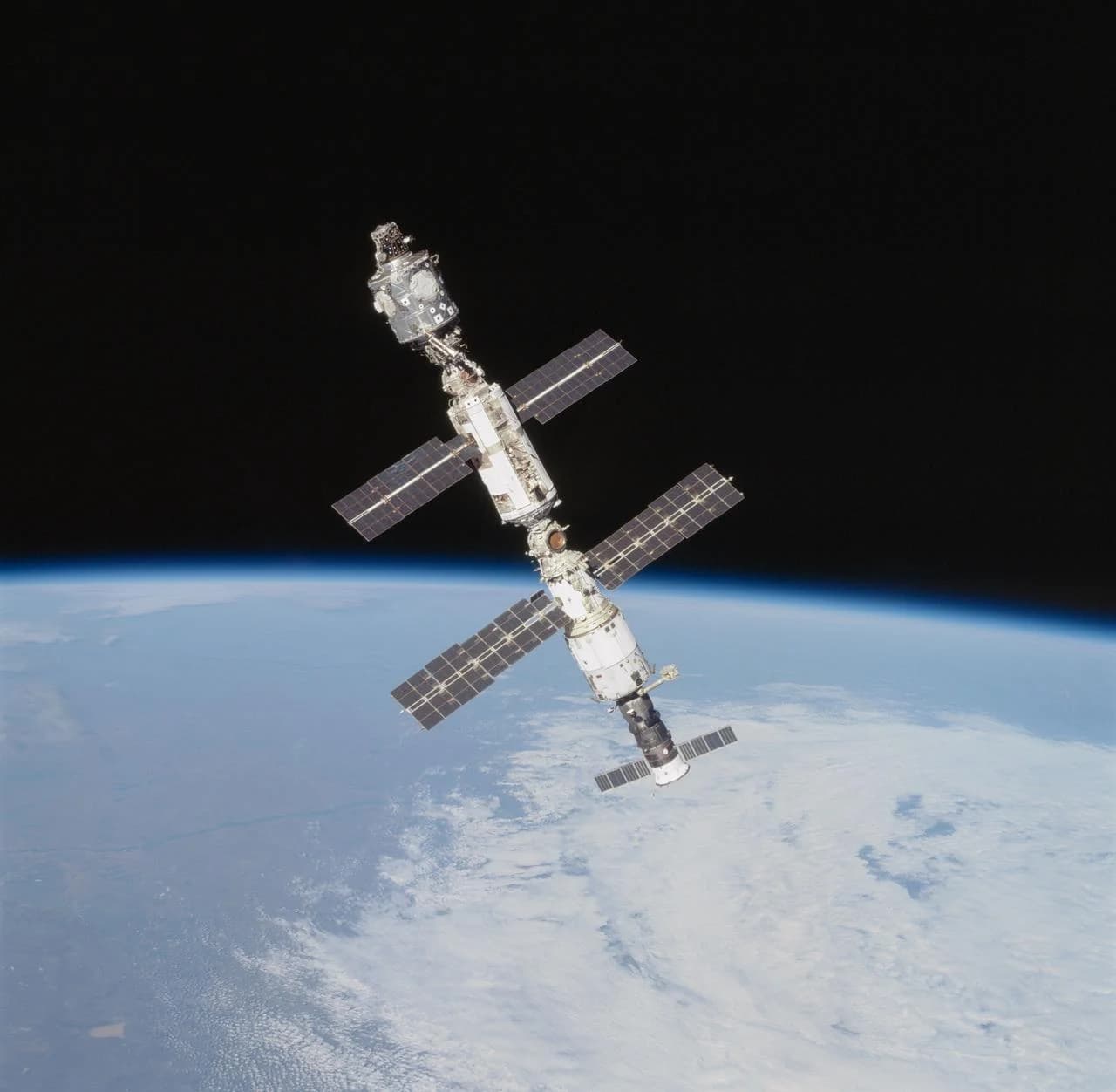
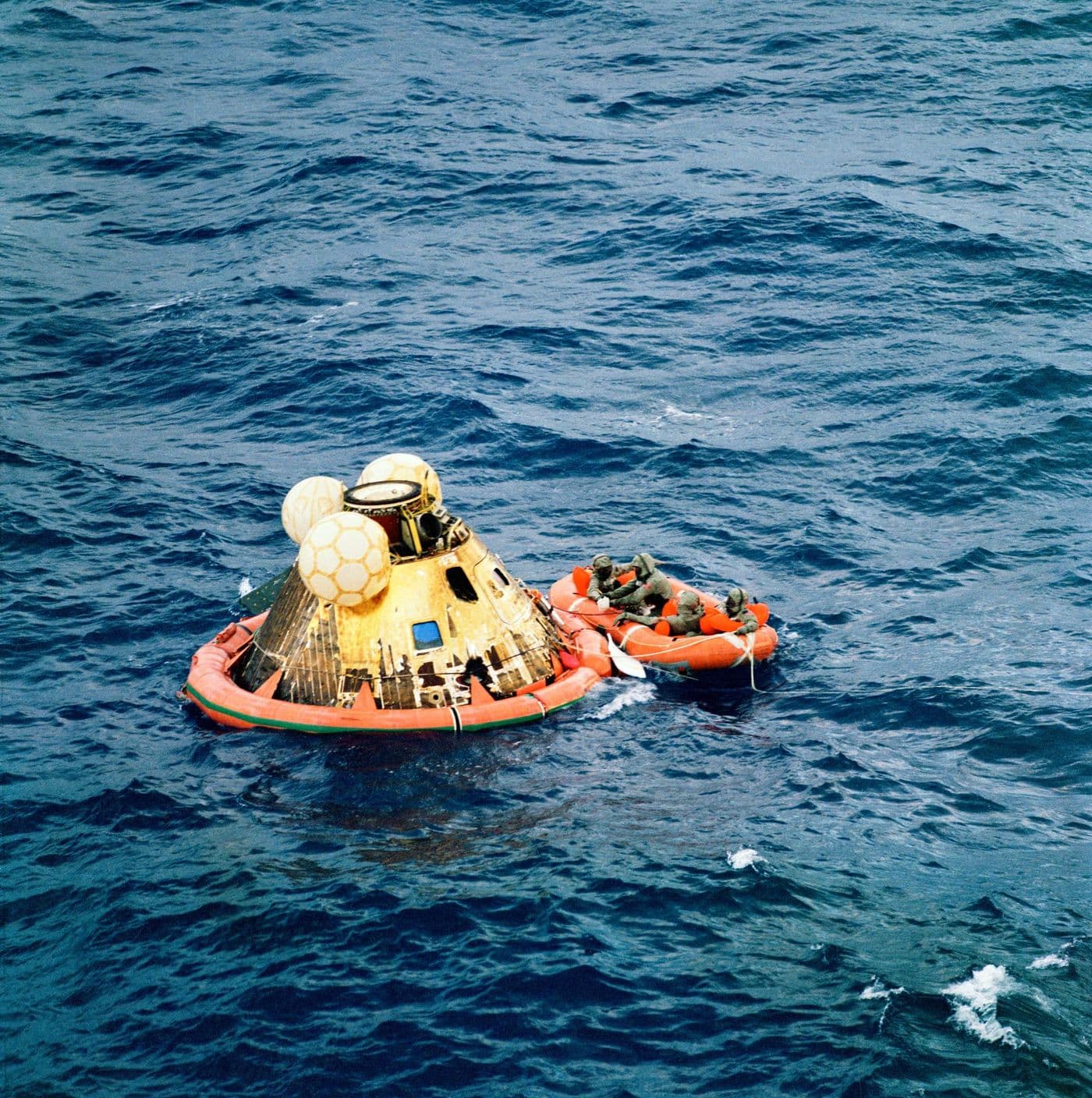
The crew must determine the leak rate and protect habitable space according to emergency procedures. Closing hatches can isolate a leaking section. In a serious emergency, docked return spacecraft provide shelter and a means of departure.
A slow leak differs from a sudden breach
A small leak may allow time for measurements and leak detection. A major wall failure can require immediate relocation. Sensors monitor pressure, and the crew works with mission control teams. The response depends on the damage location and available safe compartments.
Why suits are not worn all day
Living modules normally contain a pressurized atmosphere. Continuously wearing EVA suits would severely restrict work and consume suit resources. Safety therefore relies on station construction, monitoring, isolatable compartments and emergency training. Adding replacement gas helps only if the leak rate allows it.
Why modular compartments help
Closable hatches can preserve pressure in part of the station if the damaged area can be isolated. That depends on leak location and where people are. Closing a hatch also blocks passage, so an emergency response must protect the crew's route to safety rather than focus solely on locating the technical fault.
Follow us
Follow us on social media
New plates, trivia and behind-the-scenes updates as soon as they are ready.
Key points
- A small leak may allow time for measurements and leak detection.
- Living modules normally contain a pressurized atmosphere.
- Closable hatches can preserve pressure in part of the station if the damaged area can be isolated.
Sources & further reading
- Station operations, emergency procedures and depressurization response.
- Oxygen generation, water treatment and ISS atmosphere control.
- Hygiene systems, ventilation and spacecraft habitability.
Spaceflightpedia. (n.d.). What happens if the ISS loses pressure?. Retrieved 17 October 2026, from https://spaceflightpedia.com/article/iss-pressure-loss
article text — CC-BY-SA · ◉ NASA photography — public domain · ✦ AI illustration — marked, generated from sources
More questions on this topic
- How does the ISS work?
- Where do ISS astronauts get oxygen and water?
- How do astronauts use the toilet in space?
- How do astronauts sleep in space?