#kosmické stanice#LEO#ISS
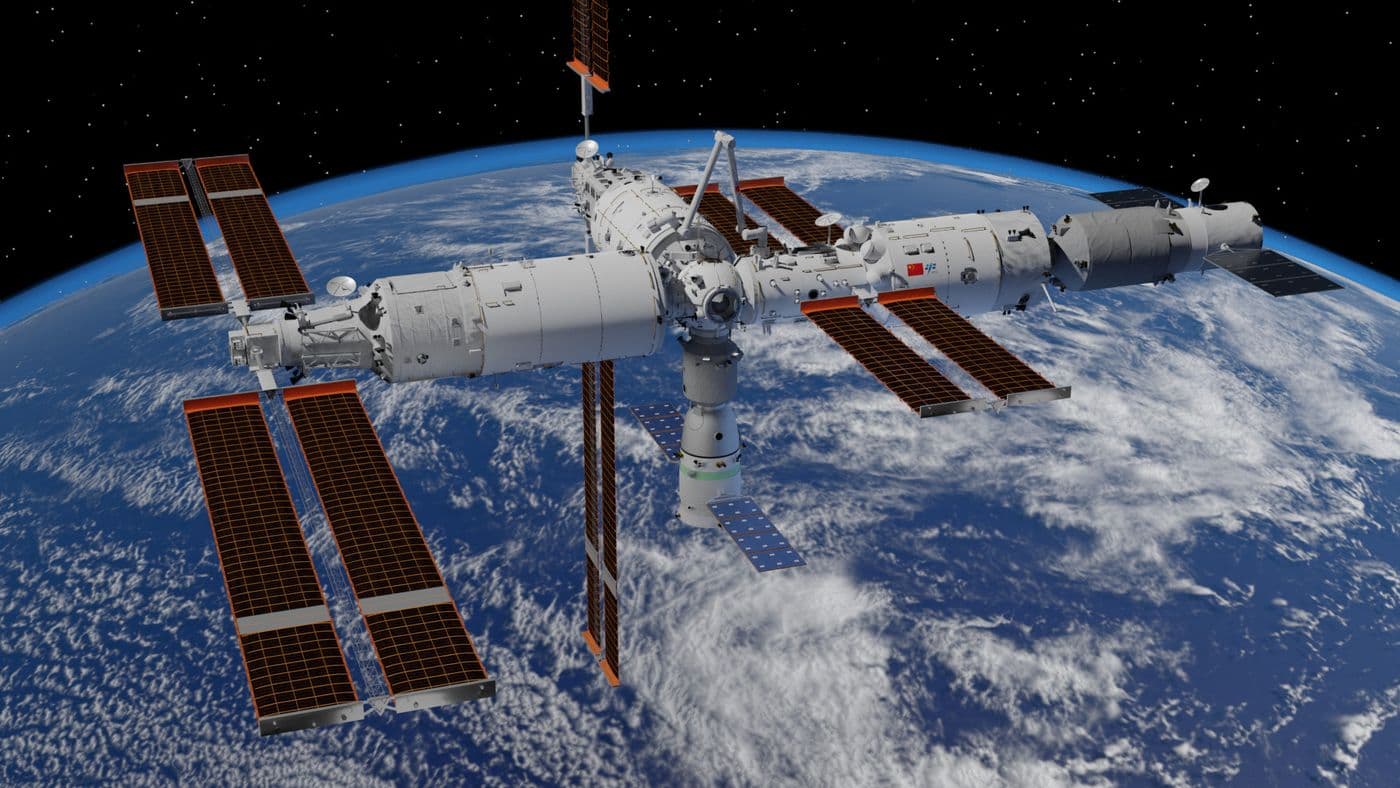
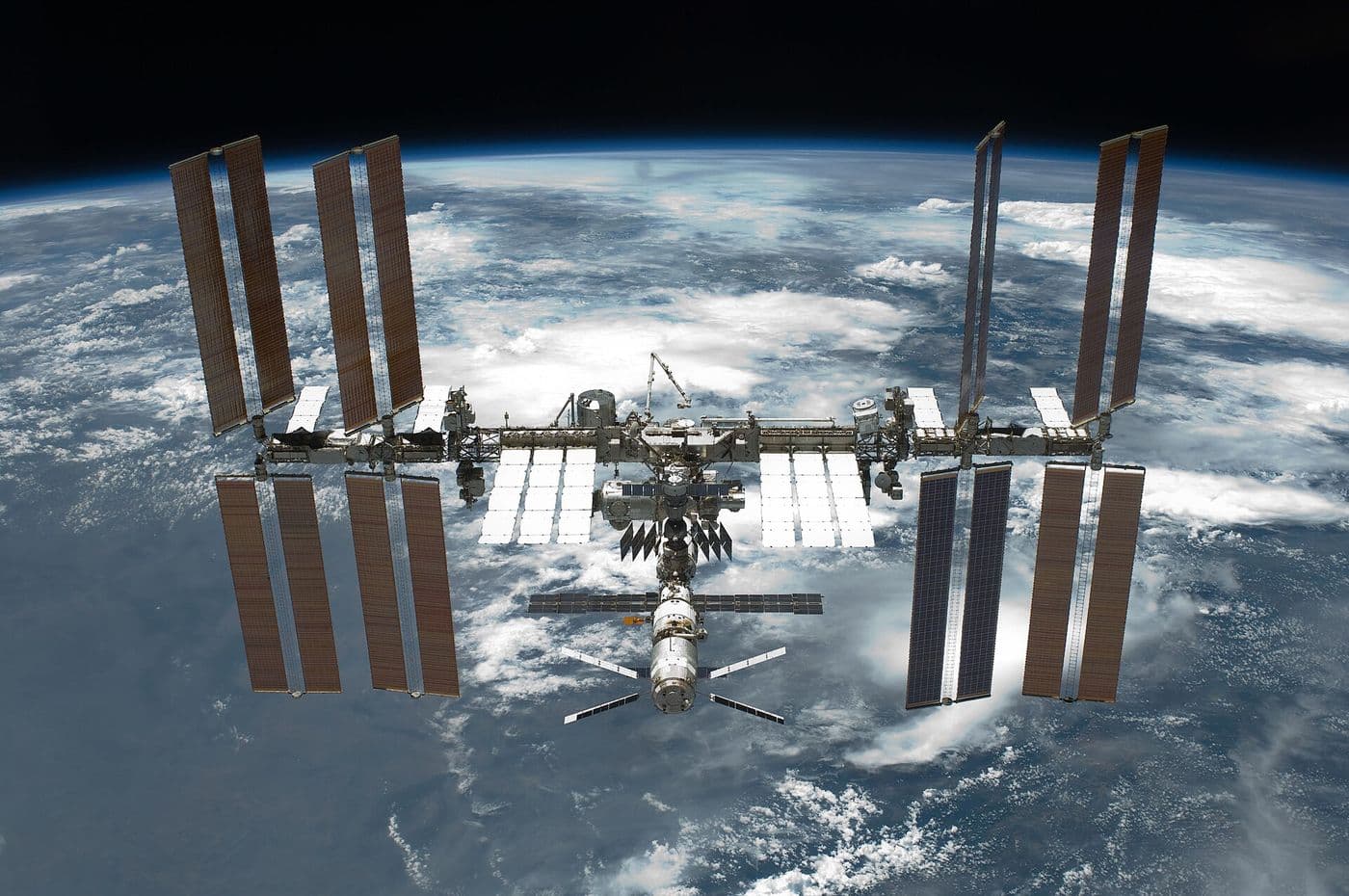
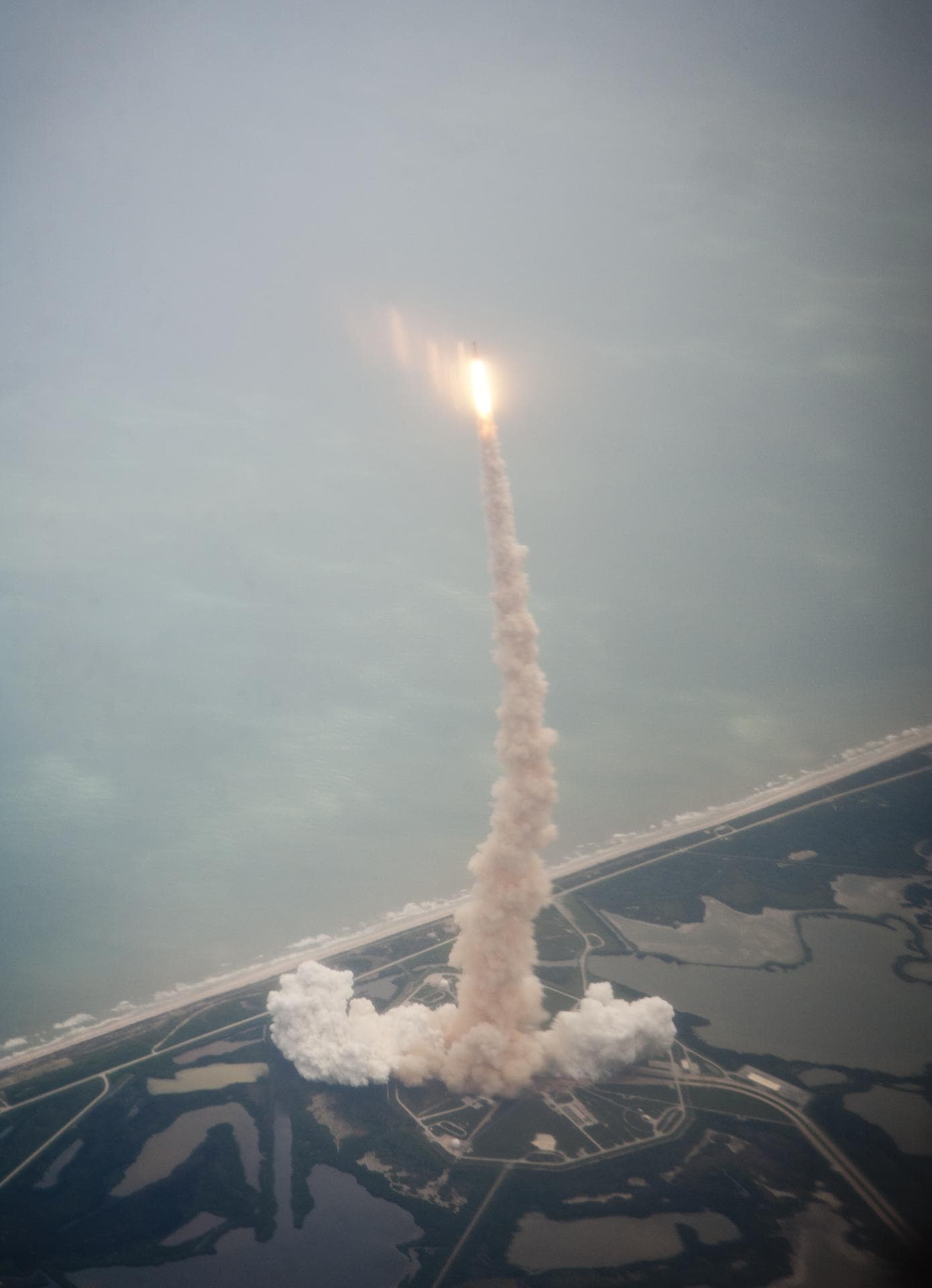
A space station provides a crew with living and working space for months or years. Unlike a short mission, its modules, supplies, and instruments arrive gradually; a station therefore requires regular spacecraft operations, maintenance, and careful planning of power and life-support systems.
From Salyut and Skylab through Mir to the ISS, stations have extended the time people work in microgravity. They are also technical schools: they study long-flight effects on the body, test water and air recycling, and develop procedures for journeys farther from Earth.
Key facts
- The first station, Salyut 1, launched in 1971.
- The ISS is an international project assembled module by module in orbit.
- Stations make it possible to study long-duration human life in microgravity.
Sources & further reading
Spaceflightpedia. (n.d.). Space Stations. Retrieved 9 October 2026, from https://spaceflightpedia.com/article/kosmicke-stanice
article text — CC-BY-SA · ◉ NASA photography — public domain · ✦ AI illustration — marked, generated from sources