#explainer
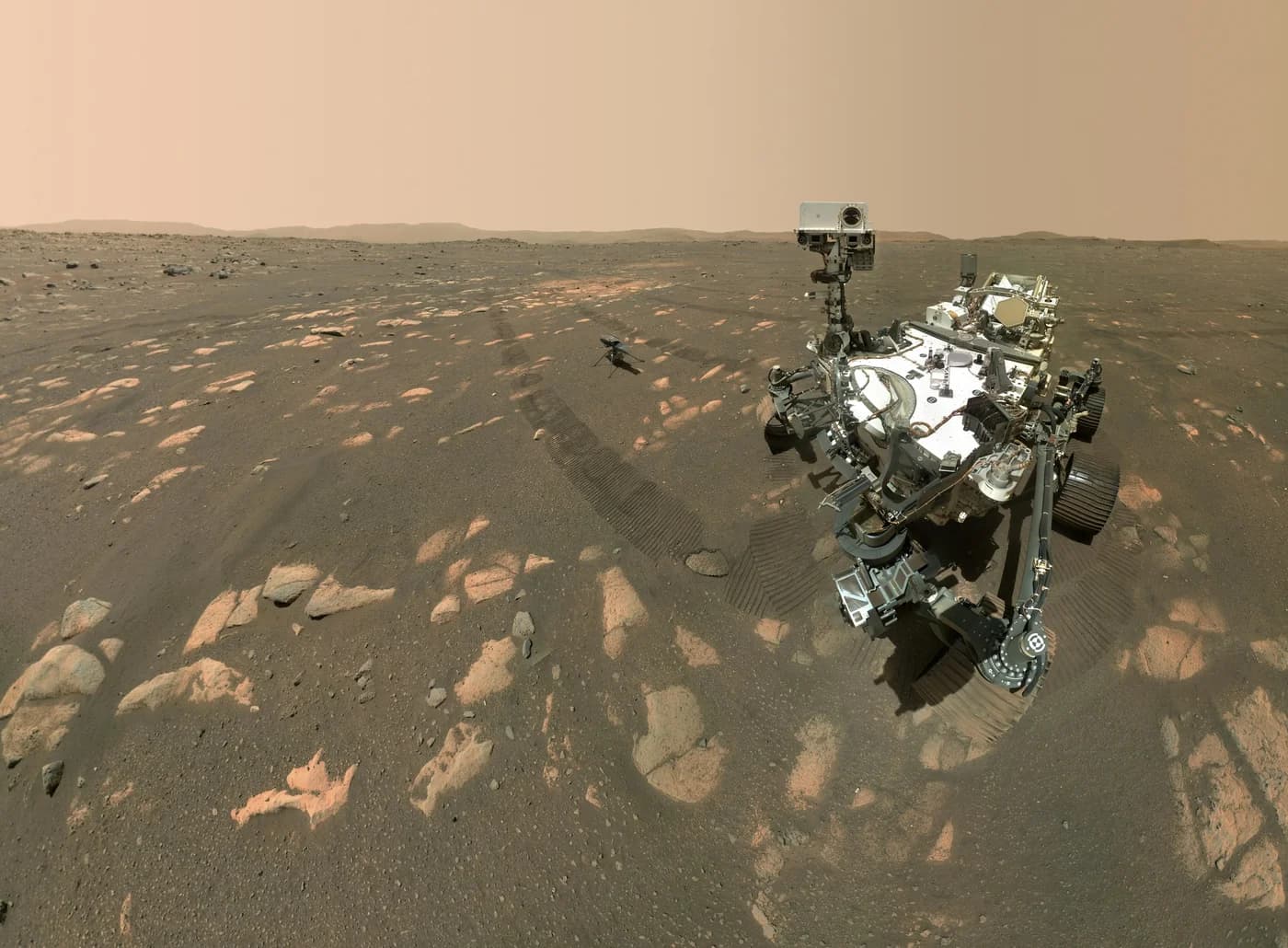
A crewed Mars return requires launch from the surface, travel to Earth and safe entry into its atmosphere. Different proposals may use several spacecraft or one larger system. Return supplies and functioning equipment must be planned before the crew leaves Earth.
Where propellant would come from
One option is delivering supplies from Earth; another is producing some locally. Oxygen production from Martian carbon dioxide has been tested experimentally, but a complete crew-return system is a much larger undertaking. It needs energy, processing, storage and long-term reliability.
Why turning around is insufficient
Departure must match suitable planetary geometry and the available velocity-change budget. The crew needs life support during waiting and transit. Arrival at Earth requires managing high return speed. A conceptual design is therefore neither an operational vehicle nor a guarantee of an expedition date.
What must be ready before people arrive
A safe expedition design must address verifiable energy supplies, propellant, navigation and return life support. If it relies on local production, chemical feasibility alone is insufficient: equipment must operate in the Martian environment and retain the required supplies. A small experiment is an important step, not an automatic test of the complete return spacecraft.
Follow us
Follow us on social media
New plates, trivia and behind-the-scenes updates as soon as they are ready.
Key points
- One option is delivering supplies from Earth; another is producing some locally.
- Departure must match suitable planetary geometry and the available velocity-change budget.
- A safe expedition design must address verifiable energy supplies, propellant, navigation and return life support.
Sources & further reading
- Experimental oxygen production and the scale of crew-return requirements.
- Transfer geometry, launch opportunities and Mars mission challenges.
- Transit durations and recurring favourable Mars launch periods.
Spaceflightpedia. (n.d.). How would people return from Mars?. Retrieved 17 October 2026, from https://spaceflightpedia.com/article/returning-from-mars
article text — CC-BY-SA · ◉ NASA photography — public domain · ✦ AI illustration — marked, generated from sources
More questions on this topic
- How long does it take to reach Mars?
- Why are Mars launches limited to launch windows?
- Why is landing on Mars so difficult?