- Date
- 22–30 March 1982
- Launcher
- Space Shuttle
- Mission
- STS-3
#Space Shuttle#Columbia#STS-3
Crew
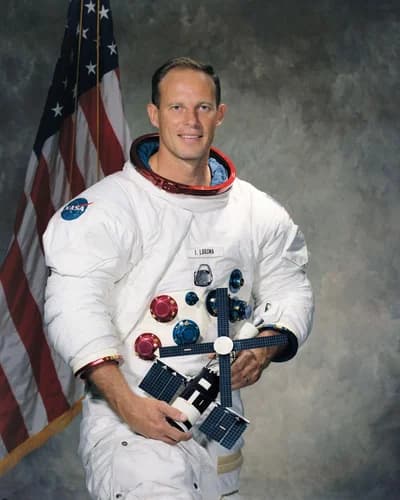 CommanderJack R. LousmaAmerican astronaut and test pilot; commander of STS-3. He led Columbia’s thermal and orbital test programme and the landing at White Sands.
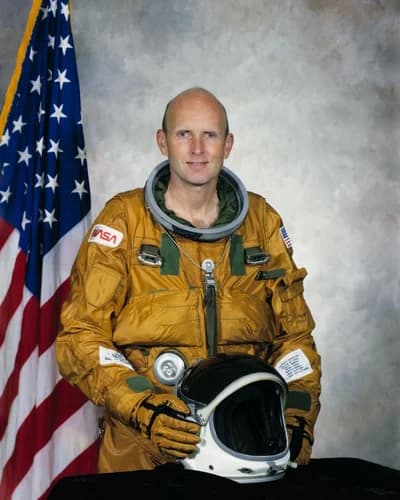 PilotC. Gordon FullertonAmerican test pilot and NASA astronaut; pilot of STS-3. He worked with Jack Lousma on spacecraft tests and the scientific programme during Columbia’s third orbital flight.
Mission timeline
Select a phase to read what happened. Every chapter has its own detailed page.
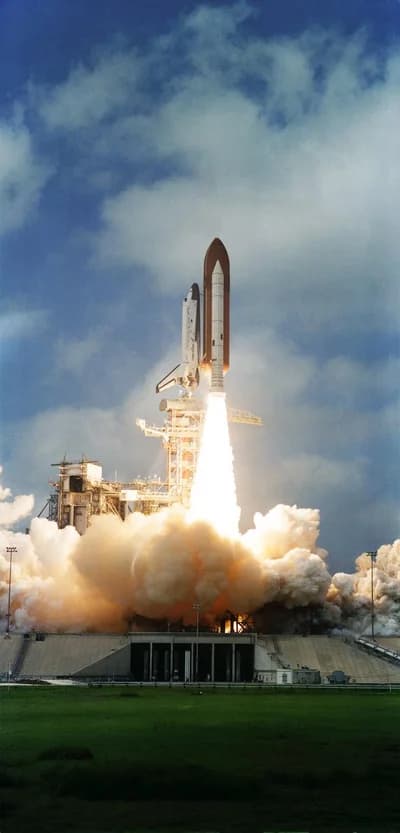
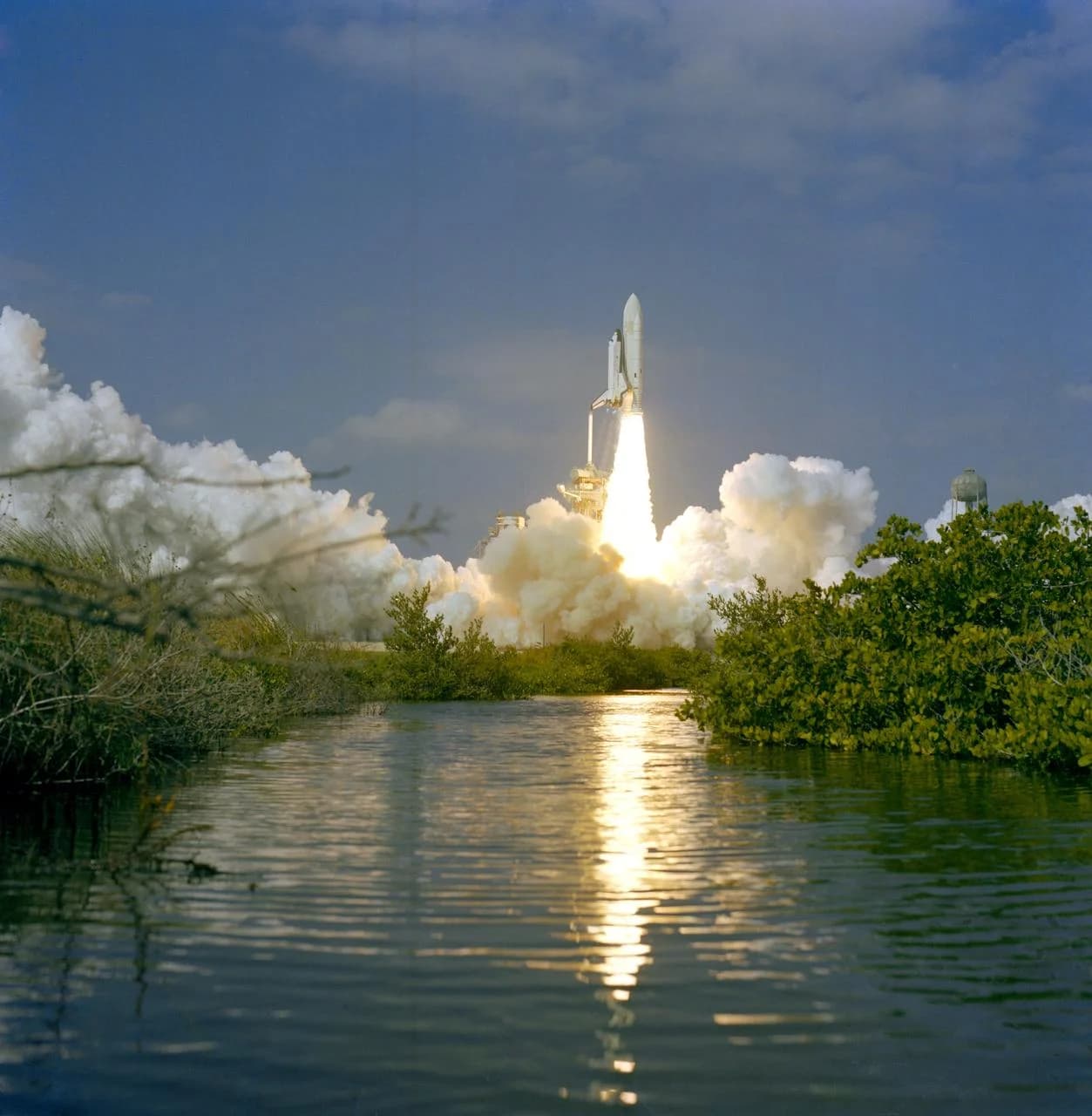
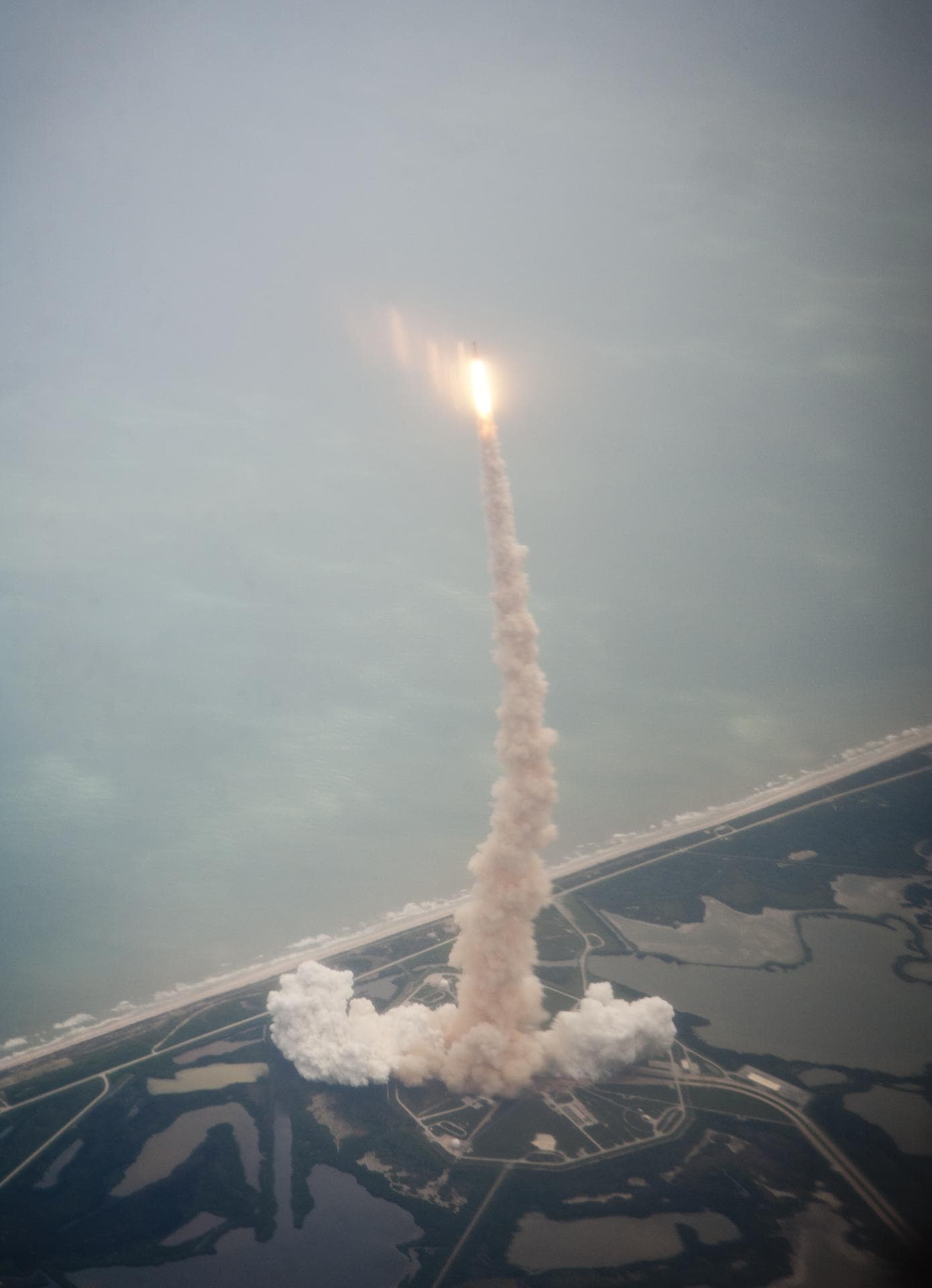
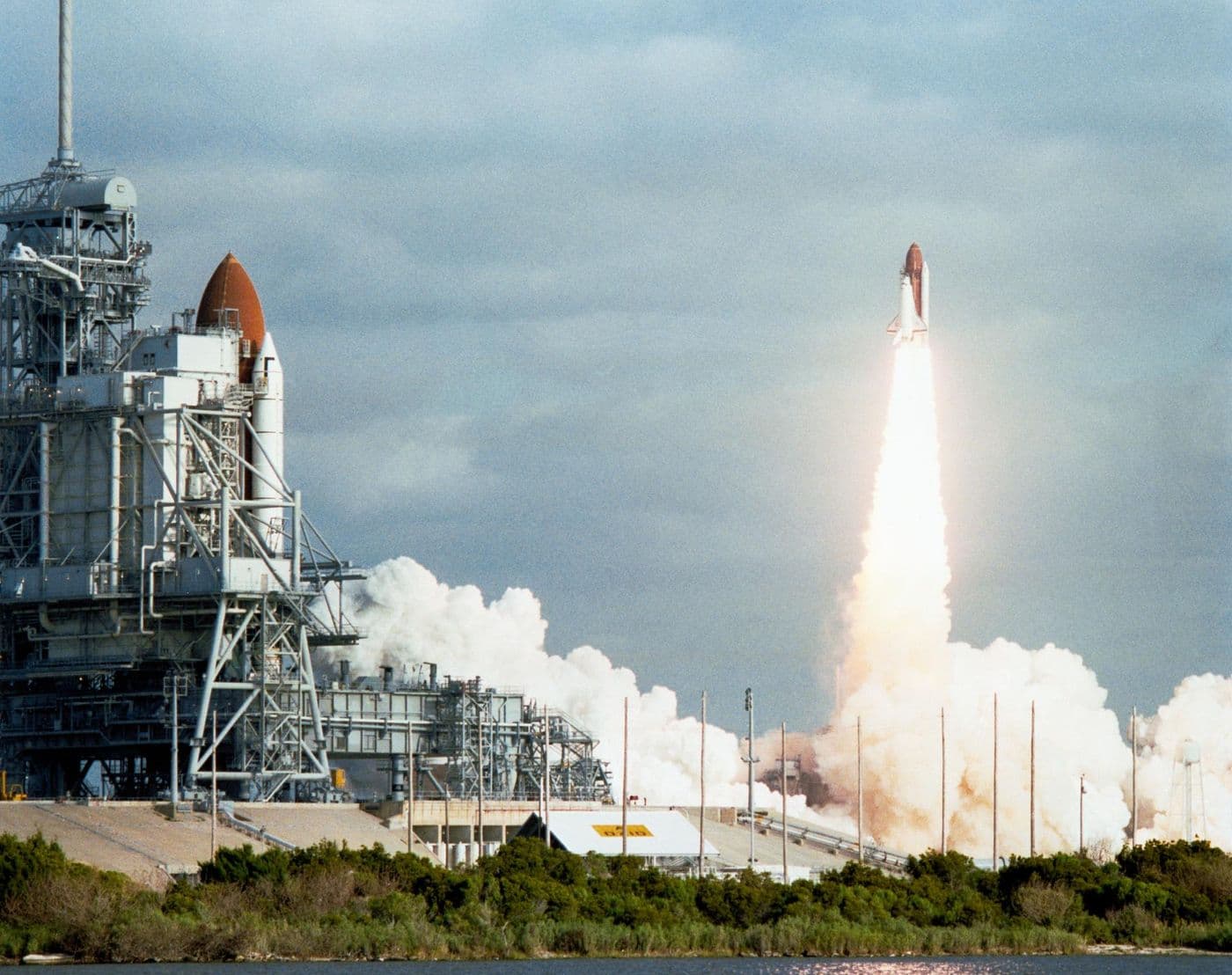
Columbia begins its third orbital flight
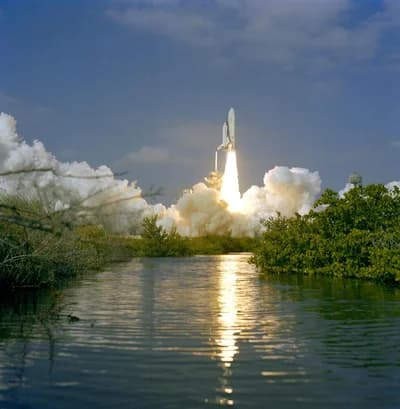
Lousma and Fullerton lifted off from Florida for another stage of shuttle testing.
Read the chapter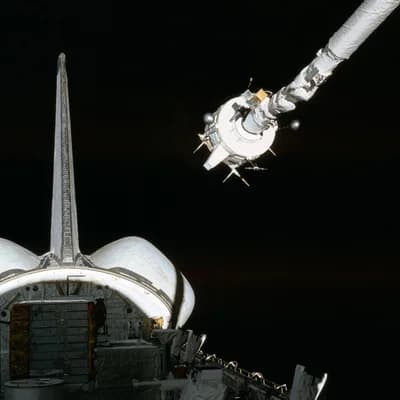
Thermal attitudes and the plasma environment
The orbiter’s orientation and robotic arm became tools for a combined test and research programme.
Read the chapter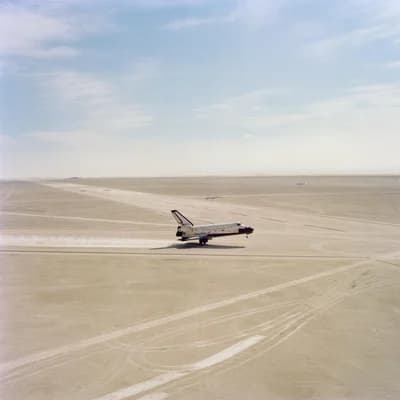
Return to White Sands
Weather sent Columbia to an alternate landing site in New Mexico.
Read the chapterThe third orbital test
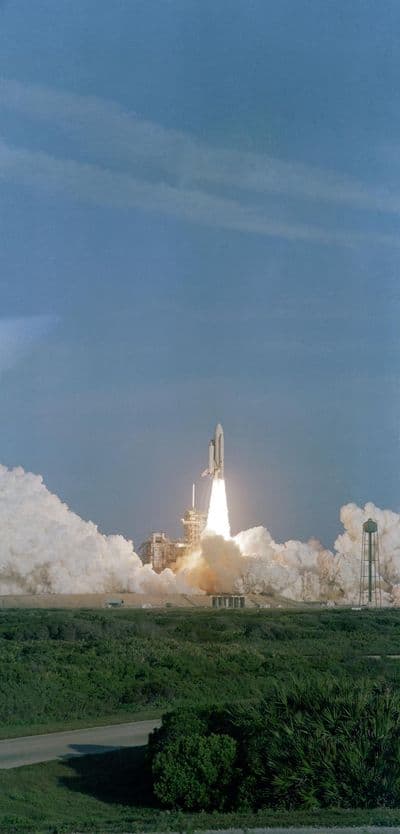
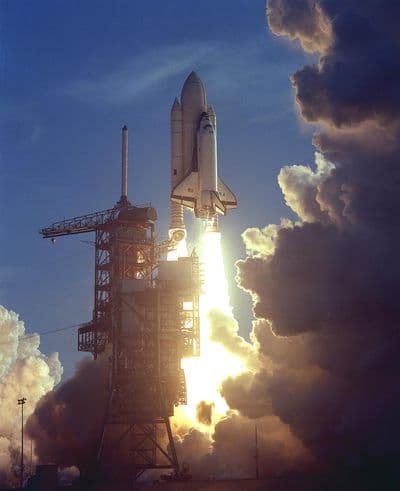
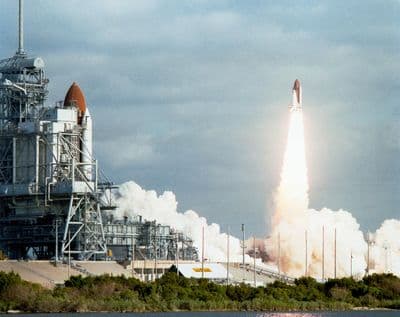
STS-3 continued the Space Shuttle’s early flight-test programme with Columbia and a two-person crew: commander Jack R. Lousma and pilot C. Gordon Fullerton. It launched from Kennedy Space Center on 22 March 1982. The flight expanded knowledge of how the orbiter behaved in space while also supporting a package of scientific instruments. [1, 2]
Heating and cooling in sunlight
A major engineering objective was to measure Columbia’s thermal response. The crew held the spacecraft in different attitudes relative to the Sun, exposing different parts of it to prolonged heating and cooling. The resulting measurements helped engineers evaluate the spacecraft’s systems across changing thermal conditions rather than judging performance from a single orientation. [1, 3]
A robotic arm becomes a research tool
Canadarm testing continued after its introduction on STS-2. During STS-3 the arm handled the Plasma Diagnostics Package (PDP), a collection of electromagnetic and particle sensors. Moving the package away from its mounting position allowed investigation of the plasma environment around Columbia and the interaction between the spacecraft and that environment. The exercise linked payload handling with scientific measurements. [1, 2, 4]
Experiments aboard Columbia
The OSS-1 science package included investigations of the space environment and solar ultraviolet radiation. Other work took place inside the crew compartment: photographs document Lousma recording plant-growth data, and the programme also included biological and materials experiments. The mission therefore tested both the shuttle as a vehicle and its usefulness as a working laboratory. [1, 2]
Follow us
Follow us on social media
New plates, trivia and behind-the-scenes updates as soon as they are ready.
A landing shaped by weather
Wet conditions at Edwards Air Force Base led NASA to use the alternate landing site at White Sands, New Mexico. High winds then postponed the planned return by a day. Columbia landed on Northrup Strip’s Runway 17 on 30 March 1982, completing 130 orbits in 8 days, 4 minutes and 46 seconds. The flight supplied thermal, robotics and science data while showing how landing-site weather could reshape shuttle operations. [1, 2, 3]
Flight in numbers
- Flight duration
- 8 d 0 h 4 min 46 s
- Earth orbits
- 130
- Crew members
- 2
Did you know?
- STS-3 carried two astronauts, Jack Lousma and Gordon Fullerton. [1]
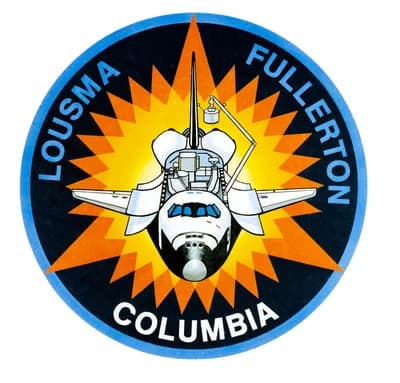
- The mission’s insignia depicts the orbiter against the Sun, reflecting its thermal tests. [2]
- Canadarm held the Plasma Diagnostics Package outside its mounting position for measurements. [4]
- The return was delayed by a day because of high winds at White Sands. [1, 2]
Gallery
Related articles
Sources & further reading
- NASA: STS-3. Accessed 13 October 2026.
- NASA: Columbia’s third mission to space. Accessed 13 October 2026.
- NASA: C. Gordon Fullerton. Accessed 13 October 2026.
- NASA Image and Video Library: plasma diagnostics package on STS-3. Accessed 13 October 2026.
Spaceflightpedia. (n.d.). STS-3. Retrieved 12 October 2026, from https://spaceflightpedia.com/article/sts-3
article text — CC-BY-SA · ◉ NASA photography — public domain · ✦ AI illustration — marked, generated from sources