- Launcher
- R-7 / Sputnik
#r-7-sputnik#vehicles
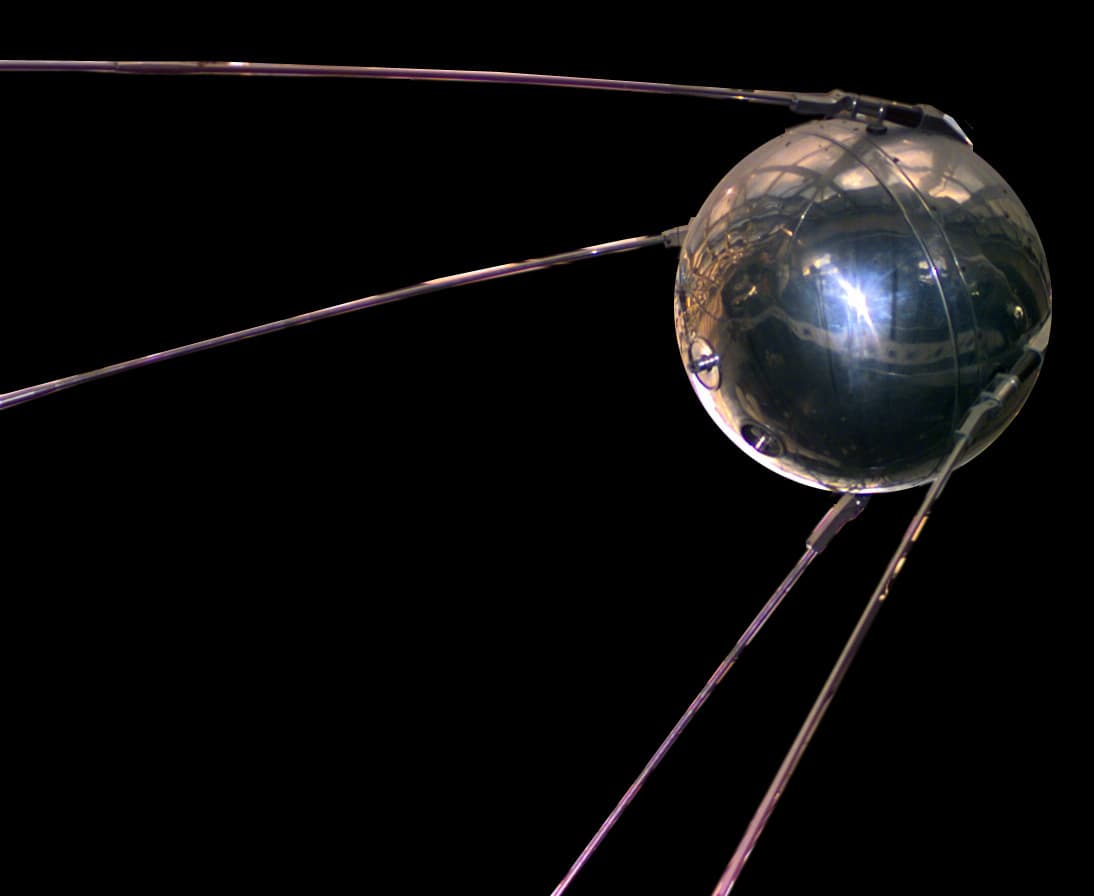
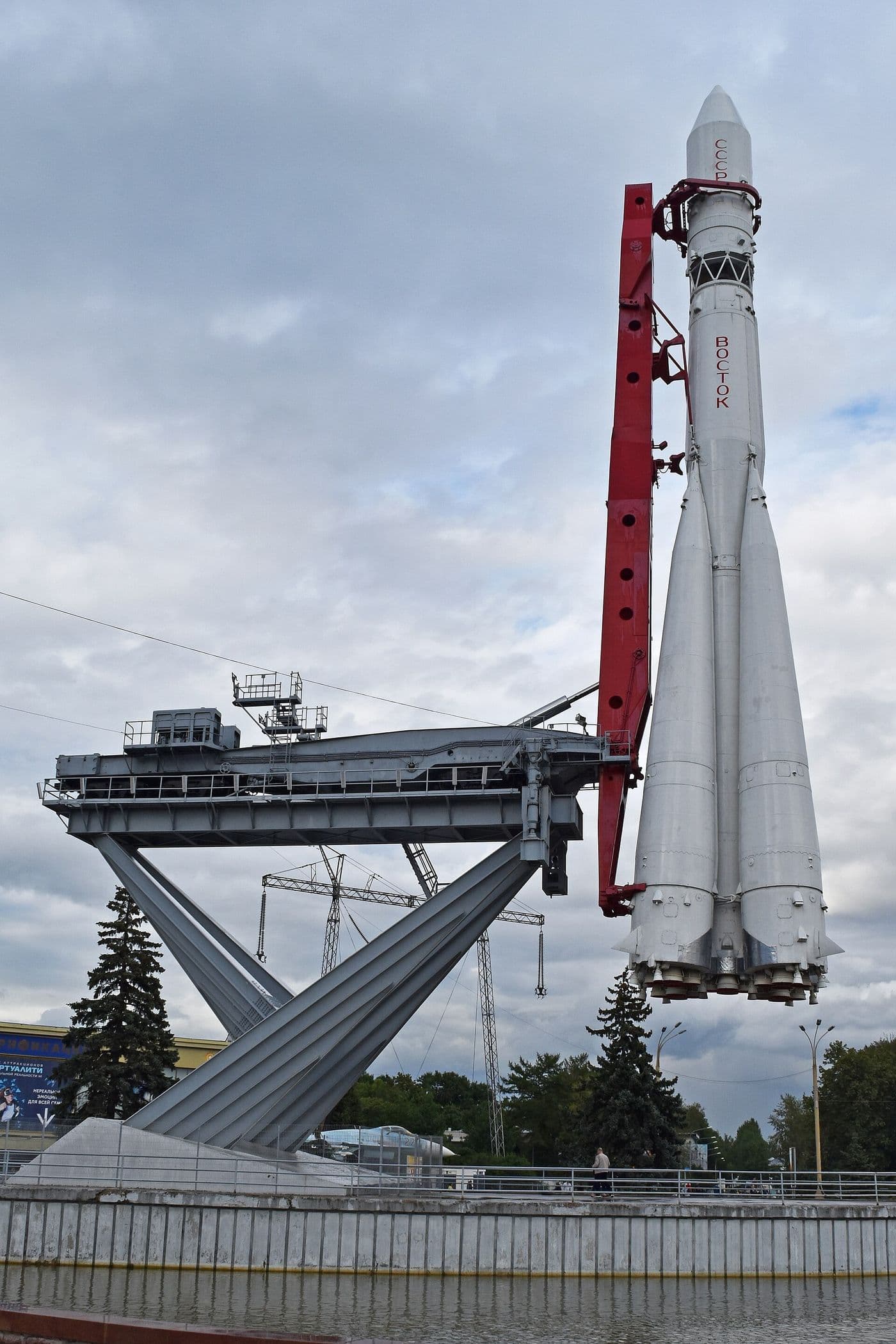
R-7 was originally developed as an intercontinental ballistic missile, but its design quickly became a foundation for space launches. A modified launcher carried Sputnik 1 and opened the way to early Soviet satellites and crewed flights.
A characteristic R-7 feature is its four strap-on boosters, which operate at liftoff alongside the central core. Later Soyuz-family variants retained the recognizable core concept and are among the longest-used launchers in history.
Key context
- Sputnik 1 launched on a modified R-7 in October 1957.
- The four-booster configuration is characteristic of the R-7 family.
- R-7 laid the technological groundwork for later Soyuz launch vehicles.
Follow us
Follow us on social media
New plates, trivia and behind-the-scenes updates as soon as they are ready.
Sources & further reading
Spaceflightpedia. (n.d.). R-7 / Sputnik. Retrieved 21 October 2026, from https://spaceflightpedia.com/article/r-7-sputnik
article text — CC-BY-SA · ◉ NASA photography — public domain · ✦ AI illustration — marked, generated from sources