- Launcher
- Space Launch System (SLS)
#space-launch-system-sls#vehicles
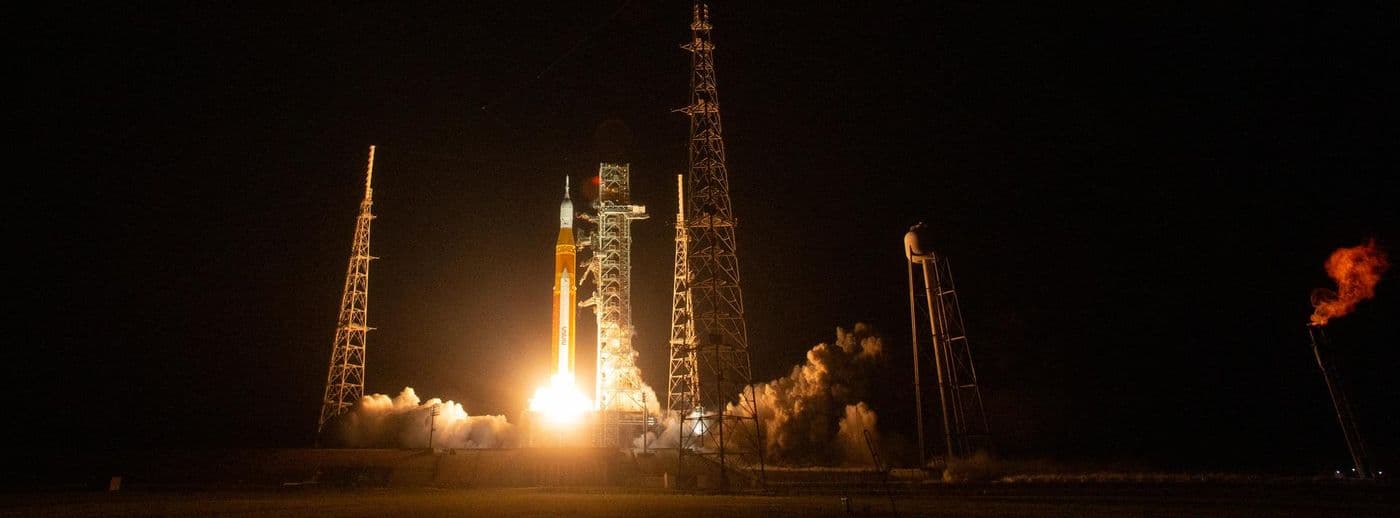
The Space Launch System, or SLS, is NASA’s heavy-lift launcher developed as the launch system for Orion spacecraft and the Artemis lunar programme. The rocket combines a core stage, solid rocket boosters, and a mission-dependent upper stage.
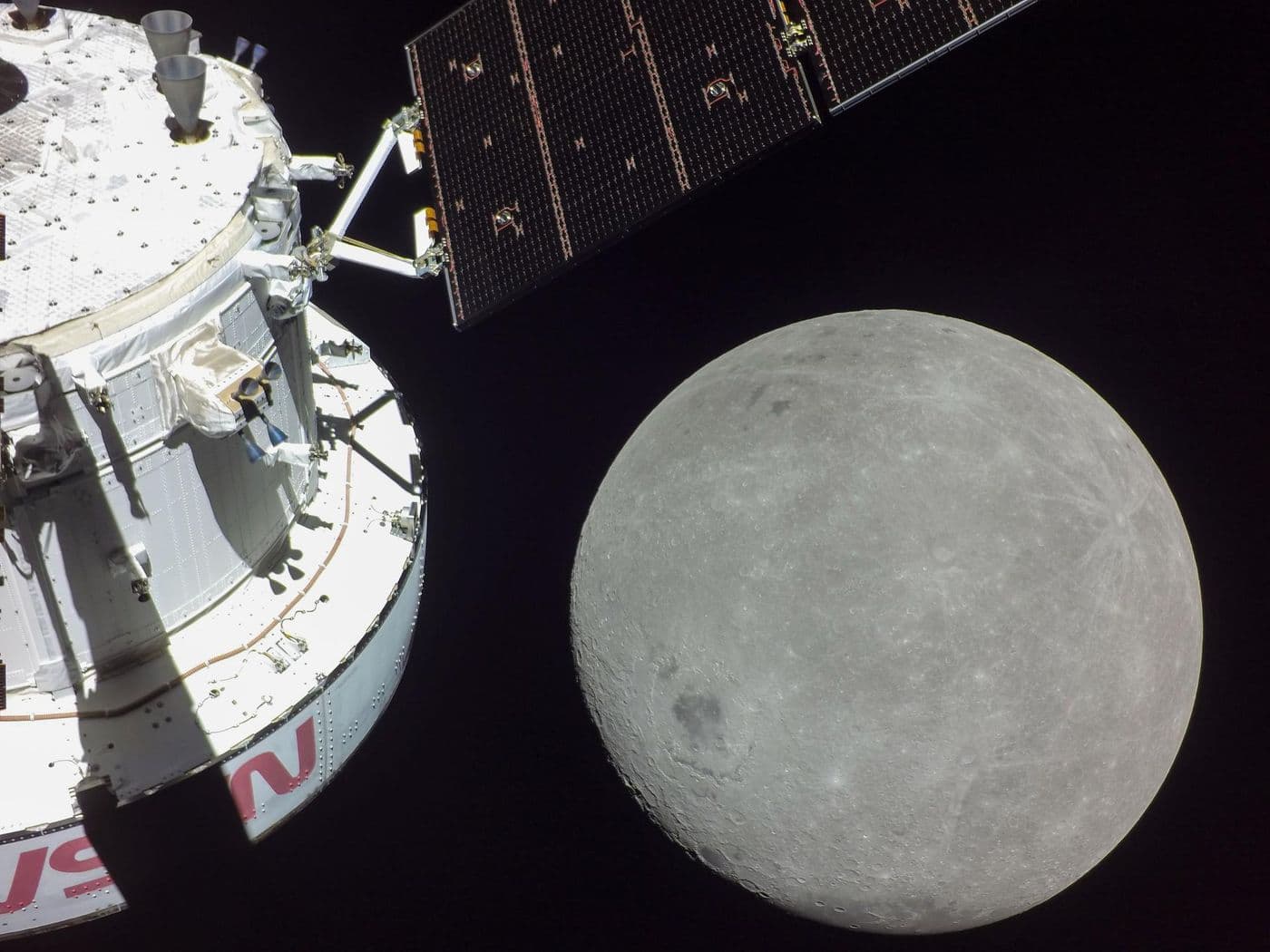
Artemis I was the first integrated test mission of SLS and Orion. Launch success is only one part of the system: lunar expeditions require the launcher, spacecraft, navigation, communications, ground infrastructure, and other Artemis architecture elements to work together.
Key context
- SLS first launched on the uncrewed Artemis I mission.
- It sends the Orion spacecraft on a trajectory toward the Moon.
- SLS is designed as a heavy-lift launcher for missions beyond LEO.
Follow us
Follow us on social media
New plates, trivia and behind-the-scenes updates as soon as they are ready.
Sources & further reading
Spaceflightpedia. (n.d.). Space Launch System (SLS). Retrieved 21 October 2026, from https://spaceflightpedia.com/article/space-launch-system-sls
article text — CC-BY-SA · ◉ NASA photography — public domain · ✦ AI illustration — marked, generated from sources