- Launcher
- Mir
#kosmická stanice#mir
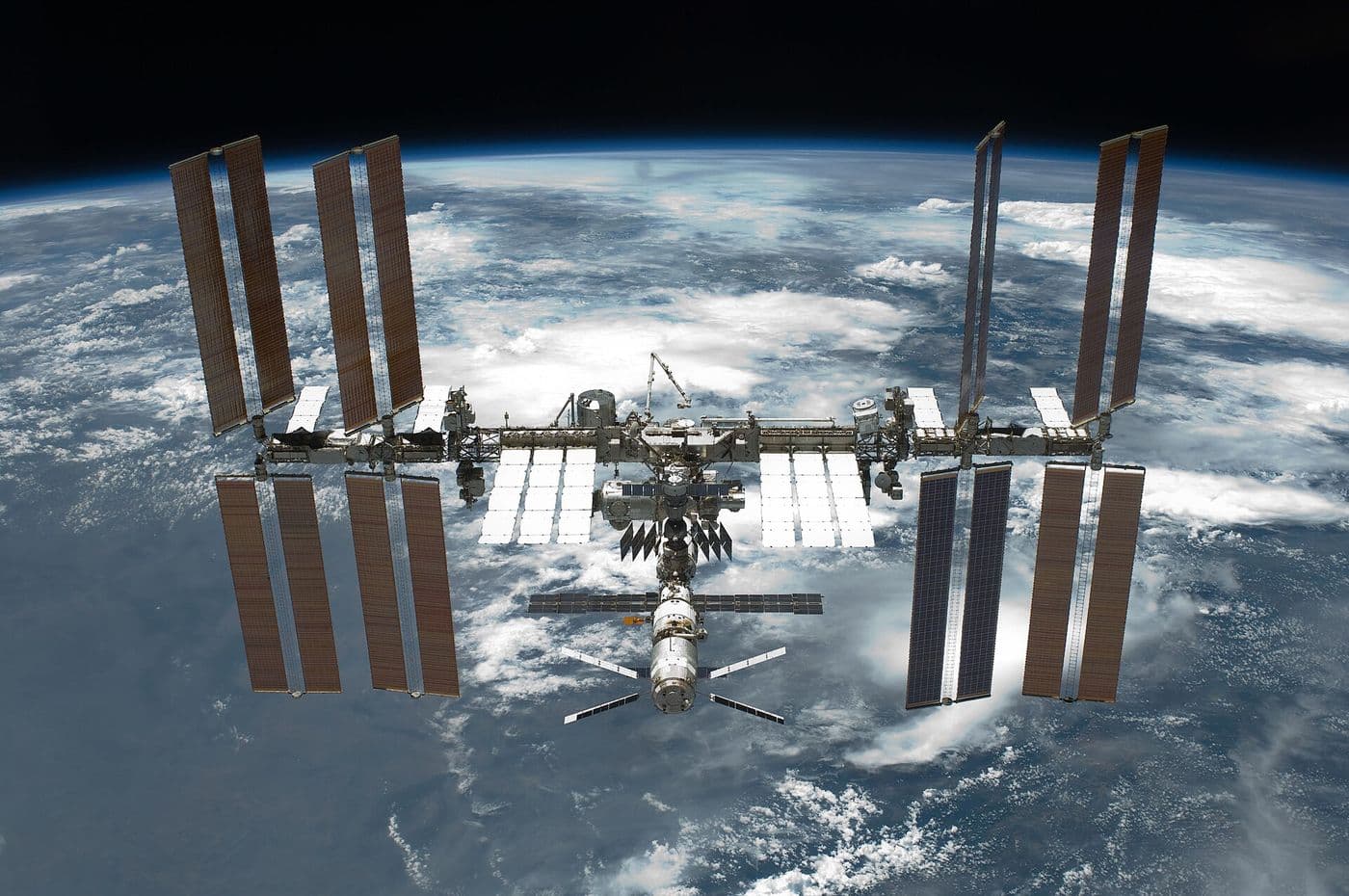
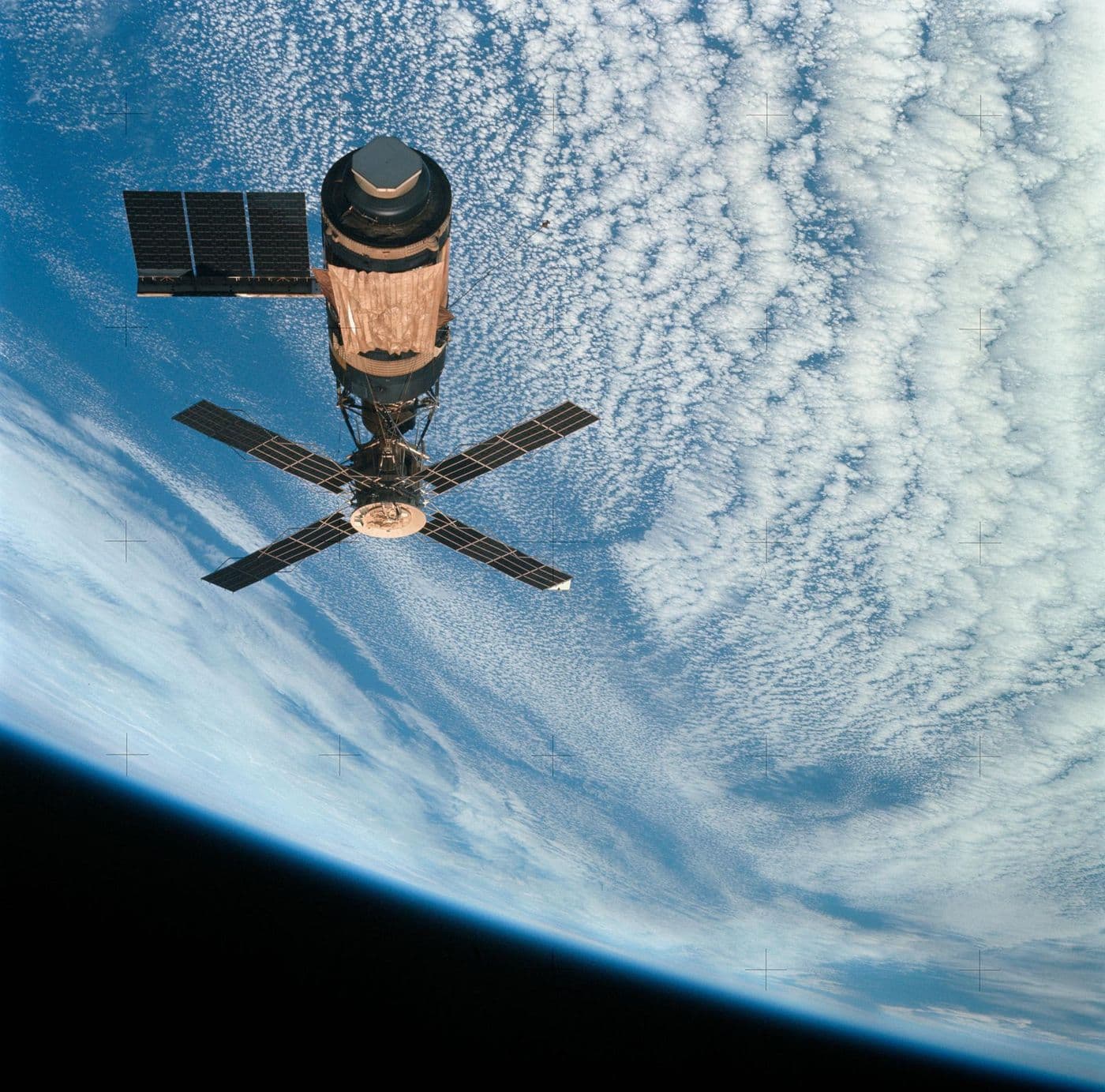
Mir was the first long-duration modular space station. Its base module launched in February 1986 and was gradually joined by science, living, and docking modules. The station became a laboratory for long crew stays and an important predecessor of the International Space Station.
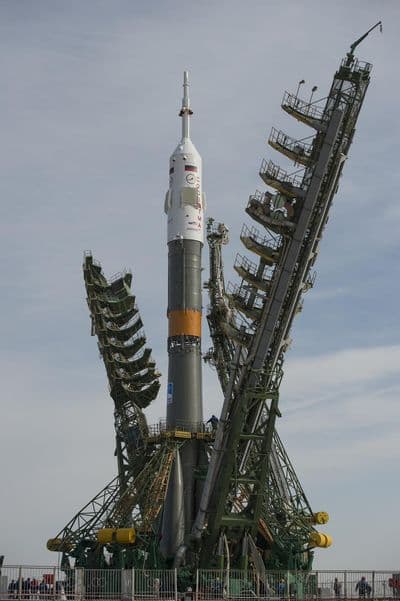
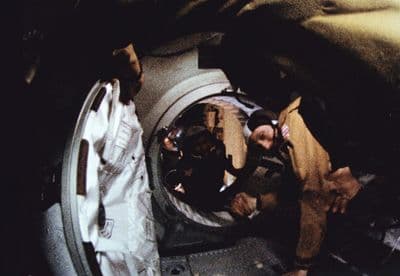
Soyuz spacecraft carried crews to Mir and Progress freighters delivered supplies. Beginning in 1995, Russia and the United States cooperated in the Shuttle–Mir programme: shuttles brought astronauts, supplies, and equipment while testing procedures later used on the ISS. Operations ended with a controlled atmospheric re-entry in March 2001.
Facts
- Mir was assembled from a core module and progressively attached specialised modules.
- Valeri Polyakov spent 437 days aboard the station in one continuous flight.
- The Shuttle–Mir programme was a direct operational preparation for ISS cooperation.
Follow us
Follow us on social media
New plates, trivia and behind-the-scenes updates as soon as they are ready.
Related articles
Sources & further reading
- NASA History: Mir’s origin, modules, crews, and scientific cooperation.
- NASA History: chronology of Mir operations, Shuttle–Mir, and the station’s controlled deorbit.
Spaceflightpedia. (n.d.). Mir. Retrieved 9 October 2026, from https://spaceflightpedia.com/article/mir
article text — CC-BY-SA · ◉ NASA photography — public domain · ✦ AI illustration — marked, generated from sources