- Date
- 1918–2020
- Launcher
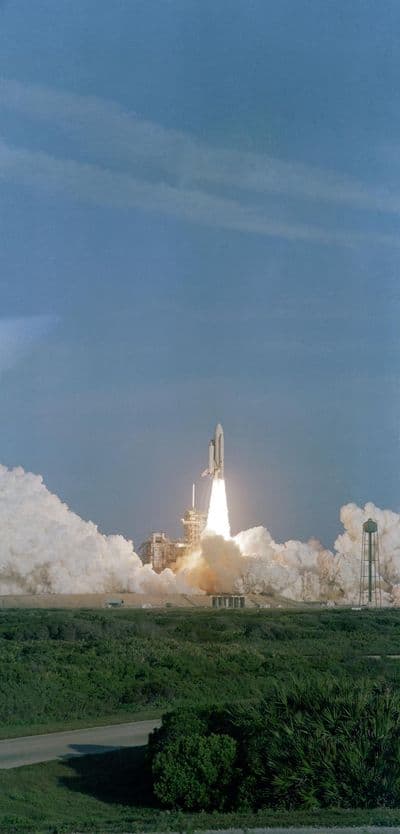
- Space Shuttle
- Mission
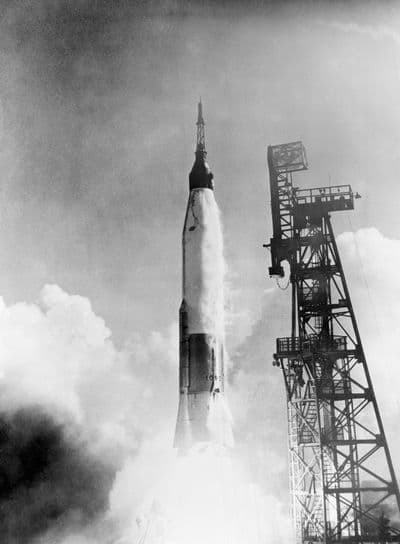
- Freedom 7
#NASA#Katherine Johnsonová
Mathematics behind the flight path
Katherine Coleman Goble Johnson (26 August 1918 – 24 February 2020) was a research mathematician at Langley. Her work connected mathematical models with practical questions: when to launch, where a spacecraft would travel and how to bring it back to a selected location. She contributed to a broad engineering effort involving mathematicians, flight controllers, engineers and astronauts. [1, 2]
Education under segregation
Johnson grew up in White Sulphur Springs, West Virginia, when racial segregation restricted educational opportunities for Black children. Her family moved to enable her to continue school. She graduated from West Virginia State College in 1937 with a degree in mathematics and French and initially worked as a teacher. [1, 3]
In 1953 she joined the National Advisory Committee for Aeronautics, NACA, at Langley. She began in the segregated West Area Computing section led by Dorothy Vaughan and moved into flight research. NACA became part of the newly established NASA in 1958, and her work increasingly addressed spaceflight. [1]
Mercury: Shepard and Glenn
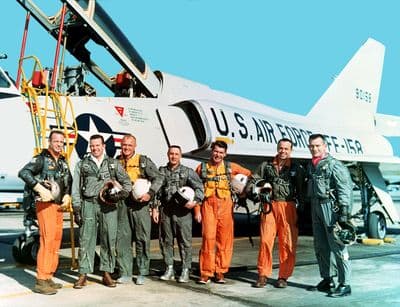
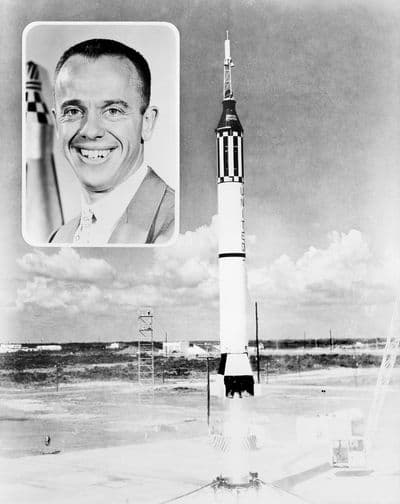
Johnson carried out trajectory analysis for Alan Shepard's Freedom 7 flight in May 1961. That suborbital mission differed from an orbital flight: Shepard's capsule rose into space and returned without completing a circuit of Earth. [2, 4]
Before John Glenn's Friendship 7 mission in 1962, he requested an independent check of the electronic computer's trajectory calculations. Johnson repeated the calculations using a desktop mechanical calculator. The episode illustrates a practical safety measure: results from a new computational system were checked by someone who understood the underlying equations. [2, 4]
From calculations to a published method
In 1960 Johnson and Ted Skopinski published Determination of Azimuth Angle at Burnout for Placing a Satellite Over a Selected Earth Position. The report, NASA TN D-233, addressed how to choose an orbit's direction so that the satellite would pass over a specified position on the rotating Earth. [5]
The paper is a direct record of her technical work. Flight-path design combines the spacecraft's motion with Earth's rotation; the desired ground position therefore has to be connected to the orbit's geometry and timing. Johnson's contribution included developing and communicating methods that other engineers could apply. [5]
Apollo and later programs
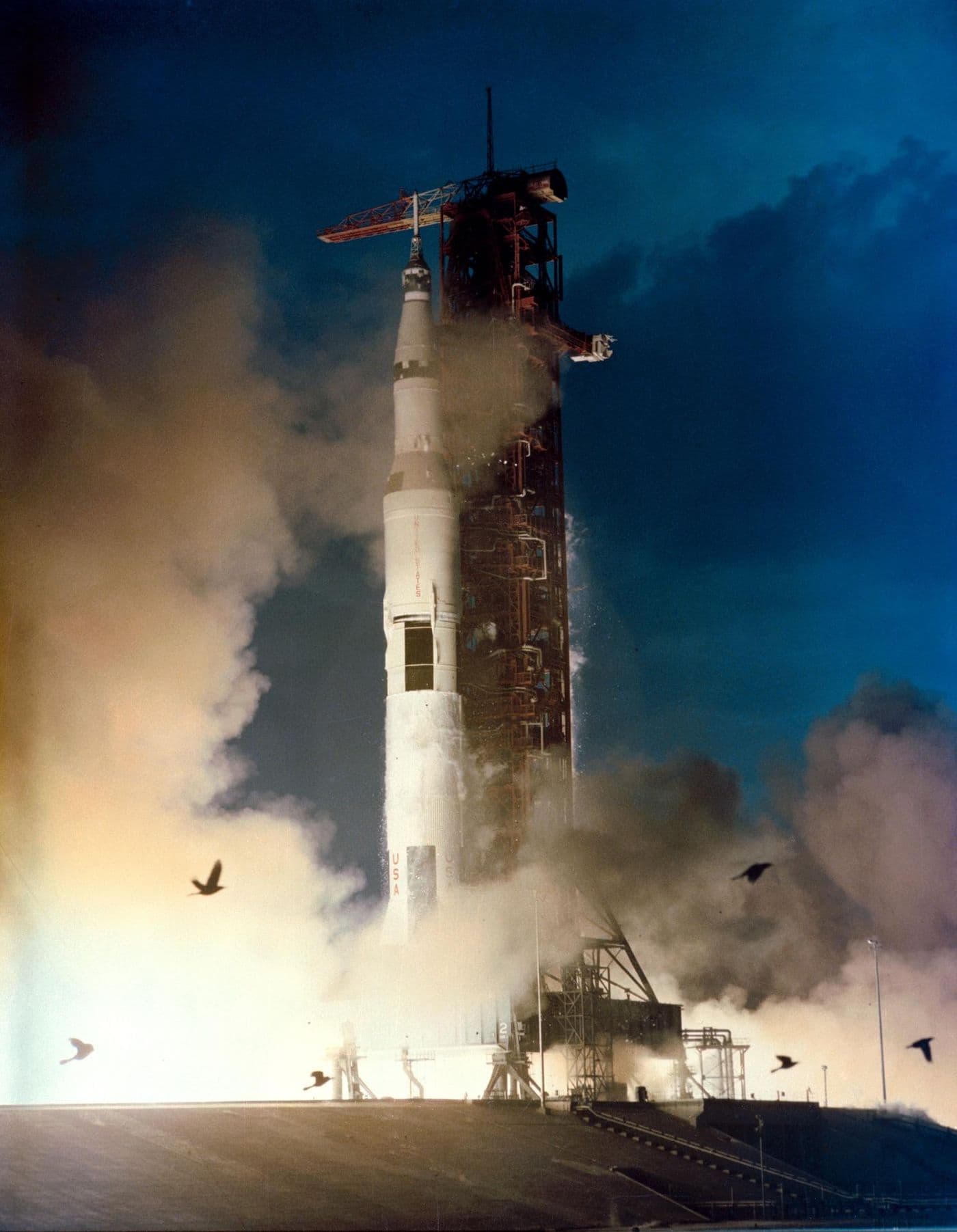
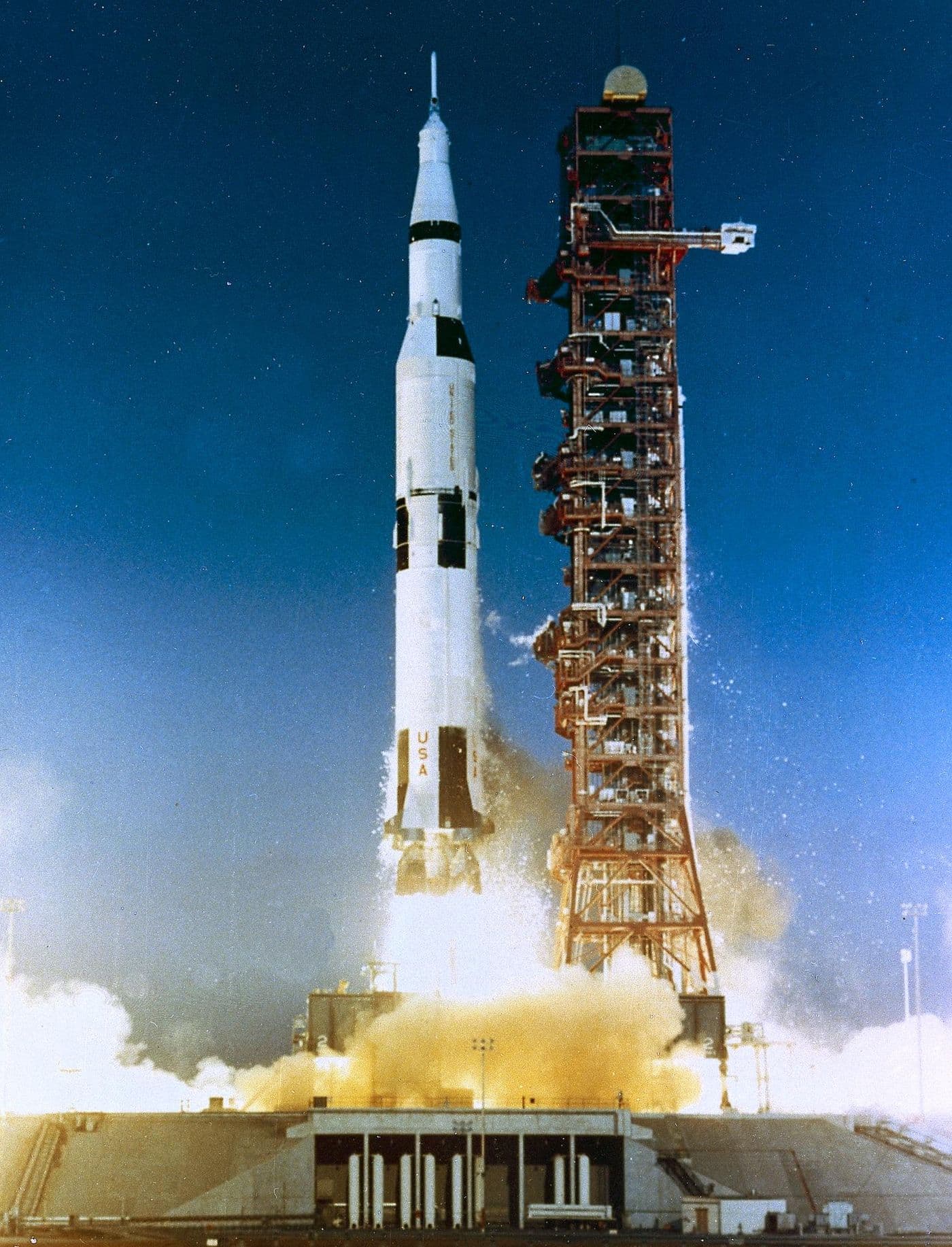
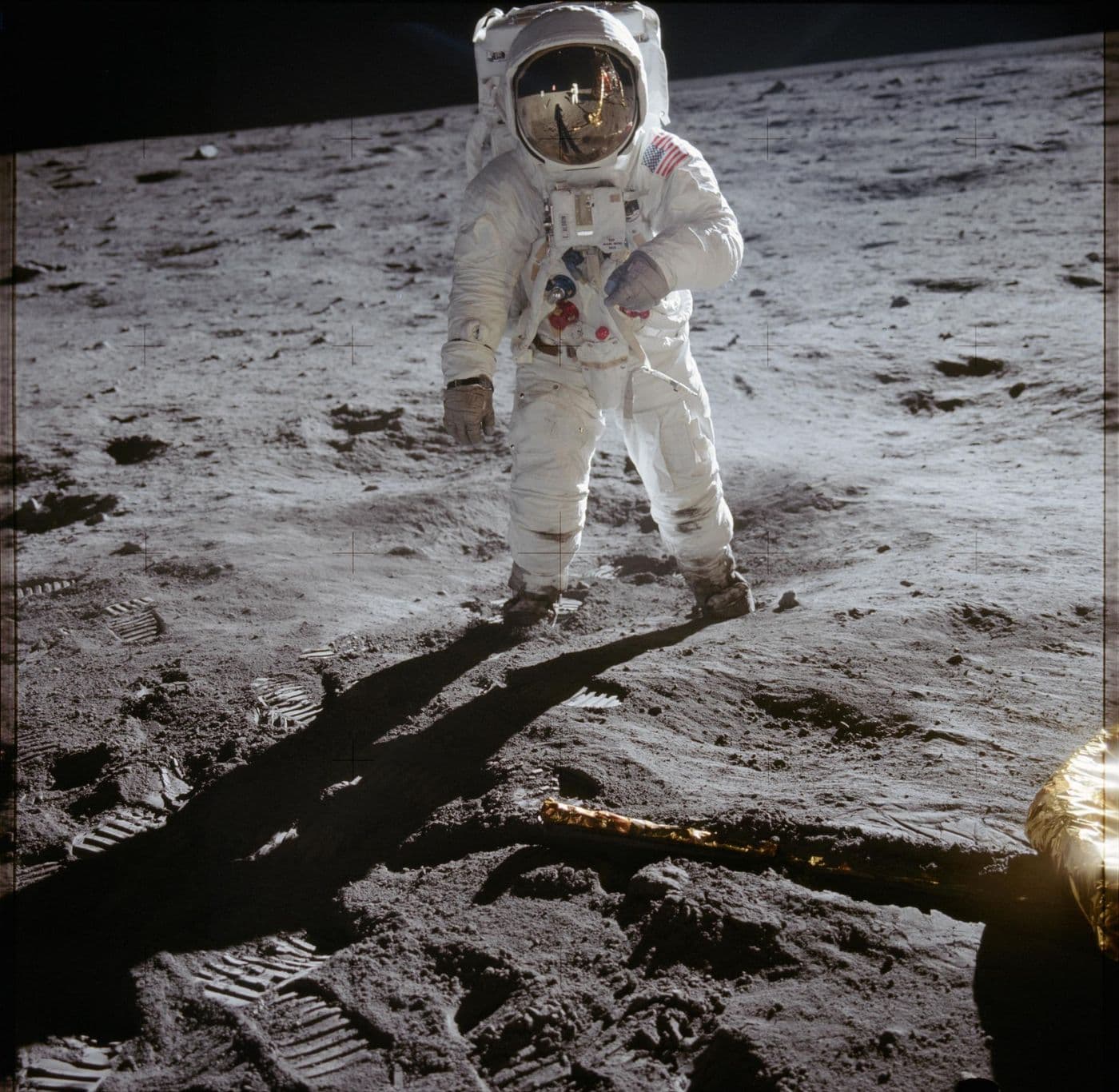
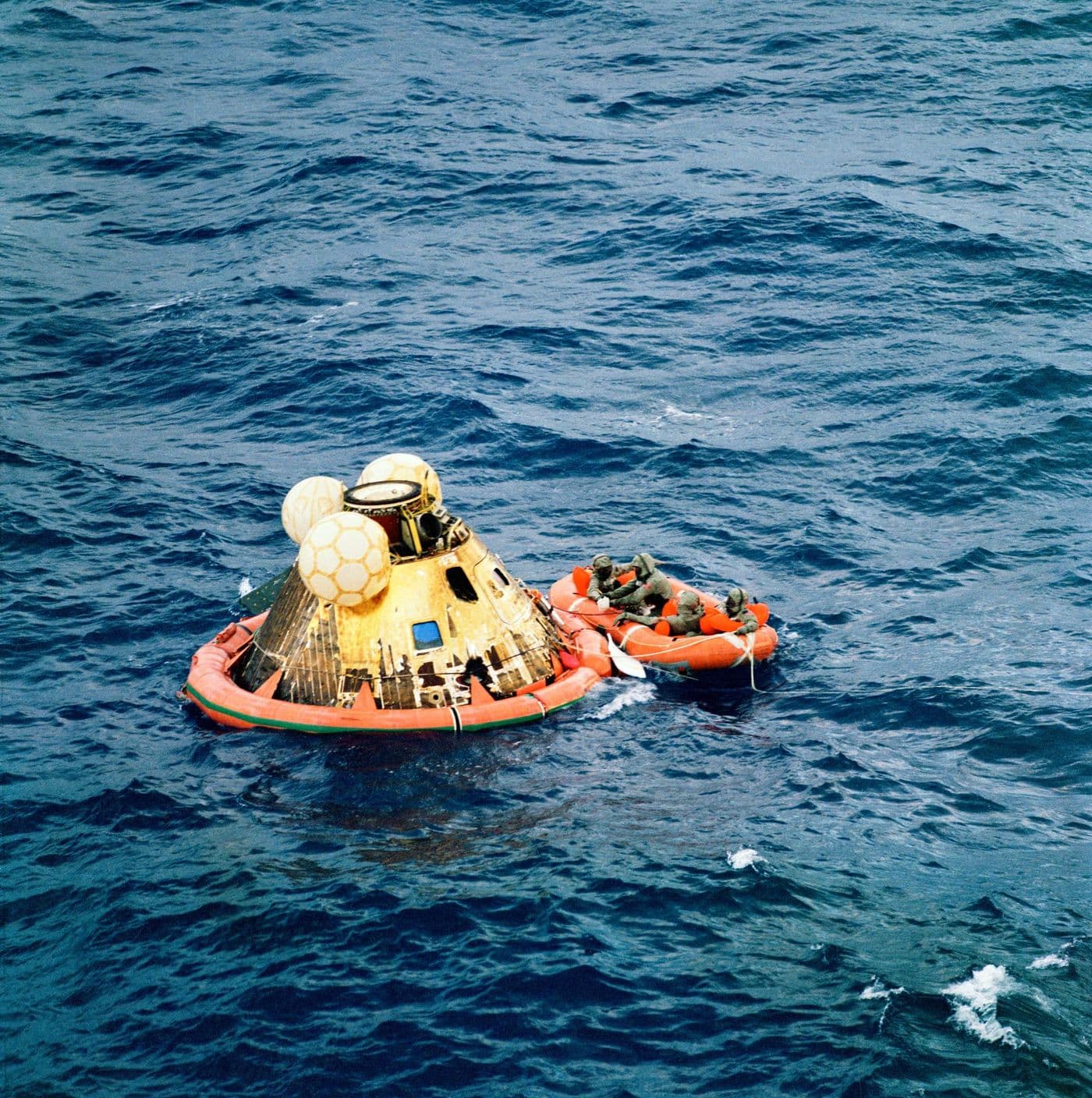
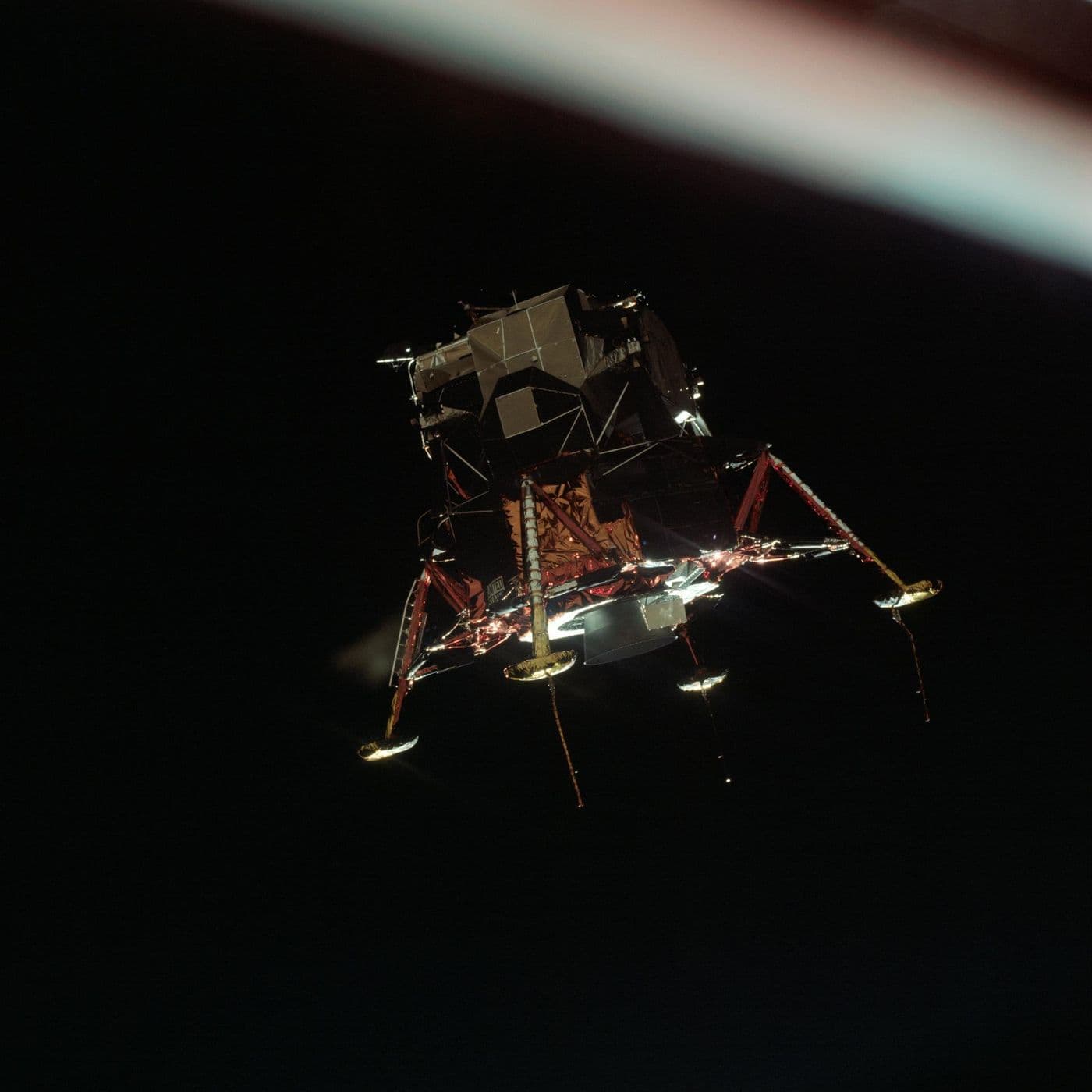
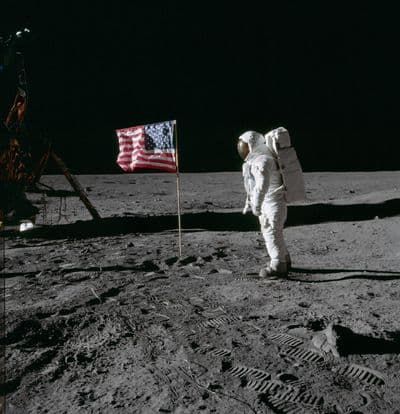
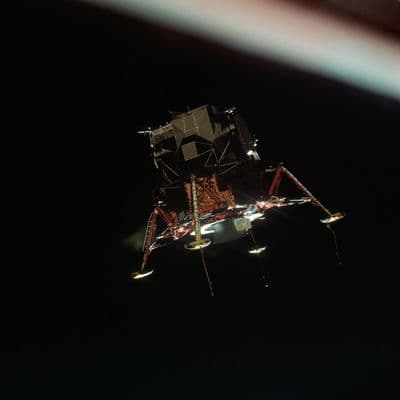
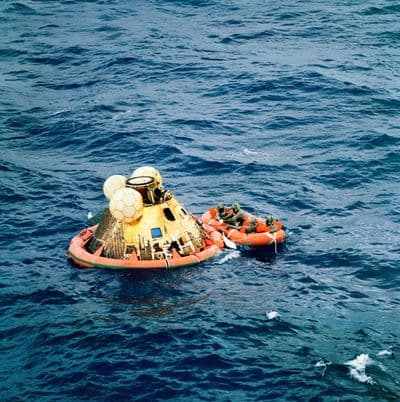
Johnson worked on calculations supporting Apollo, including the coordination of the lunar module with the command and service module in lunar orbit. This was essential to a mission architecture in which the landing craft had to reunite with the spacecraft that would carry the astronauts home. NASA also credits her work on the Apollo 11 trajectory. [1, 6]
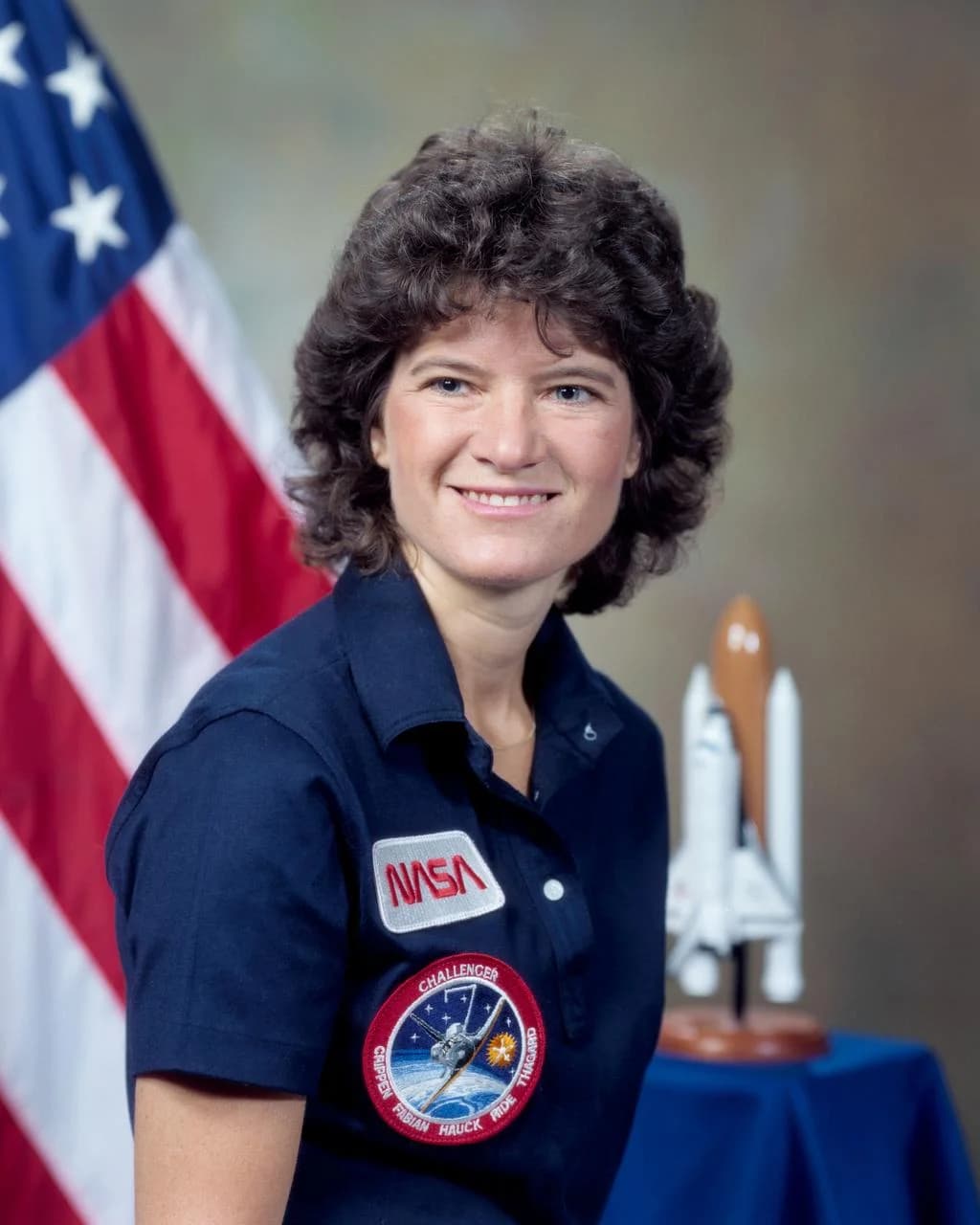
Her career extended to the Space Shuttle and the Earth Resources Technology Satellite, later known as Landsat. She retired in 1986. Her work thus spanned aeronautical research, early crewed flights and later spacecraft programs. [1, 7]
Follow us
Follow us on social media
New plates, trivia and behind-the-scenes updates as soon as they are ready.
Recognition and a lasting example
President Barack Obama awarded Johnson the Presidential Medal of Freedom on 24 November 2015. The following year's film Hidden Figures brought the work of Johnson, Dorothy Vaughan and Mary Jackson to a wider audience. The film is a dramatization; technical reports and historical records provide evidence for the underlying achievements. [2, 6, 7]
NASA's Katherine G. Johnson Computational Research Facility at Langley officially opened in September 2017. Johnson died in 2020 at the age of 101. Her legacy includes both her flight calculations and the example she set for people facing barriers to careers in mathematics and engineering. [2, 8]
Key dates
- Joined NACA
- 1953
- Trajectory report
- 1960
- Retirement
- 1986
Did you know?
- Johnson's 1960 technical report was coauthored with Ted Skopinski and can be read in NASA's technical archive. [5]
- Her Mercury work included both Shepard's suborbital Freedom 7 and Glenn's orbital Friendship 7. [4]
- The Medal of Freedom ceremony took place on 24 November 2015. [6]
Related articles
Sources & further reading
- NASA — Katherine Johnson Biography. Accessed 12 October 2026.
- NASA Science — Katherine Johnson (1918–2020). Accessed 12 October 2026.
- NASA — Katherine Johnson: The Girl Who Loved to Count. Accessed 12 October 2026.
- NASA — Facility dedication, Mercury trajectory work. Accessed 12 October 2026.
- Skopinski & Johnson — NASA TN D-233 (1960). Accessed 12 October 2026.
- NASA — Katherine Johnson Receives Presidential Medal of Freedom. Accessed 12 October 2026.
- NASA — Katherine Johnson’s Continuing Legacy. Accessed 12 October 2026.
- NASA — Computational Research Facility Officially Opens. Accessed 12 October 2026.
Spaceflightpedia. (n.d.). Katherine Johnson. Retrieved 12 October 2026, from https://spaceflightpedia.com/article/katherine-johnson
article text — CC-BY-SA · ◉ NASA photography — public domain · ✦ AI illustration — marked, generated from sources