- Date
- 28 January 1986
- Mission
- STS-51-L
#NASA#USA#Raketoplán#Space Shuttle#Challenger
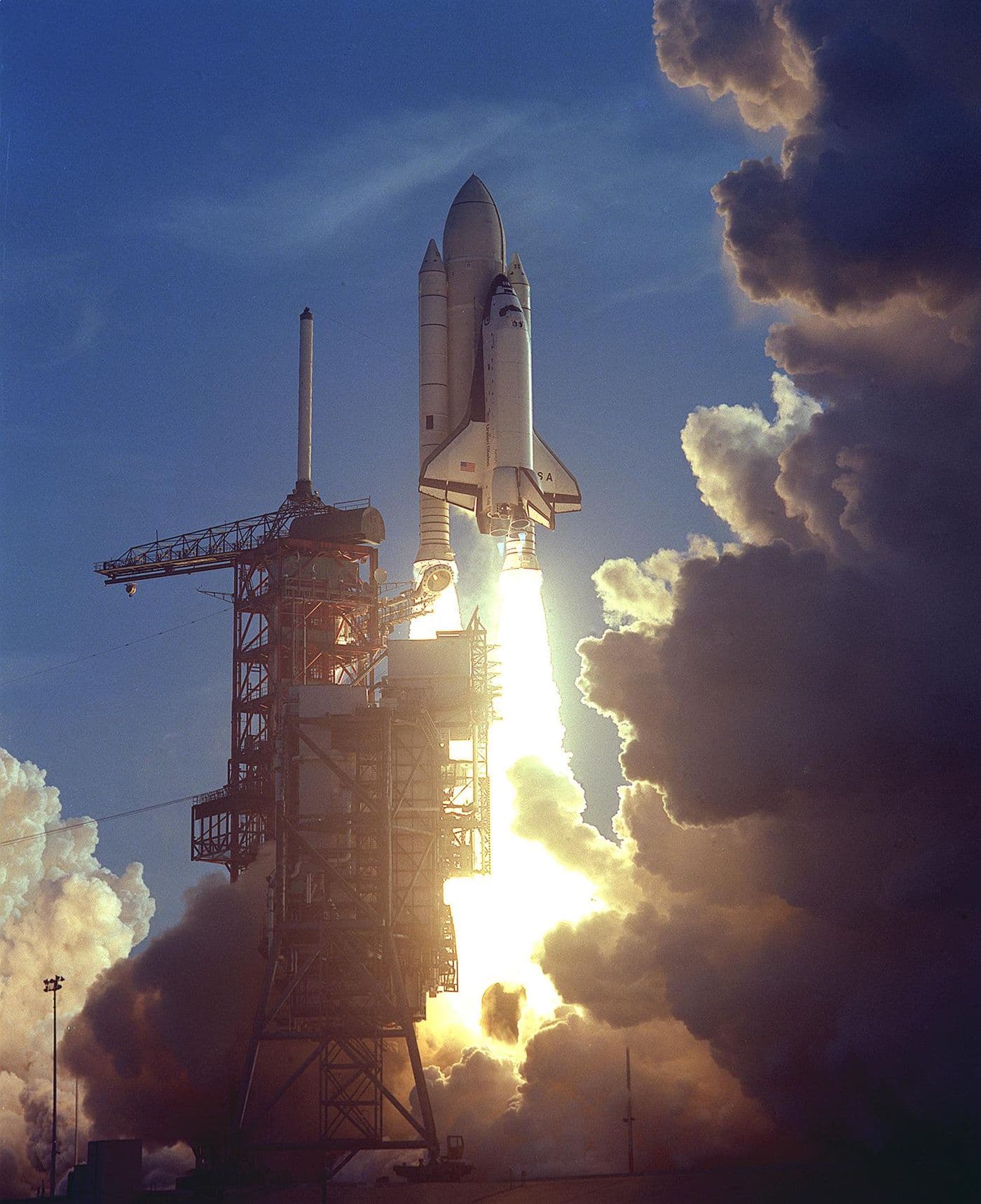
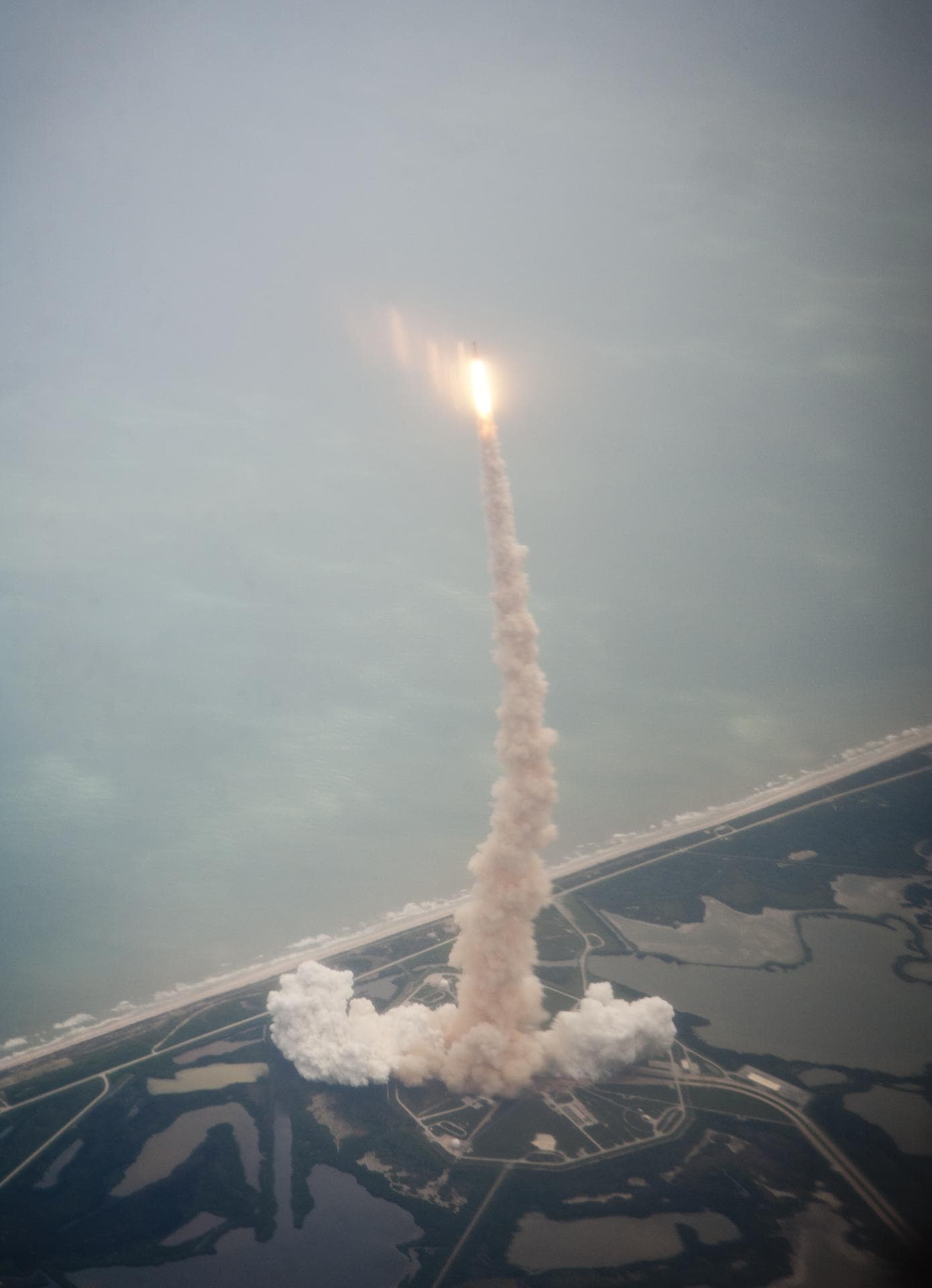
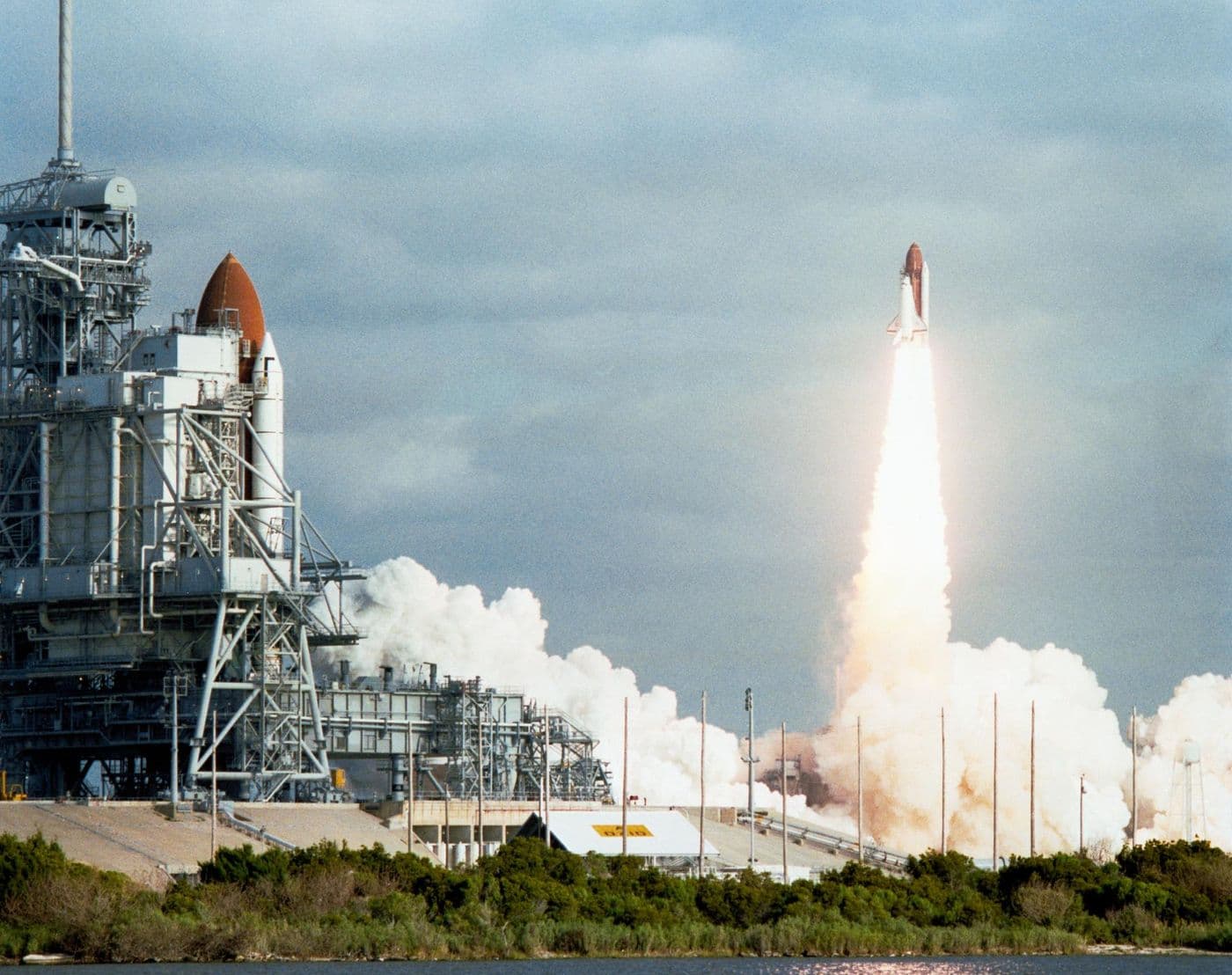
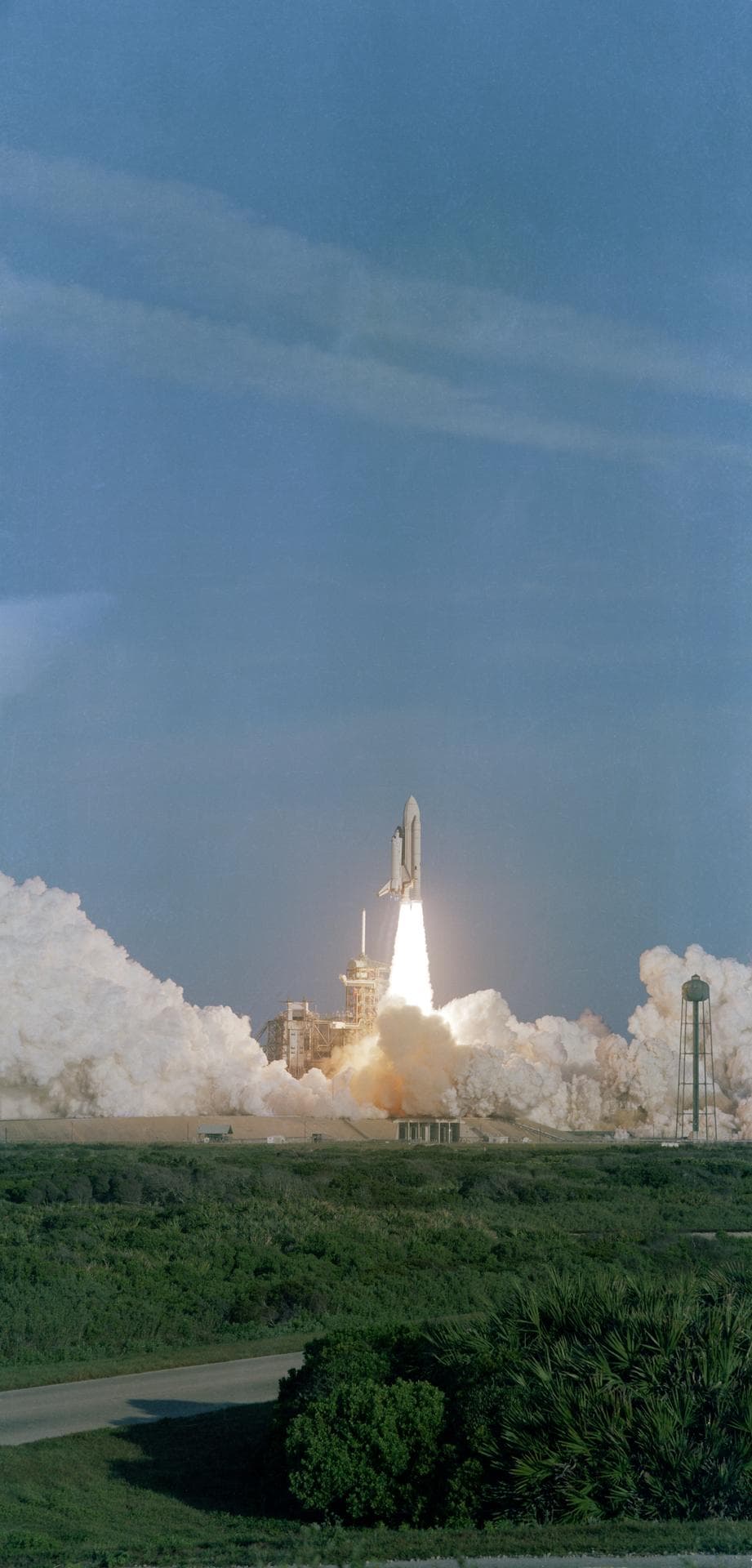
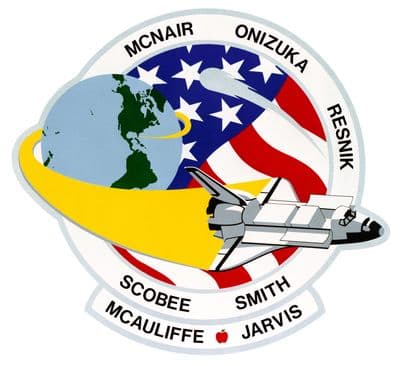
The Space Shuttle Challenger's STS-51-L mission lifted off on 28 January 1986 and became one of the darkest chapters of the American space program. Just 73 seconds after launch, the orbiter broke apart at an altitude of barely 14 kilometres after a seal failed on the right solid rocket booster — the entire crew of seven died, including teacher Christa McAuliffe, who was to become the first civilian to teach a lesson from orbit. Millions watched the disaster live, including schoolchildren across the United States.
Crew
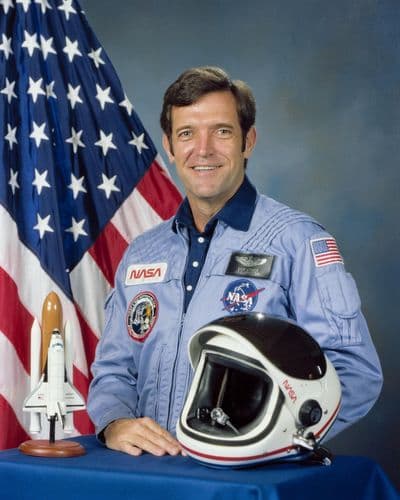 COMMANDERDick ScobeeBorn 19 May 1939 in Cle Elum, Washington. He served as a U.S. Air Force pilot and later as a test pilot. He first flew to space in 1984 as pilot of STS-41-C, during which the crew repaired the Solar Maximum satellite in orbit. On Challenger's STS-51-L he commanded his second and final flight.
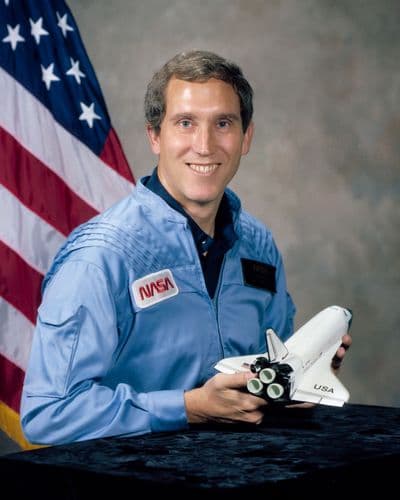 PILOTMichael J. SmithBorn 30 April 1945 in Beaufort, North Carolina. He graduated from the U.S. Naval Academy and flew A-6 Intruder attack aircraft off the carrier USS Kitty Hawk during the Vietnam War. He joined NASA in 1980; STS-51-L was his first spaceflight.
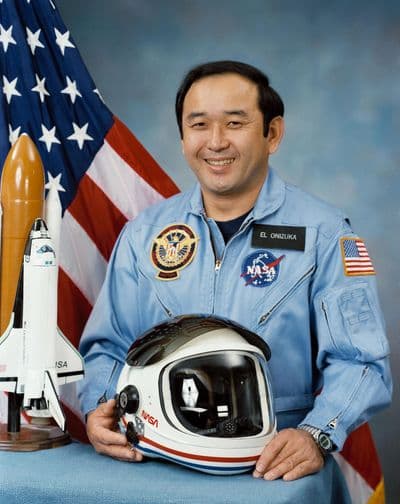 MISSION SPECIALIST 1Ellison OnizukaBorn 24 June 1946 in Kealakekua, Hawaii, to a family of Japanese descent. He served as a flight test engineer in the U.S. Air Force. In January 1985, as a crew member of STS-51-C, he became the first Asian-American in space. On Challenger's STS-51-L he flew his second and final mission.
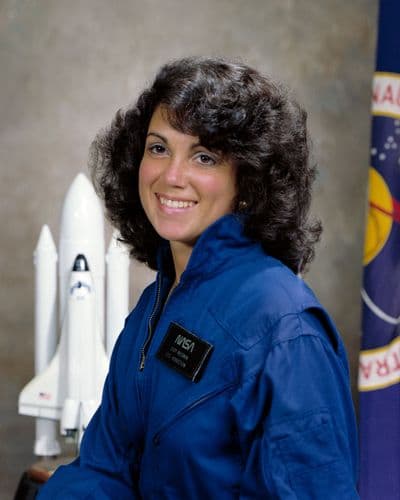 MISSION SPECIALIST 2Judith ResnikBorn 5 April 1949 in Akron, Ohio. She earned a degree in electrical engineering and a PhD from the University of Maryland. In 1984, on the maiden flight of the orbiter Discovery (STS-41-D), she became the second American woman in space and the first Jewish-American in space. On Challenger's STS-51-L she flew her second and final mission.
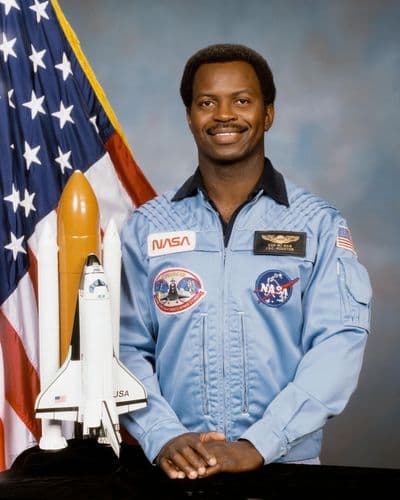 MISSION SPECIALIST 3Ronald McNairBorn 21 October 1950 in Lake City, South Carolina. He studied physics and earned a PhD in laser physics from MIT in 1976. In 1984 he flew as a mission specialist on STS-41-B, becoming the second African-American in space. On Challenger's STS-51-L he flew his second and final mission.
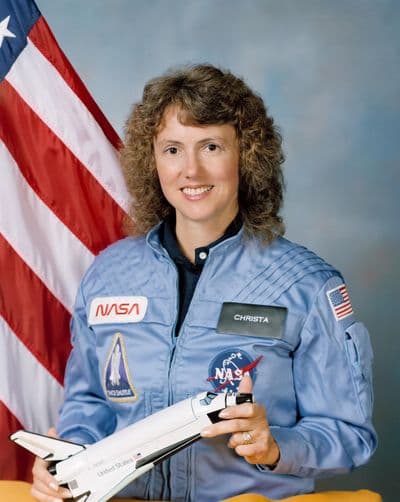 PAYLOAD SPECIALIST 1 (TEACHER IN SPACE)Christa McAuliffeBorn 2 September 1948 in Boston, Massachusetts. She taught social studies at a high school in Concord, New Hampshire. In July 1985 NASA selected her from over 11,000 applicants as the first participant in the "Teacher in Space" project, under which she was to teach two lessons live from orbit to schoolchildren on Earth. STS-51-L was her only spaceflight.
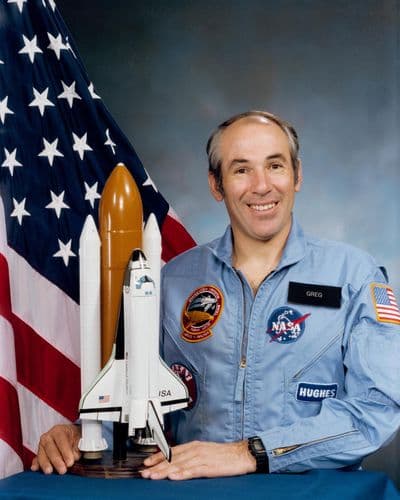 PAYLOAD SPECIALIST 2Gregory JarvisBorn 24 August 1944 in Detroit, Michigan. He worked as an engineer at Hughes Aircraft, which nominated him as a payload specialist for an experiment on fluid behaviour in microgravity. His flight was repeatedly bumped in favour of other missions and scheduling changes before it finally took place on STS-51-L.
Mission timeline
Select a phase to read what happened. Every chapter has its own detailed page.
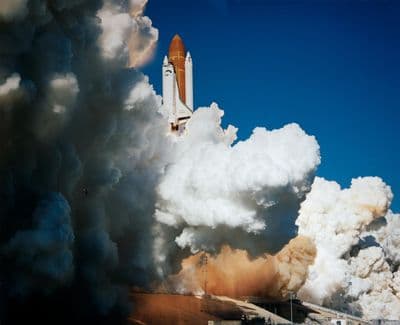
Launch after repeated delays
STS-51-L was the 25th mission of the Space Shuttle program and the tenth flight of the orbiter Challenger. It carried the Tracking and Data Relay Satellite (TDRS-B) and the SPARTAN-203 instrument to observe Halley's Comet — and teacher Christa McAuliffe as part of the "Teacher in Space" project.
Read the chapter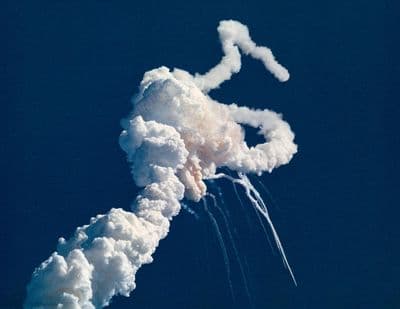
Breakup 73 seconds after launch
The overnight frost had stiffened a rubber O-ring at one of the joints of the right solid rocket booster (SRB). The ring lost its resilience at launch and failed to seal — hot combustion gases began escaping through the joint.
Read the chapter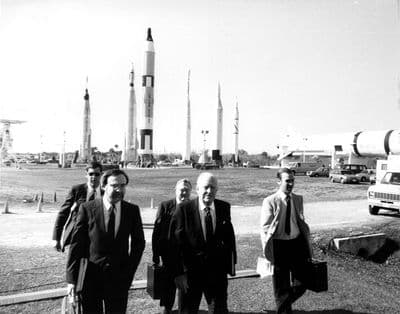
The Rogers Commission and Feynman's demonstration
President Ronald Reagan appointed an independent investigative commission chaired by former Secretary of State William P. Rogers. Hearings ran from 6 to 25 February 1986.
Read the chapter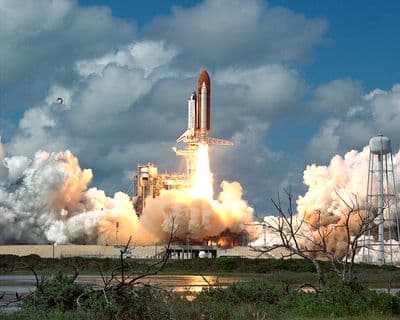
Grounding the program and returning to flight
After the disaster, the shuttle program was grounded for 32 months. NASA redesigned the solid rocket booster joints (a new sealing system, joint heaters) and introduced stricter launch-decision rules.
Read the chapterMission in numbers
- Program flight number
- 25. mise Space Shuttle
- Orbiter
- Challenger (10. let)
- Launch
- 28. 1. 1986, 11:38 EST
- Crew
- 7
- Planned duration
- 6 dní
- Actual time aloft
- 73 sekund
- Outcome
- Havárie, 7 obětí
STS-51-L was the 25th flight of the Space Shuttle program and the tenth flight of the orbiter Challenger. It carried the Tracking and Data Relay Satellite (TDRS-B) for NASA's communications network and the SPARTAN-203 instrument intended to observe Halley's Comet. The launch stack consisted of a winged orbiter, a rust-coloured external tank of propellant, and two solid rocket boosters (SRBs) whose segments were sealed by rubber O-rings. The failure of one such seal in the freezing weather that launch morning led to catastrophe.
Facts
- STS-51-L was the first Space Shuttle mission to lose its entire crew.
- Christa McAuliffe was selected from over 11,000 teacher applicants for the "Teacher in Space" project.
- The disaster was caused by the failure of a rubber O-ring in the right solid rocket booster, stiffened by the freezing weather that launch morning.
- Physicist Richard Feynman demonstrated the O-ring's cold-weather brittleness at a televised public hearing by dunking a sample in ice water.
- The shuttle program was grounded for 32 months after the disaster; it did not fly again until Discovery's STS-26 mission in September 1988.
- Christa McAuliffe's backup, teacher Barbara Morgan, finally flew to space in 2007 on STS-118.
Follow us
Follow us on social media
New plates, trivia and behind-the-scenes updates as soon as they are ready.
Related articles
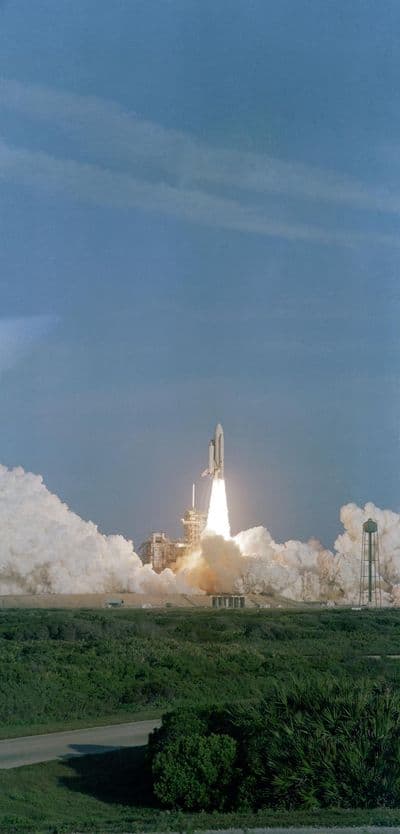
Eyewitness account
“We will never forget them, nor the last time we saw them, this morning, as they prepared for their journey and waved goodbye and slipped the surly bonds of earth to touch the face of God.”
STS-51-L was the first Space Shuttle mission to lose its entire crew. The disaster led to a 32-month grounding of the program, a redesign of the booster joints, and a lasting change in how NASA makes launch-safety decisions — warnings from working engineers were never again to be overridden for the sake of a schedule.
Gallery
Article on the timeline
Space Shuttle Challenger broke apart 73 seconds after launch due to an O-ring failure in its right solid rocket booster; the entire crew of seven was killed.
Open the entry →Check yourself
Who should decide whether a launch is safe enough to go ahead?
Answer in your own words — everything you need is in the article above.
Sources & further reading
- NASA History: The Challenger Accident — mission STS-51-L, 28 January 1986, O-ring failure.
- NASA: The Crew of the Space Shuttle Challenger STS-51L Mission — biographies of the seven crew members.
- NASA: STS-51L — mission overview page in the NASA catalog.
- Report of the Presidential Commission on the Space Shuttle Challenger Accident, vol. 1, 1986 — the official investigation report.
- Wikipedia: Space Shuttle Challenger disaster — baseline overview and cross-check, CC-BY-SA 4.0.
Spaceflightpedia. (n.d.). STS-51-L. Retrieved 9 October 2026, from https://spaceflightpedia.com/article/sts-51-l
article text — CC-BY-SA · ◉ NASA photography — public domain · ✦ AI illustration — marked, generated from sources