#Gemini#orbita#spojování
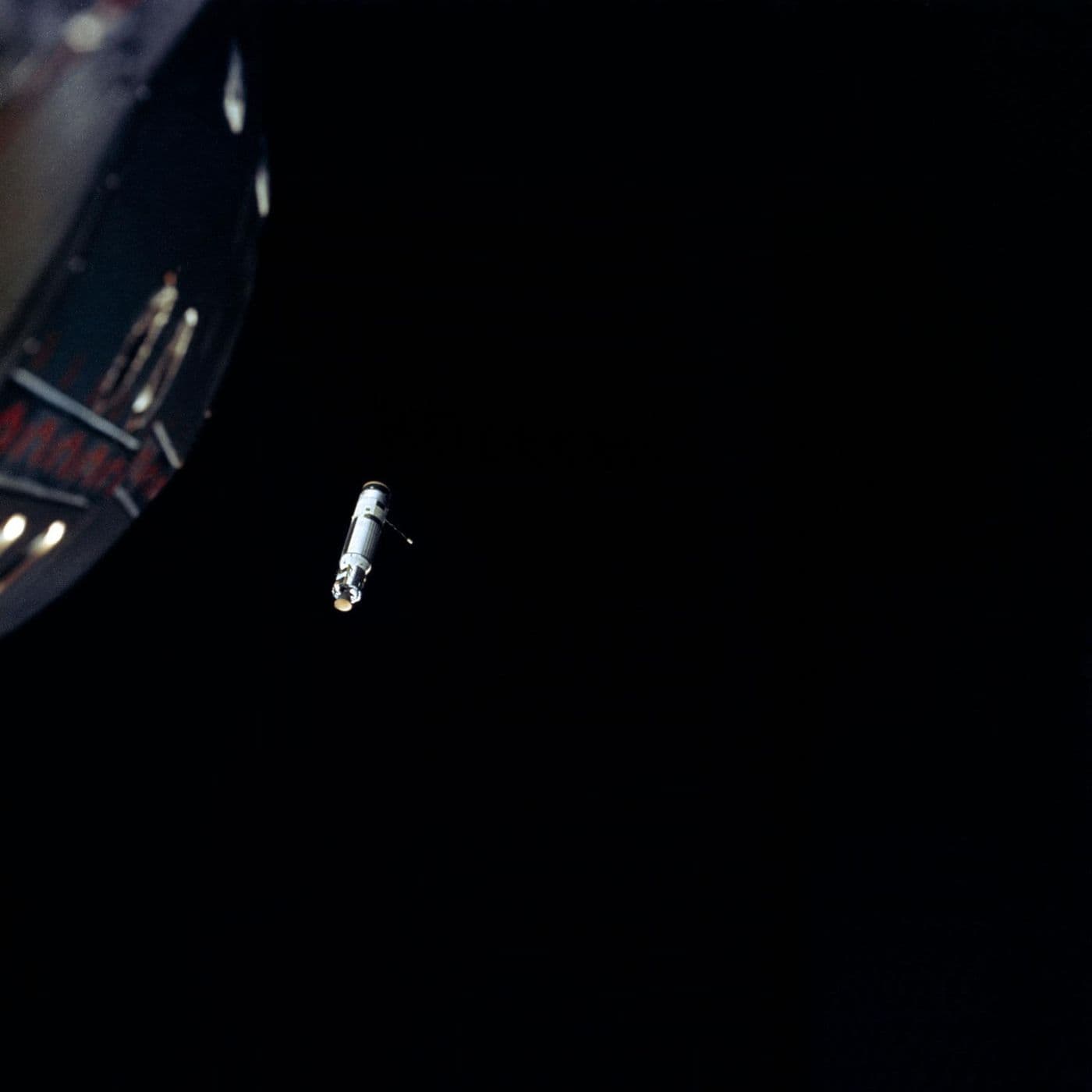
Rendezvous in orbit is not simply catching up with another spacecraft. Vehicles orbit Earth at different speeds and on different paths, so a crew or computer must precisely change orbital altitude and shape. Only at low relative speed can final approach and docking follow.
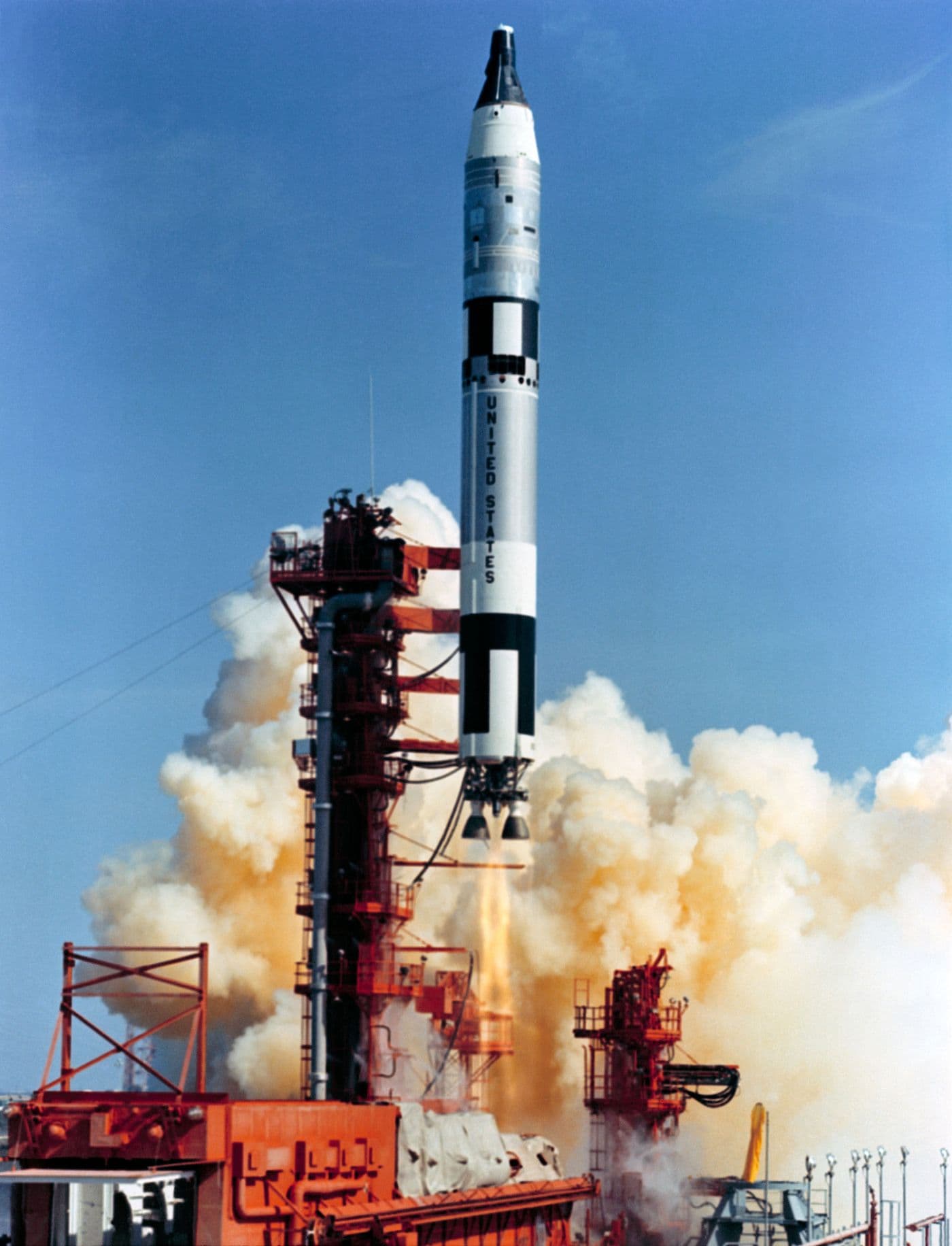
In 1966 Gemini 8 first docked a crewed spacecraft with an Agena target vehicle, although a control malfunction ended the flight early. Rendezvous and docking then became essential to Apollo, Soyuz, ISS resupply, and future missions assembling more complex systems beyond Earth.
Key facts
- Gemini 8 made the first docking of a crewed spacecraft with another object in orbit.
- Changing orbital altitude also changes a spacecraft’s orbital period.
- Docking enables transfer of crew, propellant, and supplies between spacecraft.
Sources & further reading
Spaceflightpedia. (n.d.). Spacecraft Rendezvous and Docking. Retrieved 9 October 2026, from https://spaceflightpedia.com/article/setkani-a-spojovani-lodi
article text — CC-BY-SA · ◉ NASA photography — public domain · ✦ AI illustration — marked, generated from sources