#záchranné systémy#abort#redundance#záložní posádky
The space race was not only about who could fly farther and faster — both sides understood well that a failure costing human life could jeopardize the entire program. This gave rise to an entire layer of backup and escape systems: technical (escape towers, aborts), organizational (backup crews), and programmatic (entire missions designed as insurance for other missions).
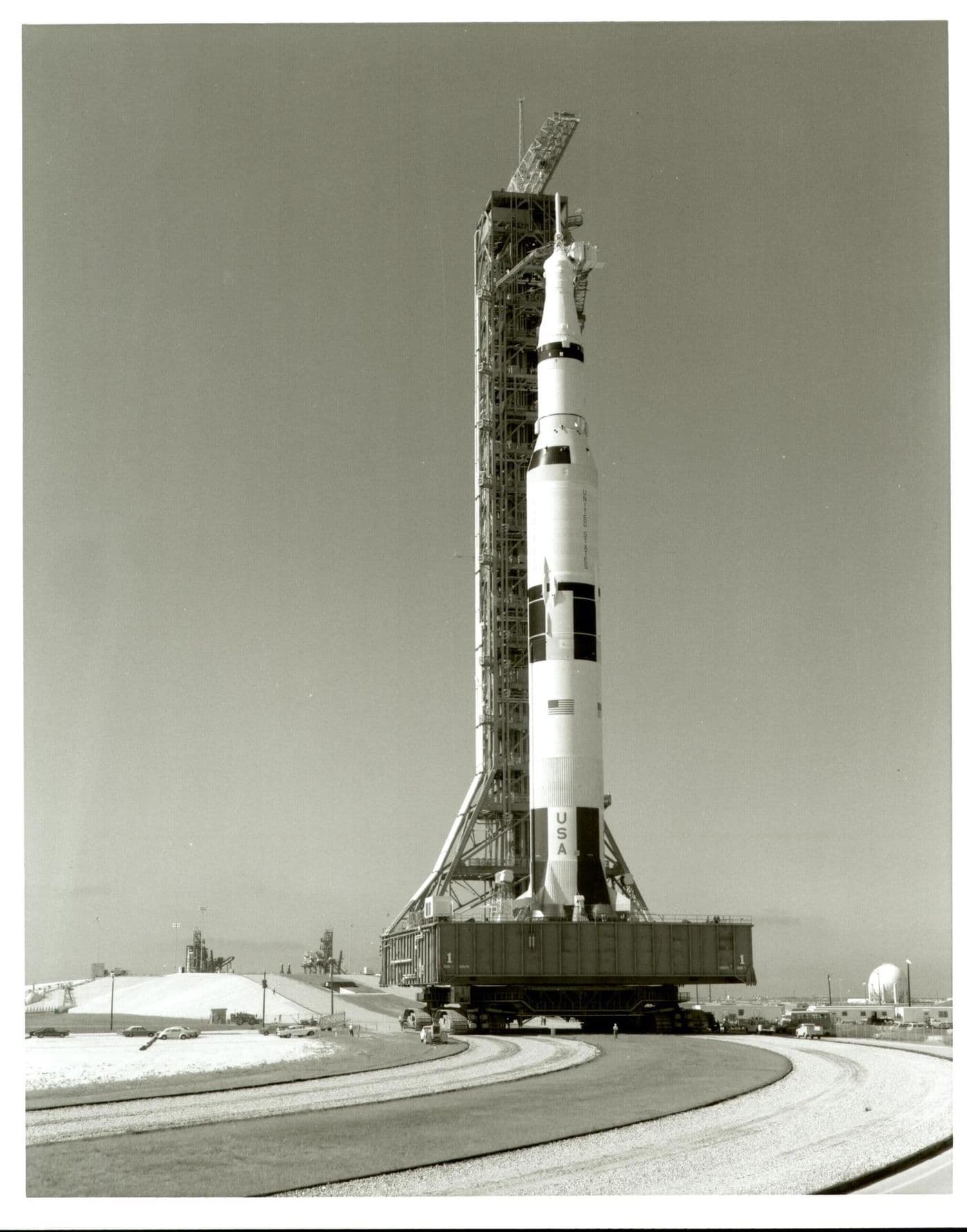
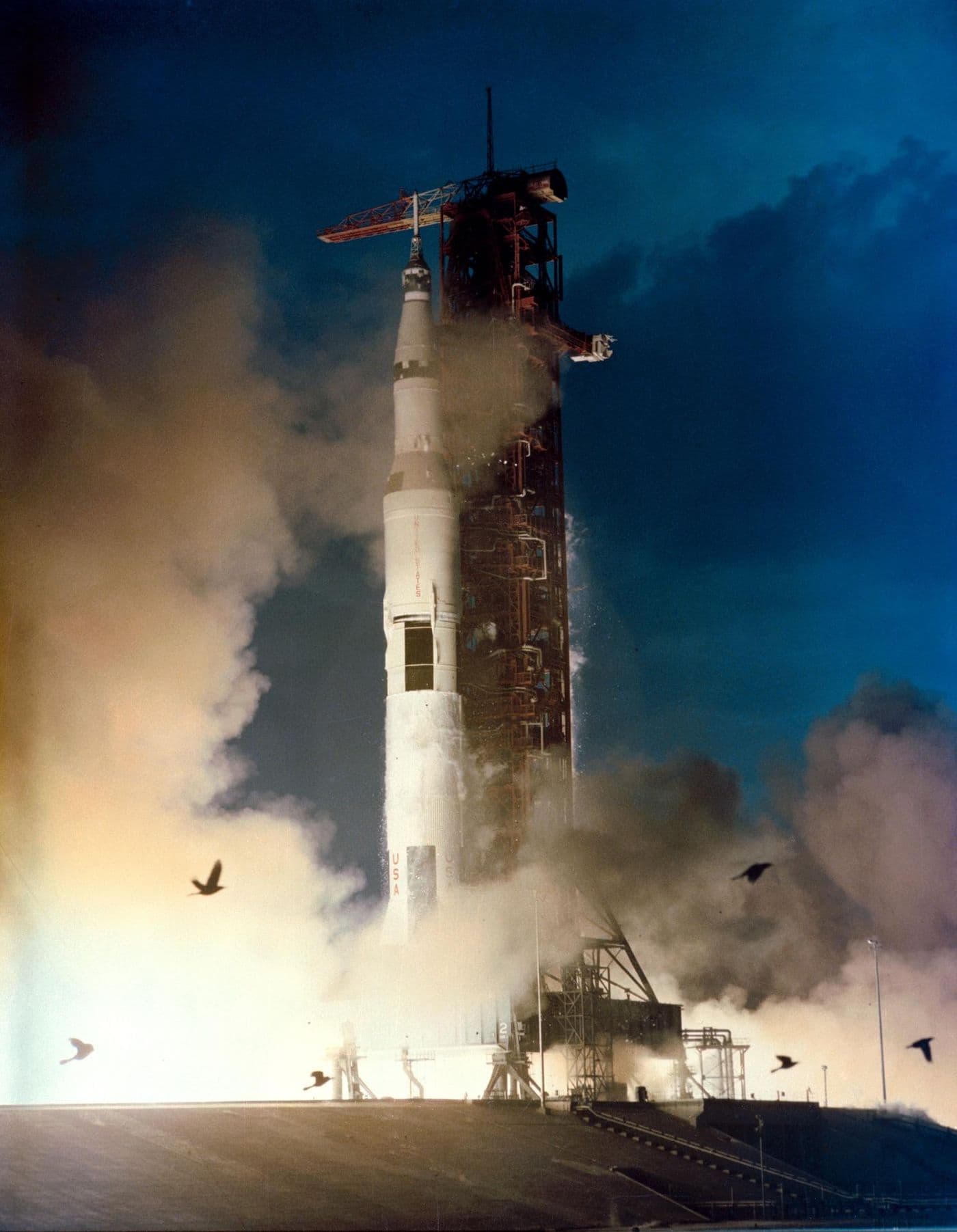
The American approach relied on the Launch Escape System (LES) tower atop the Mercury and Apollo spacecraft — in the event of a booster failure, a small rocket pulled the crew capsule away from the exploding vehicle. The Soviet program used a conceptually similar launch escape system (SAS) on Soyuz spacecraft, which was in fact used once in practice and saved the crew's lives.
Eyewitness account
“We felt a powerful jolt, and suddenly we were some distance from the pad — a few seconds later, where the rocket had stood, there was only fire.”
Development of Escape Systems
Gemini was approved as a bridge between Mercury and Apollo. It tested orbital rendezvous and docking, spacewalks, and long-duration flights needed for the journey to the Moon.
Aborts and Backups — By the Numbers
- Apollo abort modes
- 4
- G-force during the SAS abort of Soyuz T-10-1
- 15–17g
- Years the SAS was in service without live use
- 16years (1967–1983)
Follow us
Follow us on social media
New plates, trivia and behind-the-scenes updates as soon as they are ready.
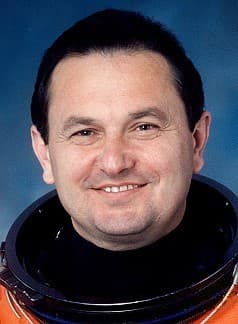
Crew of Soyuz t-10-1

Course of the Soyuz t-10-1 accident
Select a phase to read what happened. Every chapter has its own detailed page.
Fire on the Launch Pad
About 90 seconds before the planned launch toward the orbital station Salyut 7, a fuel leak occurred at the base of the Soyuz-U rocket, caused by a fault in a fueling valve. The leaking kerosene ignited almost immediately, and a fierce fire broke out on the launch pad.
Read the chapterActivation of the Escape System
When the automatic system failed, ground technicians at the pad had to manually send the command to activate the SAS — the launch escape system (Sistema Avariynogo Spaseniya) — literally in the final seconds before the fire engulfed the entire rocket.
Read the chapterLanding and Rescue
The descent module carrying the crew landed by parachute approximately four kilometers from the burning launch pad. Both cosmonauts survived the landing with minor injuries.
Read the chapterInteresting facts
- Soyuz T-10-1 is the only documented case in the history of spaceflight in which an escape system was activated during an actual fire on the launch pad with a crew aboard.
- The command to activate the SAS had to be issued manually by ground controllers, because the automatic detection system failed — the flames burned through the cabling before it could send the signal on its own.
- Commander Vladimir Titov flew into space again four years later, in 1987 — this time successfully, as commander of the Soyuz TM-4 mission.
Related entries
Article on the timeline
Gemini was approved as a bridge between Mercury and Apollo. It tested orbital rendezvous and docking, spacewalks, and long-duration flights needed for the journey to the Moon.
Check yourself
How would you save a crew from a rocket failing in the first seconds?
Answer in your own words — everything you need is in the article above.
Sources & further reading
- Wikipedia: Launch escape system — concept and history of spacecraft escape systems, CC-BY-SA 4.0.
- NASA History Office — Apollo Program (context of backup crews and the LES system).
Spaceflightpedia. (n.d.). Escape and Backup Systems in Spaceflight. Retrieved 9 October 2026, from https://spaceflightpedia.com/article/zachranne-zalozni-systemy
article text — CC-BY-SA · ◉ NASA photography — public domain · ✦ AI illustration — marked, generated from sources