#explainer
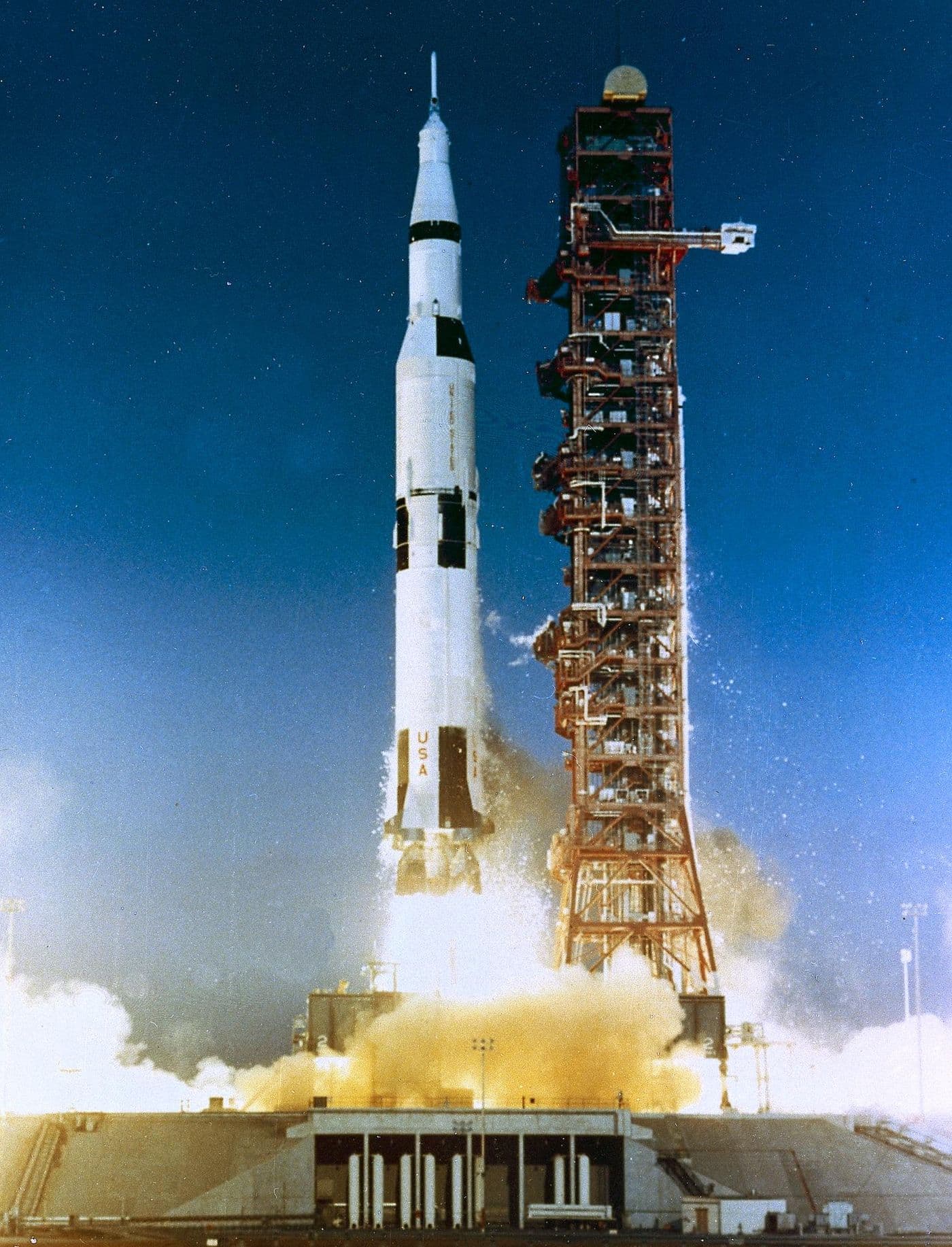
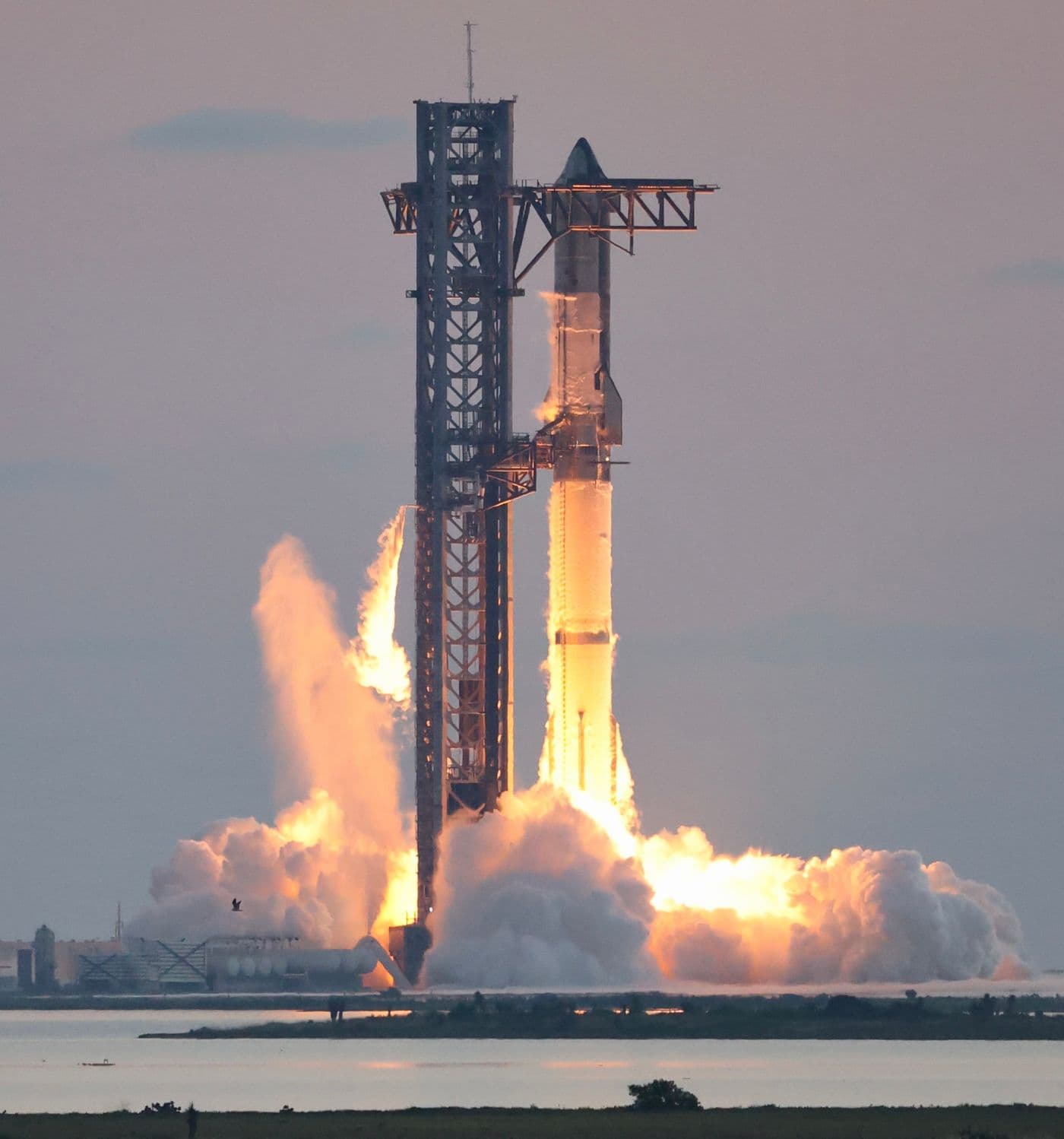
A chemical rocket carries its oxidizer with it. A liquid engine may burn fuel with liquid oxygen, while other engines use different oxidizers. Combustion therefore does not depend on surrounding air.
Fuel is not the entire tank load
Fuel and oxidizer are the two components of the propellant combination. Liquid engines usually store them separately and feed them into a combustion chamber. Solid motors contain the required ingredients in their solid grain. Carrying oxidizer allows operation above the atmosphere.
Not every space thruster burns something
Cold-gas thrusters release compressed gas, and electric engines accelerate particles using electric or magnetic fields. They do not need combustion, yet produce thrust by ejecting mass. Oxygen concerns the chemical reaction; the underlying principle of rocket propulsion is broader.
Why an aircraft works differently
An ordinary aircraft jet engine takes in air and uses its oxygen. A rocket replaces that dependence with carried oxidizer, which it must also accelerate at launch. Operating outside the atmosphere therefore has a mass cost. The distinction concerns the source of reaction ingredients, not whether hot gases can produce thrust.
Follow us
Follow us on social media
New plates, trivia and behind-the-scenes updates as soon as they are ready.
Key points
- Fuel and oxidizer are the two components of the propellant combination.
- Cold-gas thrusters release compressed gas, and electric engines accelerate particles using electric or magnetic fields.
- An ordinary aircraft jet engine takes in air and uses its oxygen.
Sources & further reading
- Thrust, propellants, staging and rocket flight fundamentals.
- Conservation of momentum and propulsion without pushing against air.
- Attitude control and thrust-vector steering.
- The distinction between gaining altitude and reaching orbit.
Spaceflightpedia. (n.d.). How does a rocket engine burn without air?. Retrieved 17 October 2026, from https://spaceflightpedia.com/article/rocket-oxygen
article text — CC-BY-SA · ◉ NASA photography — public domain · ✦ AI illustration — marked, generated from sources
More questions on this topic
- How can a rocket work in a vacuum?
- Why do rockets discard stages?
- Why does a rocket turn after launch?
- How is a rocket steered in space?