#explainer
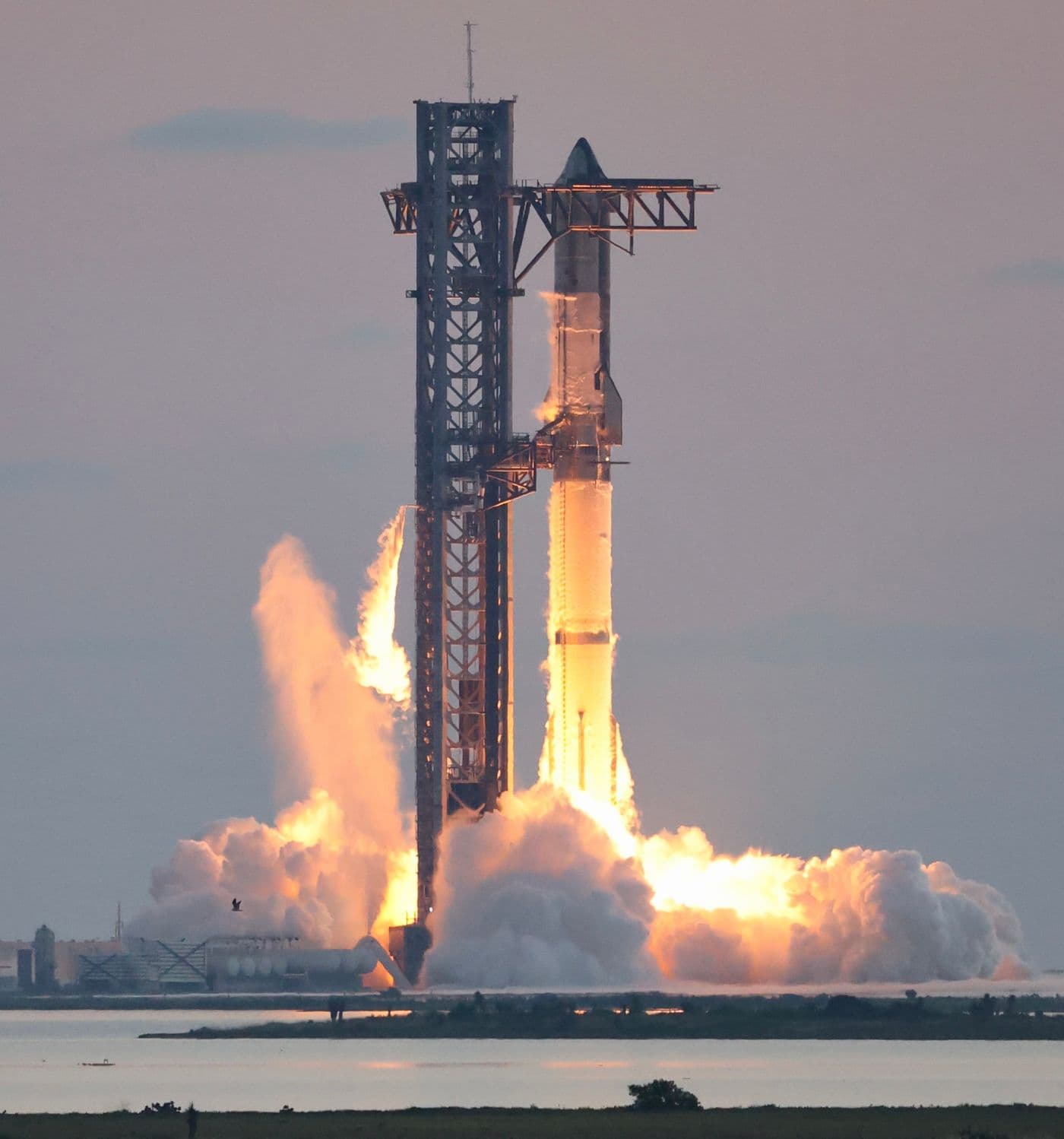
A rocket produces thrust by ejecting mass in one direction and changing its own motion in the opposite direction. It does not need air to push against. The same conservation-of-momentum principle works in an atmosphere and in a vacuum.
What the nozzle does
A chemical engine produces hot gases that expand and accelerate through a nozzle. The engine and exhaust exchange momentum. Ambient pressure affects performance and the best nozzle shape, but it is not required for thrust. Some engines therefore have dedicated vacuum variants.
Motion continues after shutdown
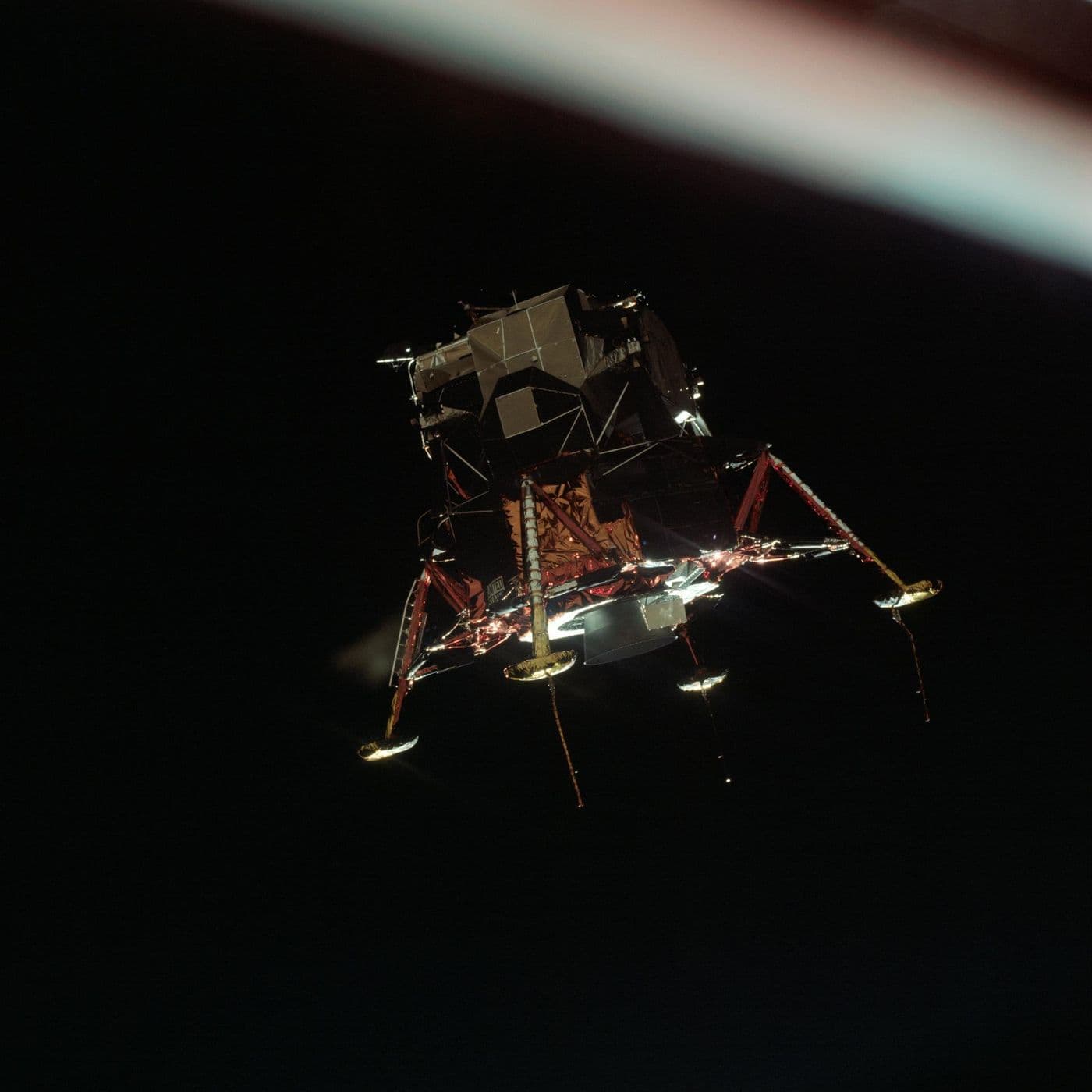
A spacecraft does not stop when its engine shuts down. It continues through inertia, while acting forces, mainly gravity, alter its trajectory. A burn changes velocity or the trajectory rather than sustaining every instant of flight. This explains long coasting phases in space missions.
Why turning the spacecraft is insufficient
Imagine a coasting spacecraft. If small thrusters point its nose elsewhere, its main direction of travel does not automatically turn too. Changing trajectory needs appropriately directed thrust. The everyday analogy of a car steering through tyre contact with a road therefore breaks down: nose direction and velocity direction can differ.
Follow us
Follow us on social media
New plates, trivia and behind-the-scenes updates as soon as they are ready.
Key points
- A chemical engine produces hot gases that expand and accelerate through a nozzle.
- A spacecraft does not stop when its engine shuts down.
- Imagine a coasting spacecraft.
Sources & further reading
- Thrust, propellants, staging and rocket flight fundamentals.
- Conservation of momentum and propulsion without pushing against air.
- Attitude control and thrust-vector steering.
- The distinction between gaining altitude and reaching orbit.
Spaceflightpedia. (n.d.). How can a rocket work in a vacuum?. Retrieved 17 October 2026, from https://spaceflightpedia.com/article/rockets-in-vacuum
article text — CC-BY-SA · ◉ NASA photography — public domain · ✦ AI illustration — marked, generated from sources
More questions on this topic
- How does a rocket engine burn without air?
- Why do rockets discard stages?
- Why does a rocket turn after launch?
- How is a rocket steered in space?