#explainer
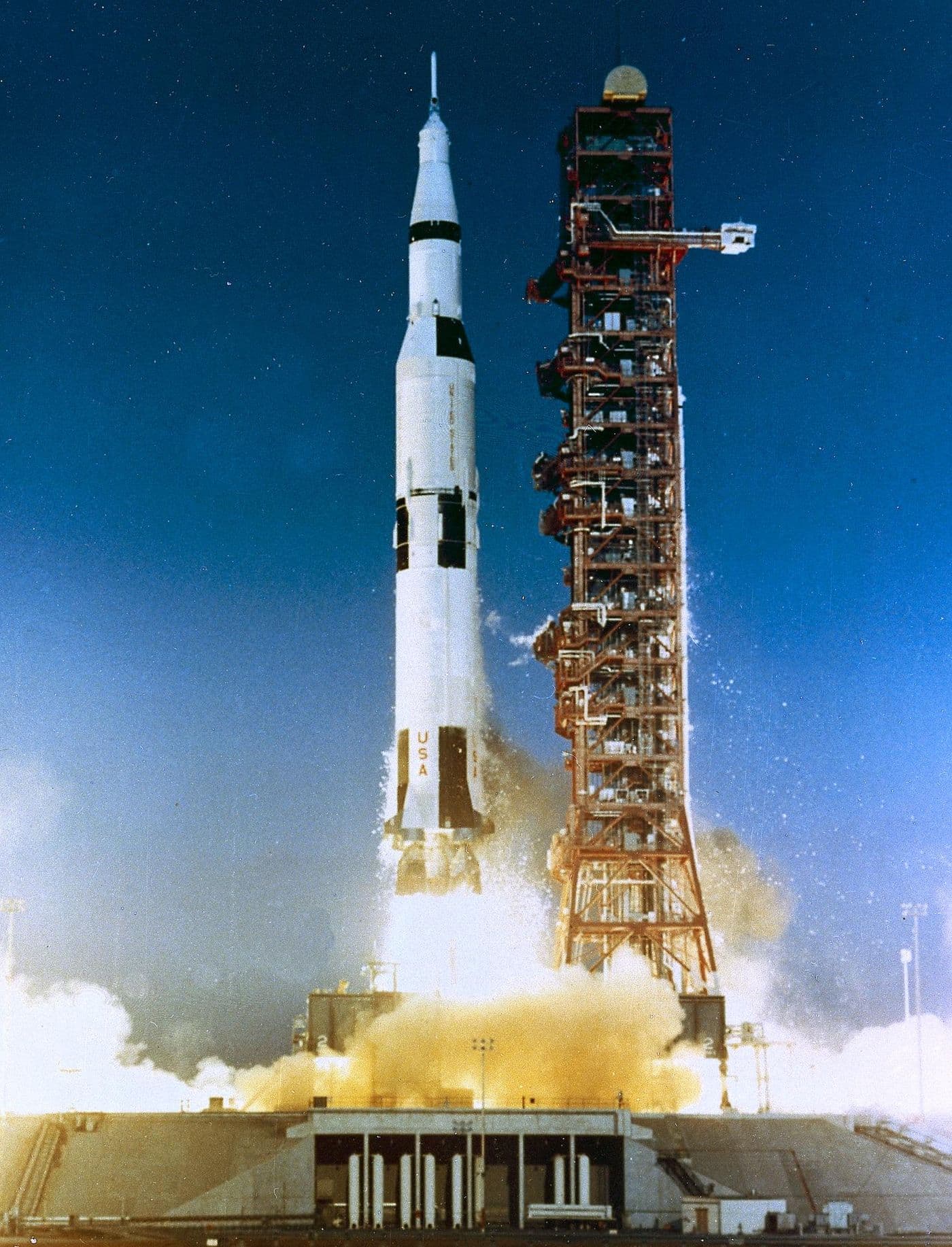
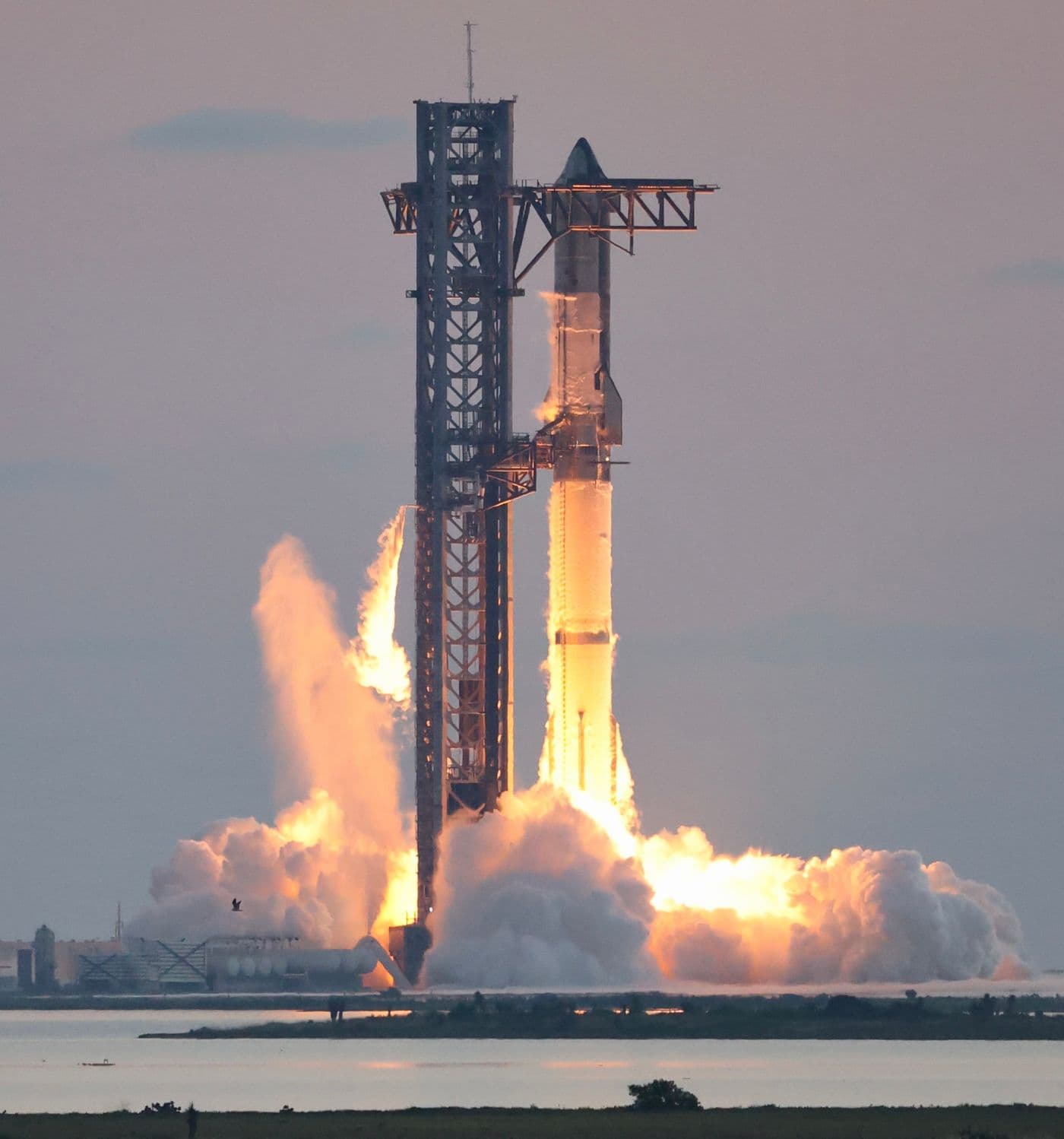
Empty tanks and unneeded engines would burden the rest of the flight. Separating a spent stage reduces the mass that the remaining rocket must accelerate. The same remaining propellant can then provide a greater velocity change.
Why a larger tank is not the whole answer
Extra propellant also increases initial mass and requires more structure. The rocket equation relates achievable velocity change to the ratio of initial and final mass. Staging allows part of the structure to be discarded during flight rather than carried to the destination.
Discarding does not necessarily mean destroying
A separated stage can burn up, fall into a designated area or make a controlled return. Recovery requires equipment and propellant reserves. Reusability and staging are therefore different properties: a reusable launcher can still have several stages.
When separation would not help
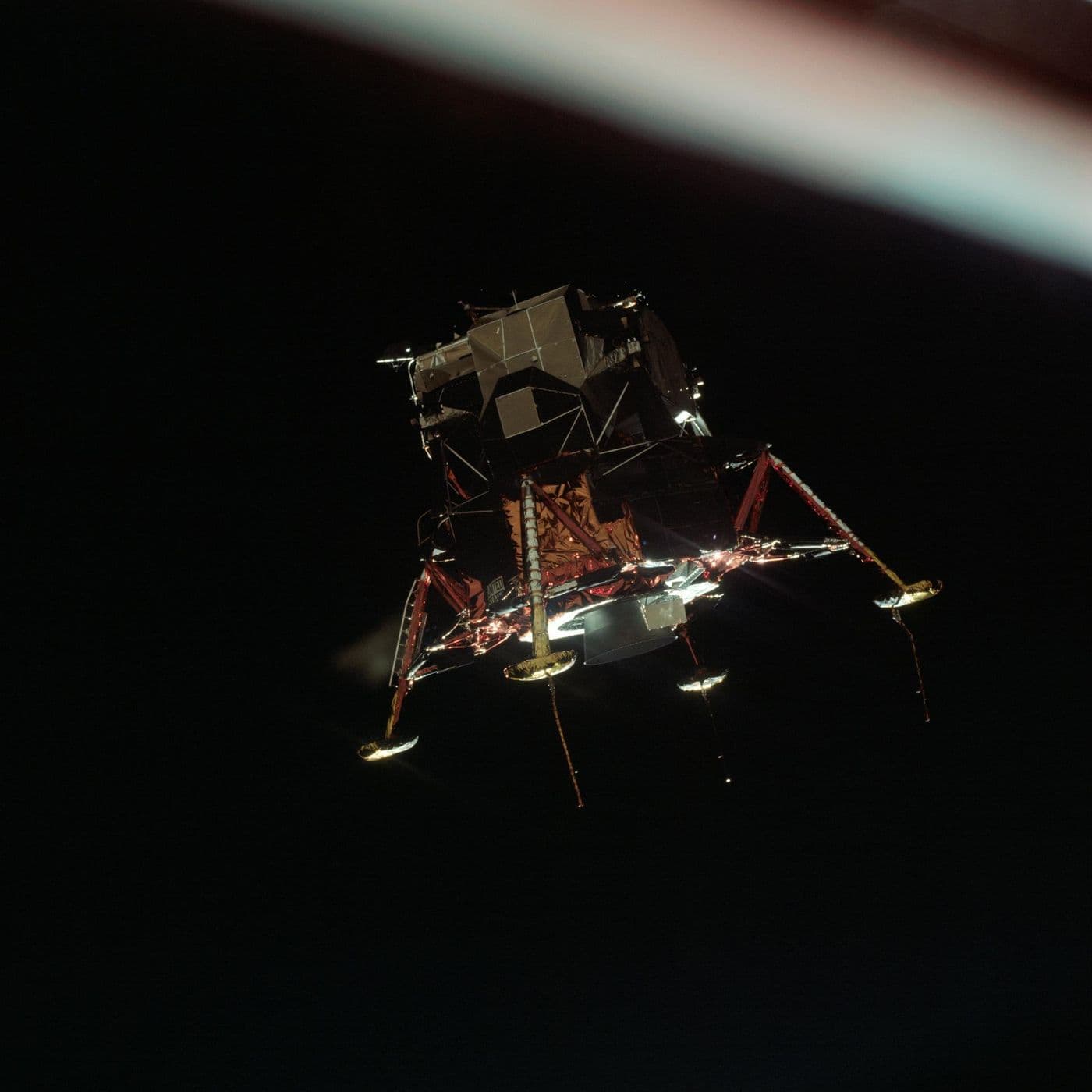
A stage cannot sensibly be discarded before another part can take over its task. Separation needs mechanisms, correct timing and safe clearance before flight continues. These elements add mass and possible failures. Staging is therefore a design optimization, not a rule that more stages always make a better rocket.
Follow us
Follow us on social media
New plates, trivia and behind-the-scenes updates as soon as they are ready.
Key points
- Extra propellant also increases initial mass and requires more structure.
- A separated stage can burn up, fall into a designated area or make a controlled return.
- A stage cannot sensibly be discarded before another part can take over its task.
Sources & further reading
- Thrust, propellants, staging and rocket flight fundamentals.
- Conservation of momentum and propulsion without pushing against air.
- Attitude control and thrust-vector steering.
- The distinction between gaining altitude and reaching orbit.
Spaceflightpedia. (n.d.). Why do rockets discard stages?. Retrieved 17 October 2026, from https://spaceflightpedia.com/article/rocket-stages
article text — CC-BY-SA · ◉ NASA photography — public domain · ✦ AI illustration — marked, generated from sources
More questions on this topic
- How can a rocket work in a vacuum?
- How does a rocket engine burn without air?
- Why does a rocket turn after launch?
- How is a rocket steered in space?