#explainer
Reaching orbit requires more than climbing high. A rocket must acquire substantial sideways speed. After its initial vertical ascent, it gradually tilts its flight path and uses an increasing share of thrust for horizontal acceleration.
First, clear the launch pad
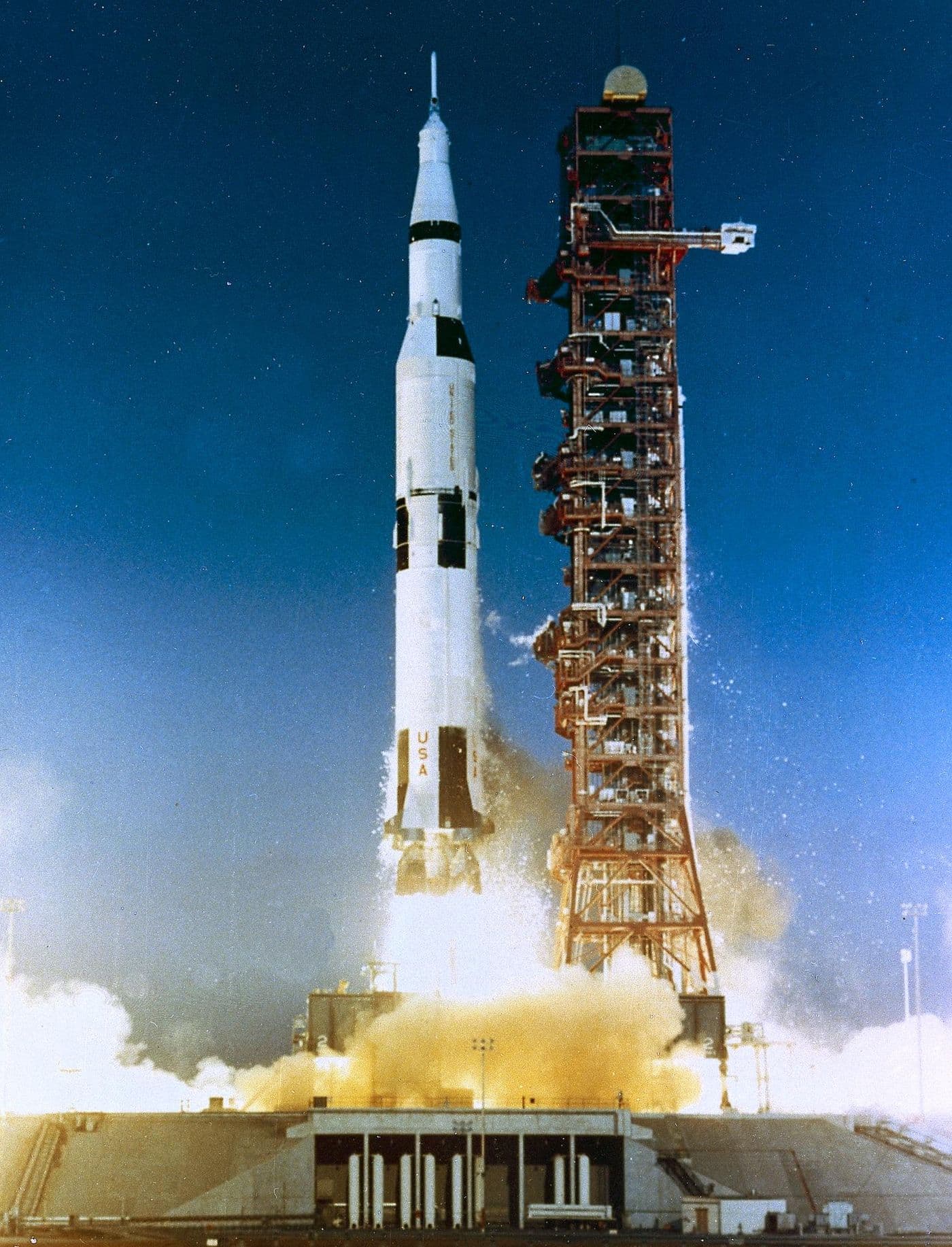
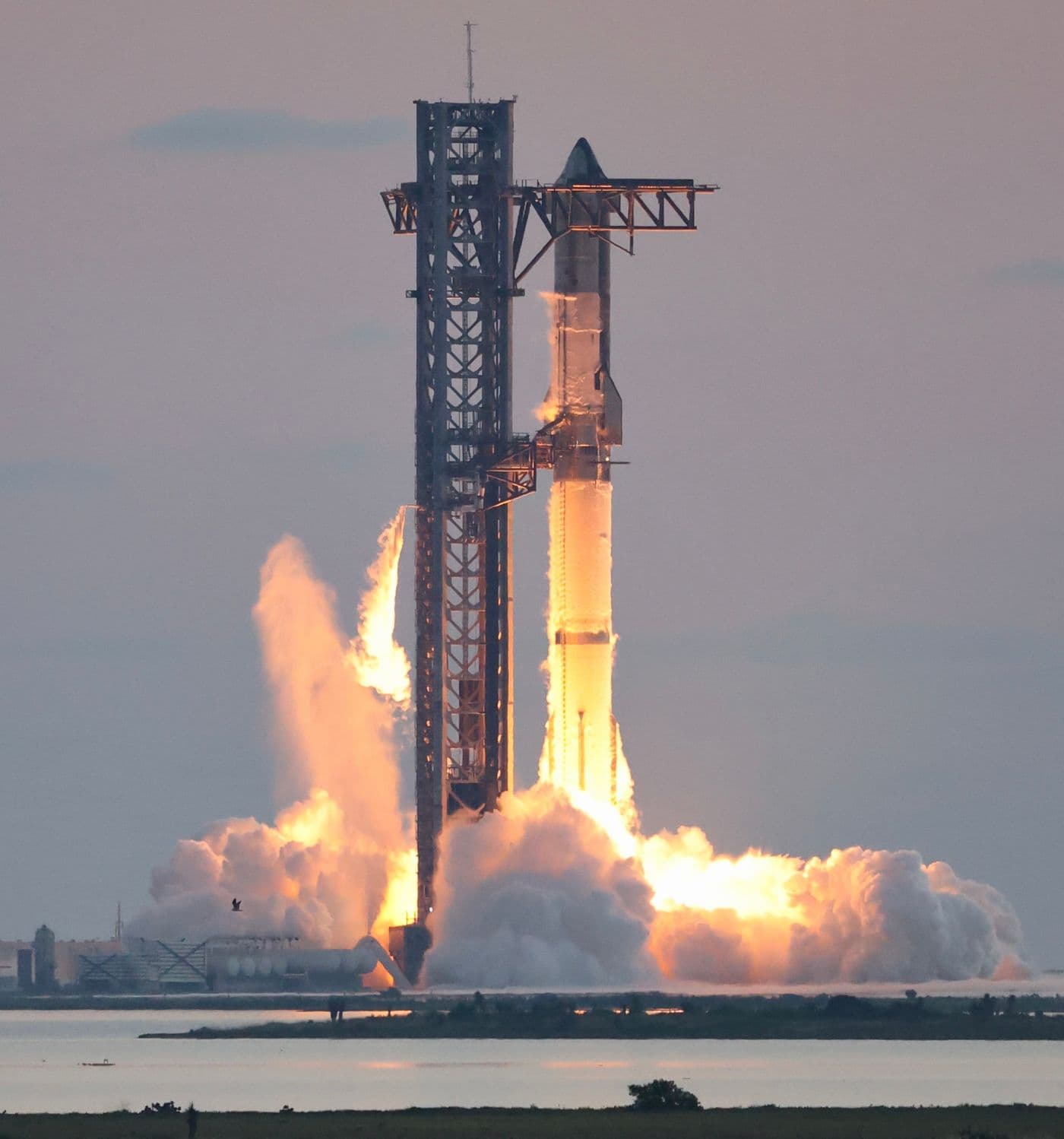
The initial climb provides clearance from the pad and helps the vehicle pass through the dense lower atmosphere. Planned guidance then controls flight direction and inclination. The trajectory must account for aerodynamic loads, engine performance, public safety and the required destination orbit.
How an orbit results
With enough sideways speed, gravity curves motion around Earth instead of quickly returning the spacecraft to the surface. The rocket targets a particular orbital plane, so launches do not all look alike. A purely upward flight may reach space but remains suborbital without the required velocity.
Why a rocket cannot turn arbitrarily
In dense air, a large angle between the vehicle and airflow can increase structural loads. Guidance therefore respects allowable loading along the route as well as the destination. A gradually changing path coordinates propulsion, gravity and aerodynamics. A tilted rocket in a photograph is not itself evidence of a flight deviation.
Follow us
Follow us on social media
New plates, trivia and behind-the-scenes updates as soon as they are ready.
Key points
- The initial climb provides clearance from the pad and helps the vehicle pass through the dense lower atmosphere.
- With enough sideways speed, gravity curves motion around Earth instead of quickly returning the spacecraft to the surface.
- In dense air, a large angle between the vehicle and airflow can increase structural loads.
Sources & further reading
- Thrust, propellants, staging and rocket flight fundamentals.
- Conservation of momentum and propulsion without pushing against air.
- Attitude control and thrust-vector steering.
- The distinction between gaining altitude and reaching orbit.
Spaceflightpedia. (n.d.). Why does a rocket turn after launch?. Retrieved 17 October 2026, from https://spaceflightpedia.com/article/rocket-turn-after-launch
article text — CC-BY-SA · ◉ NASA photography — public domain · ✦ AI illustration — marked, generated from sources
More questions on this topic
- How can a rocket work in a vacuum?
- How does a rocket engine burn without air?
- Why do rockets discard stages?
- How is a rocket steered in space?