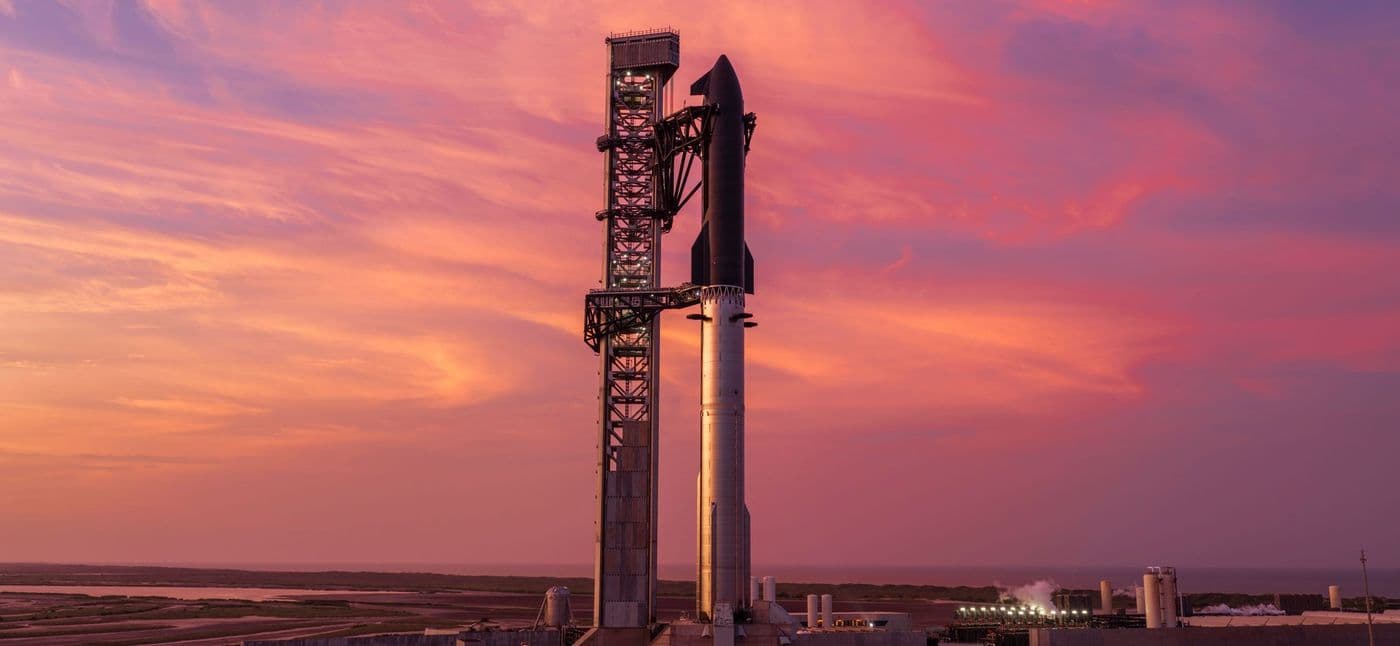
#Starship#Flight 14#SpaceX#Super Heavy#Raptor 3#Starlink V3#orbit
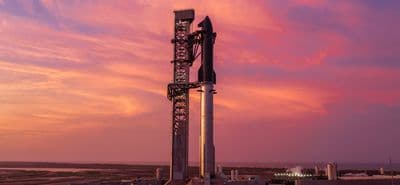
The fourteenth integrated Starship flight on 28 September 2026 reached a milestone no previous test had achieved: Ship 41 entered Earth orbit and deployed 26 Starlink V3 satellites. Liftoff from Pad 2 at Starbase occurred at about 12:48 UTC. The flight did not follow the original plan throughout. One of the ship’s six engines shut down early during ascent, prompting controllers to assess whether orbital insertion was safe. After payload deployment, SpaceX shortened the planned nearly ten-hour mission and returned the ship after roughly three hours.
Flight facts
- Liftoff: 28 September 2026 at about 12:48 UTC; Pad 2, Starbase, Texas.
- Vehicle: Super Heavy B21 and Ship 41, V3; uncrewed.
- Starship’s first achieved Earth orbit: roughly 275 km.
- Payload: all 26 Starlink V3 satellites deployed and contacted; three carried heat-shield cameras.
- Booster: soft Gulf splashdown; ship: northern Pacific return after 3 h 8 min.
- Deviations: one booster engine and one ship vacuum engine shut down early; the nearly ten-hour plan was shortened as a precaution.
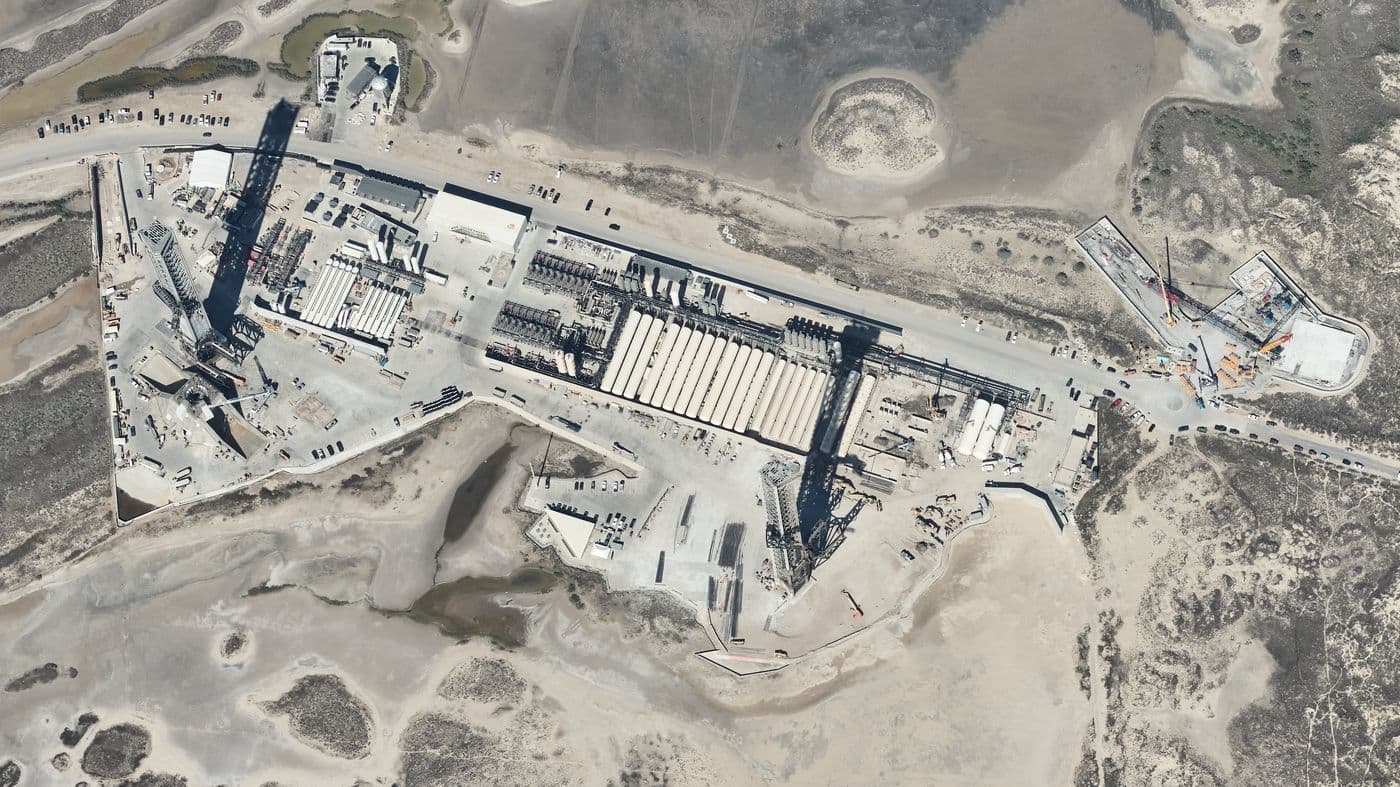
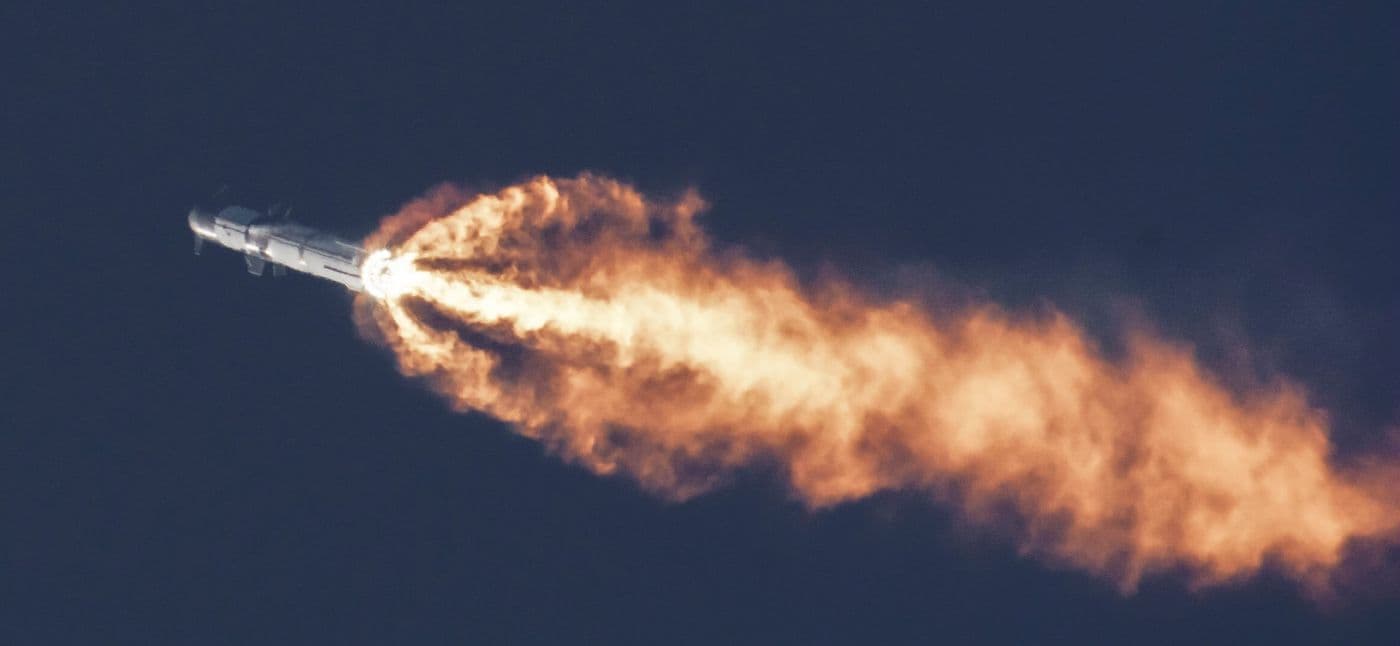
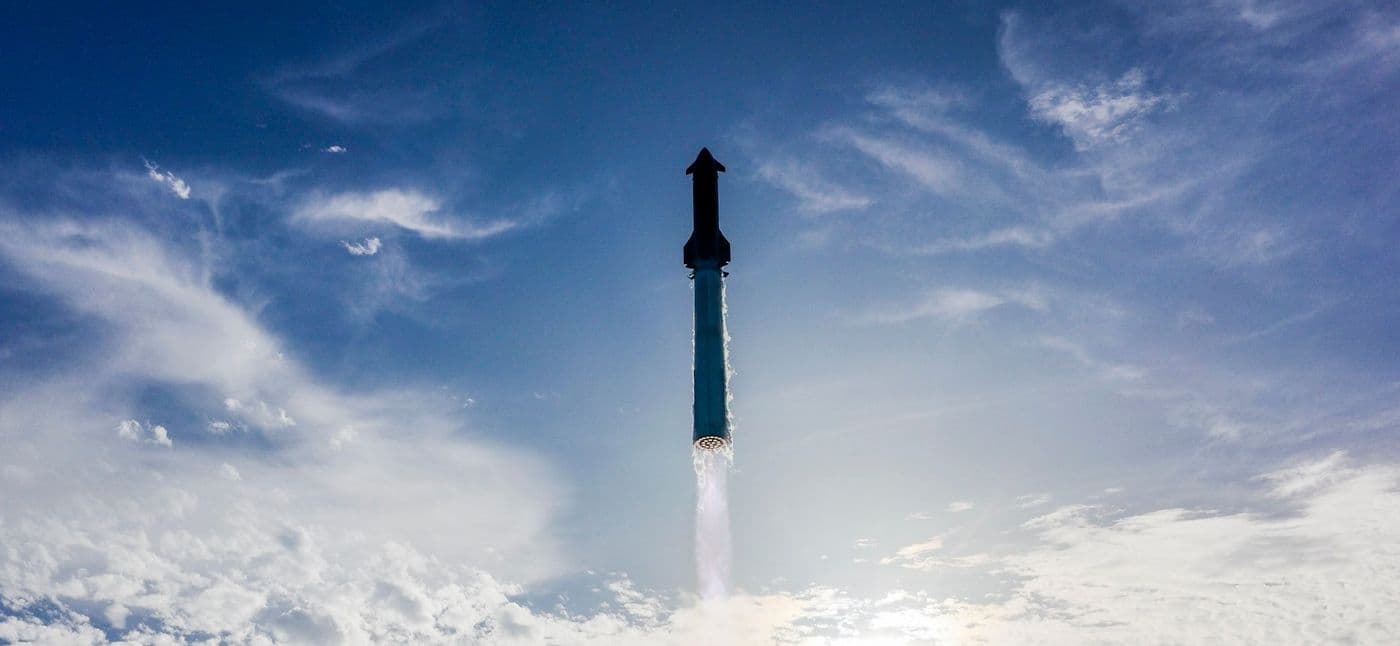
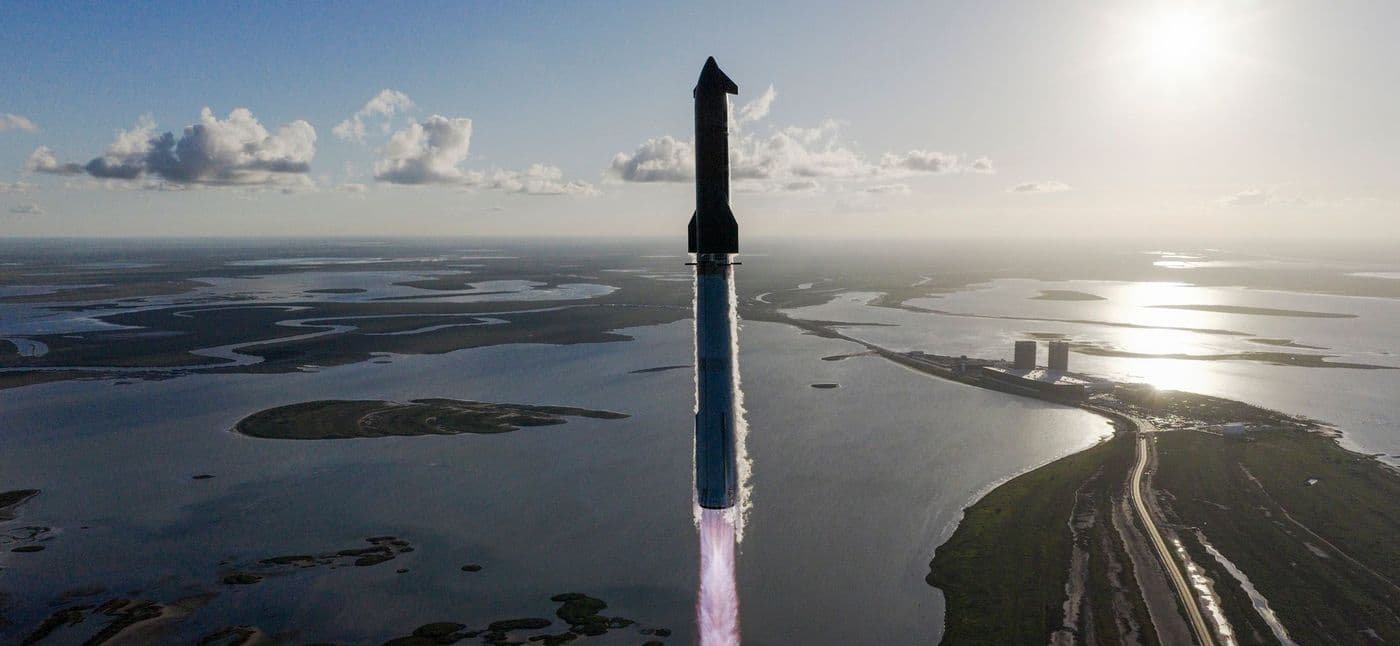
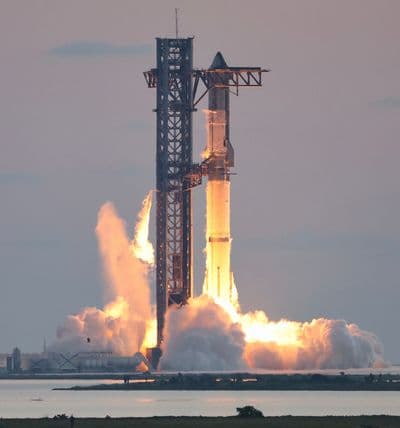
The V3 stack, comprising Booster 21 and Ship 41, launched from Starbase in south Texas. Hot staging followed about two and a half minutes later. In its post-flight account, SpaceX confirmed that one booster Raptor shut down during the initial climb. The boostback burn relit 31 of the planned 33 engines, and the high-thrust landing burn relit 11 of 13. Super Heavy nevertheless made a controlled Gulf of Mexico splashdown; no tower catch was planned. After landing-burn shutdown, SpaceX triggered the booster flight termination system as a test of safety hardware. One vacuum Raptor on Ship 41 also shut down early during ascent. Its five remaining engines burned longer to reach the planned suborbital trajectory. Controllers then checked the three sea-level engines and cleared an orbital insertion burn using one of them. About 25 minutes after liftoff, Ship 41 entered low Earth orbit at roughly 275 kilometres.
Starship began releasing Starlink V3 satellites around 34 minutes into flight and deployed all 26 over about half an hour. SpaceX later confirmed contact with every satellite through laser links, ground stations, or user terminals. Three carried cameras intended to image the ship’s heat shield. This was Starship’s first delivery of operational payload to orbit; satellites released on previous suborbital flights soon reentered. On-orbit checkouts and orbit raising are still ahead; long-term operation in the constellation has not yet been established.
Gallery
The original plan called for about six Earth orbits, nearly ten hours in flight, and a Pacific splashdown west of Chile. SpaceX later said controllers shortened the orbital stay as a precaution because of the ascent engine issue. The northern Pacific was one of two landing zones coordinated and cleared of sea and air traffic before launch. A single Raptor performed the deorbit burn. Ship 41 survived atmospheric reentry, relit three engines for its final landing flip, and reached the targeted splashdown area about three hours and eight minutes after launch. Video after water contact showed the ship tip over and explode. SpaceX has not yet published the precise cause of the early engine shutdowns.
Follow us
Follow us on social media
New plates, trivia and behind-the-scenes updates as soon as they are ready.
Orbital insertion depends on horizontal velocity, rather than altitude alone, and an orbital vehicle must subsequently leave that trajectory in a controlled way. Flight 14 combined orbital insertion, deployment of real satellites, and controlled return for the first time. The shortened mission and engine shutdown also show that this remains a test programme. Repeatable flights, ship recovery, rapid reuse, and orbital propellant transfer for the lunar Starship HLS remain ahead.
Starship V3 uses 33 Raptor 3 engines on Super Heavy and six on the ship, burning liquid methane and oxygen. Flight 12 in May 2026 began V3 flight testing, while Flight 13 in July tested satellite release on a suborbital trajectory. Flight 14 was the third integrated flight of this generation. Ocean returns for both stages were planned; SpaceX did not attempt a tower catch of either vehicle.
Related articles
Starship — programme and adjacent flights

Article on the timeline
Sources & further reading
- SpaceX — Starship Flight 14
- Space.com — průběh Flight 14
- Space.com — shrnutí po letu
- NASA — Human Landing System
Spaceflightpedia. (n.d.). Starship Flight 14: first orbital flight and 26 Starlink V3 satellites. Retrieved 16 October 2026, from https://spaceflightpedia.com/article/starship-flight-14-prvni-orbitalni-pokus
article text — CC-BY-SA · ◉ NASA photography — public domain · ✦ AI illustration — marked, generated from sources