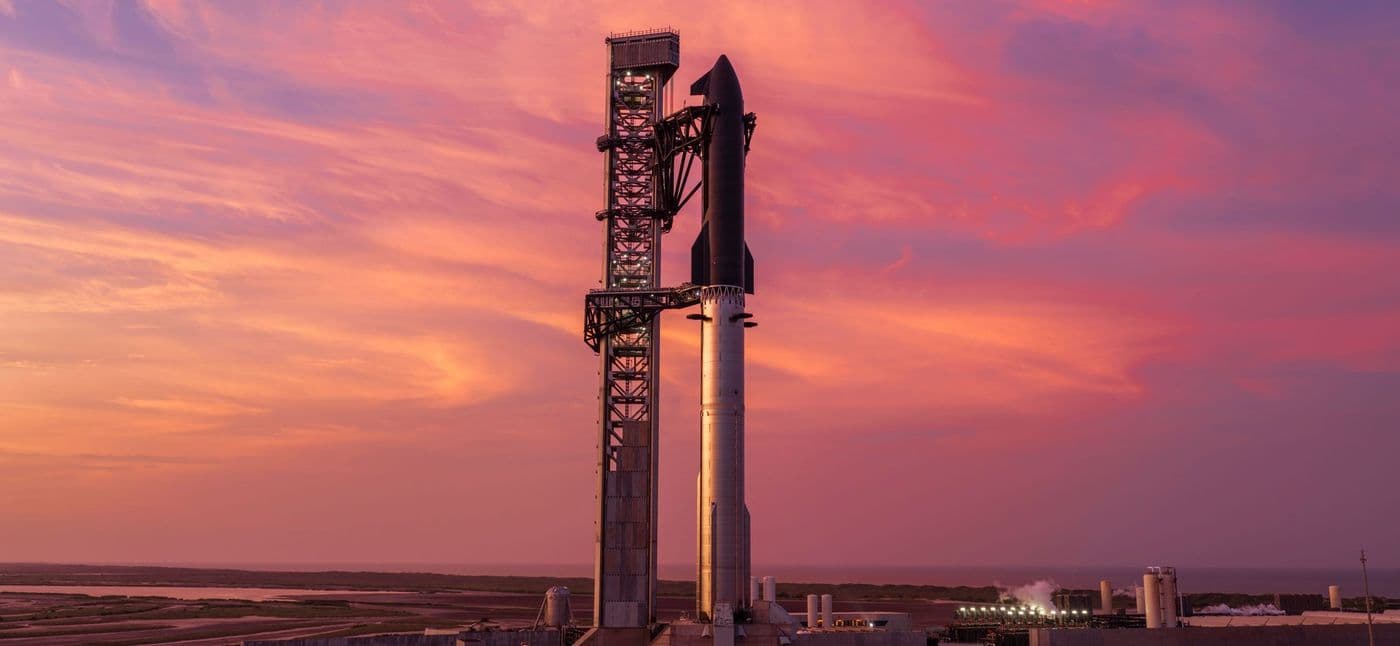
#Starship#Flight 14#SpaceX#Super Heavy#Raptor 3#Starlink V3#orbit
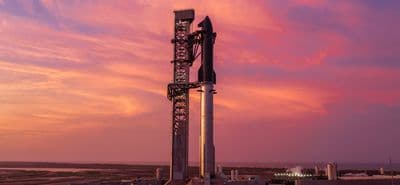
Čtrnáctý integrovaný let Starshipu 28. září 2026 překročil hranici, kterou předchozí zkoušky nedosáhly: horní stupeň Ship 41 se dostal na skutečnou oběžnou dráhu Země a vypustil 26 družic Starlink V3. Start z rampy Pad 2 ve Starbase nastal přibližně ve 12:48 UTC, tedy ve 14:48 SELČ. Let se přitom nevyvíjel přesně podle plánu. Jeden ze šesti motorů horního stupně při stoupání předčasně vypnul a řídicí tým musel rozhodnout, zda je orbitální vložení bezpečné. Po úspěšném vypuštění nákladu SpaceX zkrátila zamýšlenou téměř desetihodinovou misi a navedla loď k návratu po zhruba třech hodinách.
Let v číslech
- Start: 28. září 2026 přibližně 12:48 UTC / 14:48 SELČ; Pad 2, Starbase, Texas.
- Sestava: Super Heavy B21 a Ship 41, verze V3; bez posádky.
- První dosažená oběžná dráha Starshipu: přibližně 275 km.
- Náklad: vypuštěno všech 26 družic Starlink V3 a se všemi navázáno spojení; tři s kamerami pro snímání štítu.
- Booster: měkké dosednutí do Mexického zálivu; loď: návrat do severního Pacifiku po 3 h 8 min.
- Odchylky: předčasné vypnutí jednoho motoru boosteru a jednoho vakuového motoru lodi; preventivní zkrácení téměř desetihodinového profilu.
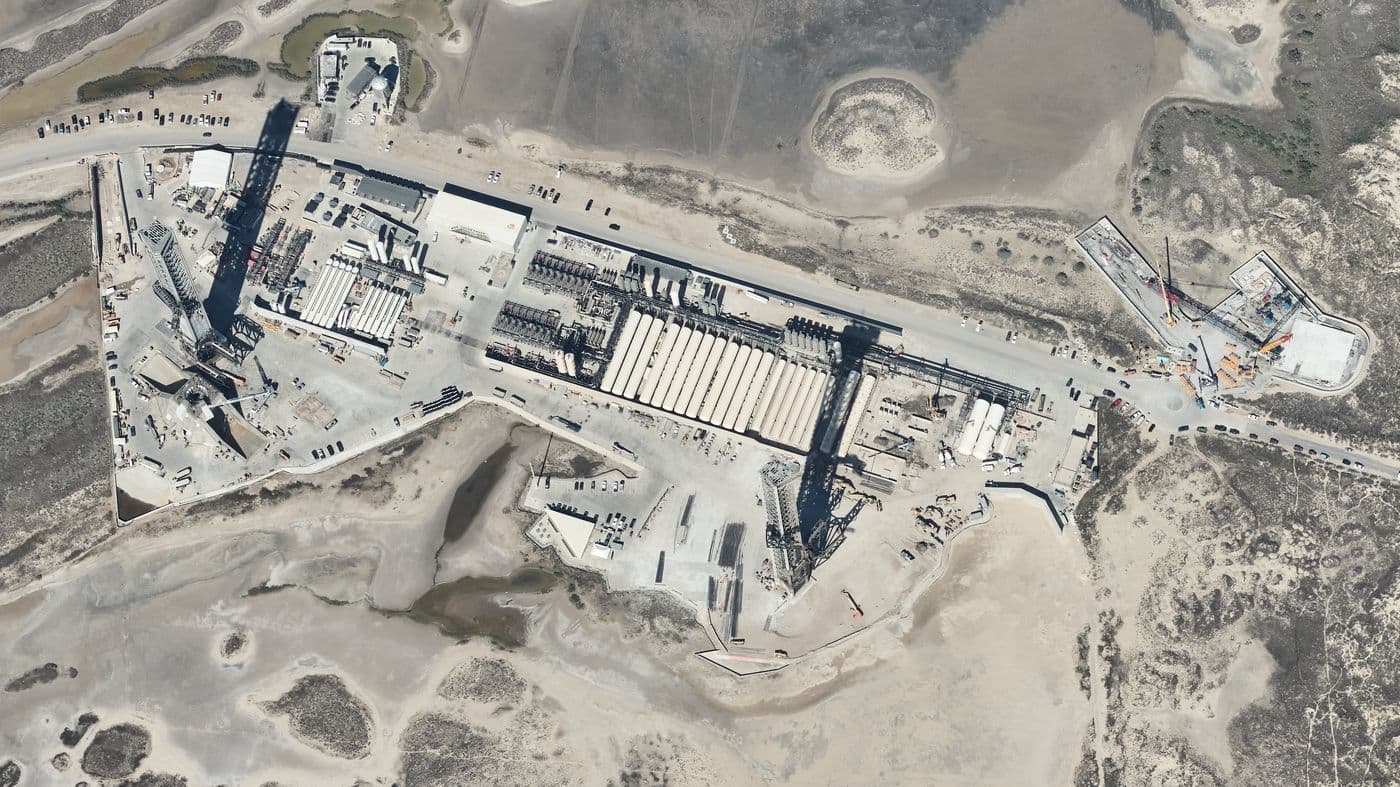
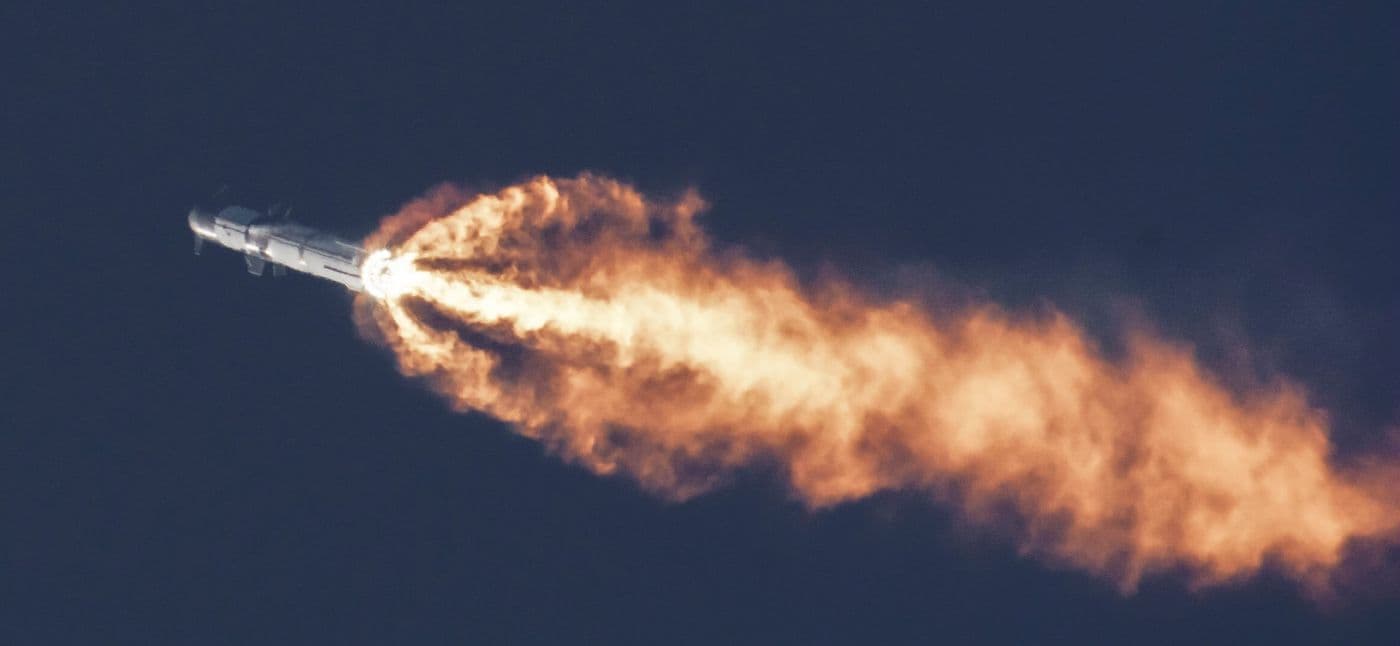
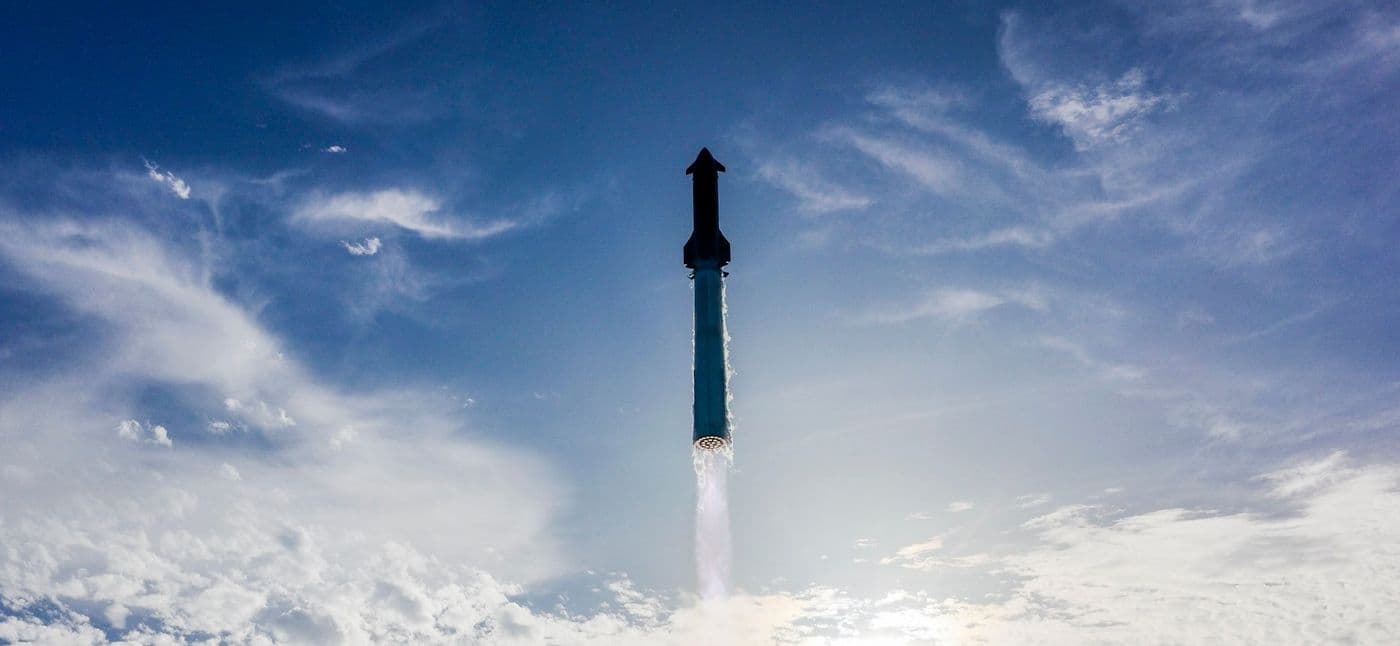
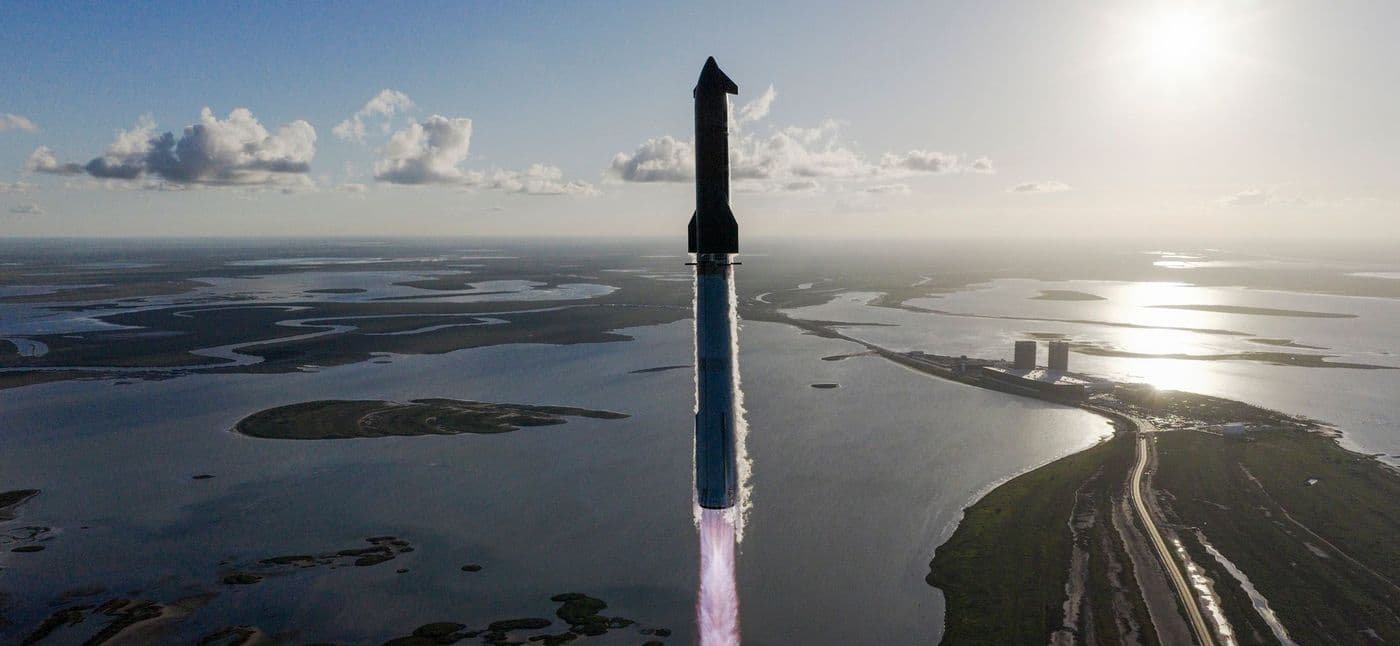
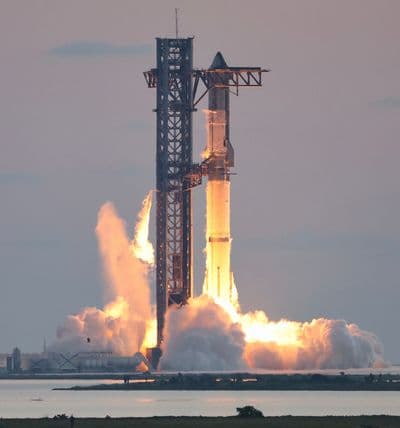
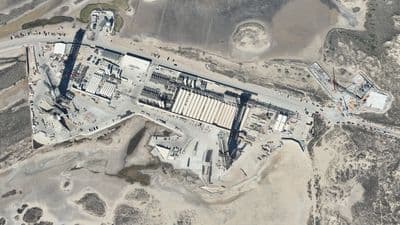
Sestava V3 s boosterem B21 a lodí Ship 41 odstartovala ze Starbase v jižním Texasu. Po přibližně dvou a půl minutách proběhlo horké oddělení stupňů. SpaceX po letu potvrdila, že při počátečním stoupání boosteru předčasně vypnul jeden Raptor. Pro návratový zážeh se zažehlo 31 z plánovaných 33 motorů a pro hlavní část přistávacího zážehu 11 z plánovaných 13. Super Heavy přesto řízeně dosedl na hladinu Mexického zálivu; pokus o zachycení věží se neplánoval. Po vypnutí přistávacího zážehu SpaceX aktivovala jeho systém ukončení letu jako zkoušku bezpečnostního vybavení. U horního stupně při stoupání předčasně vypnul jeden vakuový Raptor. Zbylých pět motorů pracovalo déle a loď dosáhla zamýšlené suborbitální trajektorie. Řídicí tým poté ověřil tři motory pro provoz v atmosféře a povolil orbitální zážeh jednoho z nich. Přibližně 25 minut po startu se Ship 41 dostal na nízkou oběžnou dráhu ve výšce kolem 275 kilometrů.
Zhruba od 34. minuty letu Starship vypouštěl družice Starlink V3. Celkem se během přibližně půl hodiny oddělilo všech 26 kusů. SpaceX později potvrdila navázání spojení s každou z nich prostřednictvím laserových spojů, pozemních stanic nebo uživatelských terminálů. Tři družice nesly kamery určené k fotografování tepelného štítu lodi. Šlo o první dodání skutečného nákladu Starshipem na oběžnou dráhu: družice vypuštěné při předchozích zkouškách letěly po suborbitální trajektorii a zanikly v atmosféře. Družice nyní čekají kontroly na oběžné dráze a zvyšování dráhy; dlouhodobý provoz v síti dosud nebyl potvrzen.
Galerie
Předstartovní plán počítal přibližně se šesti oběhy Země, téměř deseti hodinami letu a návratem do Pacifiku západně od Chile. SpaceX po letu uvedla, že kvůli výpadku motoru při stoupání z opatrnosti zkrátila pobyt lodi na oběžné dráze. Severní Pacifik byl jednou ze dvou předem připravených a pro leteckou i lodní dopravu vyklizených oblastí. Jeden motor Raptor provedl deorbitační zážeh. Ship 41 prošel atmosférickým návratem, znovu zažehl tři motory pro závěrečné přetočení a přibližně tři hodiny a osm minut po startu dosedl do cílové oblasti. Záběry po kontaktu s vodou ukazovaly převrácení a explozi lodi. Přesná příčina předčasného vypnutí motorů zatím nebyla zveřejněna.
Sledujte nás
Sledujte nás na sociálních sítích
Nové desky, zajímavosti a zákulisí psaní encyklopedie hned, jak vzniknou.
Orbitální vložení je důležitější než samotná dosažená výška: loď musí získat dostatečnou vodorovnou rychlost, aby Zemi obíhala, a potom umět dráhu cíleně opustit. Flight 14 poprvé v jediném letu propojil orbitální zážeh, vypuštění reálných družic a řízený návrat. Zkrácení mise a výpadek motoru zároveň ukazují, že program zůstává ve fázi zkoušek. Dalšími úkoly jsou opakovatelné lety, záchrana horního stupně, rychlé znovupoužití a přečerpávání paliva na oběžné dráze, které je potřebné pro lunární variantu Starship HLS.
Starship V3 používá 33 motorů Raptor 3 na Super Heavy a šest na horním stupni; palivem je kapalný metan a kyslík. Flight 12 v květnu 2026 zahájil letové zkoušky V3 a Flight 13 v červenci ověřil vypuštění družic na suborbitální dráze. Flight 14 byl třetím integrovaným letem této generace. Návrat obou stupňů do oceánu byl pro tento pokus plánovaný: SpaceX se nesnažila o zachycení boosteru ani lodi rameny věže.
Související hesla
Starship — program a navazující lety

Heslo na časové ose
Zdroje a literatura
- Oficiální povýletové shrnutí: motory obou stupňů, orbitální let, spojení s družicemi a návrat.
- Průběžné časy orbitálního vložení, vypuštění družic a rozhodnutí o zkrácení letu.
- Zpráva o návratu lodi, dosednutí do Pacifiku a odchylkách od plánu.
- Role Starship HLS v lunárním programu Artemis.
Spaceflightpedia. (b. r.). Starship Flight 14: první orbitální let a 26 Starlinků V3. Získáno 16. října 2026 z https://spaceflightpedia.com/cs/article/starship-flight-14-prvni-orbitalni-pokus
text hesla — CC-BY-SA · ◉ fotografie NASA — public domain · ✦ AI ilustrace — označeny, generováno dle podkladů