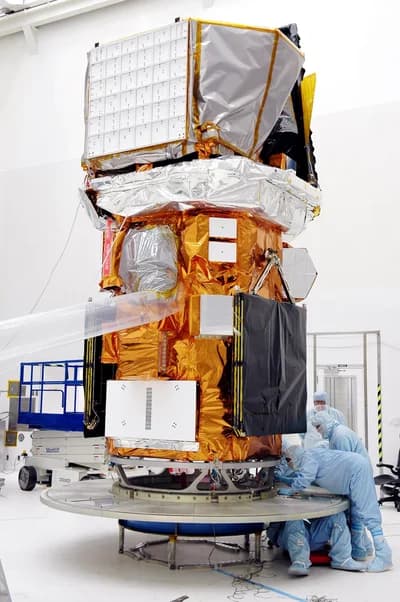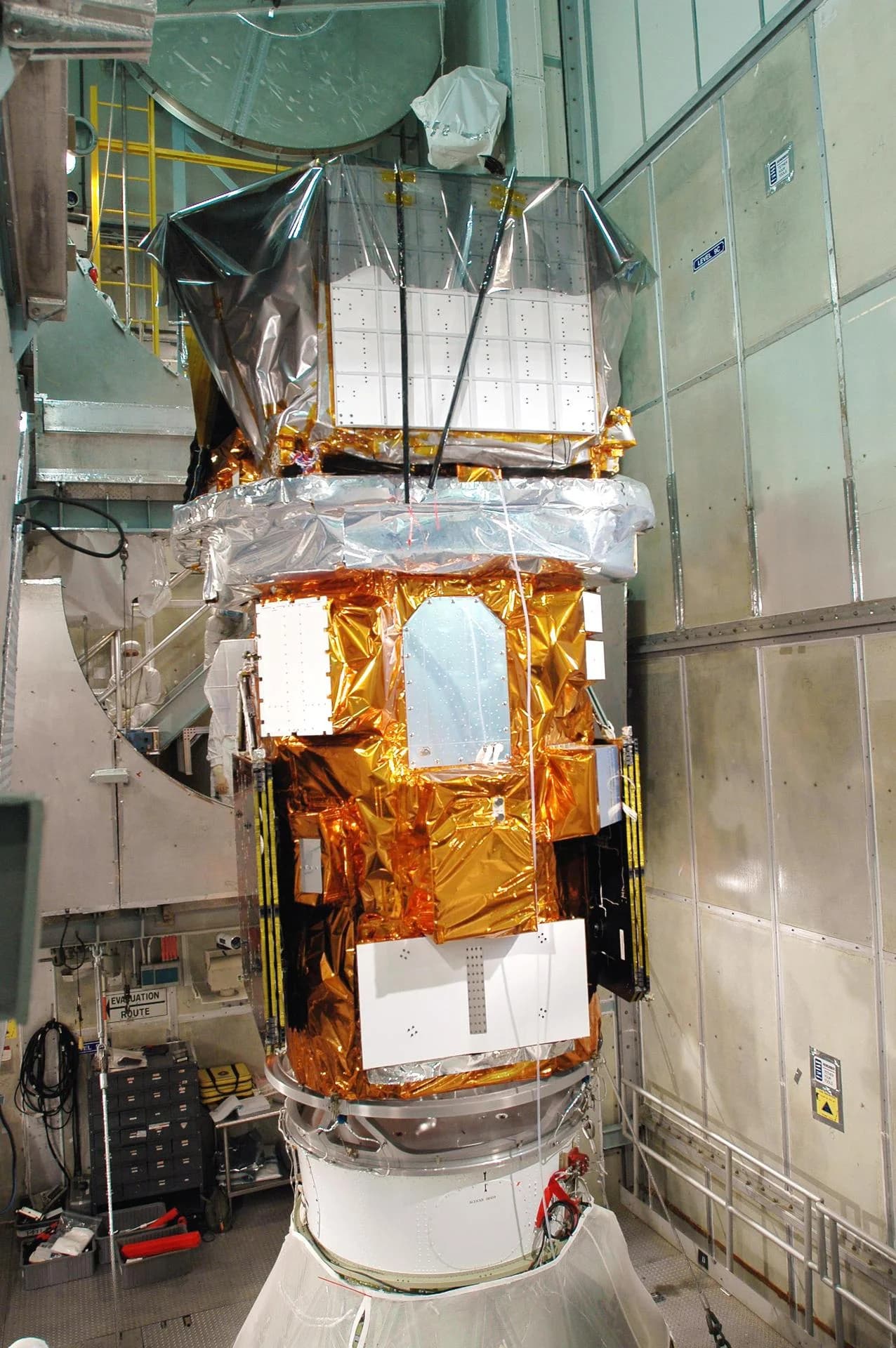
NASA's Neil Gehrels Swift Observatory reentered Earth's atmosphere on Wednesday over western Indonesia, Spaceflight Now reports. Its fall ended a mission of almost 22 years.
Swift was built to catch gamma-ray bursts, the most powerful explosions known in the universe, and to quickly turn its X-ray and ultraviolet/optical telescopes toward them. Over its long career it became one of the main tools for studying fast-changing events in the sky.
Its orbit had been slowly decaying because of drag in the upper atmosphere. An attempt to rescue the spacecraft and extend its life did not work, which left an uncontrolled reentry as the only outcome.
The observatory launched in 2004. In 2018 it was renamed after Neil Gehrels, the mission's late principal investigator.
Primary source
Spaceflight Now
We summarise and credit; the reporting belongs to the source.
Read at the source →