#EVA#kosmická stanice#výstup
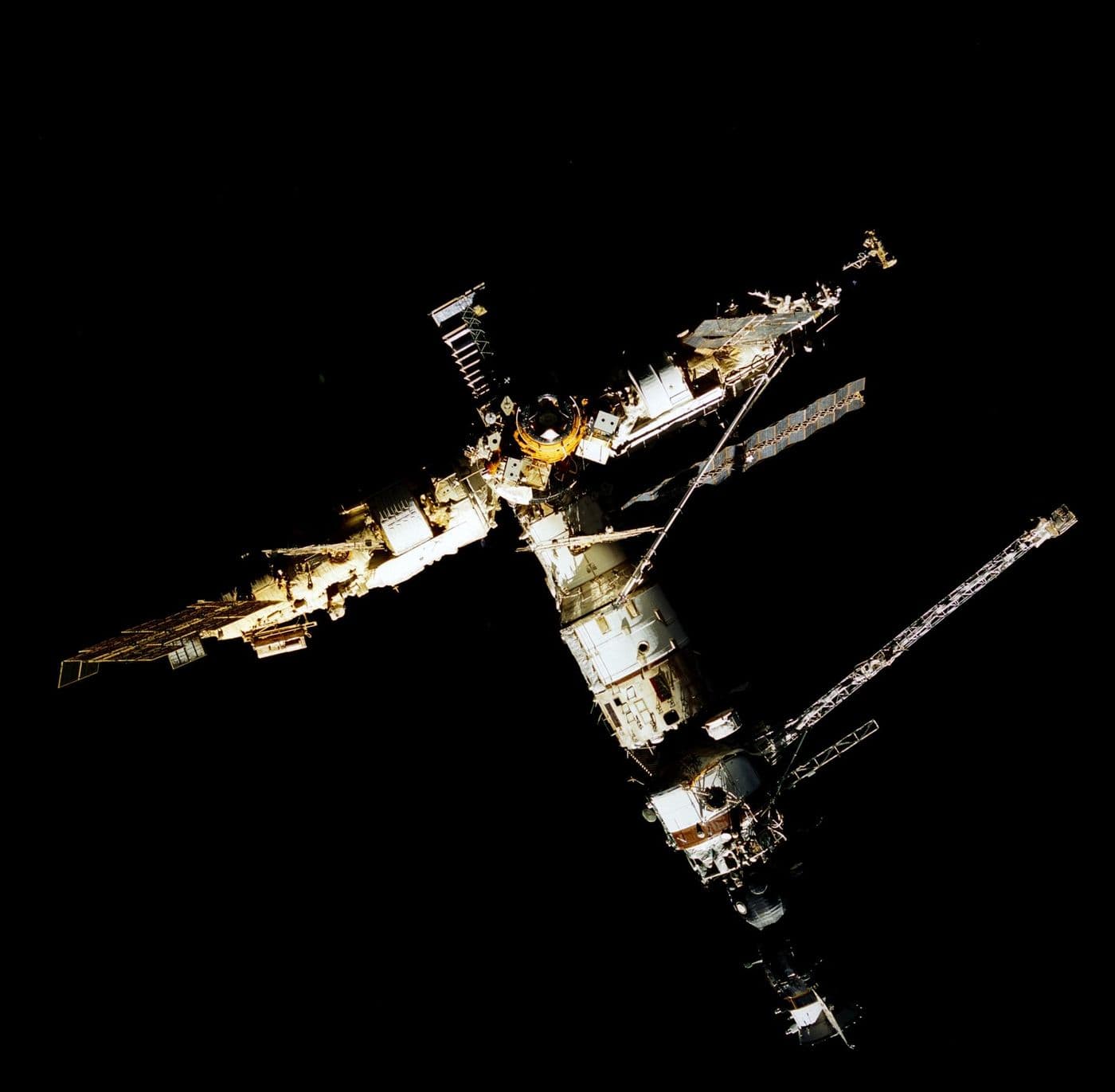
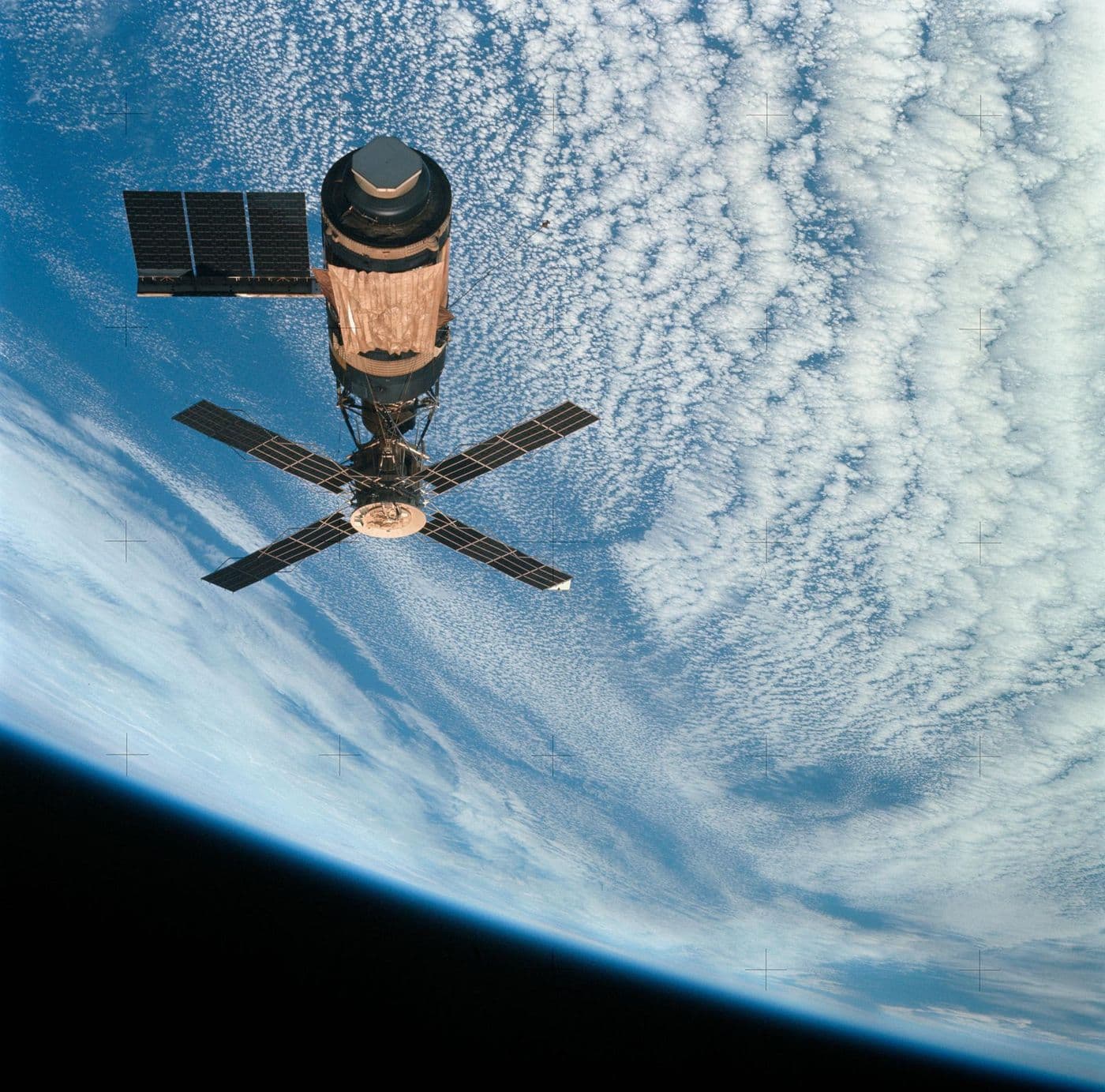
An extravehicular activity, or EVA, is work outside the protection of a pressurised cabin. Alexei Leonov made the first in March 1965; Ed White performed the first American spacewalk months later. Since then, EVA has evolved from a pioneering experiment into a routine part of station operations and servicing missions.
A safe spacewalk requires an airlock or cabin depressurisation, an independent oxygen supply, thermal control, tethers, and carefully prepared tools. On the ISS, astronauts install equipment, route cables, replace failed units, and prepare the station for new modules during EVAs.
Key facts
- Alexei Leonov made the first EVA on 18 March 1965.
- An EVA suit functions as a small independent spacecraft.
- The ISS relies on regular crew EVAs for assembly and maintenance.
Sources & further reading
Spaceflightpedia. (n.d.). Extravehicular Activity. Retrieved 9 October 2026, from https://spaceflightpedia.com/article/vystup-do-volneho-prostoru
article text — CC-BY-SA · ◉ NASA photography — public domain · ✦ AI illustration — marked, generated from sources