NASA's November edition of Night Sky Notes looks at a milestone for one of humanity's most distant machines. Voyager 1 is approaching a distance of one light-day from Earth, roughly 26 billion kilometres. At that range, a radio signal moving at the speed of light needs about 24 hours to reach the spacecraft.
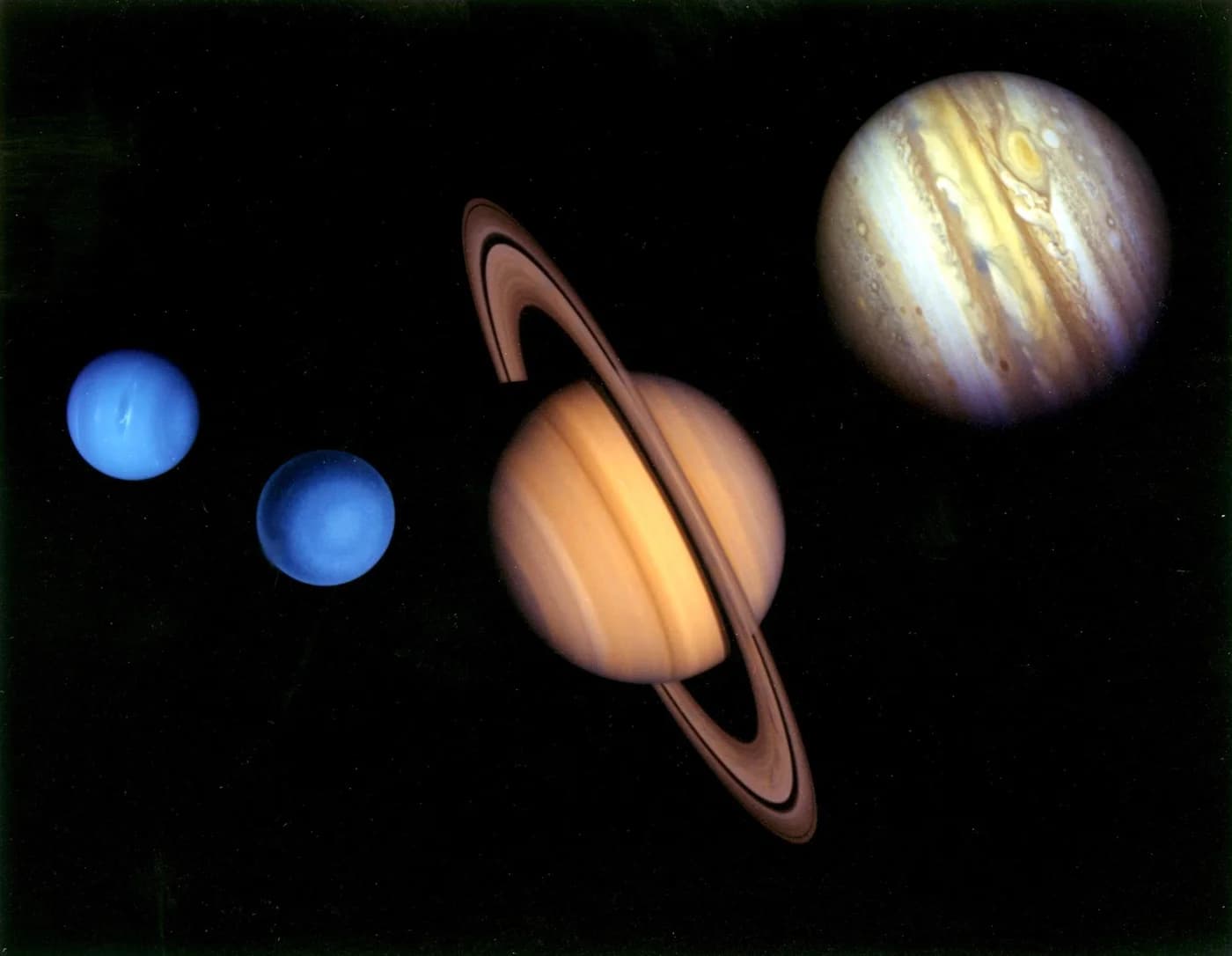
Voyager 1 and its twin, Voyager 2, launched in 1977. Their timing took advantage of a rare arrangement of Jupiter, Saturn, Uranus and Neptune that happens only about once every 175 years. Across six gravity assists between them, the probes made the so-called Grand Tour possible. They sent back close-up views of the gas and ice giants and several of their moons.
Both spacecraft have since left the Sun's heliosphere and are still sending data from interstellar space. NASA uses the light-day milestone to give a sense of just how far the Voyagers have travelled in nearly five decades.